US government shuts down for first time in nearly 7 years — what happens next?

&imwidth=600&imheight=450&format=webp&quality=medium "US government shuts down for first time in nearly 7 years — what happens next?")
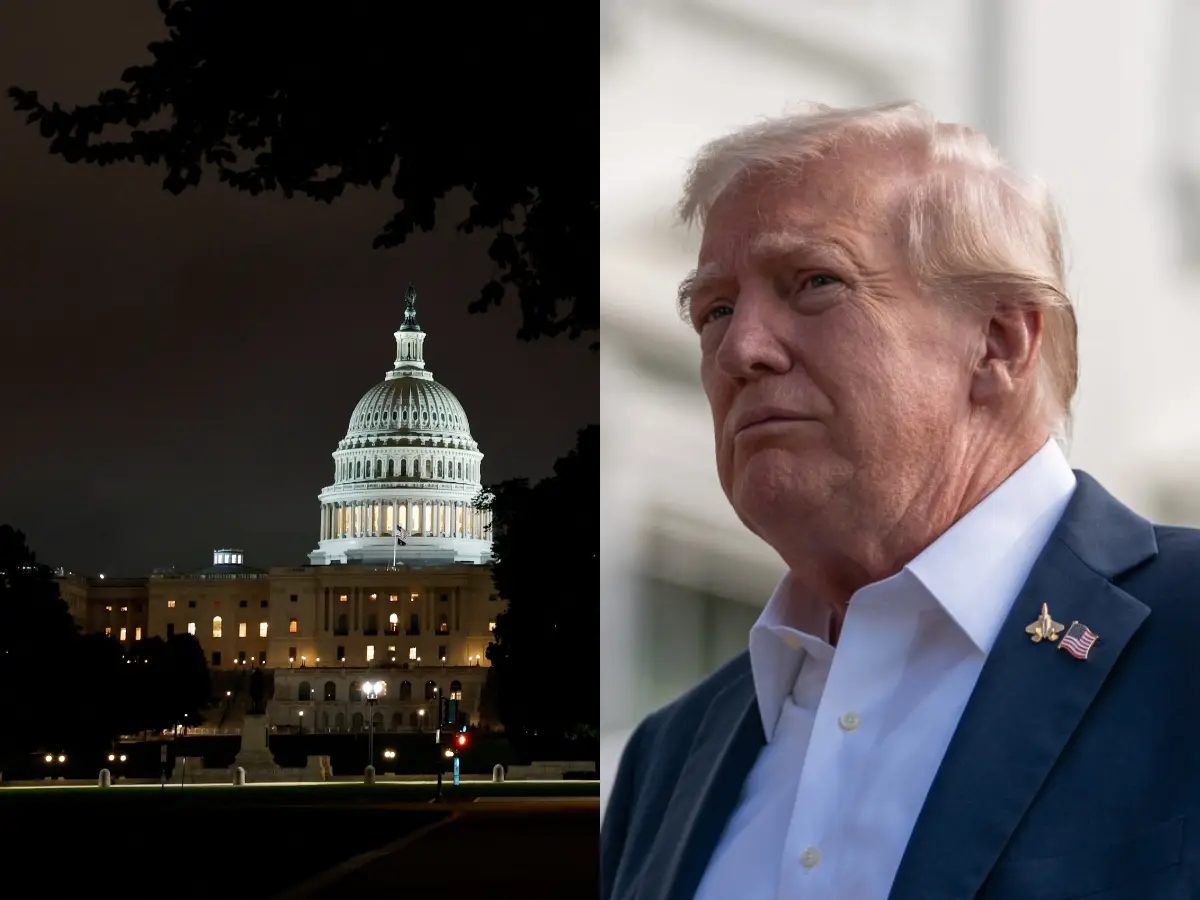
US Capitol, Donald Trump Photograph: (Combination created using images from AFP)
The US entered its first government shutdown in nearly seven years after Congress failed to pass a funding bill. Hundreds of thousands of federal workers face furloughs, key services are at risk, and both parties are trading blame. Developing story.
The United States on Wednesday (Oct 1) went under its first government shutdown in nearly seven years, with the funding expiring at midnight (Sep 30-Oct 1) after a dramatic collapse of negotiations in Congress. Despite last-ditch talks, the Senate failed to advance a temporary funding bill, leaving hundreds of thousands of federal workers bracing for furloughs and key services at risk of disruption. President Donald Trump, who earlier predicted, “we’ll probably have a shutdown,” blamed Democrats for the impasse, accusing them of bowing to “far-left maniacs” and warning he would target progressive programs if the stoppage dragged on. Meanwhile, Democrats pointed fingers at Republicans, saying "they are plunging Americans into a shutdown".
Shutdown proceedings begin
The US government began shutting down after midnight Wednesday as lawmakers and President Donald Trump failed to break a budget impasse during acrimonious talks that hinged on Democratic demands for health care funding.
This is the first shutdown since the longest in history -- lasting 35 days -- almost seven years ago.
What happens now?
Trending Stories
)
)
)
)
)
)
)
)
)
)
)
)
)
)
)
)
)
)
)
)
)
)
)
)
)
)
)
)
)
)
)
)
)
)
&im=FitAndFill=(700,400))
)
)
)
)
The shutdown means that work has stopped at multiple federal departments and agencies, which will affect hundreds of thousands of government workers.
Federal workers furloughed
Hundreds of thousands of nonessential staff may be sent home without pay.
Delayed services
Agencies like national parks, visa processing, and some social programs could see disruptions.
Economic ripple
Stock markets could react, government contracts may stall, and benefits like food stamps may face delays.
Resolution timeline
The shutdown will last until the US Congress passes a funding bill. Historically, the longest US shutdown stretched 35 days in 2018-19, and happened under Trump.

