AI War: China trials local chip making tech even as it asks Chinese firms to reject US-made Nvidia chips. Why this matters

&imwidth=600&imheight=450&format=webp&quality=medium "AI War: China trials local chip making tech even as it asks Chinese firms to reject US-made Nvidia chips. Why this matters")
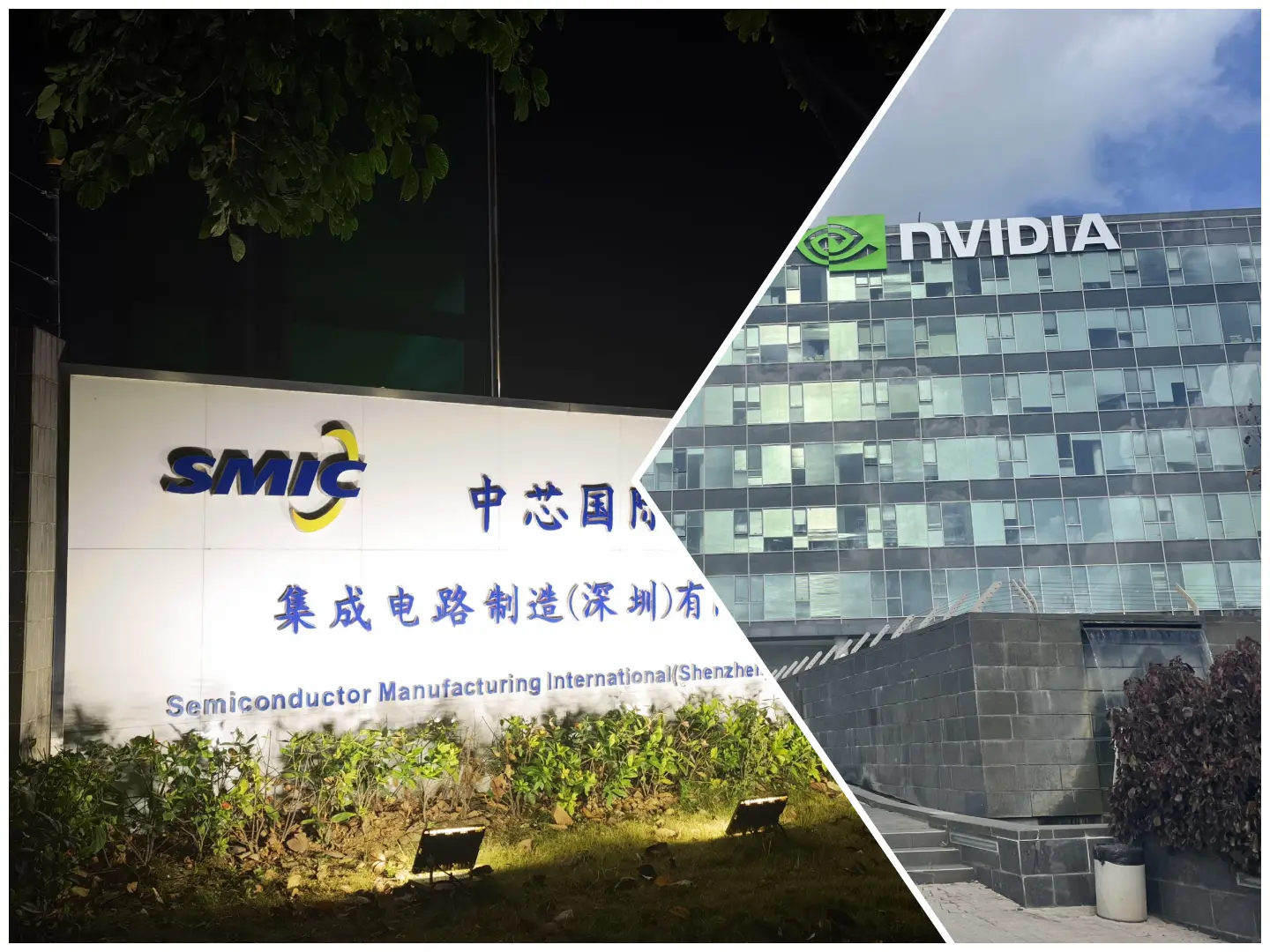
China is developing AI tech while also curbing US AI firms like Nvidia Photograph: (Others)
Amid intense competition with the US, China has trialled domestic AI chipmaking tools, even as it banned Nvidia AI chips. Beijing is accelerating self-reliance amid US export controls in the ongoing AI chip war. Here is why it matters
Amid the intensifying ‘AI war’, China has restricted the use of US-made AI chips, even as it moved a step close to self-reliance by trialling its own semiconductor manufacturing technology. According to mutiple reports, the Cyberspace Administration of China (CAC) recently ordered major tech firms—including Alibaba, ByteDance, and Tencent—to halt purchases and suspend testing of Nvidia’s AI chips, particularly the RTX Pro 6000D. The move aims at reducing dependence on foreign hardware and bolstering domestic alternatives.
China rejects US-made Nvidia chips: Why it matters
China’s rejection of Nvidia chips came close on the heels of earlier curbs on the American company's H20 AI chip, citing “information risks” and cybersecurity concerns. Beijing has alerady gone beyond usage bans: antitrust probes against Nvidia is looking into its 2019 acquisition of Mellanox Technologies, as a violation of merger conditions.
China trials domestic chip-making technology. What did it do?
Financial Times reported that China is conducting trials of its own semiconductor manufacturing technology. Semiconductor Manufacturing International Corporation (SMIC), the largest Chinese chipmaker, is testing a domestically developed deep-ultraviolet (DUV) lithography machine created by Shanghai startup Yuliangsheng.
Trending Stories
)
)
)
)
)
)
)
)
)
)
&im=FitAndFill=(700,400))
)
)
)
)
)
)
)
)
&im=FitAndFill=(700,400))
)
)
)
)
)
)
)
)
)
)
)
)
)
)
)
&im=FitAndFill=(700,400))
)
)
)
This is a crucial step toward lessening reliance on foreign equipment, especially given that China remains barred from acquiring extreme ultraviolet (EUV) lithography tools, the key technology for producing the most advanced chips.
This domestic DUV tool still incorporates some imported parts and requires further development to achieve mass production yields. Yet, it is a reflection of China’s concerted efforts to catch up in chip fabrication technology. SMIC currently uses multi-patterning with 28nm tools to produce chips roughly equivalent to 7nm nodes. it has aspirations to reach 5nm.
China now has a data centre powered by domestic AI chips
Amid intense competition in artificial intelligence with the US, China Unicom recently unveiled a major data centre powered almost entirely by domestic AI chips, made by Alibaba’s T-Head and Biren Tech, among others. Alibaba and Baidu have also begun deploying their own AI chips for AI model training, a broader industry shift away from Nvidia’s technology.
China is seeking technological autonomy to end dependency on the US
China’s domestic chip industry continues to face challenges like achieving advanced node yields, developing EUV lithography. But it is on a march towards long-term technological sovereignty over short-term performance advantages. Chinese quest for automomy in AI technology could fragment global AI standards and supply chains.
US export controls have restricted China’s access to key technologies. It has also given urgency to China’s drive for self-sufficiency.