9/11: Why did the US rebuild the One World Trade Center at the same site where terrorists destroyed the Twin Towers? How safe is it?

&imwidth=600&imheight=450&format=webp&quality=medium "9/11: Why did the US rebuild the One World Trade Center at the same site where terrorists destroyed the Twin Towers? How safe is it?")
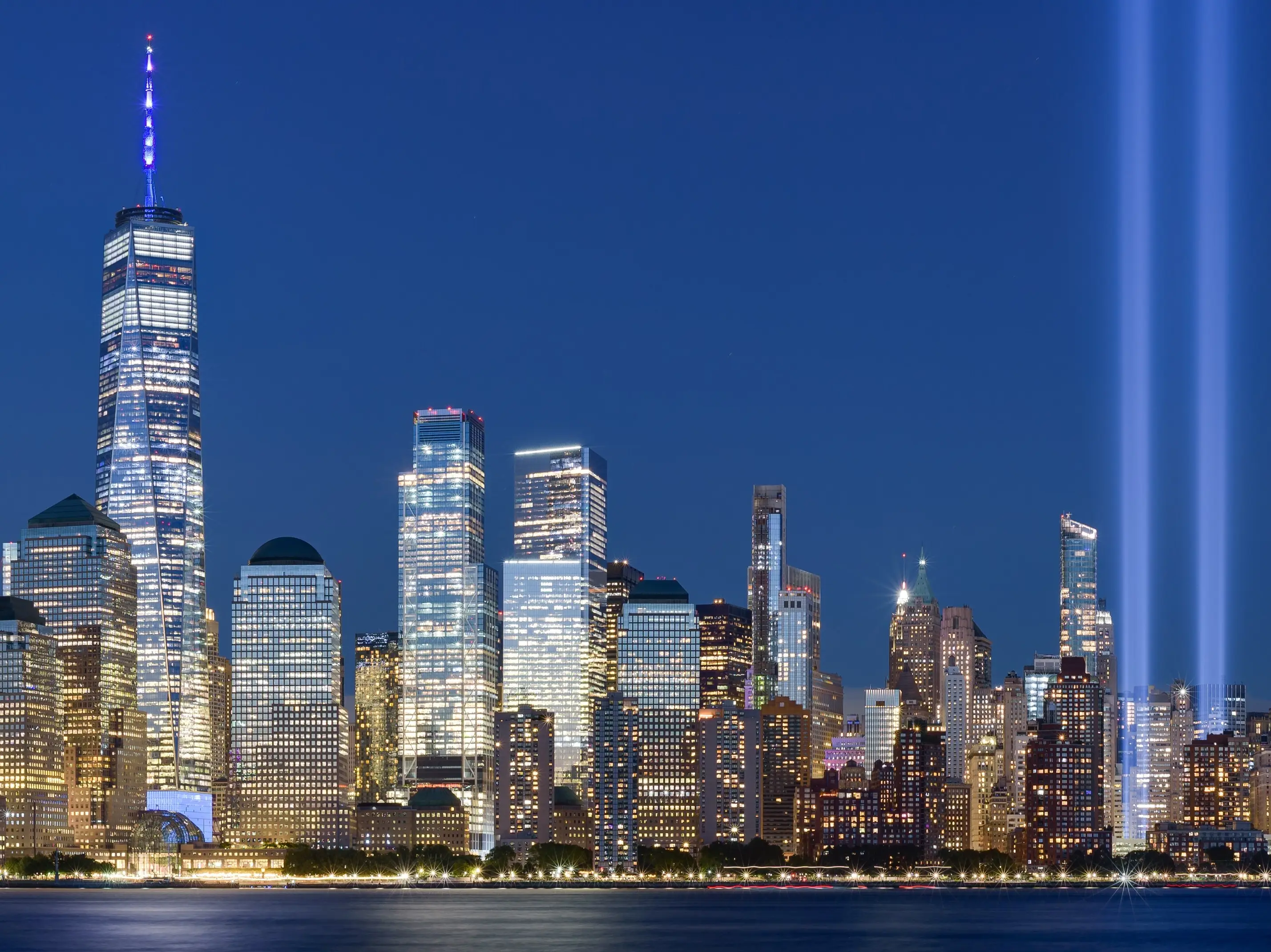
The One World Trade Center with a tribute beam for WTC twin towers Photograph: (Others)
One World Trade Center, built on the original World Trade Center site destroyed by the 9/11 terror attack, is a symbol of American resilience and hope. How does the 1,776-foot skyscraper ensure its safety against another potential attack?
The new One World Trade Center officially opened on 3 November 2014 at the site of the 9/11 terrorist attacks in Lower Manhattan, New York City. For many supporters, rebuilding on the exact spot where the World Trade Center’s twin towers once stood is a symbol of resilience, revival, and hope. However, some critics questioned the safety and emotional sensitivity of constructing another towering structure on what remains a high-profile target. Taller than the original twin towers, One World Trade Center is the tallest building in the United States as well as the Western Hemisphere. But how does the US ensure the safety of this site?
One World Trade Center: A new design for a new era
Also known as One WTC or the Freedom Tower, the new skyscraper does not replicate the design of the original twin towers, WTC 1 and WTC 2, which were both 110-storey buildings identical in appearance. One World Trade Center is a distinct, singular building within a larger complex that includes other towers such as 2 WTC, 3 WTC, 4 WTC, and 7 WTC, each with unique architectural designs and purposes.
One World Trade Center stands at 1,776 feet, including its spire, a symbolic reference to the year 1776, when the US Declaration of Independence was signed.
After 9/11 attacks on WTC, why did the US rebuild on the same site?
Trending Stories
)
)
)
)
)
)
)
)
)
)
)
)
)
)
)
)
)
)
&im=FitAndFill=(700,400))
)
)
)
&im=FitAndFill=(700,400))
)
&im=FitAndFill=(700,400))
&im=FitAndFill=(700,400))
)
Rebuilding the World Trade Center on the same site was a decision grounded in symbolism. Supporters described it as an act of defiance against terrorism and a message of recovery, reinforcing that the area would continue to serve as a hub of international trade and finance.
The complex has since helped revitalise Lower Manhattan, attracting major companies like Condé Nast, which became one of the first tenants in 2014.
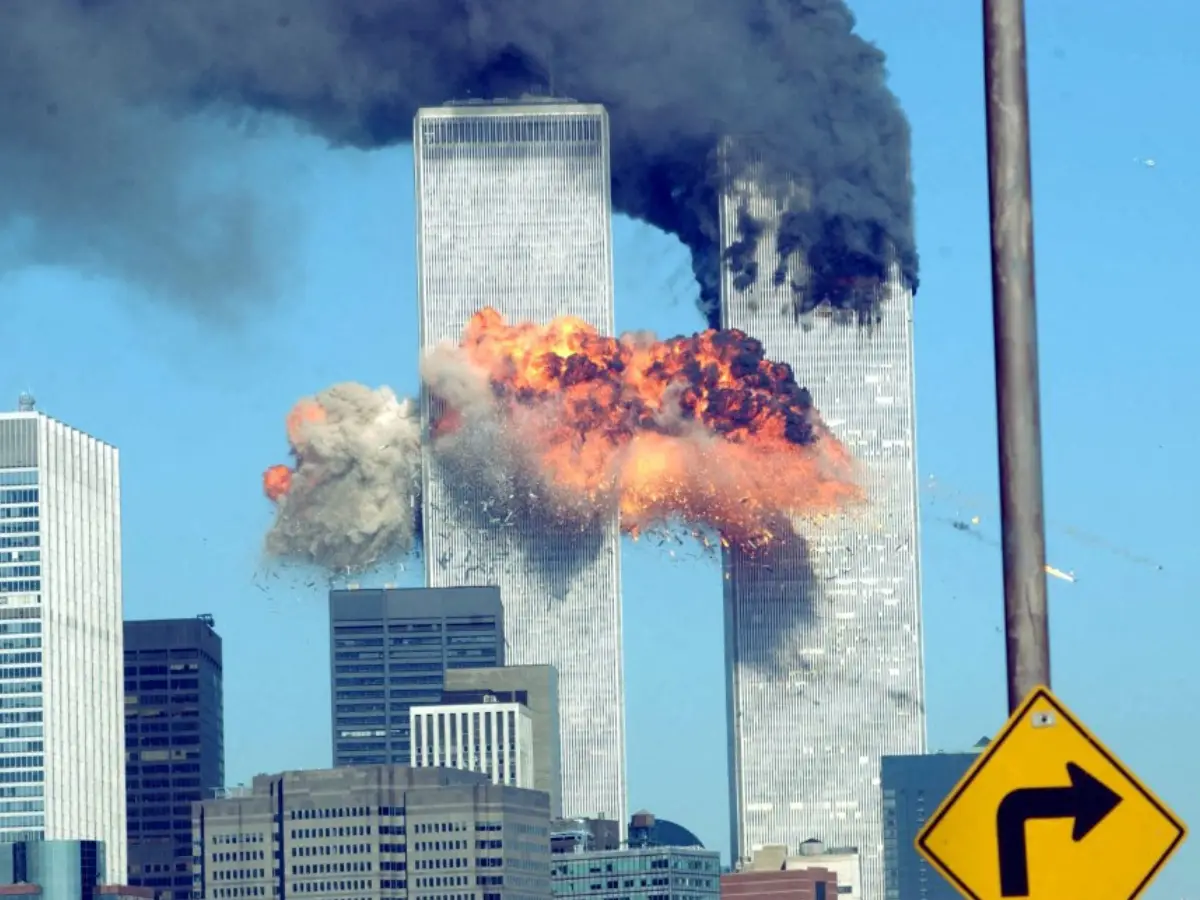
Alongside the office towers, the site features the National September 11 Memorial & Museum, dedicated to honouring the 2,977 victims of 9/11 attacks. The twin reflecting pools, situated on the original footprints of the North and South Towers, serve as solemn reminders of the tragedy in 2001.
Critics of One World Trade Center cited security and sensitivity concerns
Despite its symbolic significance, the decision to rebuild on the original site faced some resistance. Critics felt it was emotionally inappropriate to construct commercial buildings where thousands perished. There were calls for the entire area to be reserved as a memorial space.
Critics also expressed concerns about security, as the World Trade Center remains a symbolic target for potential terrorist activity. Past incidents, such as a teen sneaking past security in 2014 to climb One WTC and base jumpers breaching perimeter defences, heightened anxieties about the building’s vulnerability.
Rebuilding World Trade Center was a costly affair
The entire rebuilding process took nearly 15 years and cost an estimated $4 billion for One World Trade Center alone. The project faced multiple delays due to political, financial, and design disagreements. Some architects and community members initially advocated for rebuilding the original twin towers or for a less ambitious design to avoid turning the site into another high-profile target.
Avoiding another attack: How is the New World Trade Center secured?
Given the tragic history and high-profile nature of the site, multi-layered security has been integrated into both the building's structure and its daily operations. Much of the detailed strategy remains classified, but several measures are publicly known:
Structural and architectural security includes a fortified base: The building features an 85-foot-tall reinforced concrete podium with no windows on the lower floors, designed to withstand vehicle-borne explosives.
Blast-resistant materials are used. The building’s glass façade and steel frame are engineered to resist significant blast forces.
Ultra-high-strength concrete was used, with the core having materials significantly stronger than those in conventional skyscrapers.
Life-safety systems, such as sprinklers, emergency lighting, and communications, are duplicated to maintain functionality in emergencies.
World Trade Center has a constant federal and state law enforcement presence
New York Police Department (NYPD) has dedicated World Trade Center Command that patrols the site 24/7, with support from counterterrorism units.
Federal agencies like the Department of Homeland Security (DHS) and Federal Bureau of Investigation (FBI) collaborate with local authorities to monitor threats and share intelligence.
Joint Terrorism Task Force (JTTF), a multi-agency team led by the FBI and including NYPD officers, focuses on preempting terrorist activity.
The Port Authority Police Department (PAPD), which is responsible for security at the WTC complex, has increased staff and developed specialised units focused on infrastructure protection.
High-tech surveillance ensures saftey of One World Trade Center
The area is equipped with an extensive network of CCTV cameras, motion detectors and licence plate readers, integrated with the NYPD’s Domain Awareness System for real-time monitoring. Access control is managed through strict ID checks and security screenings are mandatory for visitors and employees.
Cybersecurity and drone defence are in place, with advanced systems monitoring cyber threats and detecting unauthorised aerial drones.
One World Trade Center emergency preparedness: Always ready for eventualities
To ensure evacuation readiness, One WTC has 73 elevators, many of which can be used by first responders and for high-speed evacuations. Fireproofing, smoke control systems, and emergency lighting are built to modern high-rise standards.
Regular drills are conducted by NYPD, PAPD, and other agencies, simulating potential incidents to test readiness.
The Port Authority collaborates with private security firms hired by individual tenants of the buildings, in order to ensure alignment with the broader security strategy.
To ensure constant public vigilance, Campaigns such as “If You See Something, Say Something” are conducted, encouraging public awareness and cooperation in maintaining site safety.
One World Trade Center: More than a skyscraper
One World Trade Center represents more than just a skyscraper — it stands as a monument to those lost, a declaration of resilience, and a key component in New York’s continued evolution. While security concerns remain, the building incorporates some of the most advanced safety and anti-terrorism measures ever deployed in a civilian structure.
Whether seen as a bold act of renewal or a potentially risky symbol, the rebuilt World Trade Center reflects the complex legacy of 9/11, one of loss, memory, strength, and enduring hope.