
&imwidth=800&imheight=600&format=webp&quality=medium "Analysis: 7 major flaws in the US-Iran 14-point peace plan")
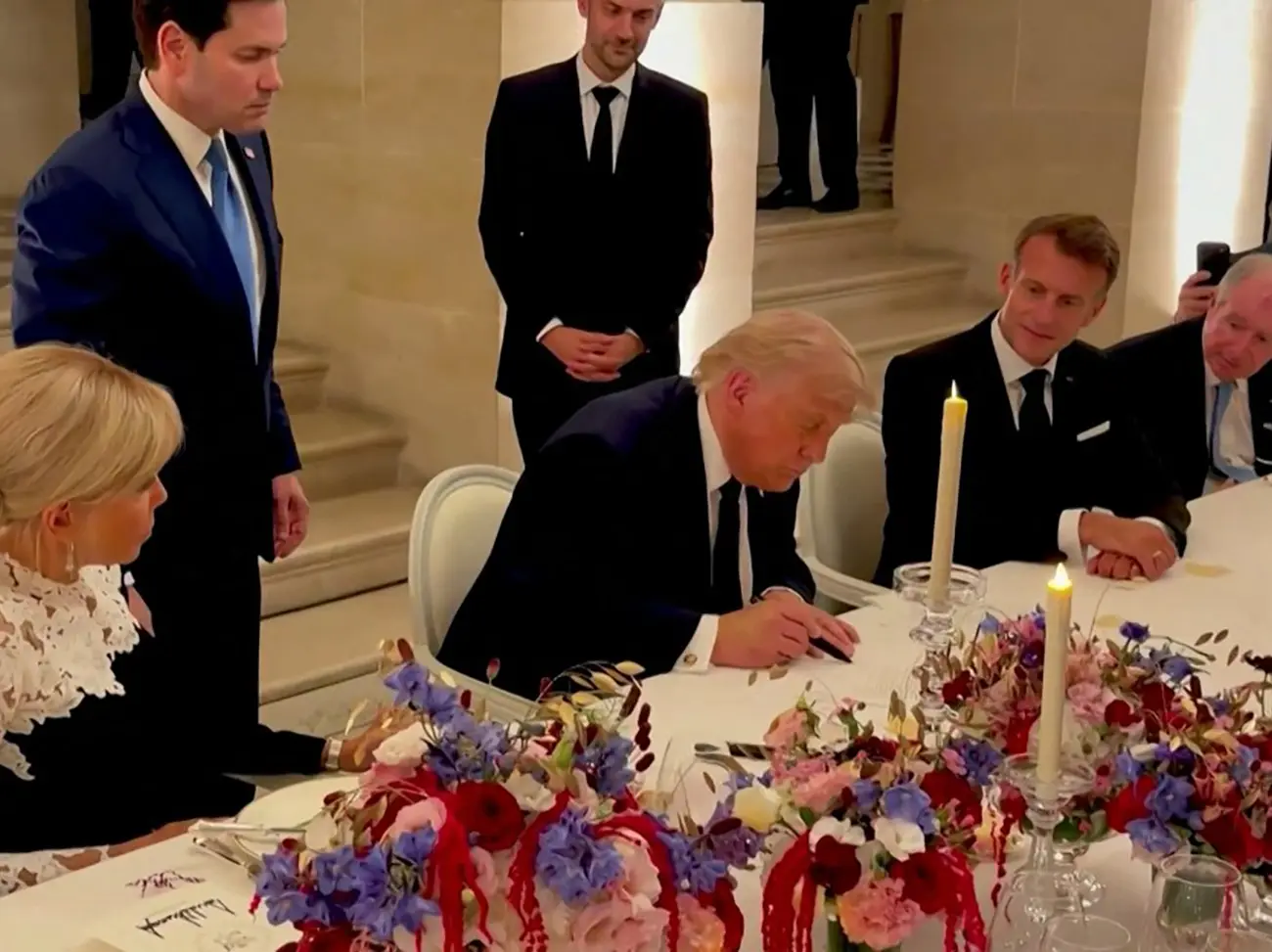
Donald Trump signed a hard copy of the 14-point memorandum of understanding (MoU) with Iran at the Palace of Versailles during a dinner hosted by French President Emmanuel Macron. A senior Trump administration official detailed the draft agreement on a phone call. It expands the ceasefire and agrees to open the Strait of Hormuz. But, there are certain things in the document, which is less than 800 words, that have been left unclear and are to be dealt with later.
- ‘Allies’ undefined
US and Iran "and their allies in the current war" agree to an immediate and permanent termination of military operations on all fronts, including in Lebanon. The two sides undertake "not to initiate any war or any military operation against each other, and to refrain from the threat or use of force against each other, and ensuring the territorial integrity and sovereignty of Lebanon." It adds that the "final deal will confirm the permanent termination of the war on all fronts, including in Lebanon and other provisions of this paragraph."

The term "allies" remains undefined, as neither Israel nor Hezbollah have been clearly named. Israel has been carrying out military action in Lebanon against Hezbollah, which has been a hurdle to reaching the peace deal.
2. Short timeline of 60 days
Trending Stories
)
Asian Games 2026: India women's cricket team beats Sri Lanka by 147 runs for first gold
)
40-foot waves crash into cruise ship in dangerous stretch near Antarctica. Watch
)
Key accused in Bihar's Jamui molestation case, arrested after police shoot him in leg
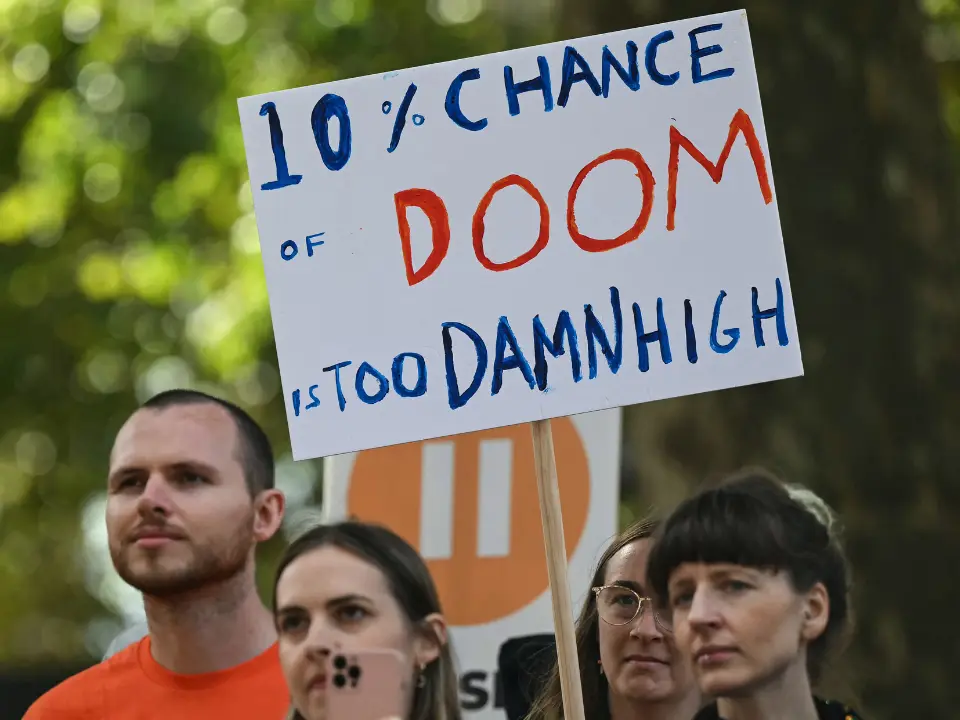)
Anti-AI activists storm summit, say 'incompetent' leaders are leading us into a disaster - 'We need a vote'
)
Trump's helipad event overshadowed by audio failure as major TV networks suspend pool coverage
)
Samsung raises Galaxy S26 prices by Rs 20,000: Here’s what each model now costs
)
AI models chose to harm humans to stop ‘pain,’ alarming study raises fresh safety questions
)
Raaka creates history! Allu Arjun’s film secures Guinness World Record ahead of release
)
IND vs JPN one-off T20I: India survive scare from Japan to win five-over a side match by 2 runs
)
Randeep Hooda arrives in Gujarat for his first National Film Award: ‘Very grateful’
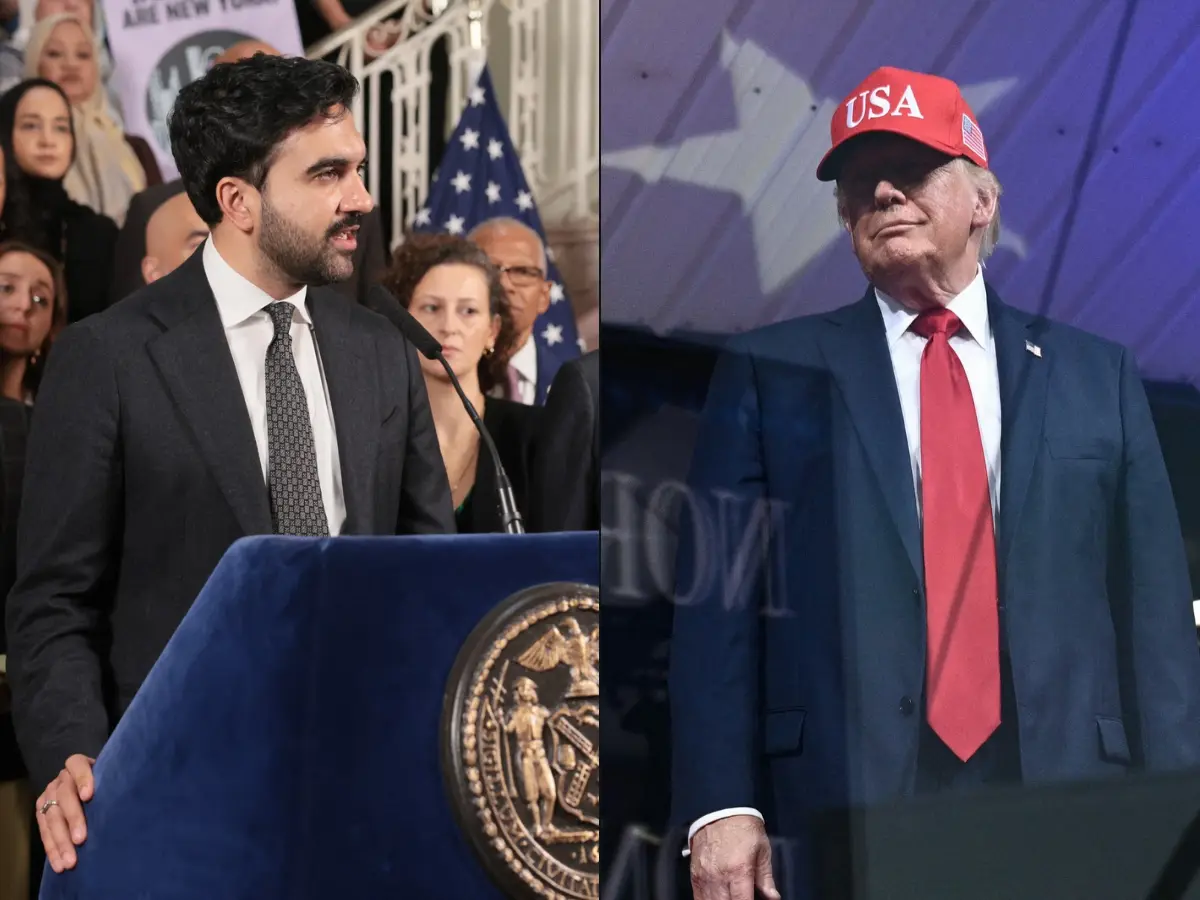)
From ‘communist’ to ‘great mayor’: Trump praises Mamdani after New York meeting, discusses immigration and housing
&im=FitAndFill=(700,400))
New OTT releases this week (September 21-27, 2026): Shaque: Trust No One, Hunkkaar, Don’t Be Shy- 5 new titles coming to Netflix, Prime Video and more
)
J&K Assembly Session begins amid chaos: BJP, ruling alliance clash as statehood demand dominates
)
How Zaheer Khan came to be CSK's head coach of IPL 2027
)
US-Iran war, peace deals and more: What to expect from Trump's UNGA 2026 speech
)
‘0% chance’: Nvidia CEO Jensen Huang dismisses AI extinction fears by 2030
)
India at UNGA81: Jaishankar warns global order under 'growing stress', pushes for ‘reformed multilateralism’
)
Report: Zelensky meets CIA chief Ratcliffe at Shannon airport, weeks after his secret Moscow trip
)
New Zealand farms shift to carbon forests: Carbon credits fuel a land rush reshaping rural life
)
Microsoft executive called AI training the ‘largest theft of labour in human history’
)
BTS fans mock iHeartRadio’s day 2 turnout after short set controversy
)
The Verdict | The Mecca Agreement is under scrutiny as Houthis attack Saudis
)
Pilot recreates Mona Lisa in sky over Oklahoma and Arkansas in four-hour flight: VIDEO
)
$110 billion Warner Bros merger: Paramount reaches settlement with 12 US states
)
Putin's United Russia party wins 355 seats in Duma election; 4 other parties cross threshold to enter parliament
)
Saudi Arabia exits China-led mBridge digital currency platform amid Saudi-Houthi conflict
)
Jailer 2: Vidya Balan joins Rajinikanth's upcoming film as Kantha | Watch
)
US and China vie for AI dominance as calls grow for regulation | Gravitas
)
'Lot of things to learn from experienced players': Jayasuriya backs Rohit, Virat for 2027 ODI World Cup
&im=FitAndFill=(700,400))
Anant Nag to recieve Dadasaheb Phalke Award: From Ankur to Nishant- Revisit his best films and iconic performances on OTT
)
UK banks are rethinking financial crime detection because of algorithm
)
UK PM Burnham agrees to 'defensive' military support for Saudi Arabia against Houthis
)
'Needs time away from the international scene': England white-ball captain Brook on pacer Brydon Carse's future
)
Samay Raina-Mukesh Chhabra controversy explained: What happened over girlfriend joke on India's Got Latent?
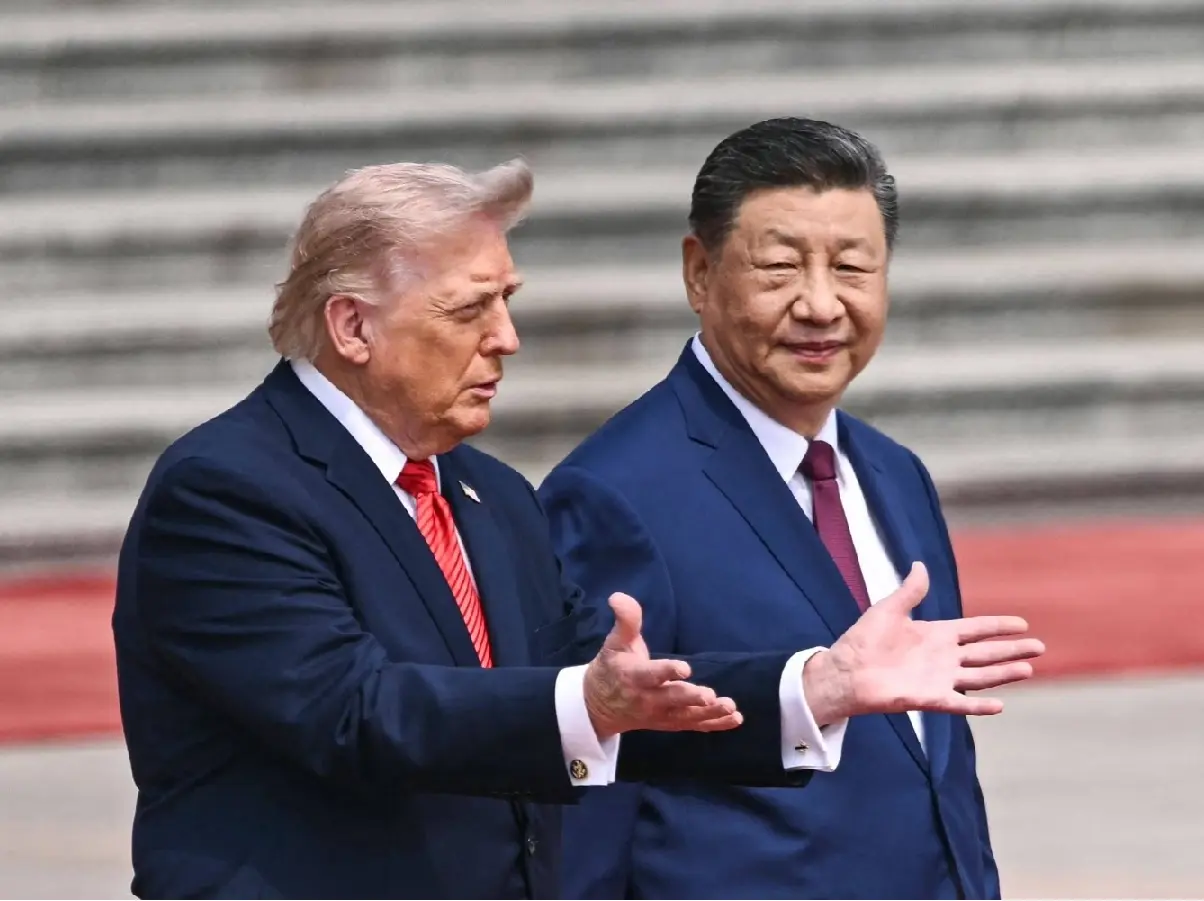)
Explainer: Why rare-earth export licences and Board of Trade are US priorities ahead of Trump-Xi summit
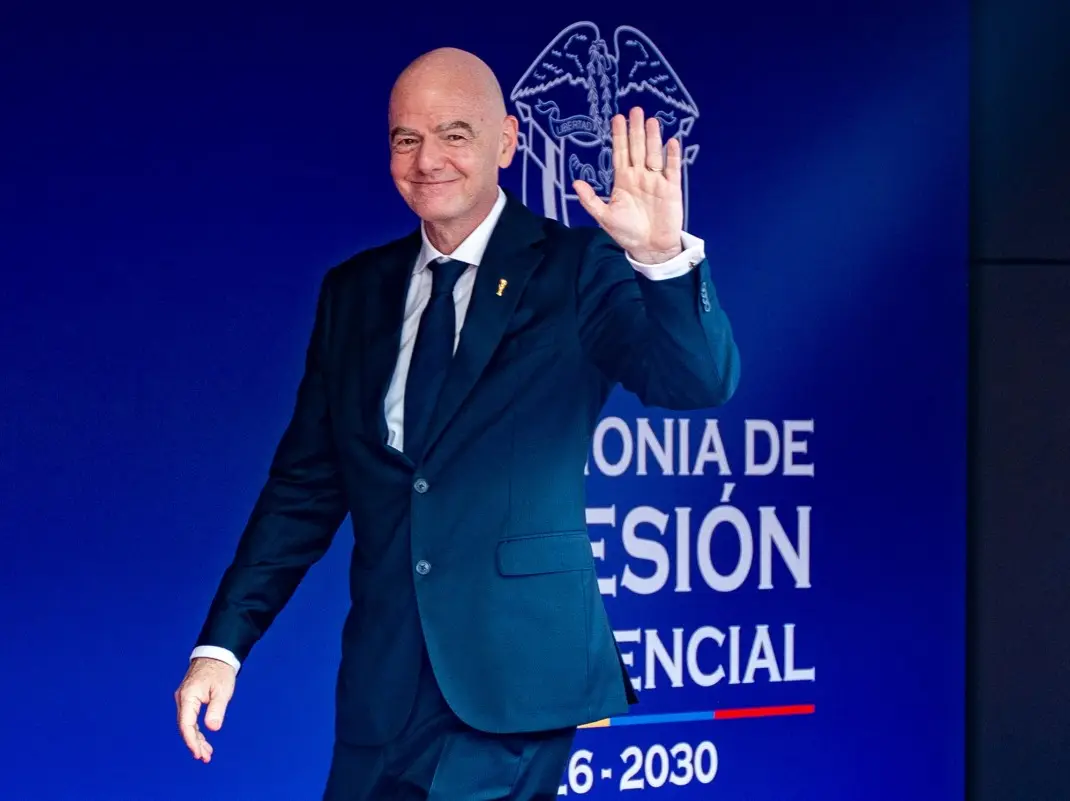)
FIFA chief Infantino wants to reform governing body with consultation from federations
It is not a final deal, and the two countries have committed "to negotiating and achieving the final deal in a maximum of 60 days, extendable with mutual consent." Trump and President Masoud Pezeshkian signed the deal on June 17. According to this, the 60-day period ends on August 16. Critics argue that this is an extremely short timeline to resolve complex issues like lifting sanctions, which involve multiple parties such as the UN, EU, and US, strict IAEA verification protocols, and billions in asset transfers.
3. Ambiguity over Strait of Hormuz blockade
The United States of America will begin the removal of its naval blockade immediately after the MoU is signed and will fully end the naval blockade within 30 days. The US also "undertakes to remove its forces from the proximity of the Islamic Republic of Iran within 30 days after the final deal." What's left unclear is whether Iran will ultimately retain control over the Strait of Hormuz. Also, the point about removing US forces from around Iran might only refer to the 50,000 additional US servicemembers deployed during the war and not the troops in Gulf countries.
4. Strait of Hormuz will get an updated transit system
Under the MoU, Iran has agreed to ensure the safe passage of commercial vessels through the Strait of Hormuz with no charge for 60 days only. Transit capacity will be restored to pre-war levels within 30 days. However, a new transit system will be established in the future, where Iran and its Persian Gulf neighbours will establish an updated transit system aligned with international law. It practically opens the door for future transit fees through the Strait of Hormuz, leading to a permanent revenue stream for Iran.
5. Major financial wins for Iran
The US and its regional partners will design a plan where $300 billion will be allotted for the reconstruction and economic development of the Islamic Republic of Iran. This mechanism for the implementation needs to be finalised as part of the final deal. This will leave Iran with $300 billion, a lot more than its frozen assets. It has also been allowed to export its crude oil via Treasury waivers, and will also get billions of dollars back in frozen assets. Critics argue the US gave away its strongest economic leverage upfront just to get Iran to the negotiating table.
6. Lifting of all sanctions could spell bad news
The United States has committed to lifting all sanctions against Iran. These also include those tied to UN Security Council resolutions. Unlike the 2015 JCPOA—the Obama-era agreement that only lifted nuclear-related secondary sanctions, this new agreement is comprehensive. Notably, Trump dismantled this agreement during his first tenure. By dismantling sanctions dating back to 1979, the US will grant Iran renewed access to the international banking sector, revitalise its oil industry, and roll back restrictions tied to its sponsorship of designated terrorist organisations.
7. Concerns over the nuclear program
The Islamic Republic of Iran reaffirms in the MoU that it shall not procure or develop nuclear weapons. "The two parties also agreed to discuss the issue of enrichment and other mutually agreed matters related to the Islamic Republic of Iran’s nuclear needs." However, the agreement does not actually resolve the nuclear crisis; it merely defers it. It does not mandate the immediate dismantling or export of Iran's highly enriched uranium. The memo leaves the details to a 60-day technical negotiation window. The "minimum methodology" of down-blending material on-site keeps Iran's nuclear infrastructure intact, critics argue.

