&imwidth=800&imheight=600&format=webp&quality=medium "‘American blood’ helped China defeat foreign Invader? Trump happens to be right on that. ‘Flying Tigers,’ Burma front and forgotten US sacrifice")
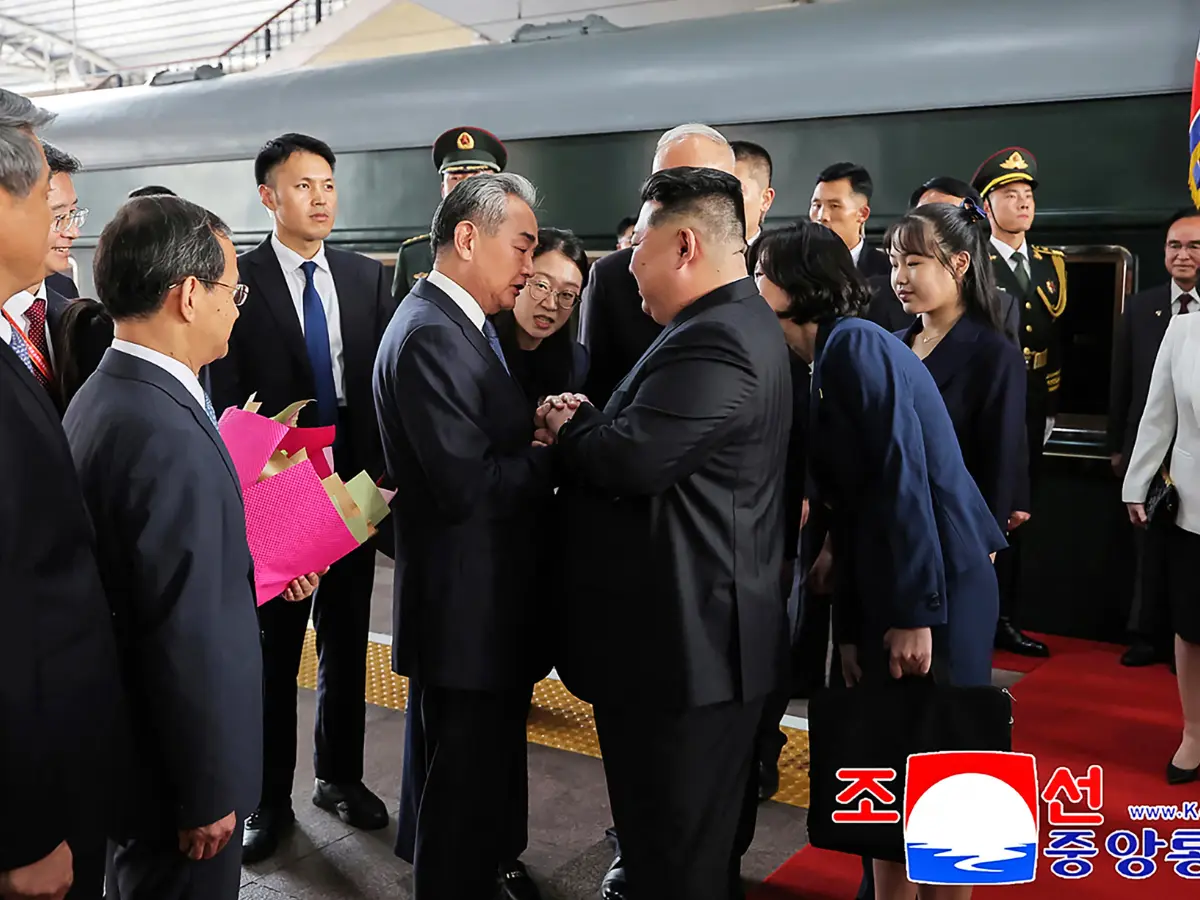
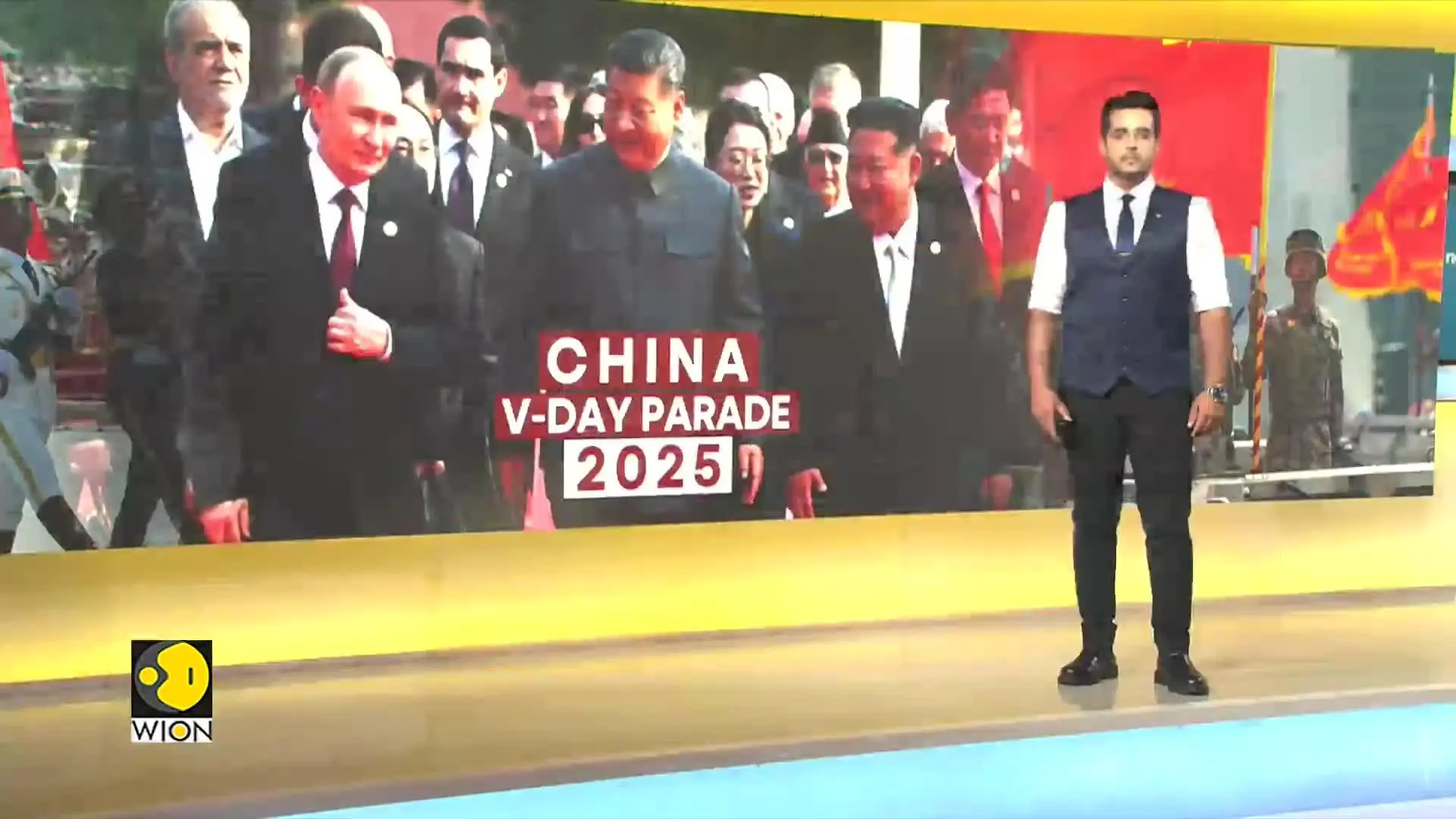
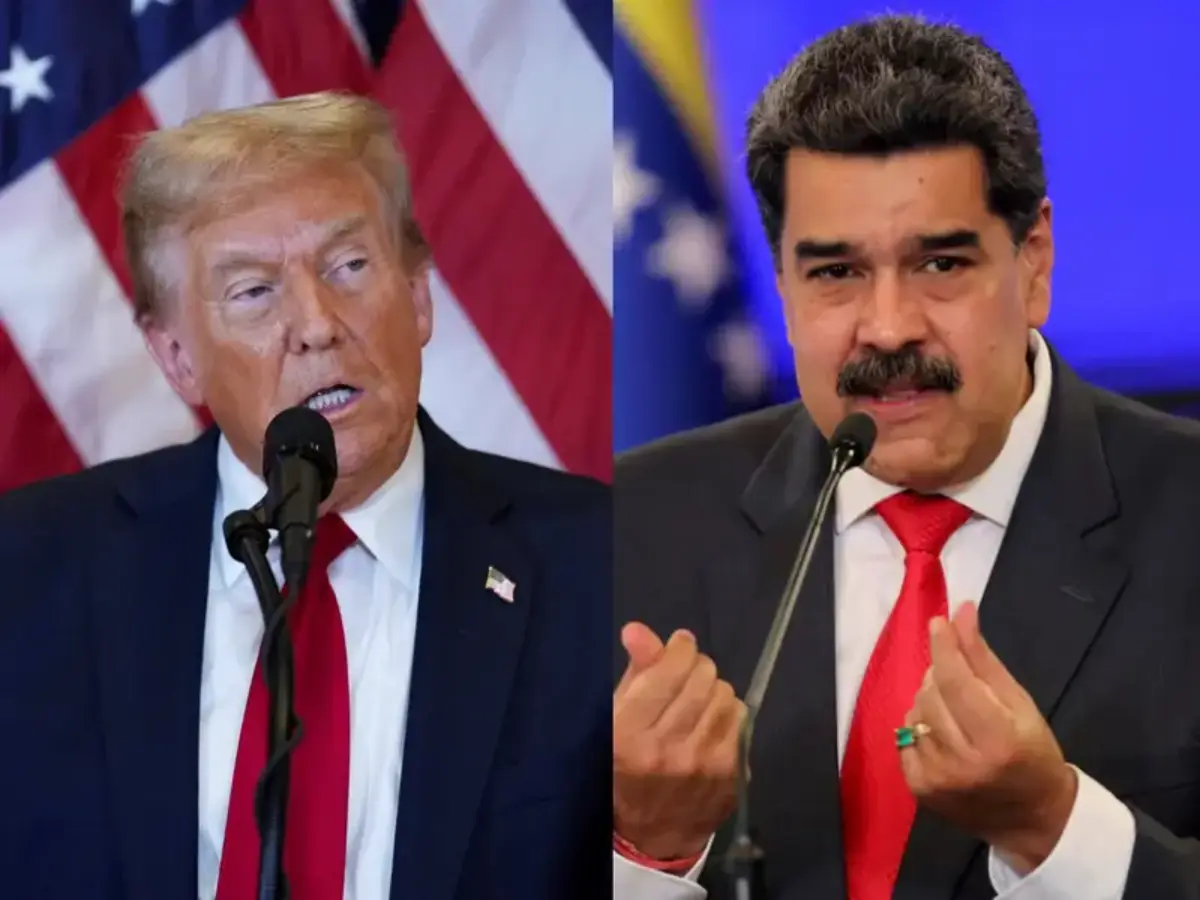
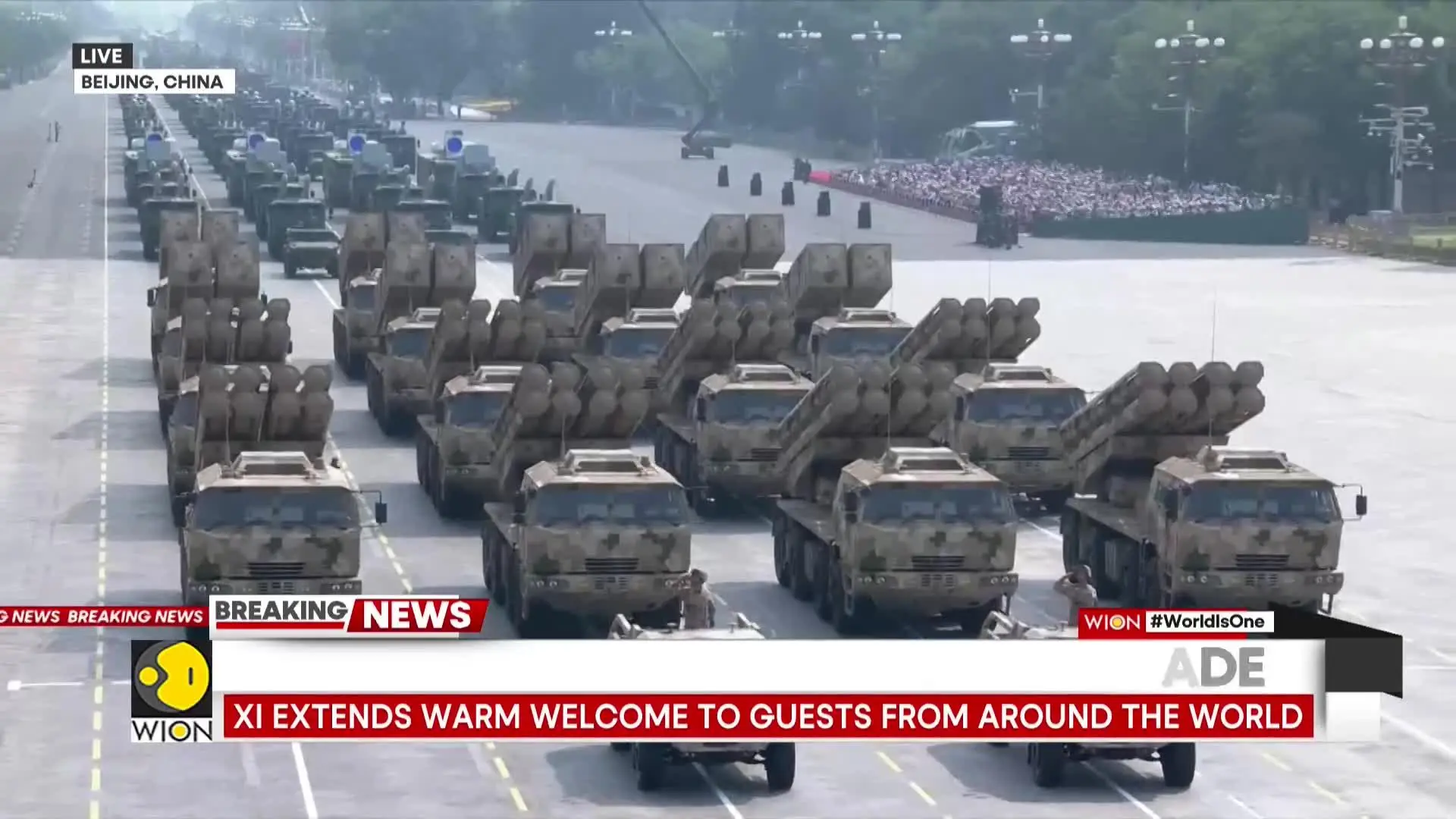
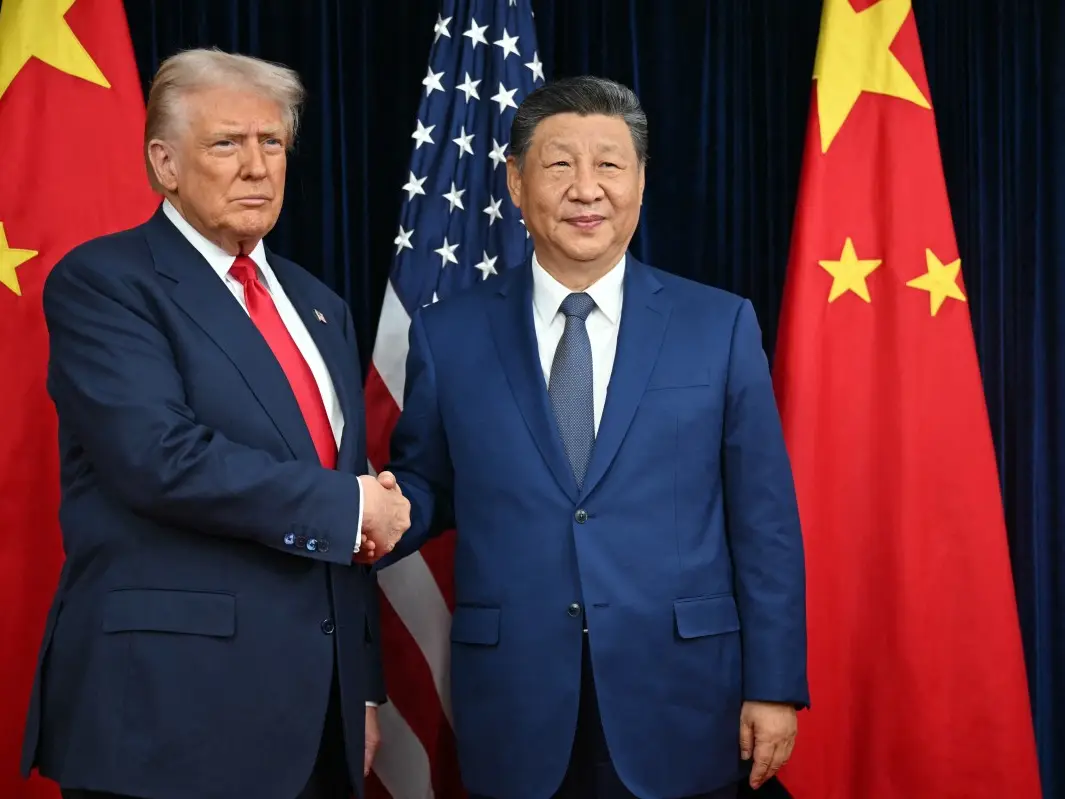
As Chinese President Xi Jinping hosted Russian leader Vladimir Putin and North Korean leader Kim Jong Un for a massive military parade on Wednesday (Sep 3), US President Donald Trump posted a message claiming that Americans had helped China achieve victory over Japan — which the parade was celebrating. For those unfamiliar with the history, it might have sounded like one of Trump’s exaggerations. But in this case, he happens to be right. Eighty years ago, in a very different world, the United States stood by China in its fight against Japanese aggression. Here is that story.
What was the Chinese military parade celebrating?
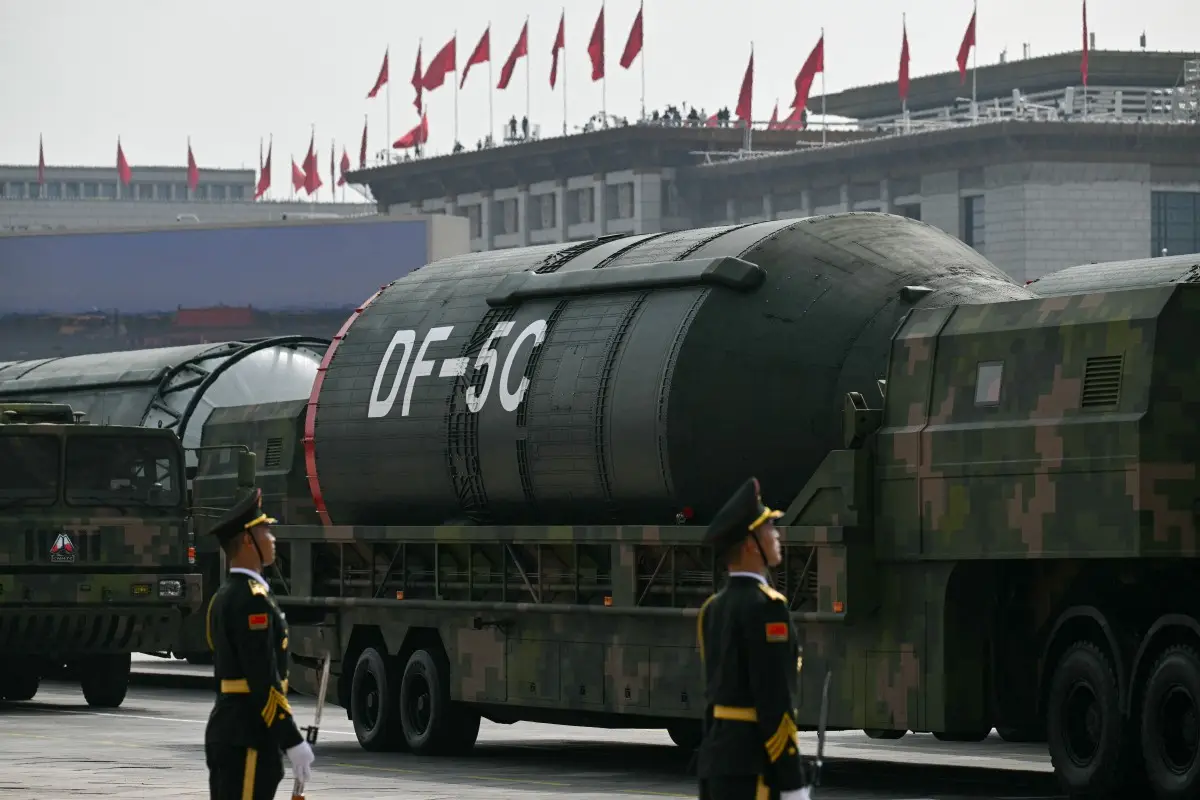
The Chinese military parade marked the 80th anniversary of Japan’s surrender in World War II. President Xi hosted a number of world leaders, including Putin and Kim, as China showcased some of its latest weapon systems and commemorated its role in defeating Japanese imperial forces.

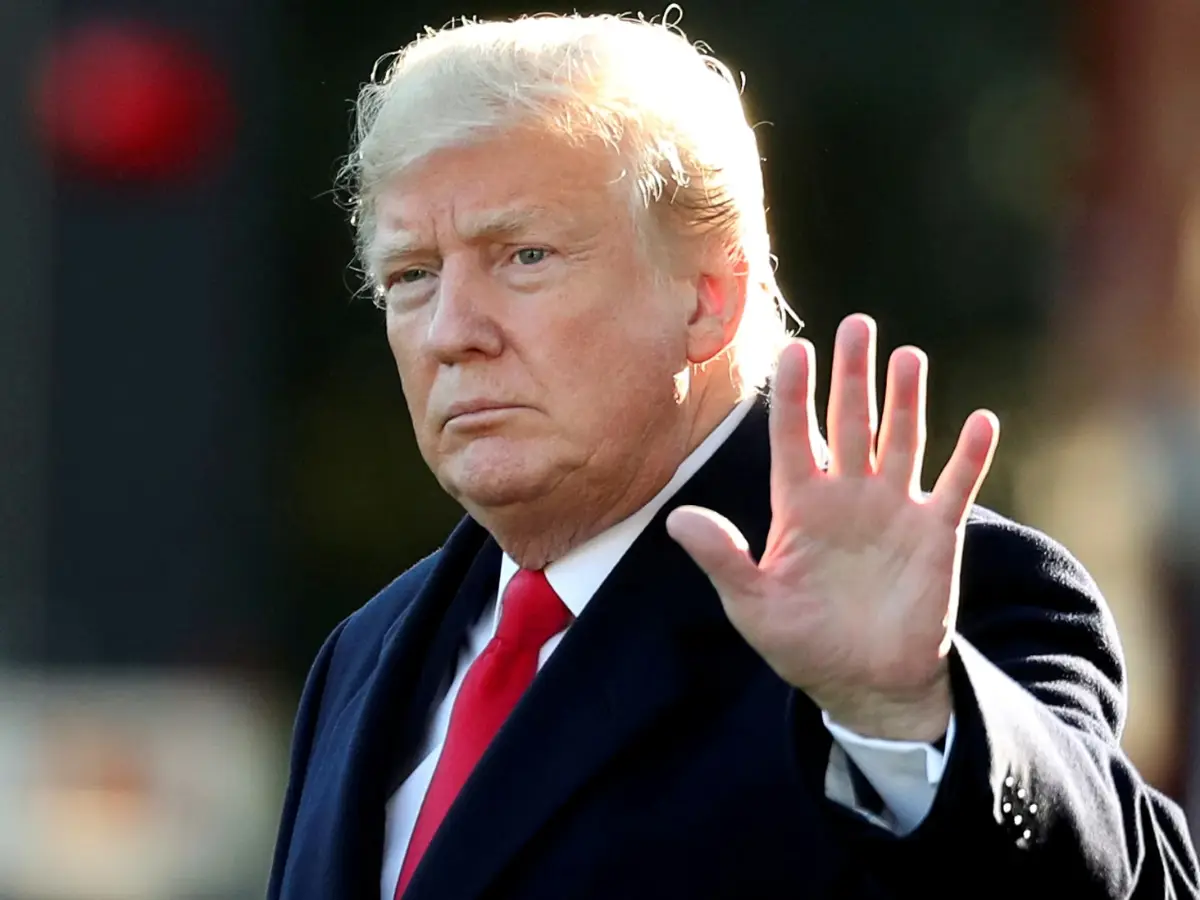
Amid this, Trump highlighted a lesser-known chapter in US-China relations. He said the United States gave “massive” support and shed “blood” to help China secure its freedom from a “very unfriendly foreign invader.” He criticised China’s current leadership for failing to acknowledge American support during the celebrations.
“Will Xi mention the MASSIVE amount of American support... Will he honour the MANY Americans who died?” Trump wrote.
Trending Stories
66 years of the Indus Waters Treaty: How India and Pakistan settled a bitter river dispute
)
West Indies Squad for India Series: Hetmyer included for T20Is, Holder rested
)
Trump says he'll build an 'AI Force' and appoint a czar, for 'high IQ' people only
)
US-Iran war: Tehran draws red lines — seven demands before any peace talks
)
Trump announces ‘AI Force’ as debate grows over AI risks and regulation
)
Mark Carney mimics Trump in hilarious moment over C$70 billion clean-energy investment; room erupts in laughter
)
9 women found dead near Johannesburg: South Africans rally, demand 'enough' to femicide
)
Gaza under attack: Health chief's son killed in IDF strikes
)
Saudi vs Houthis: Houthis claim missiles & drones used in attack on key Saudi sites
)
‘End of my career...’: NSA Doval recalls tense Sikkim mission when China captured Indian intelligence team
)
US-Iran war: Tehran sets seven conditions to re-engage in talks with US
)
AI actress Tilly Norwood glitches mid-interview, switches from English to Chinese | Watch
)
Arvind Kejriwal, family members, Delhi CM Rekha Gupta get SIR notices
)
Russia-Europe tensions: Polish PM warns Russian attacks could test NATO's unity
)
Russia holds first parliamentary elections since the beginning of the Ukraine war
)
Sikh bus driver assaulted, bus stolen and rammed into cars in England; video surfaces
)
China now makes advanced memory chips without the machines it was banned from buying
)
Aravana prasadam shortage at Sabarimala temple in Kerala triggers protests, TDB questioned
)
Report: Iran rebuilding Taleghan 2, nuclear site tied to past weapons research, hit twice by Israel
)
Nigeria: Protesters take to the streets, police fire shots
&im=FitAndFill=(700,400))
Meet top 5 Indian batters with fastest T20I centuries
)
Ed Sheeran addresses Macklemore's removal, Gaza conflict during Philadelphia concert: 'I cannot hide how I feel'
)
Russia's deadly Ukraine strikes kill 2 in Sumy, hit Dnipro mall
)
China may have gained access to US's classified F-35 jets; parts meant for repairs diverted to Hong Kong, sparking Pentagon inquiry
)
The Verdict | When precision fails: US commits war crime in Minab school strike, UN finds
)
'Were you here to sell chickpeas?': Wasim Akram criticises Babar Azam's captaincy
)
‘Will go to any extent’: Pakistan vows to defend Saudi Arabia amid Houthi attacks
)
Trump defends AI amid growing alarm, announces new 'AI force' and promises an 'AI czar'
)
Several petrol pumps, other businesses to refuse UPI payments above Rs 2,000 from Oct 16: Is it legal?
&im=FitAndFill=(700,400))
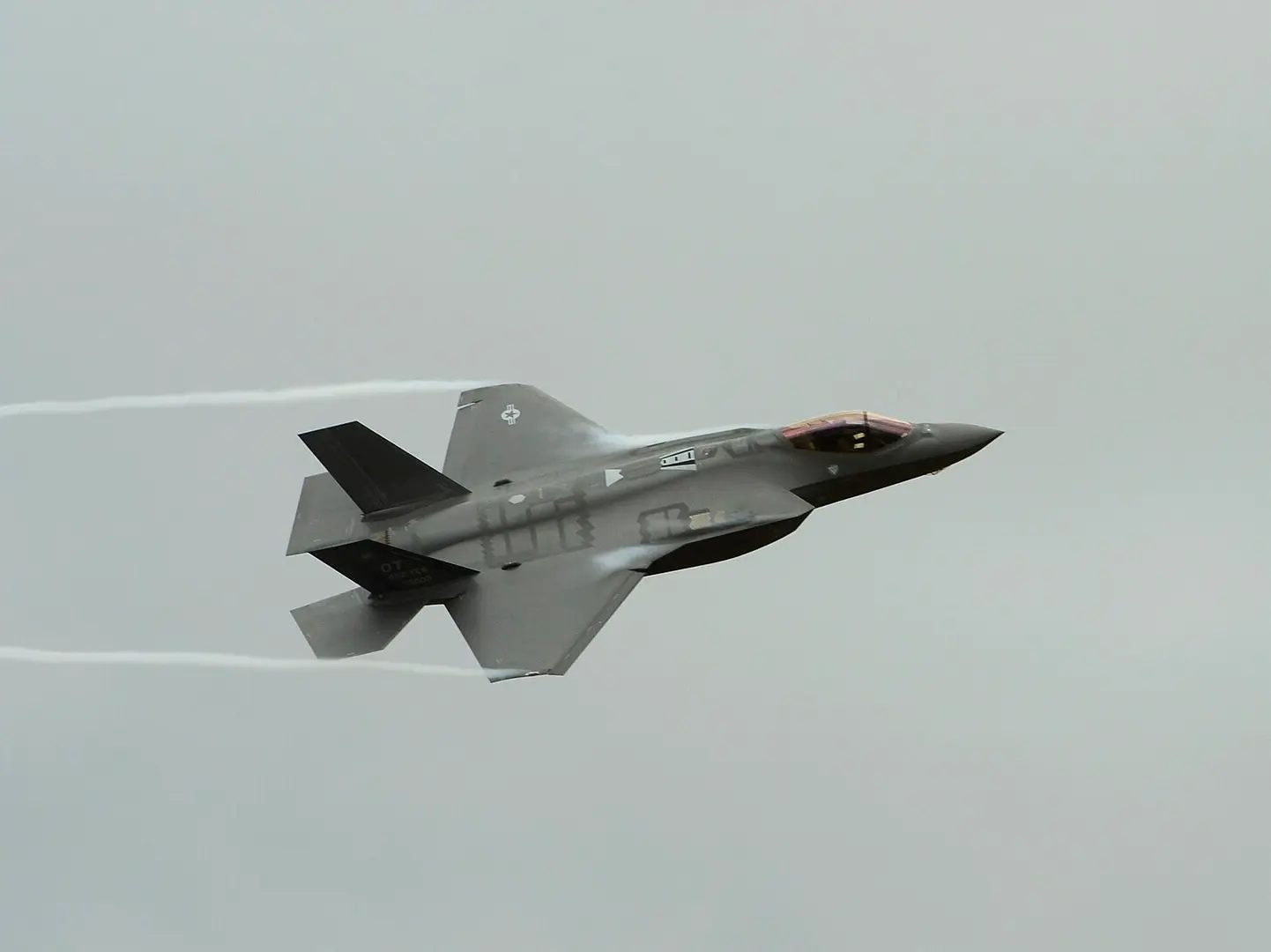
How many F-35s does Britain, Japan and Israel have?
)
Kampala-Ankara rift deepens: Uganda suspends military ties, seeks Fred Lumbuye's extradition
)
Raphinha hat-trick powers Barcelona to 3-1 win over Sevilla in La Liga
)
S Jaishankar, former Army chief among high-profile names issued Delhi SIR notices
)
Man breaks open wall hiding hundreds of books since 15 years
)
EXCLUSIVE | Singer Hanita Bhambri on her Toxic debut, working with Vishal Mishra and more
)
Harry Brook targets long reign at top of T20I rankings after Sri Lanka sweep
&im=FitAndFill=(700,400))
‘Not the US or China’: These are the countries leading the world in arable land
&im=FitAndFill=(700,400))
Before Extraordinary Minami Minami, these popular K-dramas got Japanese versions
)
Iran sets 7 conditions to end war with US: What are Tehran’s demands?
)
Reacher star Alan Ritchson opens up about alleged blackmail, suicide attempt during difficult period
)
The forgotten front: how American soldiers helped China fight Japan during World War II
The story begins in 1937, when Japan invaded China, beginning the Second Sino-Japanese War. At the time, China was a poor and fragmented country, facing a ruthless and technologically superior enemy. Japanese forces bombed Chinese cities, massacred civilians, and occupied vast swathes of Chinese territory. China resisted largely alone for several years, until the United States entered World War II following the attack on Pearl Harbor in December 1941.
From then on, the United States became a major ally of China, offering not only military and economic aid but also manpower and expertise in what became one of the most consequential and devastating theatres of the war.
American billions helped a bruised China
The United States provided over $1.6 billion in Lend-Lease aid to China between 1941 and 1945 — a staggering sum at the time, equivalent to over $25 billion today. The aid included aircraft, vehicles, ammunition, food supplies, and equipment. Several US military advisers were stationed in China to support and train the Nationalist forces led by Chiang Kai-shek. This support came despite the internal conflict between the Chinese Nationalists and the Communists. The two factions often clashed even as they both fought against the Japanese invaders.
The Flying Tigers: American pilots who defended China’s skies
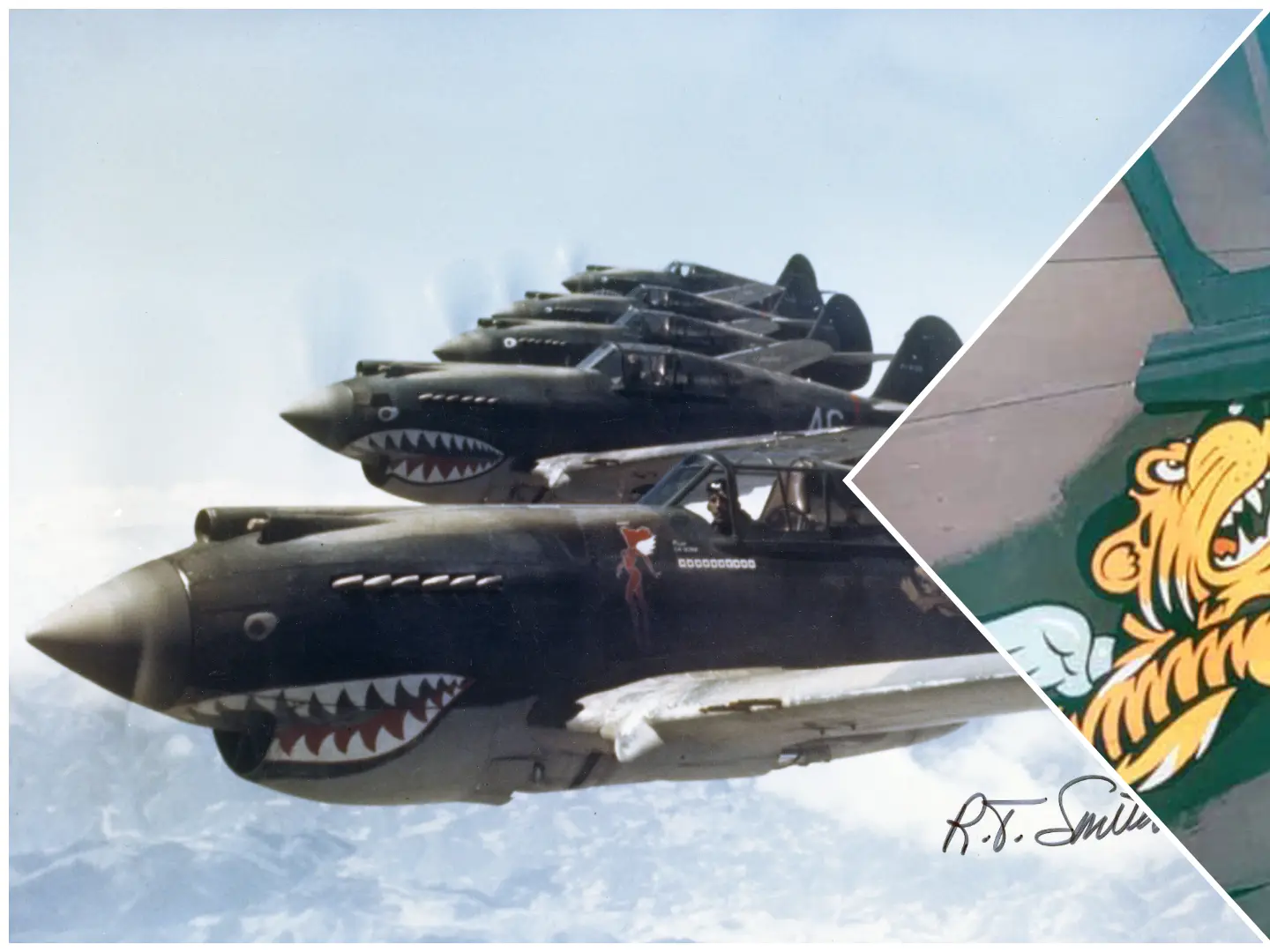
One of the most iconic symbols of American support during this period was the Flying Tigers — officially known as the American Volunteer Group (AVG). Comprising around 300 American pilots and ground crew, the Flying Tigers flew combat missions against Japanese aircraft from 1941 to 1942, often outnumbered and under-resourced.
Formed before the United States formally entered the war, the Flying Tigers became legends in both China and America. They are credited with destroying nearly 300 Japanese aircraft and played a critical role in defending Chinese territory from aerial assault.
The China-Burma-India Theatre: a gruelling campaign in which American troops supported China
While most Americans are familiar with battles such as Normandy and Iwo Jima, fewer know about the China-Burma-India (CBI) Theatre — one of the most challenging fronts of World War II. Around 250,000 American troops served in the CBI Theatre over the course of the war. They built infrastructure such as the Ledo Road to reconnect China with Allied supply lines, trained Chinese troops, and engaged Japanese forces in the dense jungles of Burma.
Units like Merrill’s Marauders — a US Army long-range penetration force — carried out dangerous missions to reopen the Burma Road, which had been cut off by Japanese forces. Though these battles occurred far from the Chinese heartland, they were vital to sustaining China’s resistance.
How many Americans died for China during the war against Japan?
Trump’s claim that Americans gave their “blood” for China is not inaccurate. During the Flying Tigers’ operations, around 20–25 American personnel died in combat or accidents prior to 1942. In the wider China-Burma-India Theatre, approximately 1,600 Americans died — including those lost in combat, from disease, or in accidents. Of these, historians estimate that around 500 to 1,000 deaths were directly tied to China-related operations, including air missions over Chinese territory and logistical efforts in support of Chinese forces.
While small in comparison to the 405,000 American deaths during World War II, these sacrifices remain significant — particularly in a theatre often neglected in Western historical narratives.
What did American military contributions mean for China?
The US played a vital role in helping China resist complete collapse under Japanese occupation. American support helped disrupt Japanese supply lines, weakened Japan’s strategic posture, and eventually contributed to its defeat — particularly after the US dropped atomic bombs on Hiroshima and Nagasaki in August 1945, prompting Japan’s surrender.
However, China’s liberation from Japan did not lead to peace. After the war, the Chinese Civil War resumed. By 1949, Mao Zedong’s Communist Party had seized control of the mainland, forcing the US-backed Nationalist government under Chiang Kai-shek to flee to Taiwan.
It is one of history’s many ironies that today’s People’s Republic of China — governed by the same Communist Party that played a relatively limited military role against Japan — now celebrates this victory, while the main burden of fighting during the war was borne by Nationalist forces, often with direct American support.
So, is Trump right about American contributions to China's defeat of Japan?
Mostly yes. While the tone of Trump’s Truth Social post was politically confrontational, the historical foundation of his claim is accurate. With that post, Trump drew attention to a neglected aspect of the Second World War — the extent to which American personnel, resources, and sacrifice helped China resist and eventually overcome Japanese aggression.
As US-China tensions continue to rise in the modern era, Trump’s reference serves as a reminder that today’s geopolitical adversaries were once, however briefly, allies — brothers in arms in a war that shaped the modern world.