&imwidth=800&imheight=600&format=webp&quality=medium "What's so hot? Two moon craters are hiding an ancient volcano that last erupted 3.5 billion years ago")
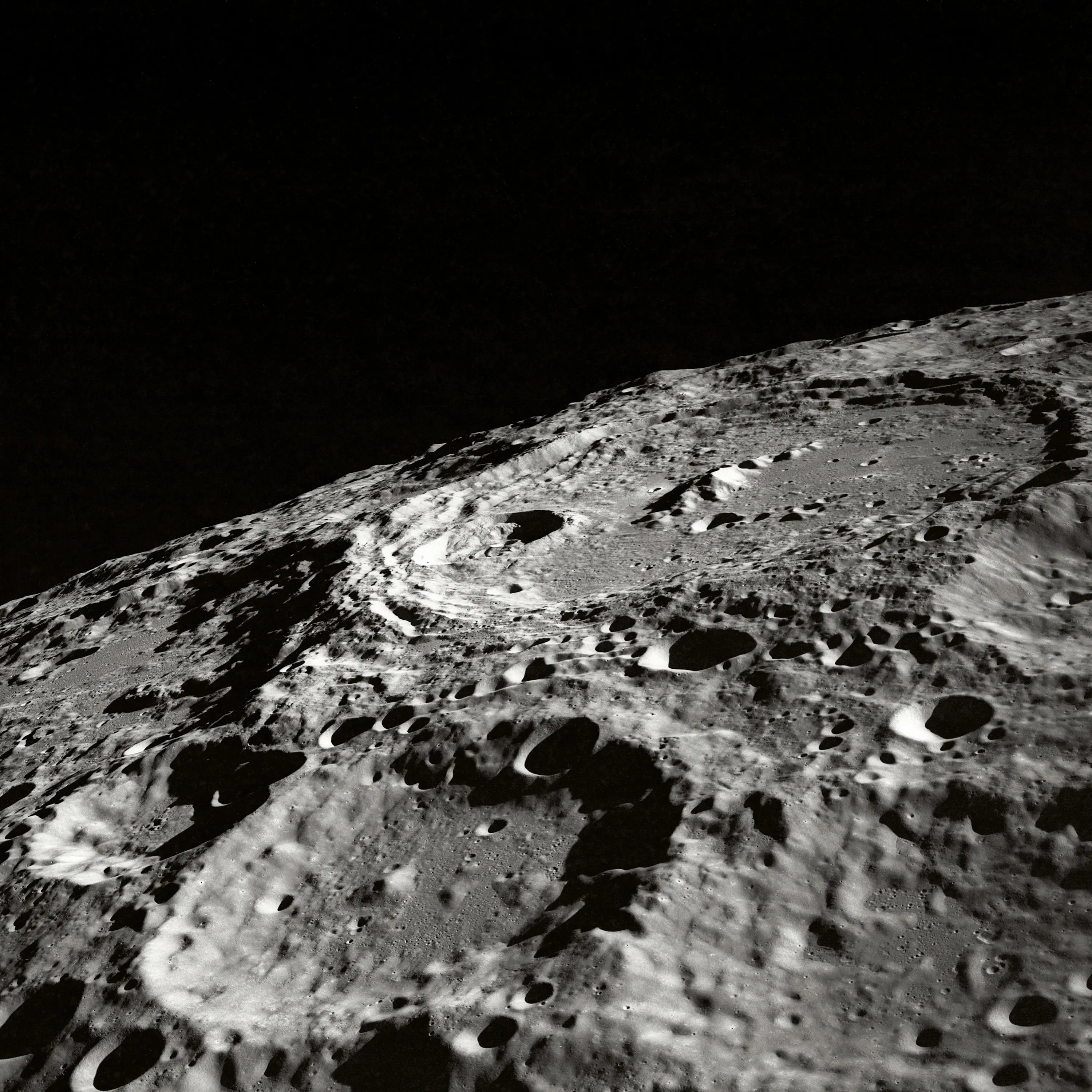
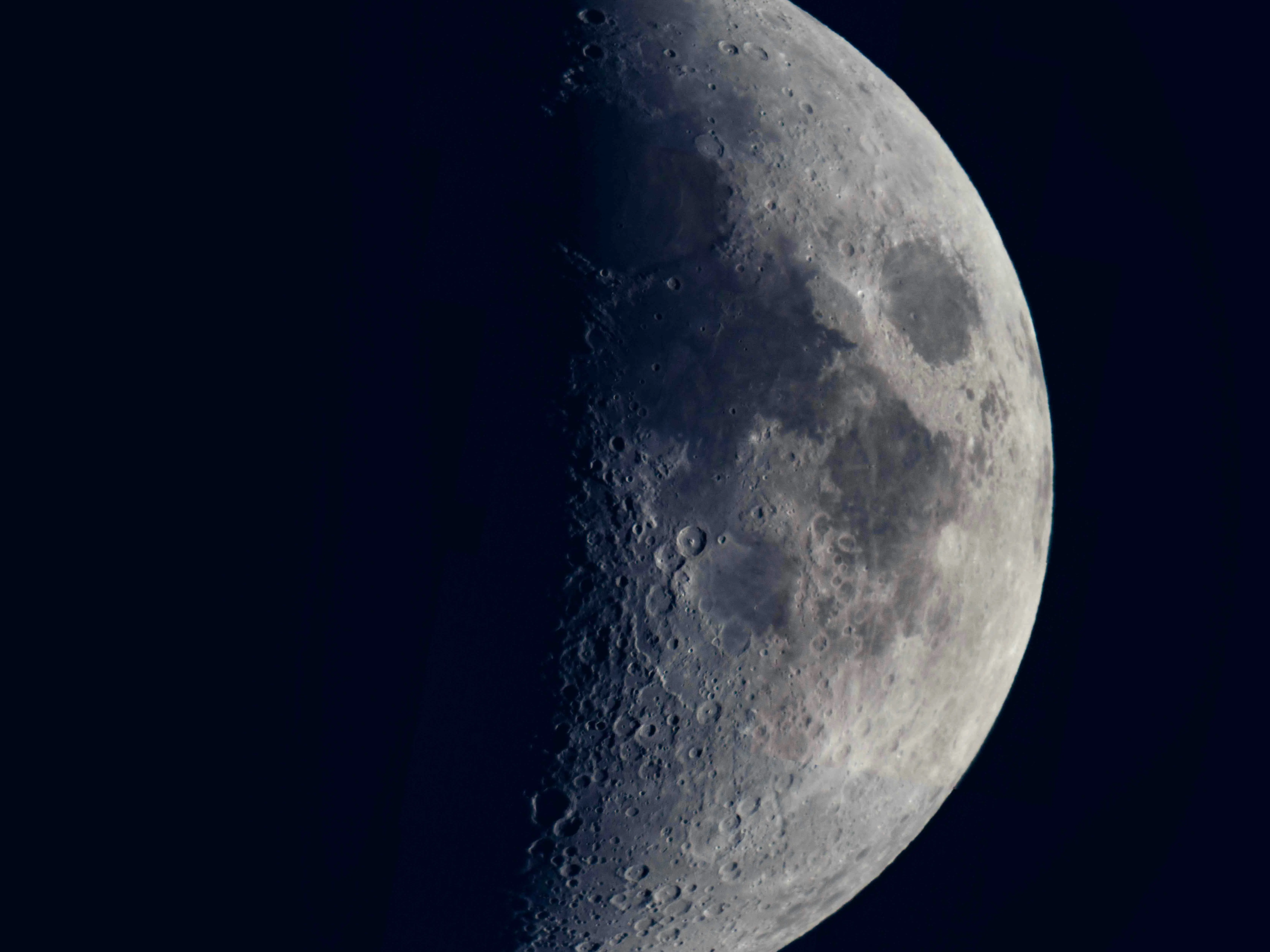
Scientists have found a mass under two craters of the Moon emitting heat, hinting at the presence of an object that is very rare outside of Earth. Volcanism has been identified on the lunar surface, with lava fields and eruptions common billions of years ago. However, these volcanoes were different from the ones found on Earth. But then one such was identified, with signs present beneath the Compton and Belkovich craters on the far side of the Moon. The object found on the Moon is granite, hardly ever found anywhere else but on Earth. The process of its formation involves a volcano where magma can cool down and crystallise, besides water and tectonics.
To see what lay beneath these craters and was emitting heat, the researchers used data from Chinese and American lunar orbiters. This led them to a volcanic process never seen before on the Moon, IFL Science reported. Co-lead researcher, Dr Matt Siegler, of the Planetary Science Institute, said in a statement, that an instrument on both the Chinese Chang'E 1 and 2 orbiters helped the team map temperatures below the surface. “What this means is that it is hot, not necessarily at the surface, as you would see in infrared, but under the surface," he added. This means that there is extra heat coming from somewhere below the feature within the deeper lunar crust. "So Compton-Belkovich, thought to be a volcano, is also hiding a large heat source below it," Matt said.

Warmer surface exposed a volcanic area
This volcanic surface spans 20 kilometres, is rich in silicon and is believed to be the caldera of this ancient volcano. The last eruption supposedly happened 3.5 billion years ago, yet this portion is 10 degrees Celsius warmer than the nearby areas. Scientists think this heat is from radioactive elements that got stuck in the rocks. "We interpret this heat flux as resulting from a radiogenic-rich granite body below the caldera," Dr Siegler said.
Trending Stories
)
'Hellish' wildfires burned through Europe for 300,000 years after supercontinent Pangea broke up
)
No Pandya as Auqib Nabi earns maiden ODI call-up; Mayank returns for WI T20Is| check full squads
)
Trump praises India’s Opium crackdown, hails anti-drug efforts
Mandakini breaks silence on Dawood Ibrahim photo: 'I was not invited by him'
)
Former India player Diana Edulji wants Smriti Mandhana to replace Harman as skipper at the earliest
)
Trump calls Canada-EU associate membership plan ‘laughable’ and threatens 'very serious tariffs'
)
Protests erupt over migrant housing plan in Piddington
)
India can scale up Finland’s circular solutions, minister Multala says
)
240-million-year-old bizarre 'pig with a tusk' creature creates new dilemma over origin of dinosaurs
)
Europe wants a common playbook for security threats, seeks security beyond NATO
)
All Indian goods to get duty-free access to New Zealand
)
Formula One reveals the 2027 race calendar; Monaco to host sprint race for the first time
)
Bigg Boss 20: Mahhi Vij reveals she lost Yuva role to Kareena Kapoor; 'didn’t work out in my favour'
)
Lionel Messi for 2026 Ballon d’Or over Mbappe and Yamal, says Diego Simeone
)
US House votes 417-3 to pass Ratepayer Protection Act targeting AI data center electricity costs
)
Hong Kong unveils 11 new measures to boost birth rates, offers higher cash bonuses and housing perks
)
Former OpenAI researcher warns of growing risks from Artificial Intelligence
)
Veteran actor Anant Nag honoured with Indian cinema’s highest award
)
Wildfire tears through forests in Spain's Valencia
)
AUS vs SA: Steve Smith still gets 'little flashbacks' from sandpaper gate
)
Pakistan naval vessel returns to harbour with 'severe damage' after collision with Indian warship in Arabian Sea
)
Fed raises rates for first time in 3 years, Kevin Warsh defies Trump as inflation mounts
)
Katrina Kaif’s postpartum weight is not the problem; your gaze is
)
Daayra movie review: Kareena Kapoor, Prithviraj Sukumaran shine in Meghna Gulzar’s cop-versus-cop crime thriller
)
Saudi Vs Houthis: Yemeni military rebels clash with Houthis
)
Pak batter Rizwan's petition against being questioned by cyber crime agency rejected by court
)
US trade tariff: 100% tariff targets Russian buyers amid trade tensions
)
Pakistan: Imran Khan's sons Kasim & Sulaiman claim their father is 'tortured' in jail
&im=FitAndFill=(700,400))
New OTT releases this week (September 14-20, 2026): Lust Stories 3, Waiting Hai, Irumudi- 5 new titles coming on Netflix, Prime Video and more
)
Ebola outbreak: WHO sees encouraging signs in fight against Ebola outbreak
)
Trump gets new power to hit India, China with up to 100% tariffs as US Senate clears Russia sanctions bill
)
‘Imagine 50 AI fighters cornering one manned jet’: India’s mobbing doctrine eyes a new era of air warm
)
Saudi vs Houthis: Riyadh claims to have shot Houthi drone targeting Mecca
)
US Treasury rallies global financial institutions for Op Economic Outcast to isolate Iran
)
Want to get married within a year? Why 18 lakh people rush to Jaipur for ‘sacred henna’
)
Pakistan boycotts chess match against Israel at Olympiad
)
UN General Assembly 2026: What is veto power. Which countries have it and how does it work?
&im=FitAndFill=(700,400))
Suriya and Jyothika say ‘I do’ again after 20 years! See their dreamy wedding pics
)
Abhishek Sharma rises to No. 2 in T20Is; ENG’s Robinson 3rd after record Pakistan Tests
)
Laura Wolvaardt sets new world record for most WT20I runs in a year
)
The Early Spring season 2 is happening, but fans have one request - 'don't change the actors'
)
His wife, Dr Rita Economos, a geochemist, explained that what they have found is a "50km wide batholith". It is a "type of volcanic rock that forms when lava rises into the earth's crust but does not erupt onto the surface." This discovery of granite in one region on the Moon opens the possibility of finding it in other lunar areas, and even on more cosmic bodies.