&imwidth=800&imheight=600&format=webp&quality=medium "Mysterious deep space radio signal detected in 2025 has no reasonable explanation")
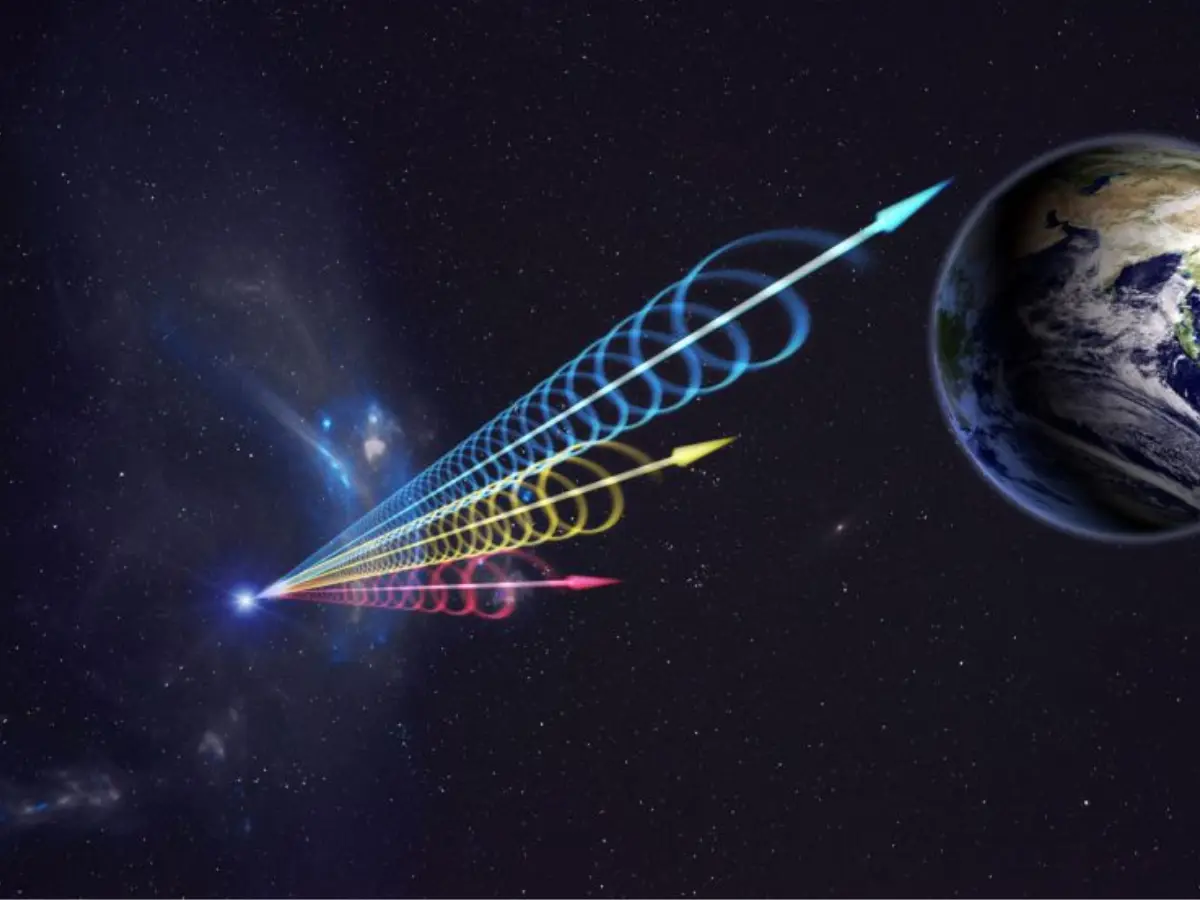
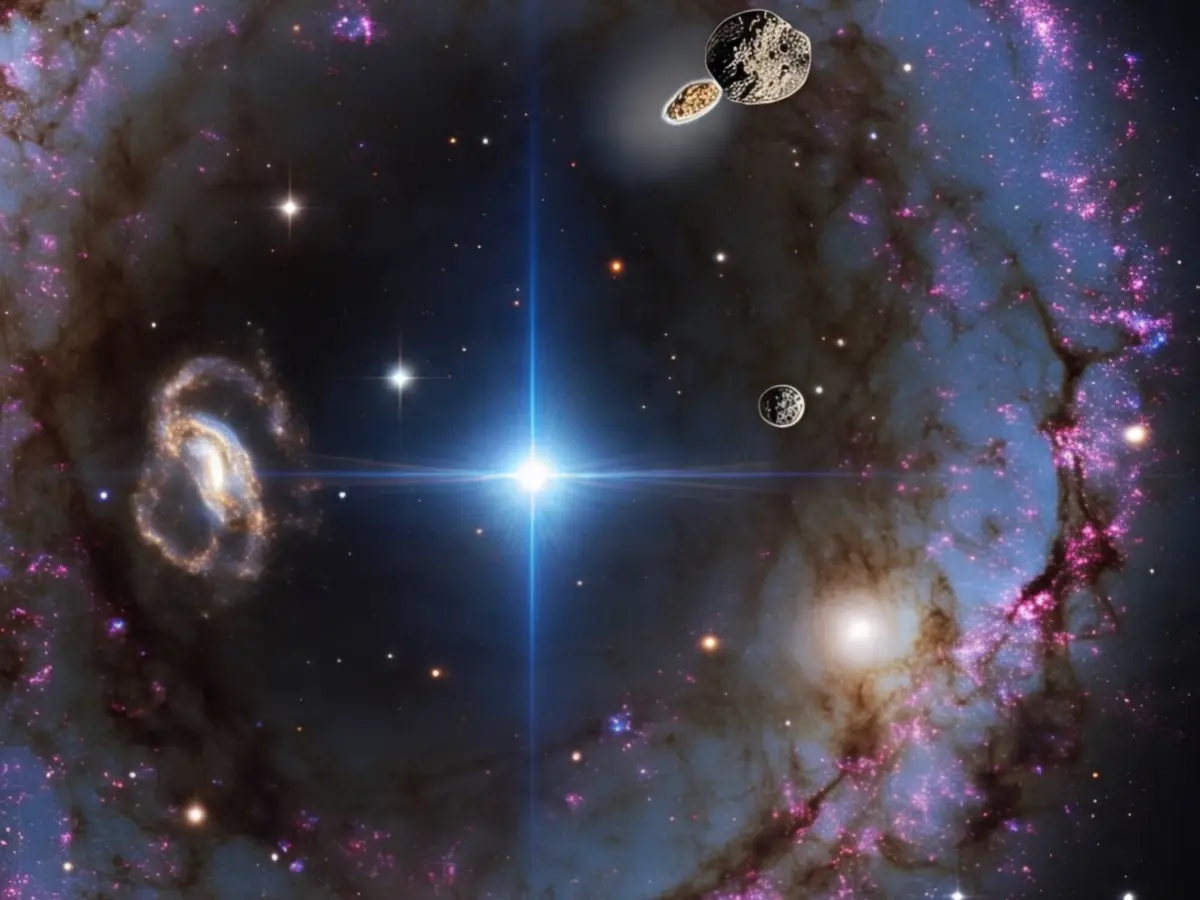
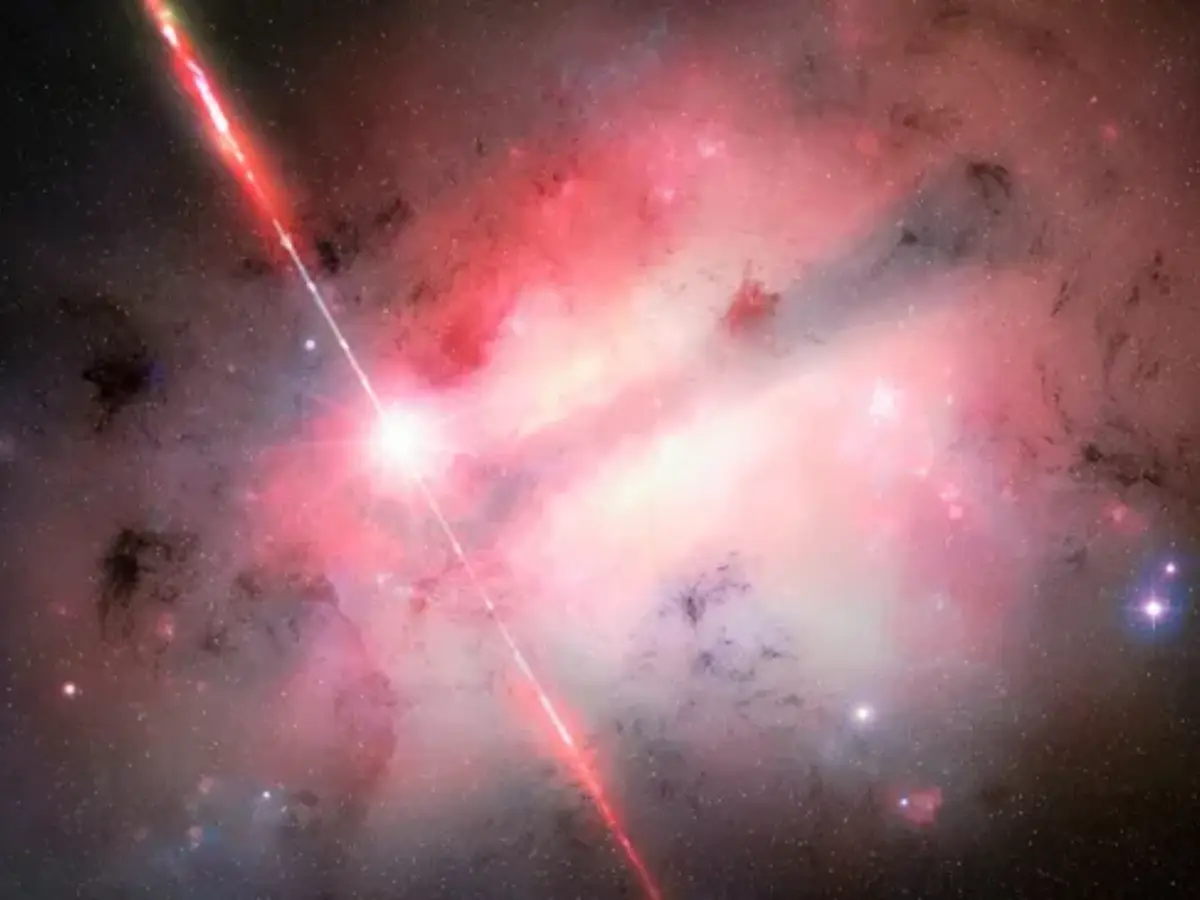
NASA's Fermi Gamma-ray Space Telescope spotted an unusually long gamma-ray burst (GRB) on July 2, 2025. It was unlike anything ever since, even though GRBs are quite common. This one lasted seven hours on and off, releasing bursts every few seconds. Scientists were excited to see what was going on and so started observations using on-ground telescopes. They wanted to know its origin and why it was behaving so differently from most GRBs. They concluded that it was the longest gamma-ray burst ever recorded and likely came from an explosion that no one had recorded. Named GRB 250702B, the event travelled at least 99 per cent of the speed of light, sending cosmic material in our direction. The observation was published in The Astrophysical Journal Letters on November 26.
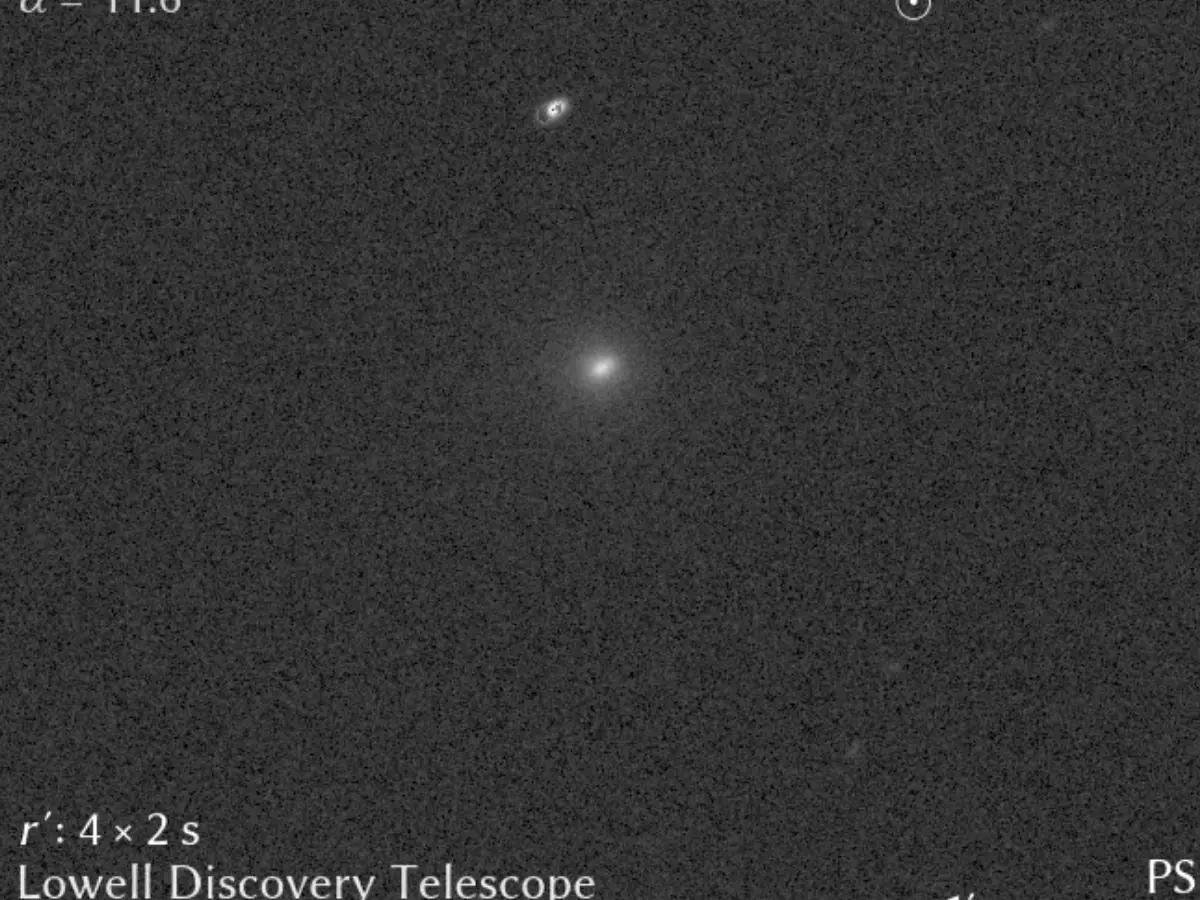
Figuring out what was going on in this distant point in space wasn't easy. The researchers turned to the most advanced telescope on Earth, including the Gemini telescopes in Chile and Hawaii, the Very Large Telescope in Chile, the Keck Observatory in Hawaii, and the Hubble Space Telescope. The GRB was observed in various wavelengths of light to learn about its true nature. Various analyses showed that GRB 250702B originated 8 billion light-years away in a dusty galaxy. This is astounding since the radio signal had to pierce through a thick blanket of material that blocks all visible light to reach our solar system.

Where did the radio signal originate?
The telescopes could only detect infrared and high-energy X-ray wavelengths because of the cloud of dust, and the signal was invisible in ordinary light. The cause of the GRB remains a mystery, as the researchers have a few possible explanations, but are unsure which one is correct. "This was the longest gamma-ray burst that humans have observed — long enough that it does not fit into any of our existing models for what causes gamma-ray bursts," Jonathan Carney, lead author of the study, said in a statement.
Trending Stories
)
Justice eludes Air India 1985 bombing victims as Canada probe goes 'inactive' | Gravitas
)
Trump revives India-Middle East-Europe economic corridor as India emerges central to West Asia’s future: What is it?
)
Erdogan again raises Kashmir issue at UNGA, calls for dialogue under UN Charter
)
Trump signs Greenland security deal with Denmark, paving way for two new US military bases
)
Most Americans want greater federal AI oversight
)
IND vs JPN T20I: How an overturned wide became point of difference between India's win and a tie
)
Trump-Xi summit: From trade to Taiwan, what will the US and Chinese presidents discuss in Washington?
)
Cyclone Arnab: Landfall expected before midnight tomorrow as IMD issues orange alerts across six states
)
ICC plans T20I expansion and fewer ODIs in 2027–2031 FTP cycle: Report
)
US-China tech war: Businesses in the front line
)
'Mumma’s boy from Gwalior who dared to dream': Kartik Aaryan pens long note after first National Award win
)
Gravitas | Boosting NHS productivity could save 20,600 lives in UK annually: Report
)
Nor'easter could batter 13 US states this week. What you should know
)
US and China vie for AI dominance as calls grow for regulation | Gravitas
)
Yemen clashes kill 154 people in two days as cornered Saudi battles Houthi offensive | Gravitas
)
Bomb scare in New York amid UNGA: Suspicious suitcase found near UN headquarters
)
IND vs JPN, one-off T20I: Japan captain Kendel on pushing India to the brink - ‘It was special’
)
Raaka creates history! Allu Arjun’s film secures Guinness World Record ahead of release
)
Mikel Arteta verbally agrees to three-year extension with Arsenal after title-winning Premier League season
)
WION Iconic Tourism Summit and Awards 2026: Key voices to discuss India’s tourism future
)
WION Iconic Tourism Summit and Iconic Awards 2026: India's travel economy leaders gather in Delhi
&im=FitAndFill=(700,400))
New OTT releases this week (September 21-27, 2026): Shaque: Trust No One, Hunkkaar, Don’t Be Shy- 5 new titles coming to Netflix, Prime Video and more
)
81st UN General Assembly: Burnham announces UK-US AI defence tie-up
)
Trump calls on nations to quit ‘rogue’ and ‘out-of-control’ International Criminal Court, rips UN
)
Infections transmitted from pregnant woman linked to autism risk
)
'What kind of confession is this?': Pakistan PM Shehbaz Sharif’s 'terrorists would be roaming New York' remark goes viral, raises alarm online. Watch
)
Elephants hide behind trees, stage surprise attack on poachers targeting rhinos in South Africa
)
IIT Bombay professor Suryanarayana Doolla sent on leave amid Sahil Wakode death probe
&im=FitAndFill=(700,400))
National Film Awards 2026: Kartik Aaryan, Mammootty, Yami Gautam, Randeep Hooda and other key winners
)
‘Strike a deal or drive Iran into hell’: Trump issues fresh warning to Tehran at UNGA
)
Anne Hathaway to run in supporting race for Nolan's epic
)
Over 4,200 books withdrawn from circulation in J&K colleges, 94% from Kashmir
)
From Gaddafi tearing up UN Charter to Trump’s ‘escalatorgate’: Most unforgettable UNGA moments
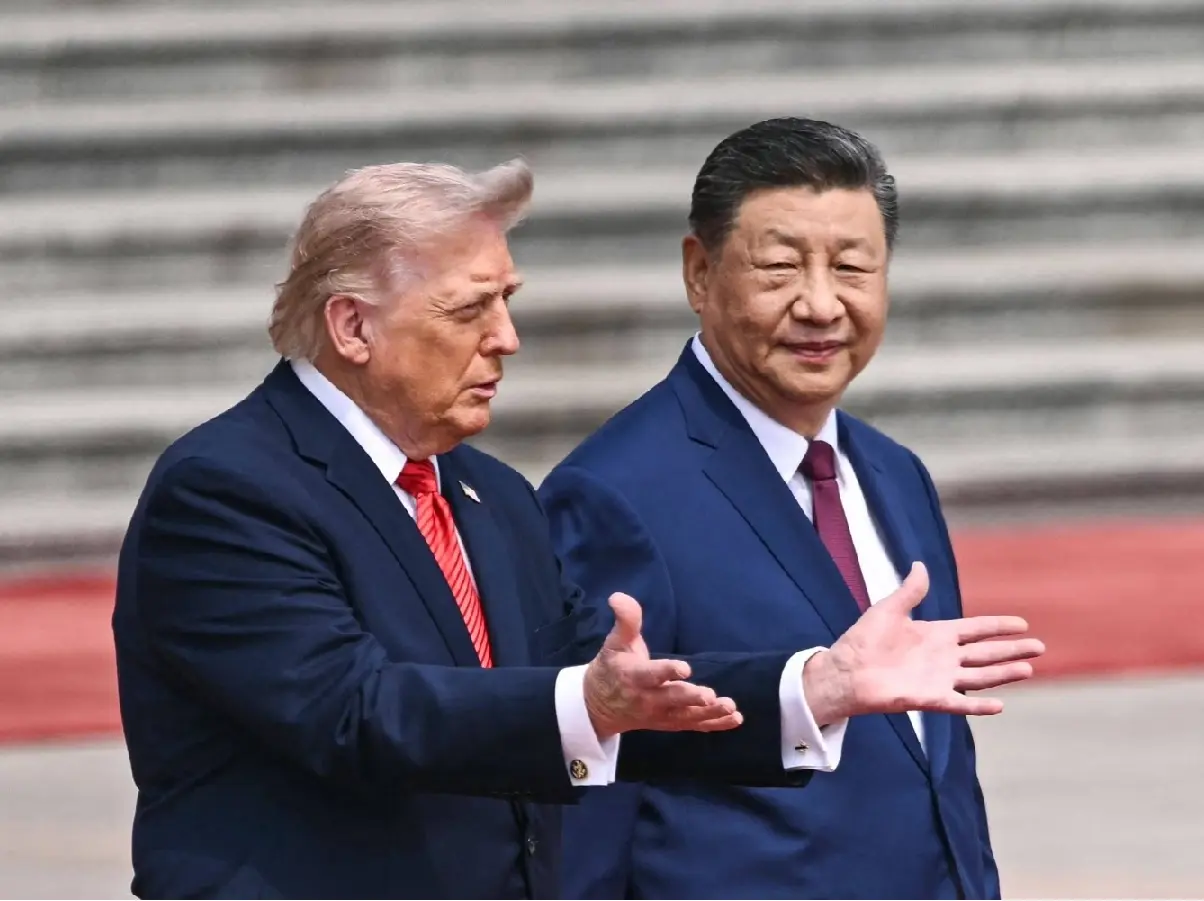)
Explainer: Why rare-earth export licences and Board of Trade are US priorities ahead of Trump-Xi summit
)
Asia prepares for record El Nino, food shock
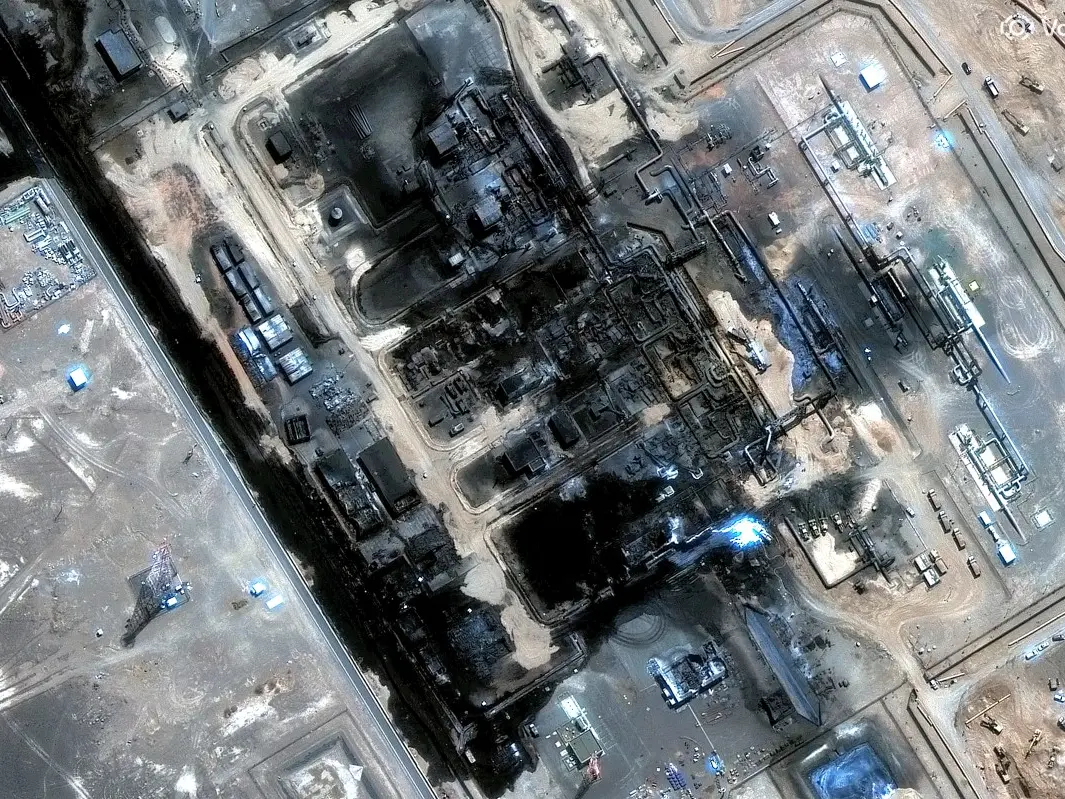)
Oil slips to $98 as Saudi Arabia restarts East-West oil pipeline
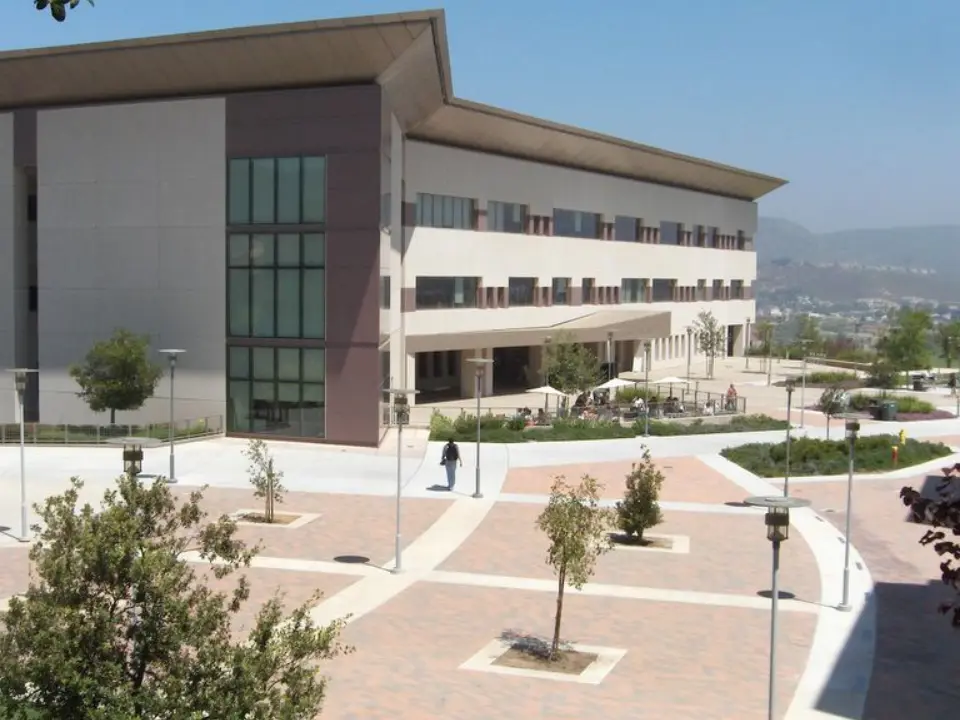)
Four female students raped during 'Red Zone' at California university. What we know
)
'Taiwan and human rights are red lines': China warns US ahead of Xi-Trump visit
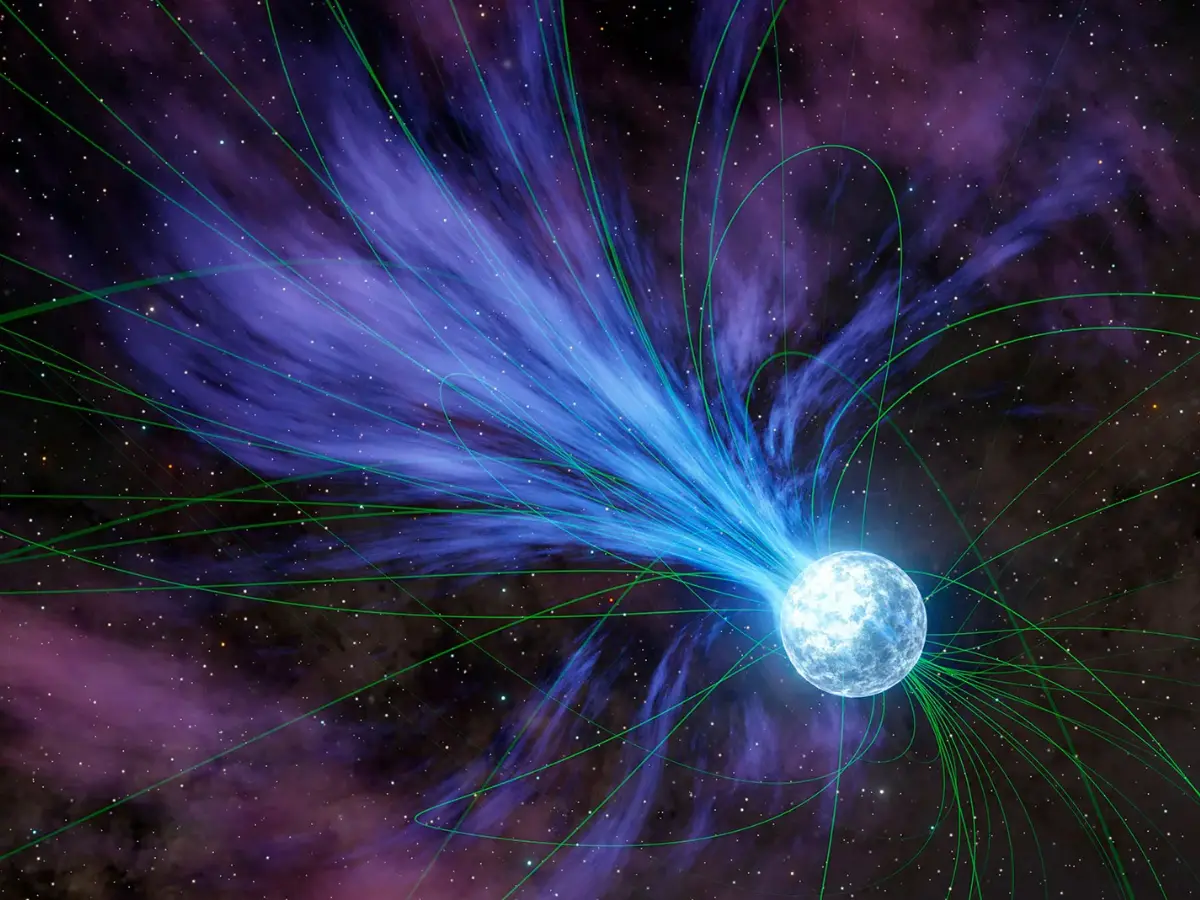
The scientists presented three possible events: the death of a massive star, a black hole gorging on a star, or the merger of a helium star and a black hole, which causes an explosion when the black hole moves into the core of the massive star. "But we can't yet tell which explanation is correct," Carney said, adding that GRB 250702B will now act as the primary event to which similar future occurrences will be compared.