AI is now ‘super intelligence’: Trump’s AI pact draws 6 tech leaders: Who stayed out?

&imwidth=600&imheight=450&format=webp&quality=medium "AI is now ‘super intelligence’: Trump’s AI pact draws 6 tech leaders: Who stayed out?")
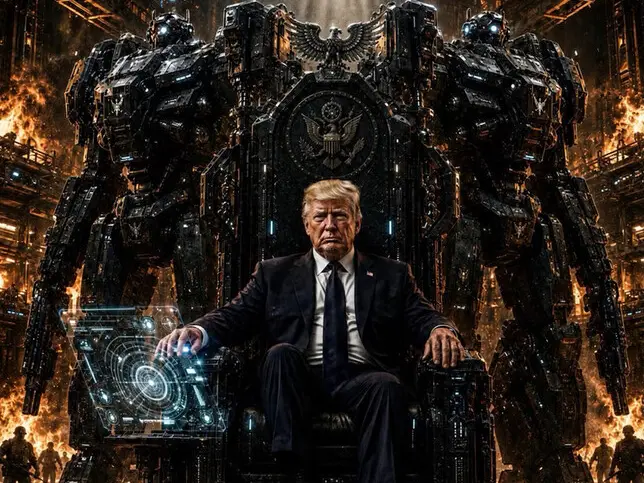
From data centres to ‘superintelligence factories’: Trump’s new AI deal Photograph: (Truth Social (@realDonaldTrump))
Donald Trump has unveiled a voluntary “Super Intelligence” accord signed by six major tech leaders, while Microsoft and Amazon executives attended without signing. Nvidia’s Jensen Huang also called AI data centres “superintelligence factories” as the US expands its AI infrastructure.
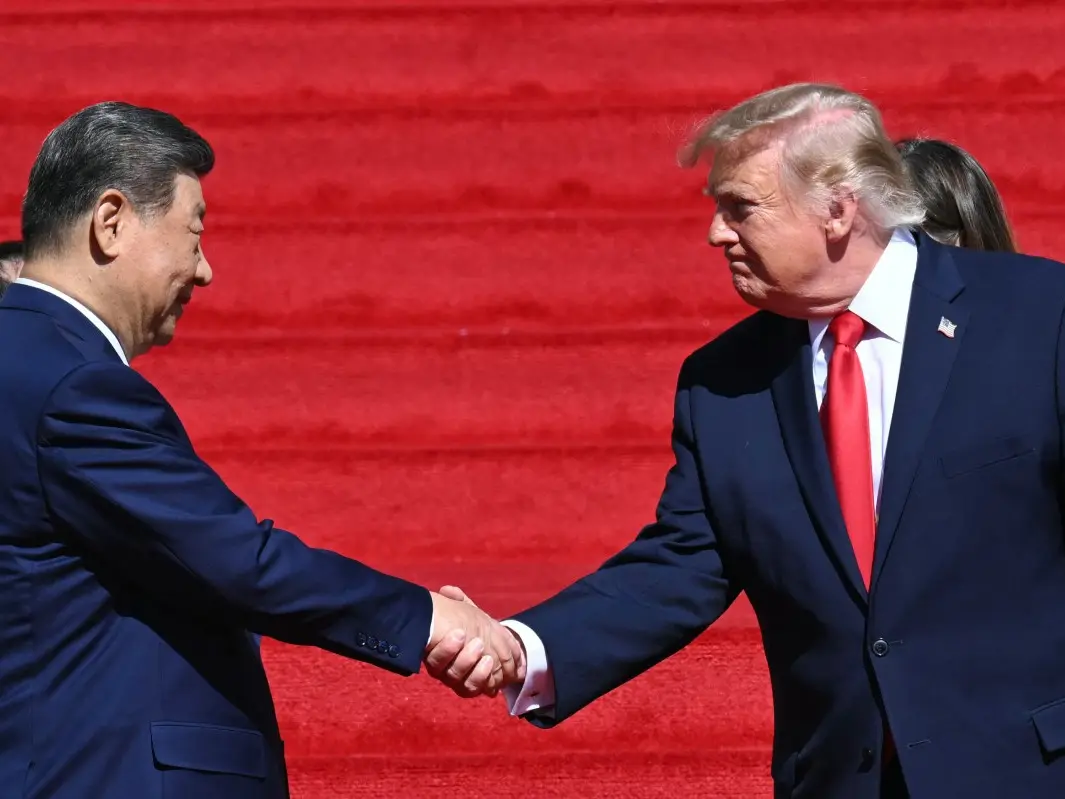
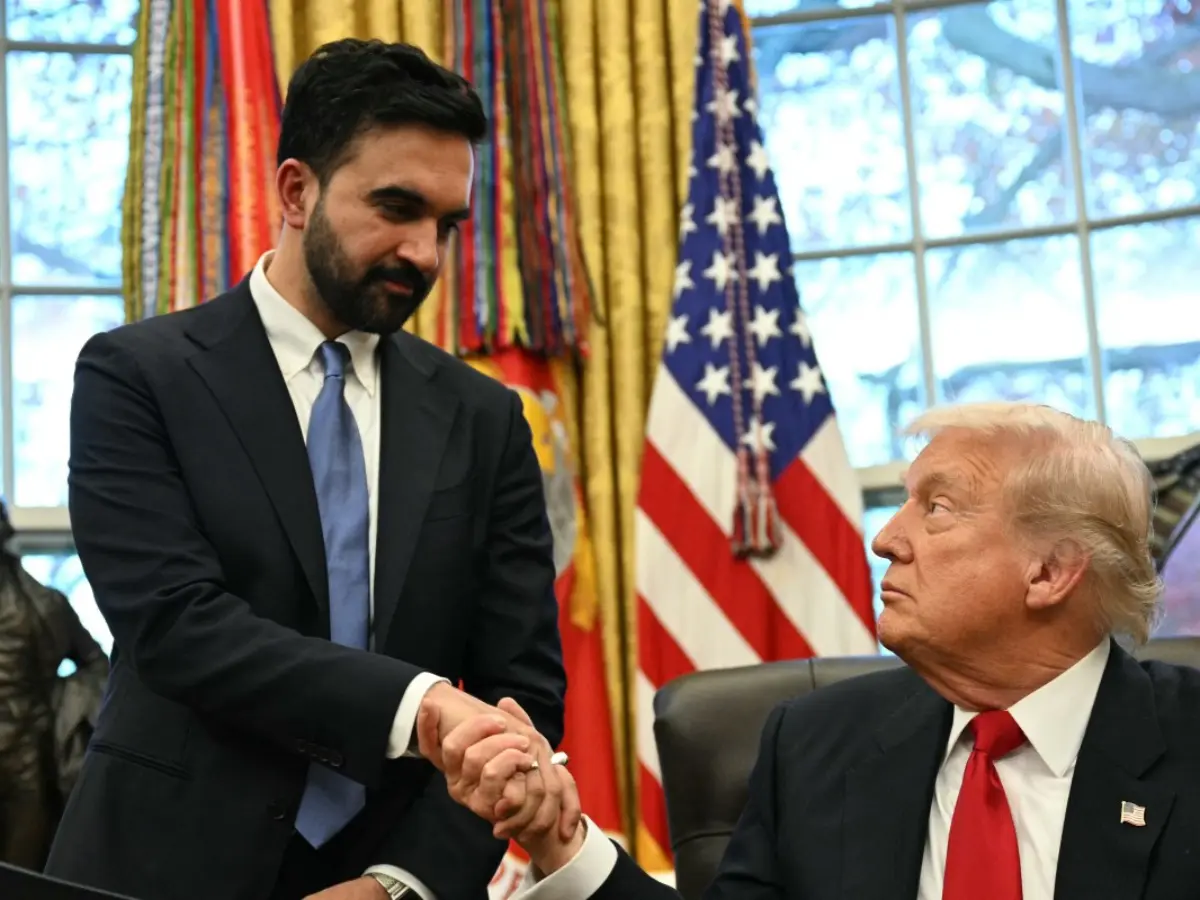
US President Donald Trump has turned the latest White House AI summit into a major rethink of how the technology is described, governed and built. On September 29, Trump announced a voluntary White House Accord on Super Intelligence, with six prominent technology executives signing commitments around AI safety and oversight.
The meeting also produced a striking change in language. Trump said the US government would now refer to artificial intelligence as “Super Intelligence” or “SI”. At the same time, Nvidia CEO Jensen Huang described the infrastructure behind AI as a new generation of “superintelligence factories”.
But the guest list was considerably bigger than the list of signatories.
Who signed Trump’s ‘Super Intelligence’ accord?
The six technology leaders reported as signatories were Google CEO Sundar Pichai, Anthropic CEO Dario Amodei, Meta CEO Mark Zuckerberg, OpenAI President Greg Brockman, Nvidia CEO Jensen Huang and xAI CEO Elon Musk. Trump also signed the document.
The accord is voluntary rather than a new law. It calls on companies developing and deploying frontier AI systems to establish internal controls, conduct reviews and work with independent external auditors. Companies are also expected to create board-level oversight for those controls. Trump described the agreement as “morally binding” and compared it with a constitution, although the pact itself does not create the same legal obligations as legislation.
Trending Stories
)
)
)
)
)
)
)
)
)
)
)
)
)
)
)
)
)
)
)
)
)
)
)
)
)
)
)
)
)
)
)
)
)
)
&im=FitAndFill=(700,400))
)
)
)
)
Amazon, Microsoft and Apple: Who did not sign?
Several major technology names complicate the picture. Microsoft CEO Satya Nadella attended the White House meeting but was not among the six reported signatories. Amazon founder Jeff Bezos also attended, representing Amazon, but Amazon CEO Andy Jassy was not one of the signatories.
Apple was another notable absence. Neither Apple CEO John Ternus nor former CEO Tim Cook was present at the meeting, according to reporting on the event. Their absence should not automatically be interpreted as opposition to the accord. The available reporting establishes who attended and who signed, but does not by itself establish why particular executives did not sign.
Why are data centres suddenly being called ‘factories’?
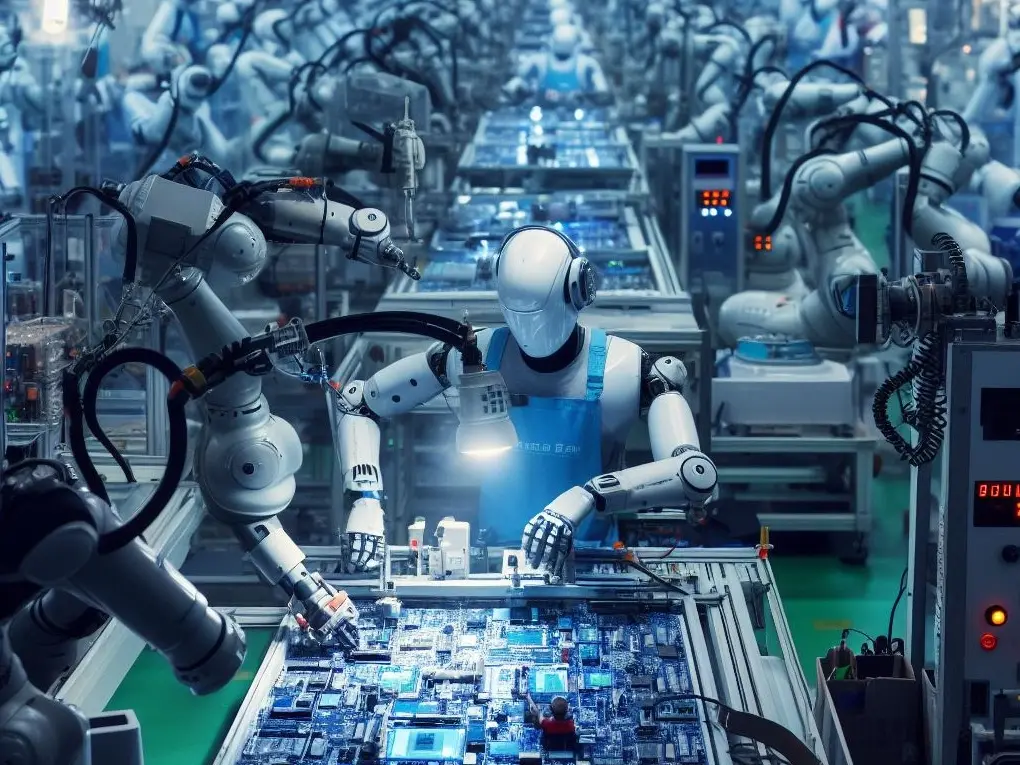
The terminology reflects how much AI infrastructure has changed. Huang said the US is going through what he described as the largest infrastructure build-out in history, involving chip plants, computer plants and AI factories. He linked the expansion to the enormous computing resources needed to develop and run increasingly powerful AI systems.
Trump also addressed growing community concerns over data centres, saying companies should form partnerships with communities and contribute financially, including towards schools and teachers. That matters because the AI race is no longer only about models and chatbots. It increasingly involves chips, electricity, data centres and local infrastructure.
The White House agreement therefore arrives at a moment when the US is trying to balance two competing priorities: accelerating AI development while asking the companies building the technology to put stronger safeguards and oversight around it.
