Covid threatens Everest climbing comeback plans as infections rise


File photo of a Mount Everest climber
More than 30 sick climbers have been evacuated from the foot of MountEverest, raising fears that coronavirus may scupper a hoped-for bumper season on the world's highest mountain.
Nepal's tourism industry suffered a devastating blow last year when the pandemic prompted a complete shutdown of its summits, costing millions in lost revenue.
This year authorities have eased quarantine rules in an effort to lure back foreign adventurers and have issuedclimbingpermits to more than 400 people, a new record.

Also read-COVID-19: Mt Everest climbers show symptoms, officials dismiss reports of possible outbreak
AnEverestpermit alone costs $11,000 and climbers pay upward of $40,000 for an expedition.
But the warmer weather that ushers in safer conditions for scaling Nepal's dangerous, snow-capped peaks has coincided with a deadly second wave ofCovid-19 infections, with active cases in the country rising six-fold in the last two weeks.
)
‘0% chance’: Nvidia CEO Jensen Huang dismisses AI extinction fears by 2030
)
Trump says he'll build an 'AI Force' and appoint a czar, for 'high IQ' people only
)
BTS' fans question iHeartRadio’s treatment of group after brief festival set
)
AI actress Tilly Norwood glitches mid-interview, switches from English to Chinese | Watch
)
S Jaishankar, former Army chief among high-profile names issued Delhi SIR notices
)
'Were you here to sell chickpeas?': Wasim Akram criticises Babar Azam's captaincy
)
CDU suffers historic defeat in eastern Germany as AfD surges, Merz vows to stay on
)
Iran sets 7 conditions to end war with US: What are Tehran’s demands?
)
Glitch in the matrix caught on camera: Woman vanishes after talking to reporter
)
Fleming's aspirations as England Test coach include WTC, top ranking and Ashes
)
Pilot recreates Mona Lisa in sky over Oklahoma and Arkansas in four-hour flight: VIDEO
)
J&K Assembly Session begins amid chaos: BJP, ruling alliance clash as statehood demand dominates
&im=FitAndFill=(700,400))
Gulshan Grover turns 70: Ram Lakhan, Gangster, Hera Pheri- Must-watch movies of the actor on OTT platforms
)
Noel Tata challenges Chandrasekaran’s reappointment as Tata Sons chairman. What happened at the board meeting
)
US ships in Indian Ocean ‘will be attacked’ if war resumes, warns Iran
)
Punjab man consumes poison outside DC office; Congress, BJP target AAP government
)
Chancellor Friedrich Merz vows to stay on as exit polls signal major poll setback
)
ICE shooting in Texas leaves man seriously injured; officials demand independent investigation and transparency
)
Italy moves to ban face veils in schools as Meloni pushes new integration measures
)
Putin's United Russia party wins 355 seats in Duma election; 4 other parties cross threshold to enter parliament
)
TIFF 2026: Theja Rio’s Angh wins Platform Prize, puts Nagaland story on global stage
)
Bessent meets China’s He Lifeng to prepare for Trump-Xi summit
&im=FitAndFill=(700,400))
Kareena Kapoor birthday special: Inside her net worth, best movies, luxurious lifestyle and love story with Saif Ali Khan
)
Trump-Xi summit: US Treasury Secretary holds meeting with Chinese Vice Premier
)
Delhi: Flagged voters remain on the draft roll but face hearings
)
China now makes advanced memory chips without the machines it was banned from buying
)
'Lot of things to learn from experienced players': Jayasuriya backs Rohit, Virat for 2027 ODI World Cup
)
Operation Sindoor’s hidden naval dimension | MoD reveals Indian Navy Special Forces joined May 7 strikes
)
Delhi Air pollution: Strict crackdown on waste burning
)
Saudi vs Houthis: Houthis claim missiles & drones used in attack on key Saudi sites
)
Saudi Arabia exits China-led mBridge digital currency platform amid Saudi-Houthi conflict
&im=FitAndFill=(700,400))
What TSMC's 2nm technology means for Apple
)
Samsung raises Galaxy S26 prices by Rs 20,000: Here’s what each model now costs
)
Several petrol pumps, other businesses to refuse UPI payments above Rs 2,000 from Oct 16: Is it legal?
)
Mahabharat actor Saurav Gurjar arrested in Hyderabad, sent to 14-day judicial custody in sexual exploitation case
)
Jailer 2: Vidya Balan joins Rajinikanth's upcoming film as Kantha | Watch
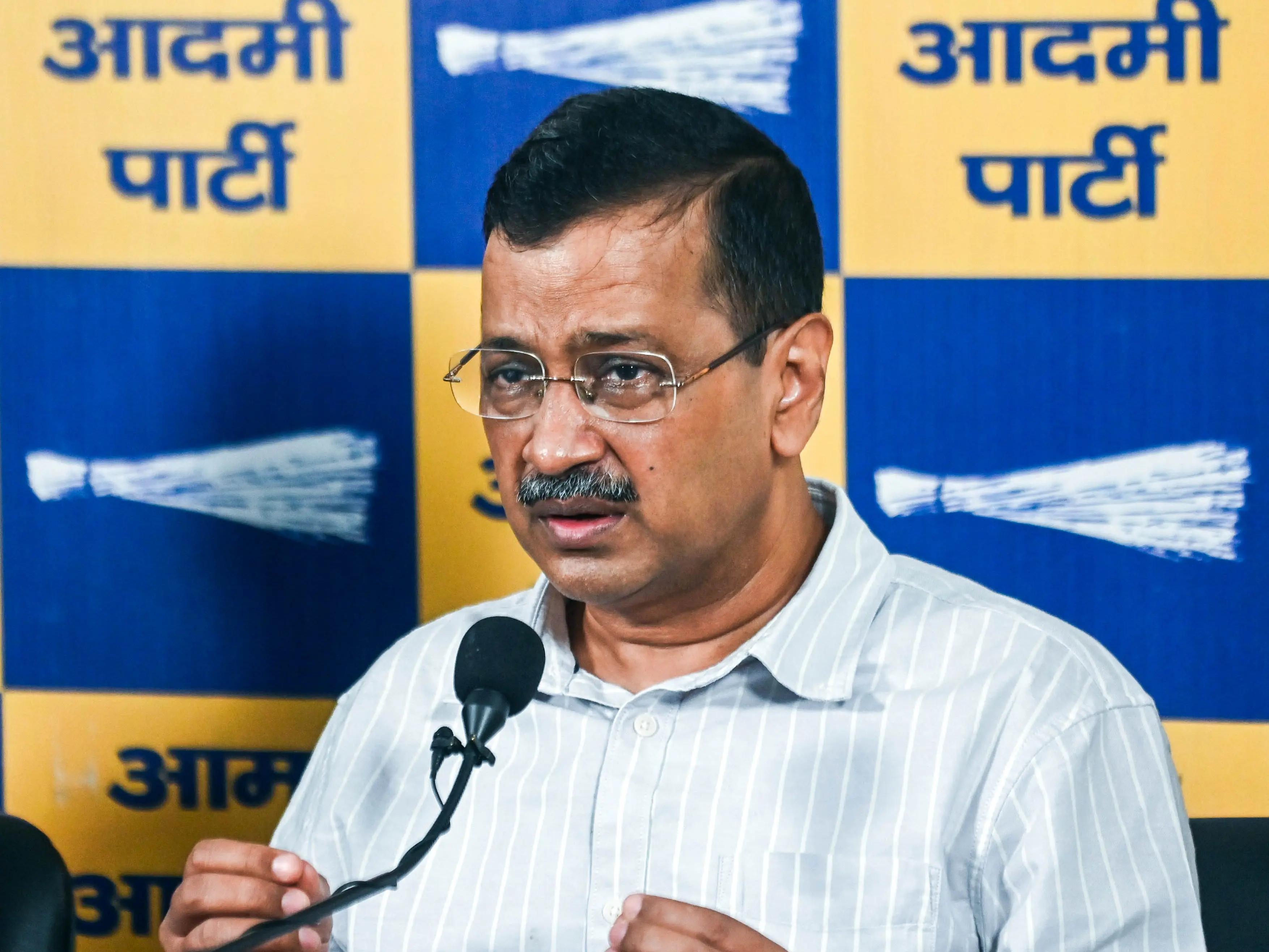)
Arvind Kejriwal, family members, Delhi CM Rekha Gupta get SIR notices
)
SNL UK takes aim at Ed Sheeran with AI Princess Diana sketch
)
Taylor Swift has a 'proud wife' moment as Travis Kelce scores first touchdown of season: 'That’s my husband!'
)
AI kill switch explained: Why shutting down a dangerous AI may not be as simple as pressing a button
&im=FitAndFill=(700,400))
New OTT releases this week (September 21-27, 2026): Shaque: Trust No One, Hunkkaar, Don’t Be Shy- 5 new titles coming to Netflix, Prime Video and more
)
Microsoft executive called AI training the ‘largest theft of labour in human history’
Norwegian climber Erlend Ness spent two nights sleeping in his tent at base camp last month, unsure of what was making him ill.
"I was evacuated to Kathmandu and was tested. My result was positive forCovid," he told AFP, becoming the first climber with anEverestpermit to confirm his infection.
"I think I'm not the only one... Every team at the base camp knows the risk ofCovidis there and they have to be careful, they should be careful," he said.
Fellow climber Gina Marie Han-Lee decided to abandon her expedition last week over fears the disease was spreading around base camp.
"I have taken a helicopter out of EBC (Everestbase camp) back to Kathmandu after 1 day. TheCovidsituation at EBC is a total shitstorm. I had no clue what I was flying into," the US citizen wrote on her Facebook page on April 29.
"It was a heartbreaking decision but I'm putting my health first.Covidat a high altitude does not sound like something I want to play with."
Officials at a health clinic catering to the climbers say more than 30 people have been flown off the camp in recent weeks.
At least two have tested positive after returning to the capital Kathmandu.
But the government has yet to confirm a singleCovidcase onEverest.
"Some evacuated may have tested positive in Kathmandu. They did not test at the base camp, so we cannot be sure where they got infected," said Nepal's tourism department chief Rudra Singh Tamang.
Health professionals at the camp say they do not have the capacity to test for the disease.
"We have permission to only work as a clinic so we don't have tests here. We have made requests but nothing has happened yet," a doctor there said.
More than a thousand people are typically camped at the bustling tent city at the foot ofEverest, including foreign climbers and the teams of Nepali guides that escort them to the peak.
But the usual reverie and loud communal parties are absent this year after expedition groups were asked to keep to themselves and avoid socialising with others.
Customary religious ceremonies held before an ascent to pray for a safe expedition have also been turned into quiet and private affairs.
"We are taking all precautions possible to make sure that there are no infections," said Tashi Sherpa of Seven Summit Treks, the largestclimbingagency atEverest.
"We are not visiting other tents, and even groups within the camps are not mixing."
More than 400 people in Nepal have died over the last two weeks after contractingCovid.
The country's health system has been overwhelmed by the sudden spike, with hospitals filling fast and relatives of patients scrambling for medicine and intensive care beds.
Climbers on peaks elsewhere in the country have also run into problems.
An expedition on Dhaulagiri, the seventh highest mountain in the world, is in limbo after at least three members tested positive forCovidthis week.
Nine are being evacuated and others are being tested, the head of their expedition said.
Breathing is already difficult at high altitudes so any coronavirus outbreak amongclimbinggroups could pose severe health risks.
Evacuating ill climbers from the remote peaks poses a major logistical challenge.
"We are very scared, there are many rumours and we don't know what is really going on," said Harshvardhan Joshi, an Indian climber hoping to summitEverest.
"What if someone shows symptoms after reaching a higher camp?"