Earth’s nearest body hides space's most valuable element, and mining missions are on

&imwidth=600&imheight=450&format=webp&quality=medium "Earth’s nearest body hides space's most valuable element, and mining missions are on")
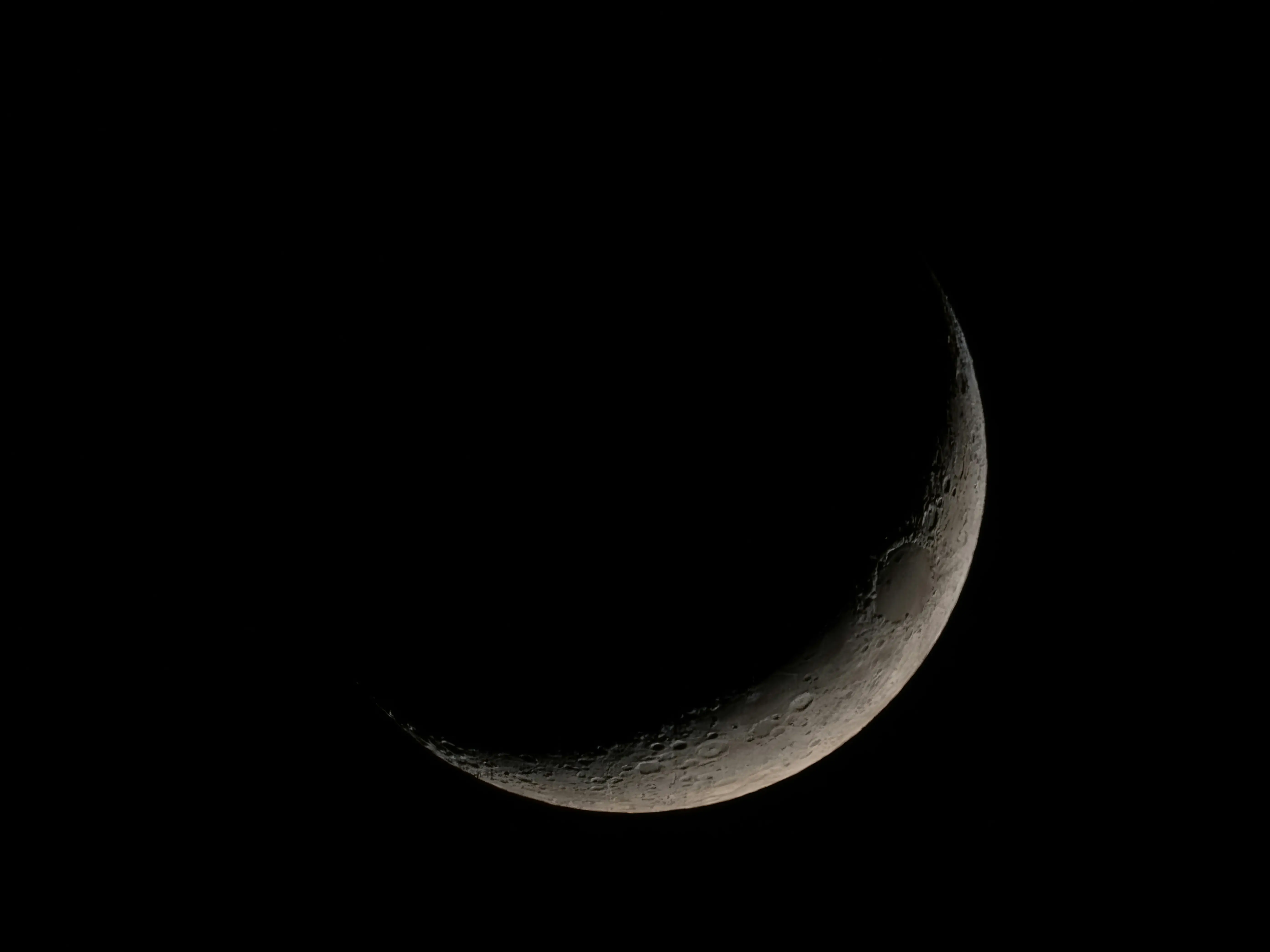
Helium 3 on the Moon could produce clean energy. Photograph: (Unsplash)
The race to the moon is not only influenced by the dream to put man on the moon again, but also because of the abundant resources it offers. One such element has long been proposed to produce clean fuel, and Earth doesn't make enough of it.
NASA is once again scrambling to send humans to the Moon. Meanwhile. China is racing ahead and wants to get there first. The reason for this race is not just to colonise the Moon, but also to lay their hands on a very important element. Moon’s regolith, or the lunar soil, is rich in Helium-3, which is a light, non-radioactive isotope. Since it does not have a protective magnetic field, solar wind has successfully deposited the material on the Moon over billions of years. Humans have known about it and have found a significant use for Helium-3. According to the European Space Agency, this element can be used to create clean electricity using fusion reactors, which will be free from dangerous radioactive waste. The current nuclear fission technology is radioactive, but helium-3 would "not be radioactive and would not produce dangerous waste products."
Race to the Moon - Who will get there first?
But Earth has a dearth of helium-3, which is produced with the slow decay of tritium in nuclear stockpiles. Only about a few thousand litres of it are produced each year. However, the Moon is estimated to be a treasure trove of the element, and could hold an estimated million metric tons of it, scattered across the top layer of lunar soil. The idea was first proposed by Apollo geologist Harrison Schmidt decades ago. So now, the US, China, Russia, India and Europe are racing to put a mark on the Moon, since whoever reaches there first is likely to hold control over the resources. There are plans to build permanent bases on the lunar surface to exploit valuable metals. It will also be used to launch a mission to Mars and finally send humans to the Red Planet.
Even though it is yet to become a reality, with NASA and China's plans fixed for by the end of this decade, agreements and contracts are already being entered here on Earth. ZME Science reported that in September 2025, Helsinki-based cryogenics firm Bluefors signed an agreement with startup Interlune to purchase up to 1,000 litres of lunar helium-3 every year. The deal is worth a whopping $300 million. Blue Origin has announced Project Oasis, under which it will map lunar resources such as water ice and helium-3 from orbit.
Trending Stories
)
)
)
)
)
)
)
)
)
)
)
)
)
)
)
)
)
)
)
)
)
)
)
)
)
)
)
)
)
)
)
)
)
)
&im=FitAndFill=(700,400))
)
)
)
)
But who will win this race? NASA's acting chief, Sean Duffy, said a few weeks ago that there is no way that China will get there first. Meanwhile, Beijing is determined to land humans on the Moon soon and explore the south pole, which is believed to contain water ice. No matter who gets there first, the one challenge that remains is helium-3 fusion. Gerald Kulcinski at the University of Wisconsin–Madison even built a small reactor to explore this, but no one has yet achieved a fusion reaction with a net energy gain for longer than a few minutes.

