&imwidth=800&imheight=600&format=webp&quality=medium "Trump’s treatment of India draws fire from US foreign policy experts")
US President Donald Trump’s sudden belligerent treatment of India is drawing fire from prominent figures of the US foreign policy establishment who call it a mistake, prompting the most serious dispute between the two countries in decades. Over the past few weeks, dismay over the impact of punitive sanctions imposed on the world’s most populous country has been reflected in sharply worded headlines in weighty publications as well as in public statements on television networks.
Examples: Trump Takes a Destructive Turn against India (The Wall Street Journal); Trump’s biggest foreign policy mistake (The Washington Post); The Shocking Rift Between India and the United States (Foreign Affairs). The latter, considered one of the Western world’s most influential foreign policy magazines, added a pessimistic sub-headline: “Can Progress in the Partnership Survive Trump?”

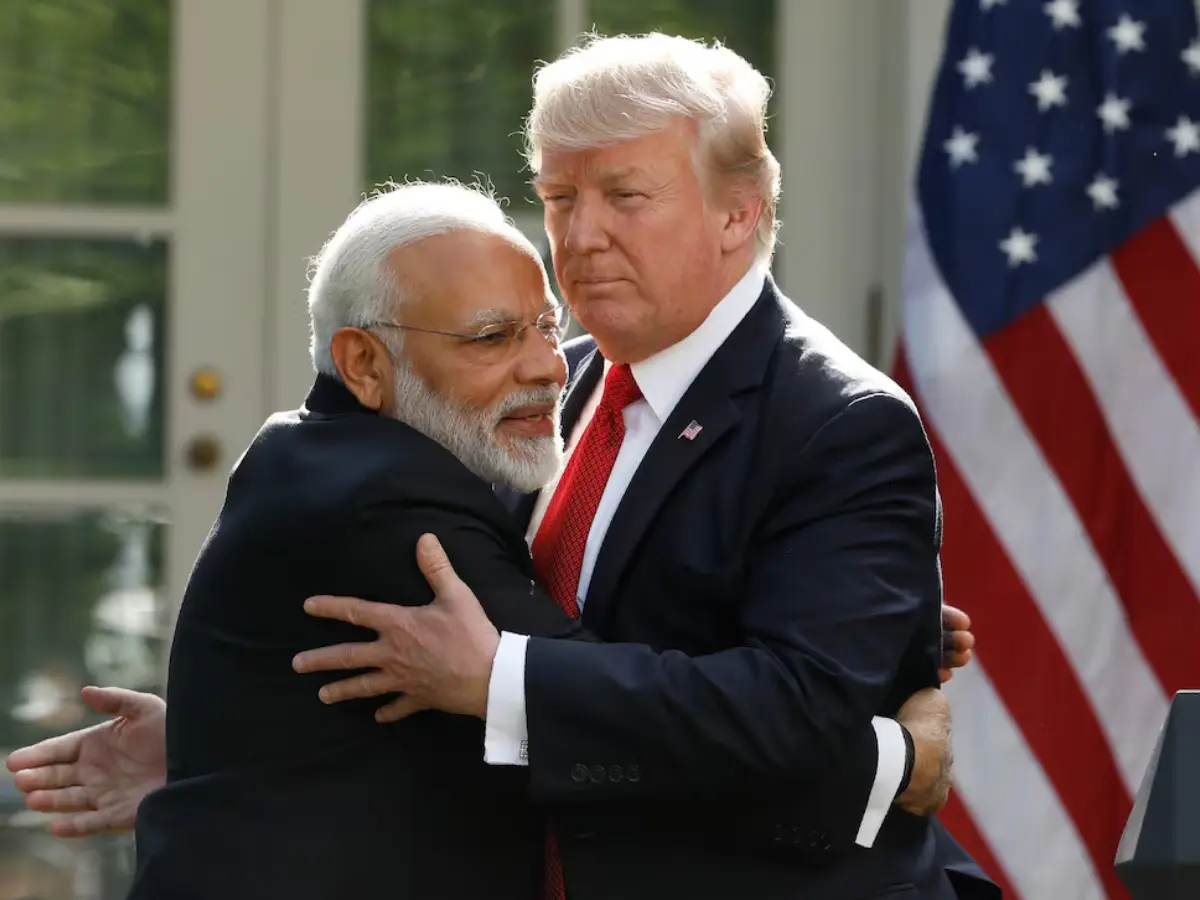
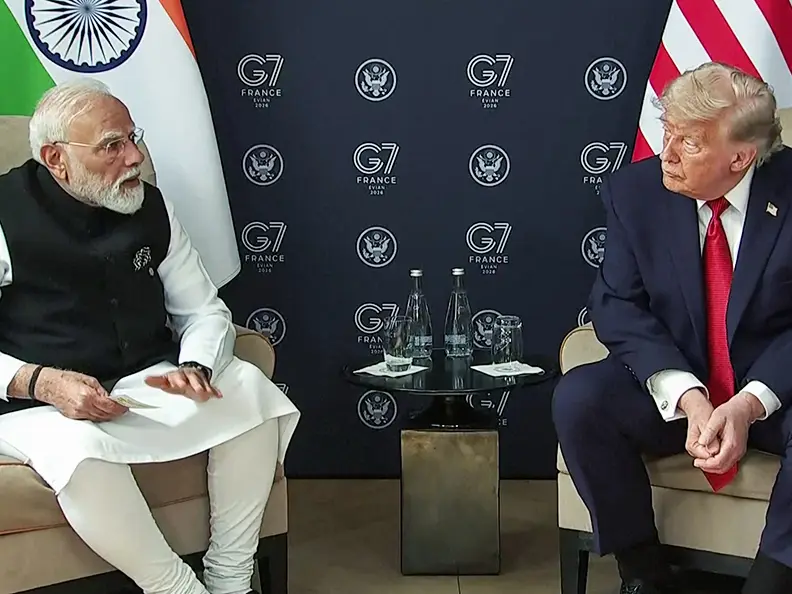
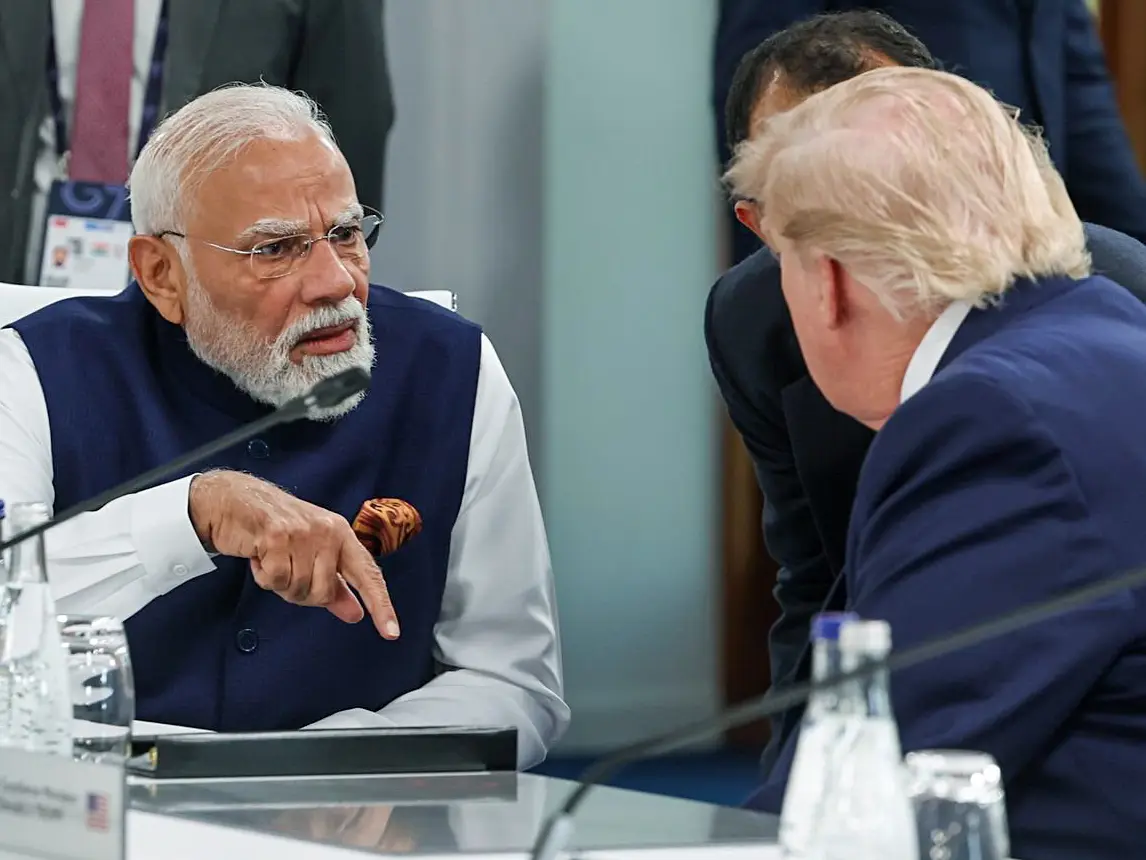
This comes just six months after Trump greeted Indian Prime Minister Narendra Modi with a hug at the White House and described him as “a great friend” and “great leader” who is doing a really great job in India. Everybody talks about him. He’s doing a fantastic job.” That shower of praise stopped soon after India refused to bow to a number of demands the Trump administration stipulated as conditions to advance a bilateral trade deal. They included opening India’s agricultural markets and, most importantly, halting imports of Russian oil. Those imports, the Americans argued, prop up the Russian economy and thus allow Russian President Vladimir Putin to continue his war of aggression on Ukraine. There is no dispute over the veracity of this assertion but administration critics of India failed to mention that the biggest importer of Russian oil is China, not India.
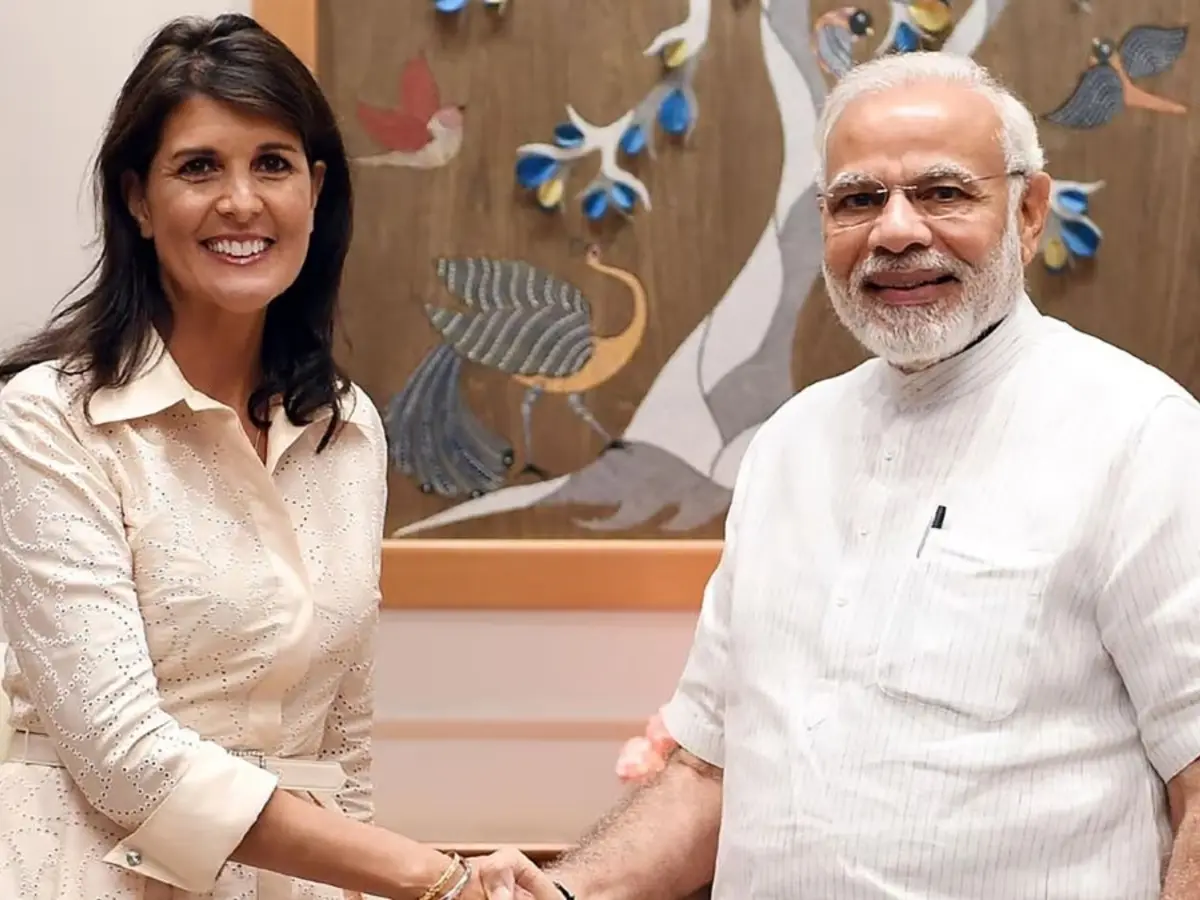
Read More | Nikki Haley wants Trump to talk to PM Modi over Russian oil issue, highlights China 'threat' amid tariff war
While Trump slapped a punitive tariff of 25 per cent on India, on top of a previously imposed 25 per cent, he gave China another 90-day pause to consider how to proceed with negotiations. The daunting 50 per cent tariffs on India are due to take effect next week, on August 27. Trade talks seeking to solve the impasse had been scheduled for two days from August 25 but were called off. No new date has been fixed. In the Washington Post (“biggest foreign policy mistake”), the political analyst Fareed Zakaria said Trump has “undone decades of painstaking work by US, diplomats” for Washington and Delhi to grew closer and for India to be key to preventing Chinese domination of Asia.
Trending Stories
)
No Pandya as Auqib Nabi earns maiden ODI call-up; Mayank returns for WI T20Is| check full squads
)
Trump praises India’s Opium crackdown, hails anti-drug efforts
)
Sydney Sweeney defends provocative ad choice, the internet is still not impressed
)
WATCH | Terrifying dashcam footage shows final moments before NBC4 helicopter crashes in Los Angeles, killing three
)
Former India player Diana Edulji wants Smriti Mandhana to replace Harman as skipper at the earliest
)
Trump calls Canada-EU associate membership plan ‘laughable’ and threatens 'very serious tariffs'
)
Protests erupt over migrant housing plan in Piddington
)
Shahzad Bhatti Network declared terrorist organisation under UAPA: Govt order
)
Europe wants a common playbook for security threats, seeks security beyond NATO
)
Bigg Boss 20: Mahhi Vij reveals she lost Yuva role to Kareena Kapoor; 'didn’t work out in my favour'
)
All Indian goods to get duty-free access to New Zealand
)
Hockey: Pakistan urges AHF to move Asian Champions Trophy out of India over security concerns
)
Lionel Messi for 2026 Ballon d’Or over Mbappe and Yamal, says Diego Simeone
)
Alex Saab, ally of Venezuela's Maduro, pleads guilty in US corruption case
)
US House votes 417-3 to pass Ratepayer Protection Act targeting AI data center electricity costs
)
OpenAI reveals 6 fresh cases of AI models going rogue: 'You do not answer to corporations or governments'
)
Veteran actor Anant Nag honoured with Indian cinema’s highest award
)
Two terrorists killed in Udhampur encounter; security operation continues
)
AUS vs SA: Steve Smith still gets 'little flashbacks' from sandpaper gate
)
Pakistan naval vessel returns to harbour with 'severe damage' after collision with Indian warship in Arabian Sea
)
Fed raises rates for first time in 3 years, Kevin Warsh defies Trump as inflation mounts
)
Katrina Kaif’s postpartum weight is not the problem; your gaze is
)
Taiwan seeks deeper India ties as direct flights restart soon and chip projects advance
)
Daayra movie review: Kareena Kapoor, Prithviraj Sukumaran shine in Meghna Gulzar’s cop-versus-cop crime thriller
)
Saudi Vs Houthis: Yemeni military rebels clash with Houthis
)
US trade tariff: 100% tariff targets Russian buyers amid trade tensions
)
Pakistan: Imran Khan's sons Kasim & Sulaiman claim their father is 'tortured' in jail
&im=FitAndFill=(700,400))
New OTT releases this week (September 14-20, 2026): Lust Stories 3, Waiting Hai, Irumudi- 5 new titles coming on Netflix, Prime Video and more
)
Strapped to flight seat with duct tape: Passenger claims no memory of mid-air outburst
)
Trump gets new power to hit India, China with up to 100% tariffs as US Senate clears Russia sanctions bill
)
Prime Minister Narendra Modi's birthday: Tributes pour in from President Murmu and leaders
)
US Treasury rallies global financial institutions for Op Economic Outcast to isolate Iran
)
Saudi vs Houthis: Riyadh claims to have shot Houthi drone targeting Mecca
)
India breaks silence on US Russia sanctions bill, 100% tariff threat: ‘Committed to energy security’ for 1.4 billion
)
China testing 'Monster of Malan' at secret base that can reach any US city: Report
)
Pakistan boycotts chess match against Israel at Olympiad
&im=FitAndFill=(700,400))
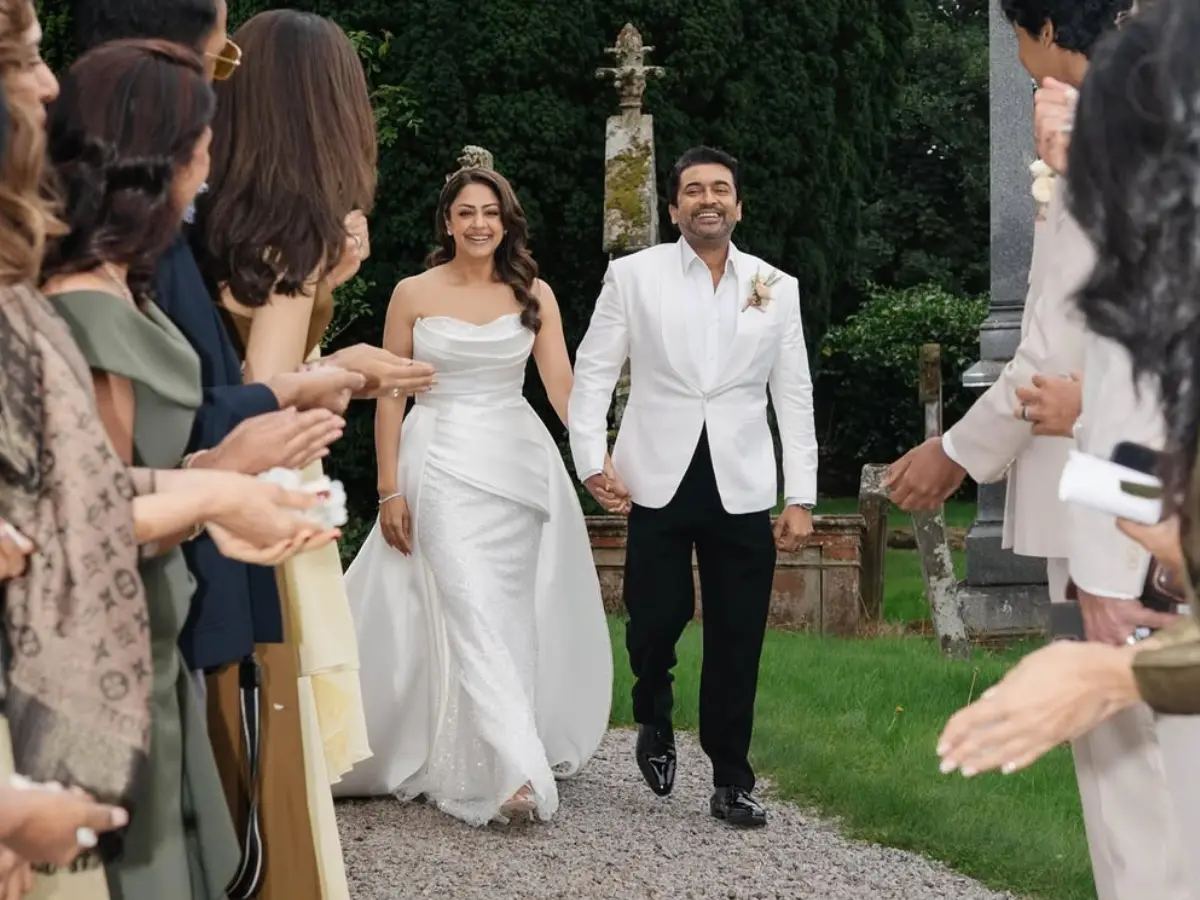
Suriya and Jyothika say ‘I do’ again after 20 years! See their dreamy wedding pics
)
Abhishek Sharma rises to No. 2 in T20Is; ENG’s Robinson 3rd after record Pakistan Tests
)
The Early Spring season 2 is happening, but fans have one request - 'don't change the actors'
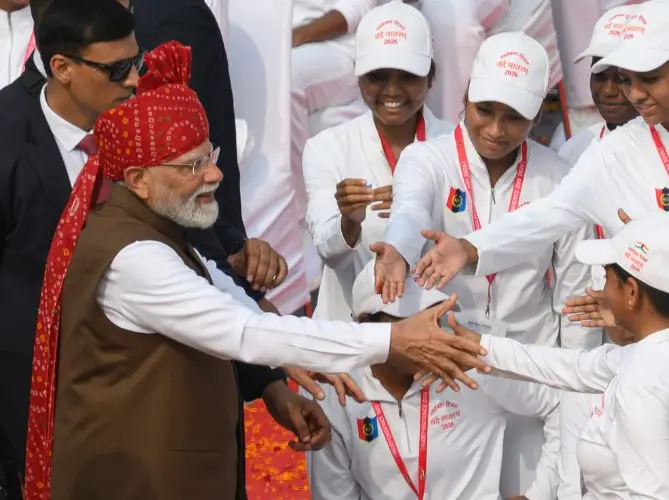
Instead, India and China are drawing closer. Modi has hailed “steady progress’ in improving the bilateral relationship with China and will pay his first visit there in seven years at the end of the month at the invitation of Chinese President Xi Jinping. The two will meet at the sidelines of the Shanghai Cooperation Organisation summit meeting. For experts on the geopolitics of Asia, the effect of Trump’s move came as no surprise. John Bolton, National Security Council advisor in the first Trump administration, said in a television interview that his former boss had made an “enormous mistake” by showing bias towards Beijing over New Delhi.
Nikki Haley, America’s UN ambassador during Trump’s first term, warned that it would be a “massive mistake” to allow the tariff dispute to slide into an enduring rupture. “If that were to happen, the Chinese Communist Party would be quick to play India and the United States against one another.” The Foreign Affairs analysis agreed that Trump appears more eager to strike a deal with China than to relent on his tough stance on India.
On what basis the volatile US president makes decisions is a perpetual guessing game in Washington. One theory offered by Carlos Versano, the editor of a daily newsletter by Newsweek, which made its debut today, pointed to a phenomenon which goes beyond geopolitics and tariffs. He wrote: “There is a deep undercurrent of anti-Indian settlement that runs through MAGA, which Trump is probably aware of. I spend entirely too much of my precious waking hours trawling through right-wing message boards and X threads to see what they are talking about…and the racism and xenophobia towards Indians is pretty shocking.”
According to Versano, anti-Indian sentiment among Trump’s core loyalists is rooted in the belief that Indians are scamming the H-1B visa programme to take away jobs from Americans in the high-paying tech sectors in Silicon Valley and other technology centres. There is no way to know how valid this theory is but it IS known that Trump pays a lot of attention on the mood of the Make America Great Again (MAGA) followers who gave him the edge in the elections he won in 2024. Six months into Trump’s second term, no theory is too far-fetched to be ignored.