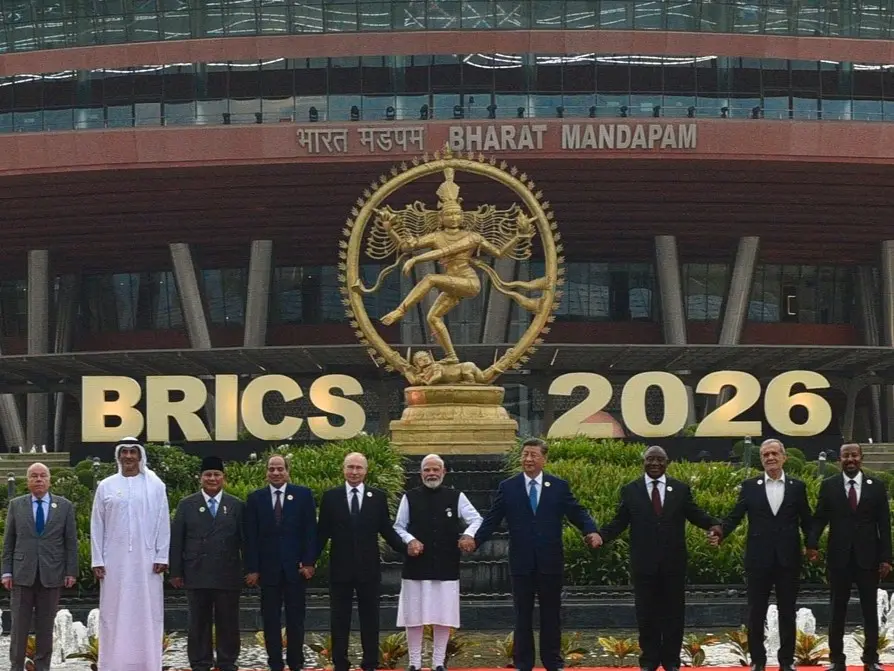
&imwidth=800&imheight=600&format=webp&quality=medium "BRICS Summit 2026 was played down, dismissed or nearly blacked out by Western media. That didn't work")
For much of the West-led foreign media, India is still the land of snake charmers. A chaotic nation that can't organise anything big, definitely not a global summit. From dismissive coverage, an overt focus on US President Donald Trump's so-called ‘looming shadow’, India-China rivalry to a near-blackout, foreign media tried running down the BRICS Summit 2026 held in New Delhi this past weekend. The only problem? Nobody cared what the Western media had to say.
BRICS summit’s own agenda was hardly mentioned in much of the Western media coverage
The focus of several global media groups was on issues that were not at the top of the official BRICS agenda: the Ukraine-Russia war, the Iran conflict, and so on. BRICS, meanwhile, was busy forging consensus on some of the thorniest issues the world was facing. Because they weren't waiting for diktats from the West.

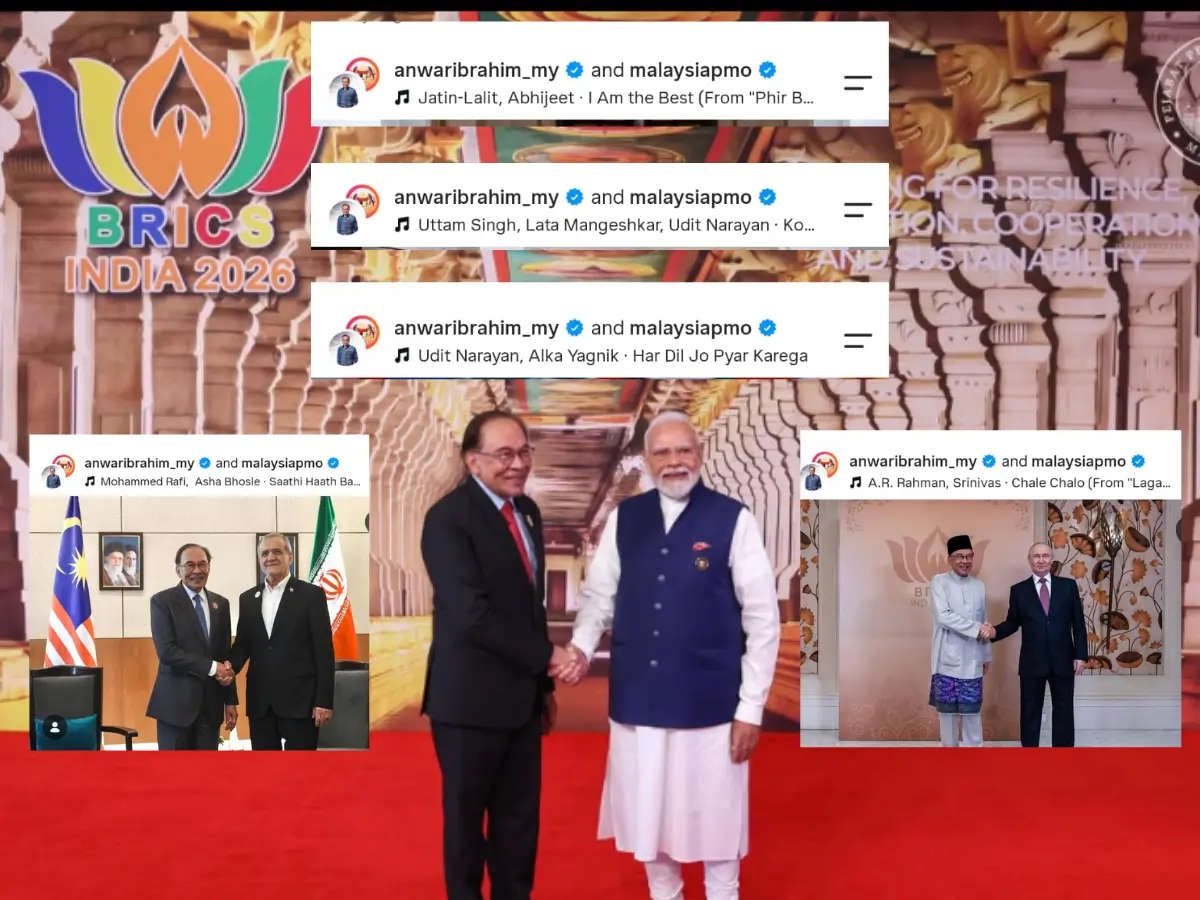
BRICS leaders had work to do, as they were representing around 40 per cent of global GDP and half the world’s population. And at the end, the summit unanimously adopted the nearly 140-point, 45-page New Delhi Declaration, by consensus. As chair and host of BRICS 2026, India had the challenge of holding together an expanded and politically diverse grouping. And it did so, without turning BRICS into an explicitly anti-Western bloc.
From Trump to Russia-Ukraine: Foreign media used Western geopolitical lenses
Trending Stories
)
Emmys 2026: Matthew Rhys wins Best Actor twice, sets historic 78-year record
)
3 Italians fly from Delhi to Munich without immigration clearance; Air India gets notice on major security lapse
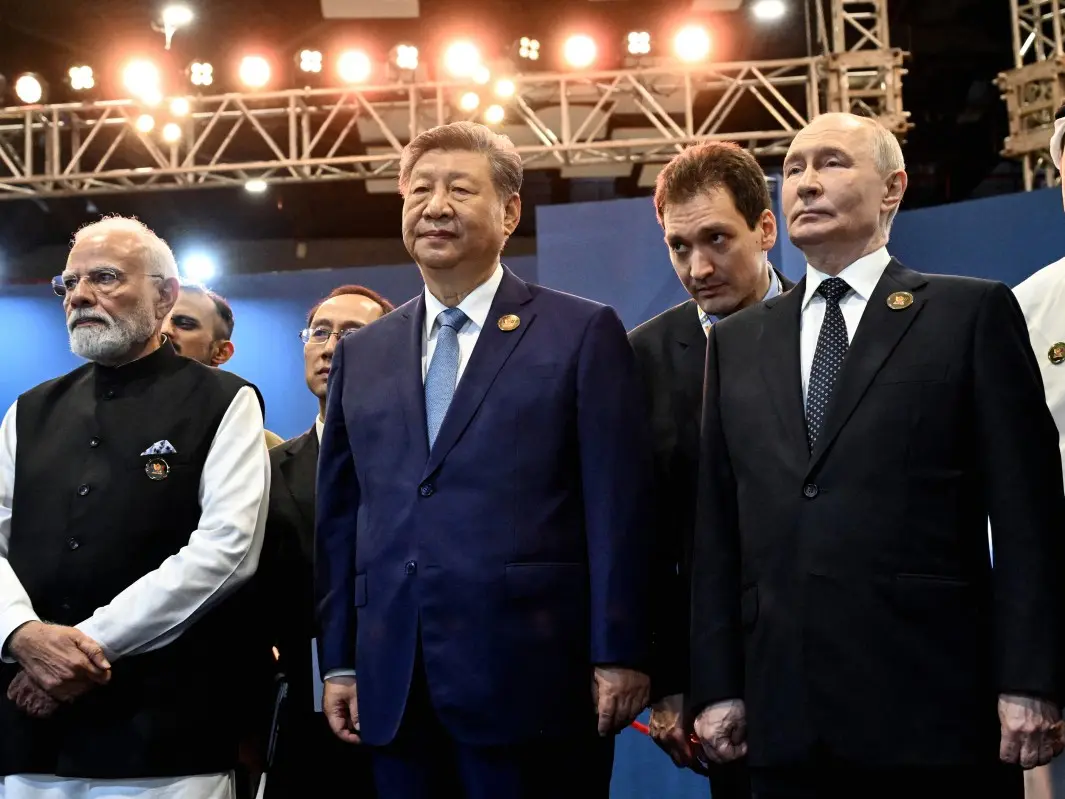)
Did India risk its US trade deal despite softer stance at BRICS?
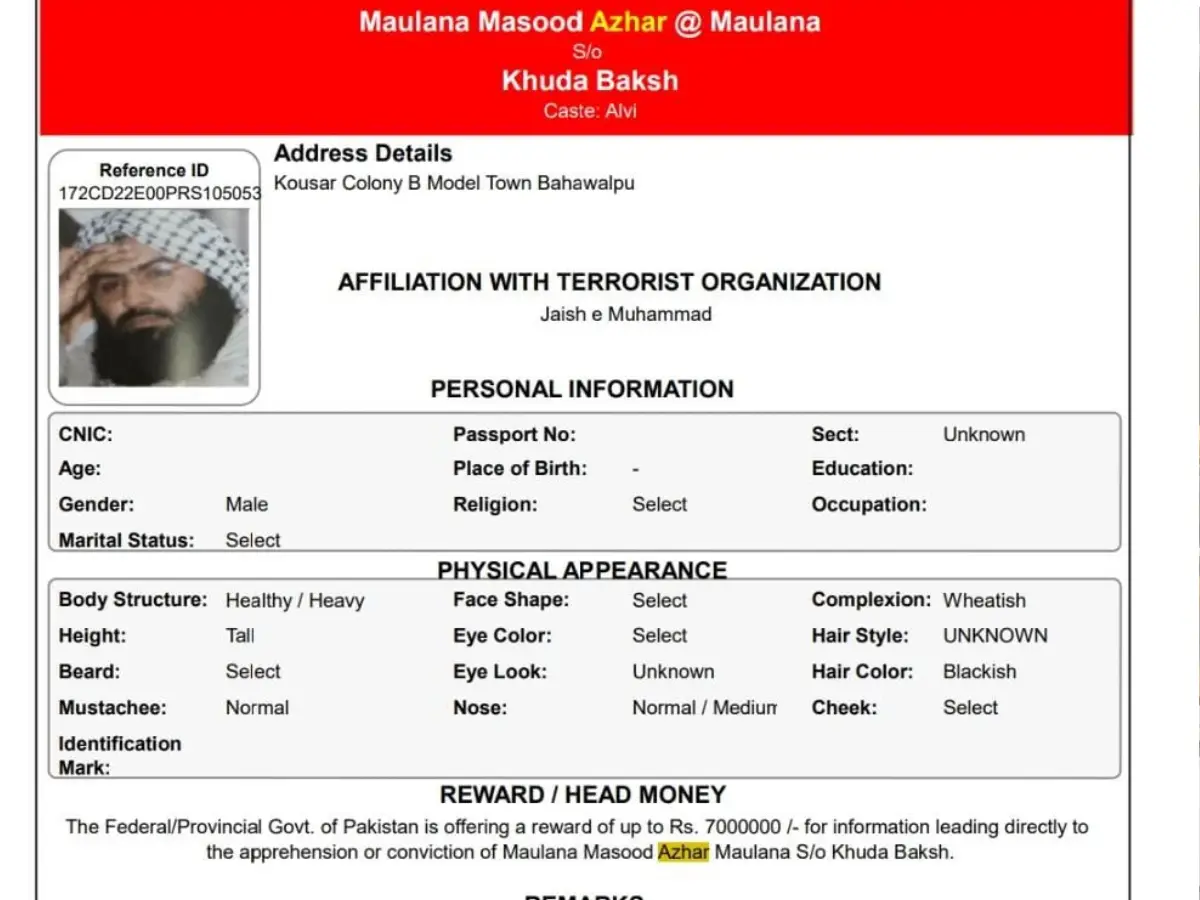)
Pakistan puts Pak Rs 70 lakh bounty on UN terrorist Masood Azhar; move draws skepticism in Delhi
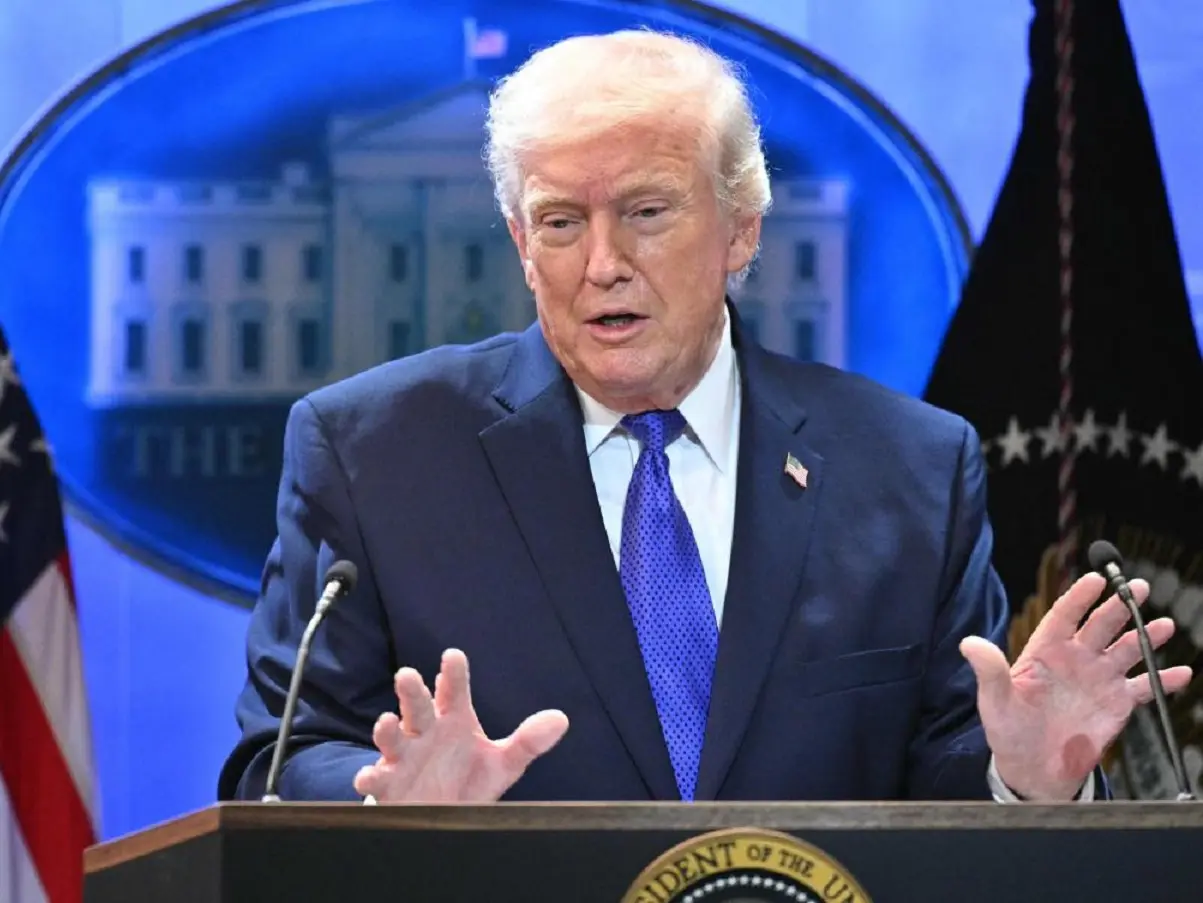)
‘US ensuring global energy supplies’: Trump demands reimbursement for securing Strait of Hormuz
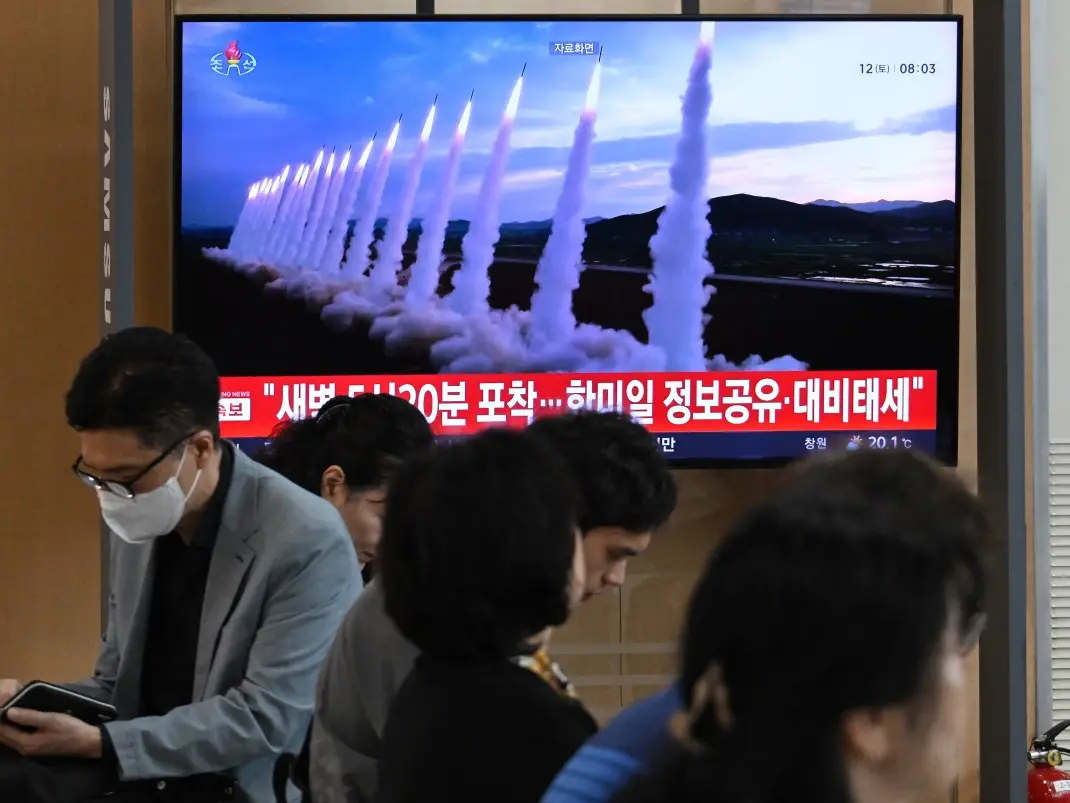)
'Huge destructive power': North Korea calls its latest missile launches 'live-fire drill' even as US dismisses 'immediate threat'
)
‘Let’s go’: Newly declassified videos show dramatic rescue of US Air Force officers downed in Iran
)
Historic first: ‘Ganga aarti’ performed on River Thames in London
)
Emmy Awards 2026: Widow's Bay and The Pitt win in lead categories- check out the complete list of winners
&im=FitAndFill=(700,400))
Why European Meteor missiles use ramjet engines compared to standard US solid rockets
)
Iran, India agree to deepen humanitarian and political ties, President Pezeshkian says
)
‘Want to reset ties with India, have engagement based on mutual interests,’ says Bangladesh minister
&im=FitAndFill=(700,400))
Emmys 2026 Red Carpet: Zendaya, Nicole Kidman and Julia Garner lead the glamour peak
)
Turkish Airlines plane flies through a storm three times, triggering severe turbulence
&im=FitAndFill=(700,400))
Why Chinese PL-15 air-to-air missiles use dual-pulse motors compared to European interceptors
)
What is Hyrox, in news for athlete who soiled herself, but kept running and using common equipment?
)
Russia proposes to build 360 kmph Ivolga FG trains in India: What happened on sidelines of BRICS
)
800 million years old - Scientists discover 'fingerprints' of supercontinent Gondwana in ancient rocks
)
China discovers vast gold and silver 'mine' in the Pacific with unheard-of deposits
)
Plane carrying prominent figure crashes at Libya’s Misrata airport: Report
&im=FitAndFill=(700,400))
New OTT releases this week (September 14-20, 2026): Lust Stories 3, Waiting Hai, Irumudi- 5 new titles coming on Netflix, Prime Video and more
)
Sent home midway from UK tour, Pakistan's Salman Agha hits 300* in domestic return
)
Nigerian Navy seizes 10,000 litres of suspected illegal fuel in Rivers State crackdown
)
Saudi Arabia discovers 110 million tonnes of Uranium-rich ore in Madinah region
)
Dodgers beat Reds for playoff berth in bid for third consecutive World Series
)
Ecstasy tablets are rage in 'drug haven' Libya | Gravitas
)
'Now Trump is copying us': Shivakumar links US $5,000 plan to Congress guarantees
)
Video of Pakistani lawmaker struggling to read English tribute to Jinnah goes viral - WATCH
)
Trump downplays China's alleged 'help' to Iran in strike on Jordan base | Gravitas
)
Baba Vanga's first prophecy for 2027 is out, and straight out of science fiction
)
Trump loses Supreme Court battle over mail ballots ahead of US midterms: What happened?
)
Photographs, LeT labels vanish from two 2008 Mumbai attack entries in Pakistan’s most wanted list
)
Delhi govt to roll out ₹13,820 crore development projects under Seva Sankalp Abhiyan: CM Rekha Gupta
)
UK man admits drugging, raping wife for 20 years in shocking abuse case
)
Extreme warming in Indian Ocean added 695 billion tons of ice to Antarctica ice sheet
)
Scotland, Wales & Northern Ireland push for exit from UK | Race To Power
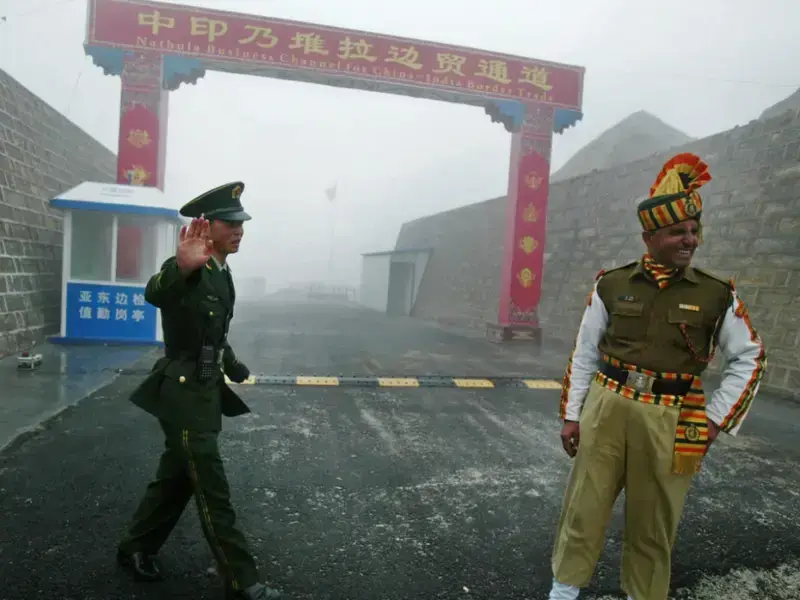)
China thinned Himalayan troop presence in 2025, India defence report says; terms border situation 'stable'
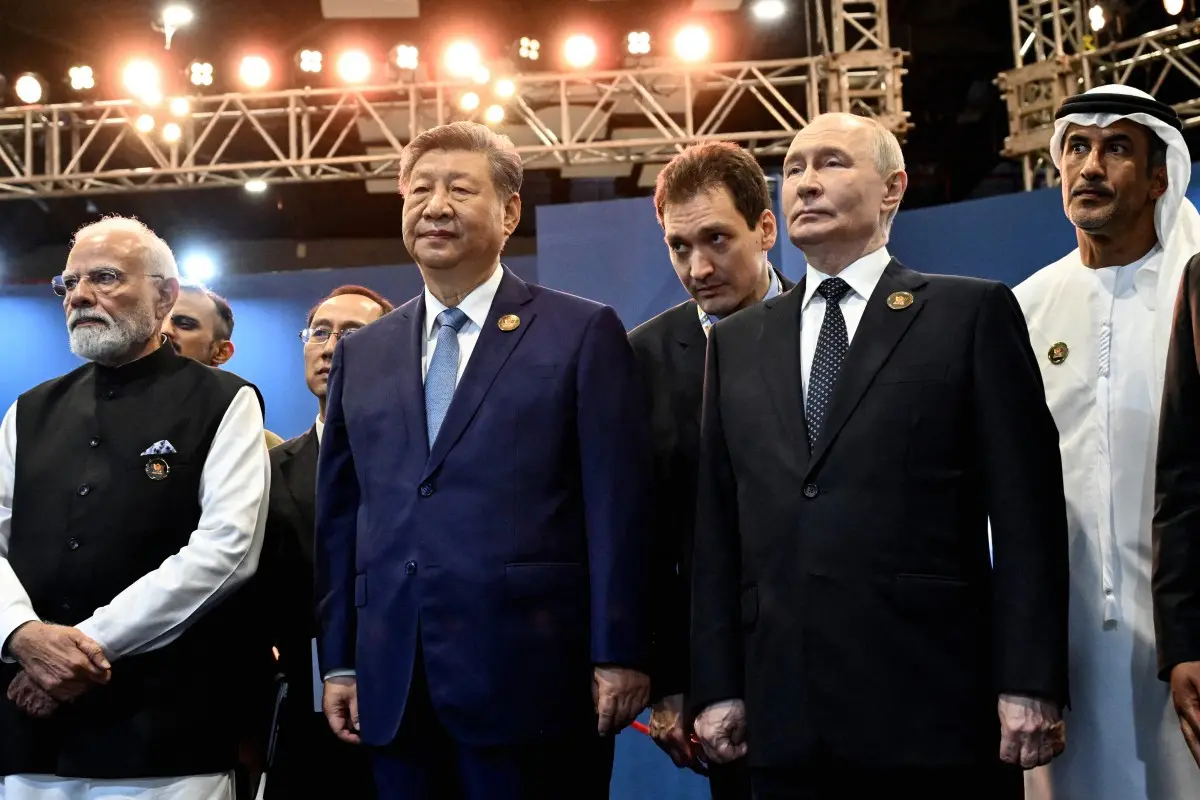
The BBC headline said, “Trump shadow looms large over BRICS as Modi hosts Putin and Xi”. So somehow, BRICS was all about how to deal with Trump. The New York Times focused on India and China competing for influence in the Global South. It didn't anticipate that dialogue can help iron out differences.
Bloomberg gave Prime Minister Narendra Modi credit for forging consensus “in the shadow” of the worsening Iran war. It acknowledged that what happened in Delhi was a diplomatic coup, but immediately returned to the argument that the Xi-Modi thaw “concealed deeper divisions”. For context, despite all the anti-China stance and rhetoric of the US, Trump will be meeting Chinese President Xi Jinping in a few days from now.
Was BRICS the forum to solve wars? Some Western media seem to think so
The Financial Times, The Independent and others highlighted internal tensions within BRICS, such as differences between Iran and Gulf members. They talked up the Ukraine-Russia war, as if the BRICS Summit was called to resolve these conflicts. They openly questioned how much the summit could actually deliver. If they read the Declaration, they will know.
Ironically, Ukraine – whose president gets prominent airtime at practically all West-led summits – barely figured in the New Delhi Declaration or the talks preceding it.
On West Asia, the language was respectful, measured, diplomatic and all-encompassing, with BRICS calling for restraint. None of the belligerents – Iran, the US or Israel – were explicitly named. But to the Western media, these omissions were evidence of weakness. They didn't see that while the major powers could not get the text or spirit right on a truce in West Asia or Ukraine, India's greatest achievement was the consensus itself.
China-India rivalry: The recurring Western media angle
Most of the outlets highlighted competition, and not cooperation, between China and India. The coverage nitpicked on the ‘limitations’ of the thaw in relations. Brushed under the carpet was the fact that Xi was visiting a nation with which China had border clashes in Doklam and the Galwan Valley only a few years ago. Or that China-India trade continued to grow despite the tensions.
Also ignored was that, despite this ‘rivalry’, the summit had a single voice on terrorism, Global South representation, UN and IMF reform, local-currency payments, digital infrastructure and artificial intelligence. These were aspects that demonstrated that cooperation was possible despite differences.
You bring the photos, I'll dismiss that summit
Visuals are everything, and what angle a media outlet turns its lens towards speaks a lot about the thinking process of its newsroom. The photos that appeared alongside articles in much of the Western media coverage tell their own story: giant BRICS or Modi billboards paired with bicycles, mopeds, auto-rickshaws and street workers.
That's reductionism. Western media needed confirmation that India is still poor. Their photo cropping did that job.
Ignoring tells a story: BRICS received less prominence than its scale
In many cases, Western publications relegated the coverage to wire reports or analytical pieces. On print and TV, BRICS was not a top prime-time or front-page story.
India was aware of the burden of expectations in a fragmented world. “Will they succeed or fail?”, was the story Western media was salivating over. In the run-up to the summit, India deliberately avoided excessive banners, speeches and publicity.
The foreign media tried to portray BRICS as a divided, ineffective or anti-Western project. India was not trying to create a NATO-style alliance. India wanted to prove that countries with competing interests could still reach consensus.
At the end of the day, an increasingly diverse bloc agreed to agree. That was the point of the summit.
Disclaimer: The writer's views do not represent those of WION or ZMCL. Nor does WION or ZMCL endorse the views of the writer."