&imwidth=800&imheight=600&format=webp&quality=medium "Did BRICS Summit 2026 prove that an 11-member bloc with India and China in it can still agree on key issues?")
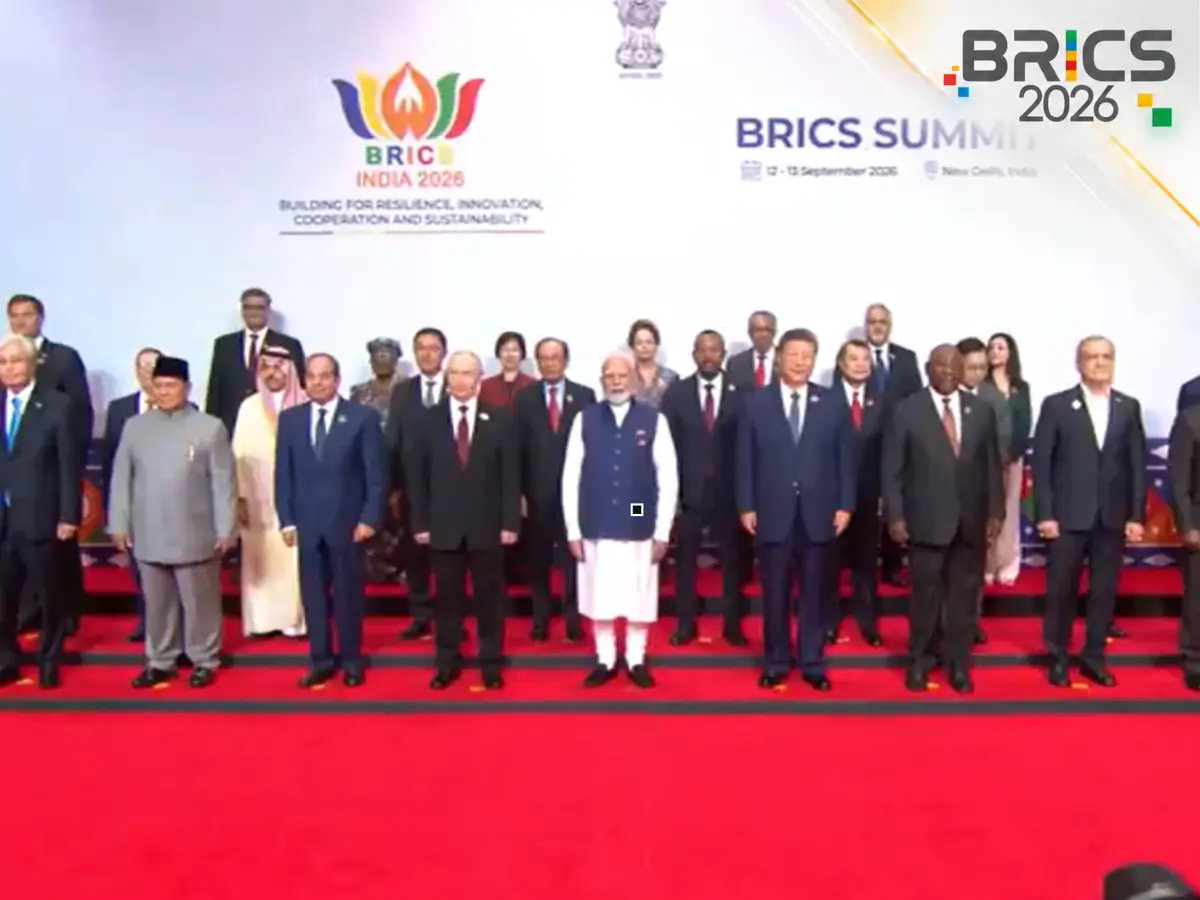
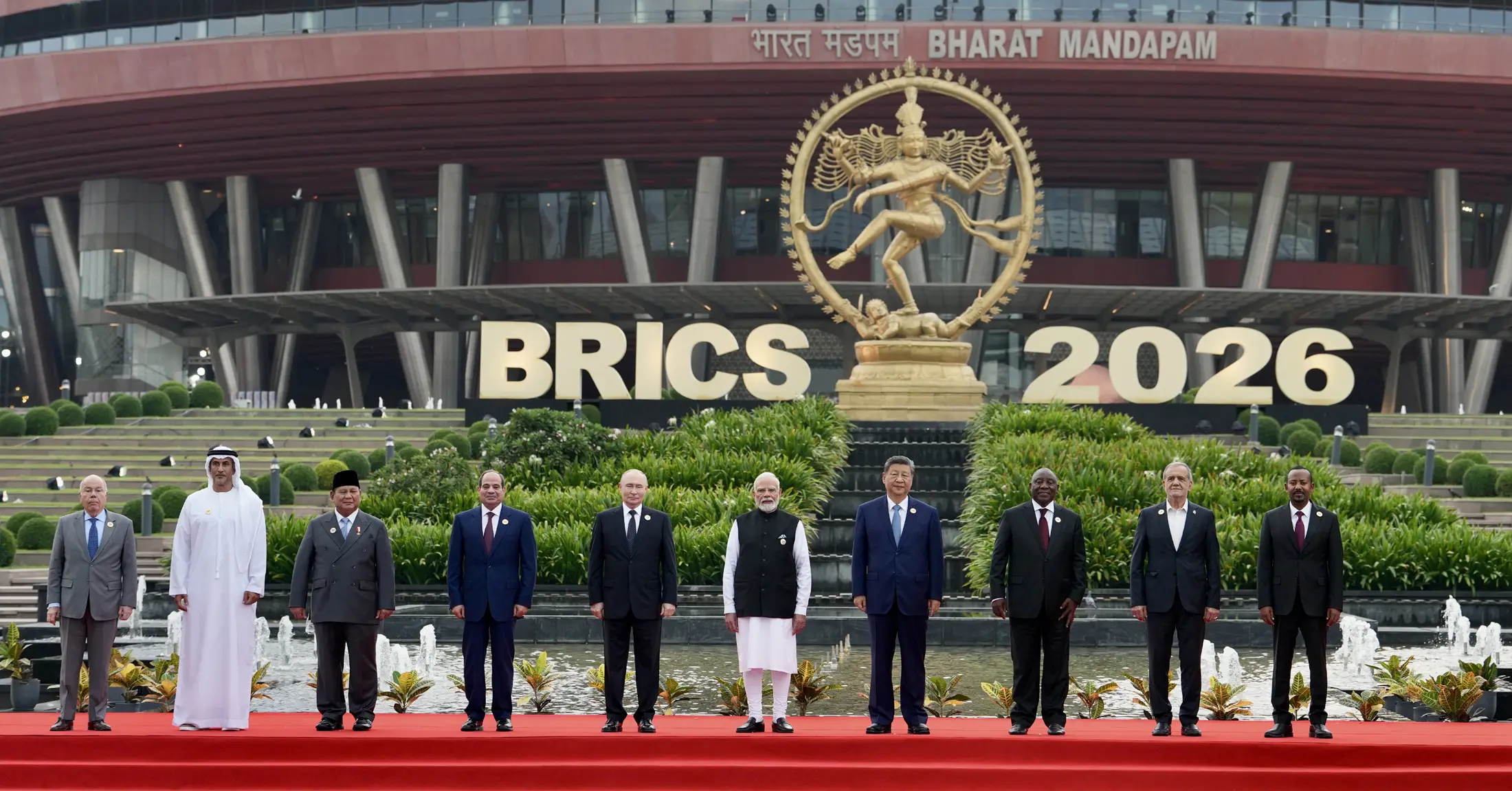
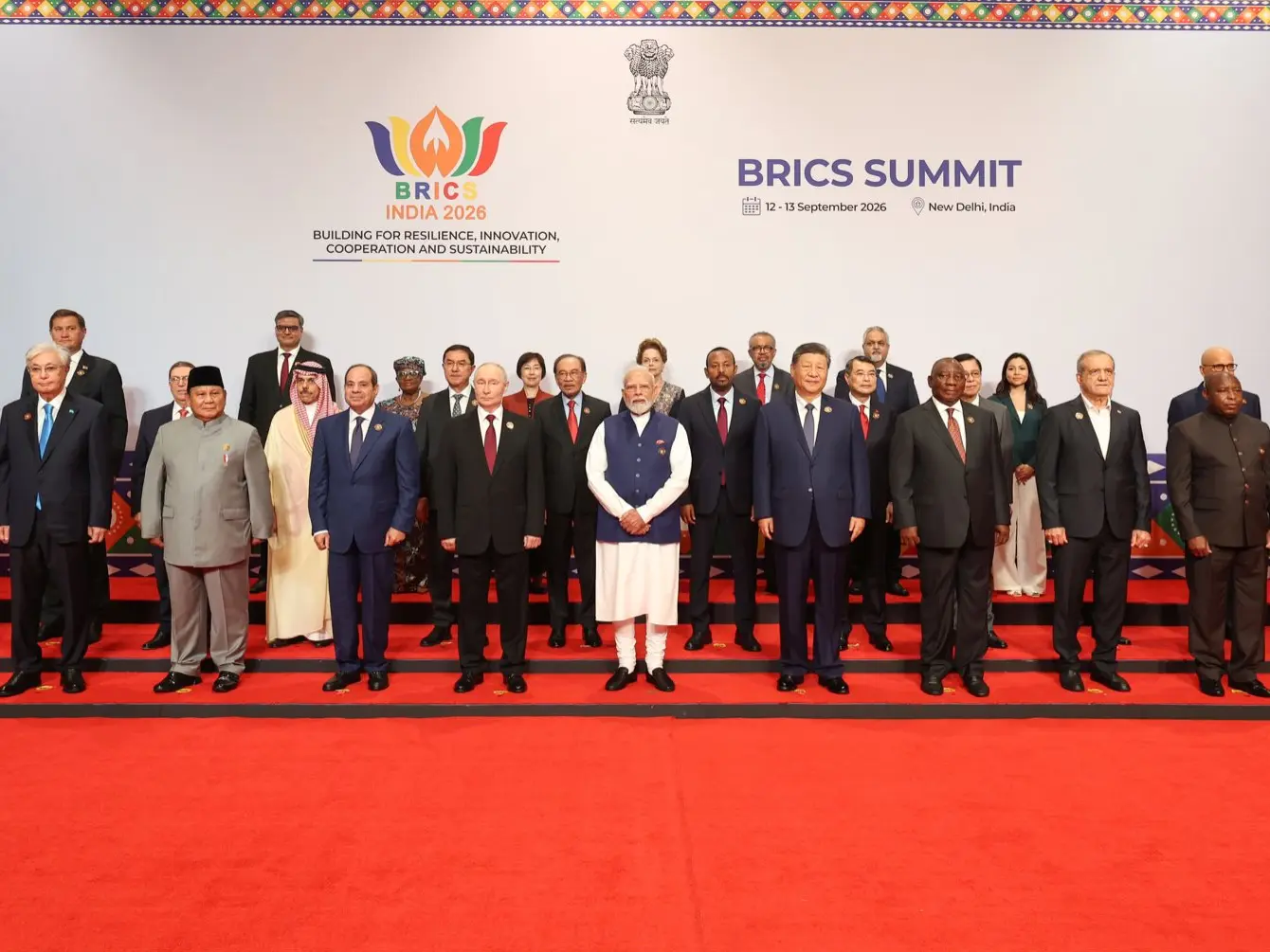
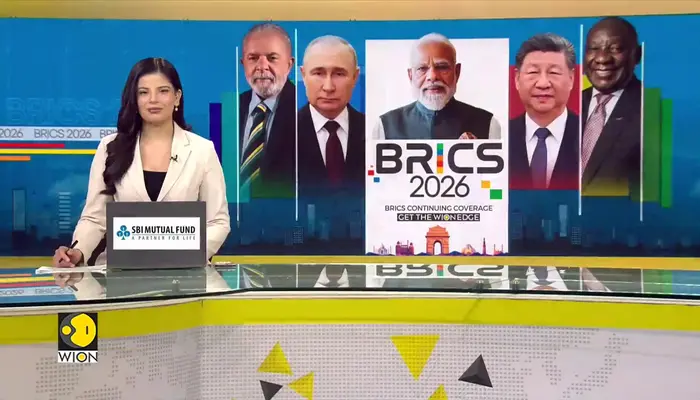
As the 18th BRICS Summit in New Delhi under India’s chairship concludes on Sunday (September 13), its greatest success would be the unanimous adoption of the New Delhi Declaration. The detailed 45-page, 140-point document demonstrated that the expanded 11-member grouping of Brazil, Russia, India, China, South Africa, Egypt, Ethiopia, Indonesia, Iran, the UAE and Saudi Arabia can still forge consensus despite their individual differences.
Consensus language on West Asia conflict
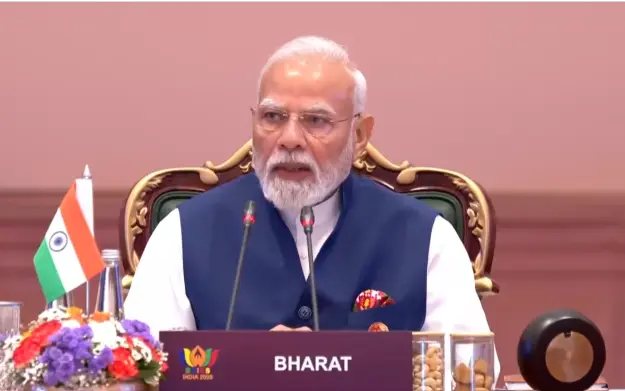
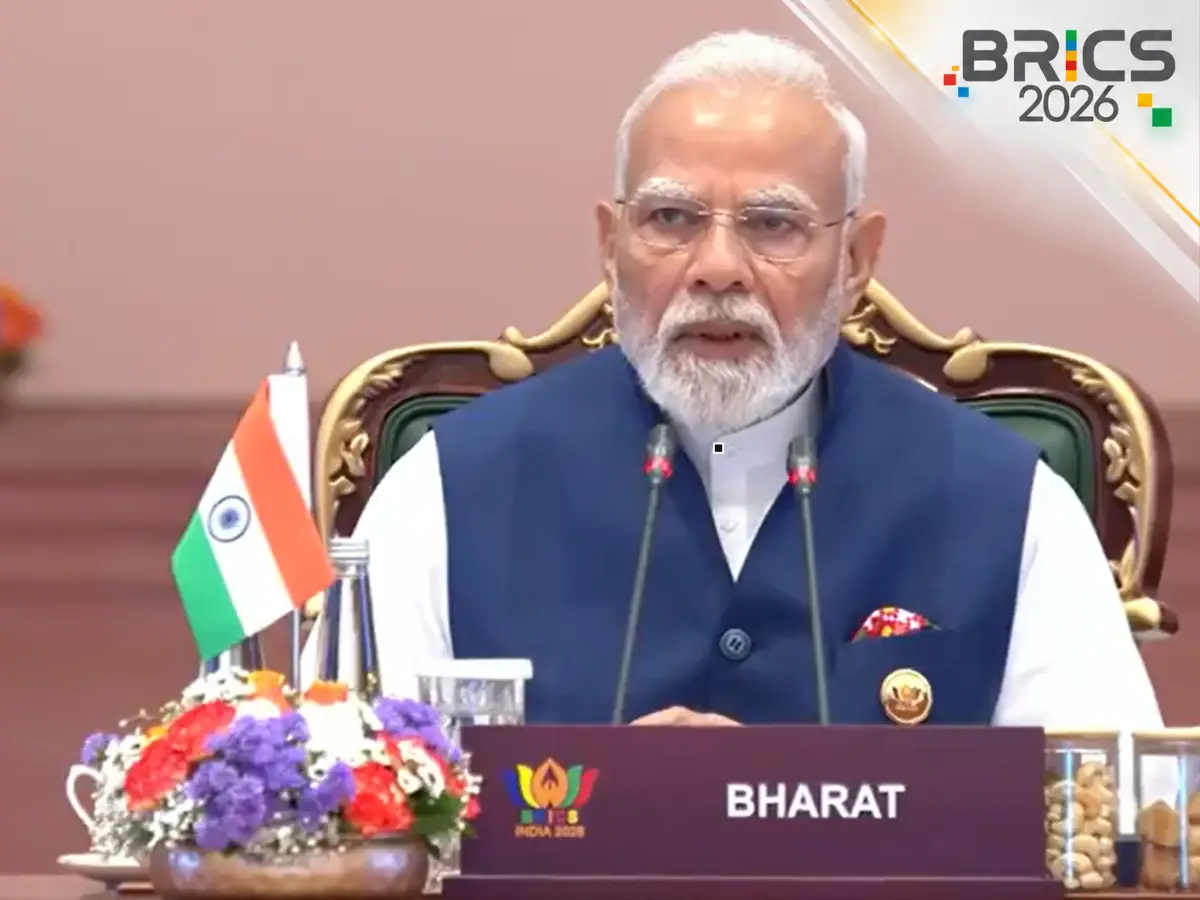
Consensus demanded intensive late-night negotiations lasting until 4 am. But consensus was achieved. What was thought to be insurmountable was achieved. Iran and the UAE had to be on board with the language on the West Asia conflict. In the backdrop was the failure to produce a joint statement on the same issue during the BRICS foreign ministers’ meeting earlier in the year. As chair, India facilitated the carefully worded compromise. That included expressing serious concern over escalation, deliberate attacks on civilian infrastructure and peaceful nuclear facilities under International Atomic Energy Agency safeguards. In what looked like a counterpoint to the US expression ‘maximum pressure’, the Delhi Declaration called for “maximum restraint.” It sought the protection of civilians, respect for sovereignty and a return to dialogue. There was no blame game. And the declaration was passed with no objections, as announced by Prime Minister Narendra Modi.

No ambiguity on terrorism: Pahalgam attack condemned
A sensitive topic for India, on which it did not always get the backing of China, terrorism was a closely-watched issue. The wording was important. The declaration explicitly condemned, in the strongest terms, the April 2025 Pahalgam terrorist attack in Jammu and Kashmir that left 26 people dead.
Trending Stories
)
Why asking questions could be more important than memorising answers
)
BRICS Summit 2026 full schedule: Day-wise agenda, timings and key issues - All you need to know
)
BRICS Summit 2026: Iran's Pezeshkian praises PM Modi at BRICS
)
BRICS rejects EU carbon tax as ‘punitive’, ‘discriminatory’; warns of burden on Global South
)
'Iran won't surrender': Pezeshkian sends blunt message to US while attending BRICS Summit in India
)
Why dehydration is the hidden cause of travel fatigue on long flights
)
Top 5 places to visit in Goa beyond its famous beaches
)
'He is popular...': Malaysian PM Anwar Ibrahim's praise for PM Modi during bilateral meeting | WATCH
)
BRICS Summit 2026: 30+ countries seek BRICS membership
)
Frustrated man demolishes his kitchen after thousands flock to see Mother Mary his wife spotted on the wall
)
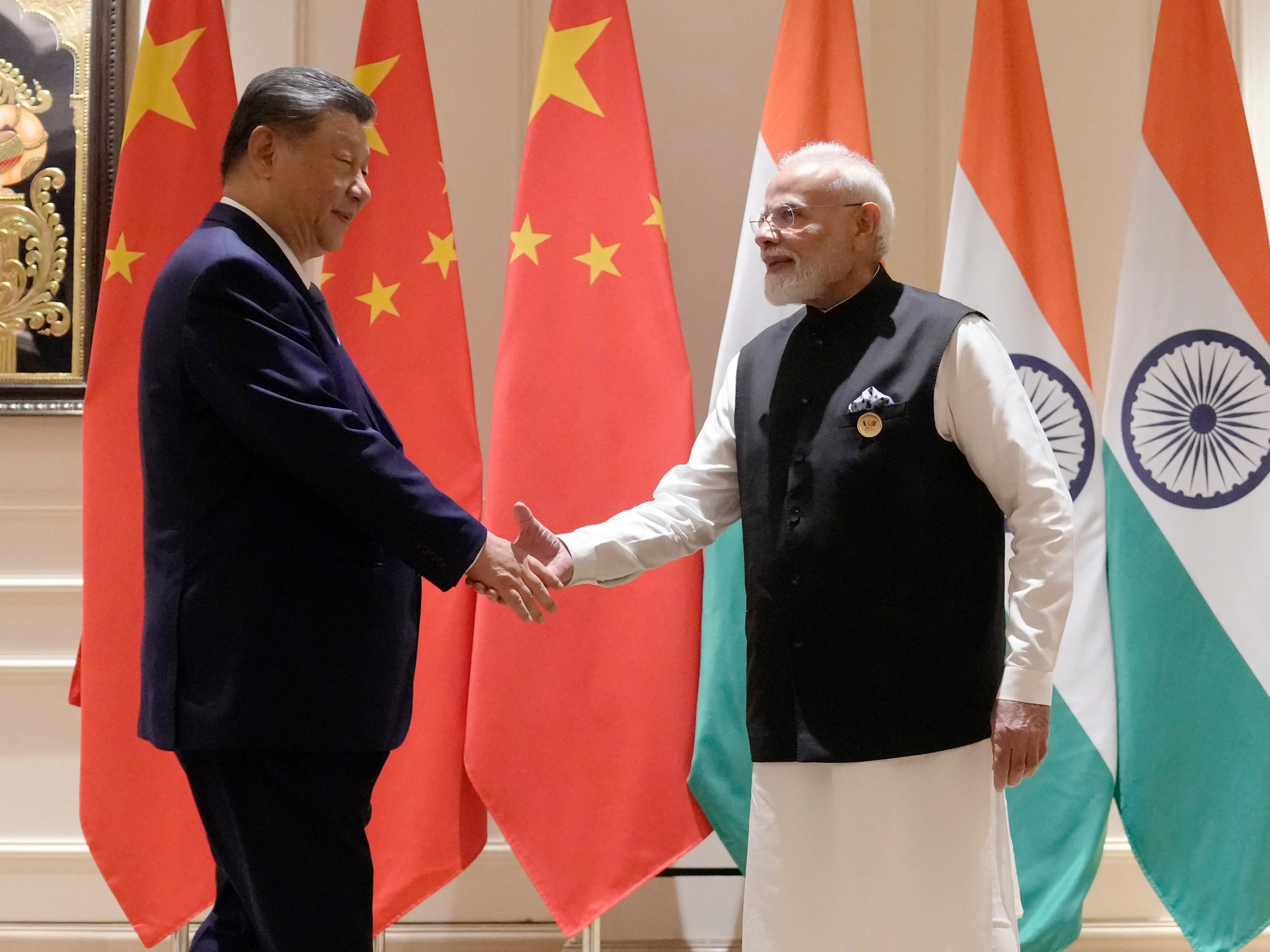
BRICS Summit 2026: PM Modi, Xi reach key consensus on ties, China to assume BRICS chairmanship in 2027
)
Trump says Canada eager to reach a deal, it could come ‘fairly soon’ if Ottawa treats US farmers better
)
From drones to KAAN fighters: Turkey outlines 229% surge in defence spending amid regional shifts
)
‘Partners, not rivals’: Xi outlines four point plan for stronger India-China ties
)
Could staying indoors all day affect your health?
)
Bigg Boss 20: Uditi Singh reacts to ex Karan Wahi’s possible wildcard entry
)
Why going digital does not always mean becoming more efficient
)
800 million years old - Scientists discover 'fingerprints' of supercontinent Gondwana in ancient rocks
)
Israel spent nearly $470,000 on PM's hair, makeup since 2019, data shows
)
From severe mobility problems to recovery: Madhuri the elephant’s journey of wildlife care
)
BRICS Summit day 1: New Delhi declaration adopted with full consensus, big diplomatic win for India
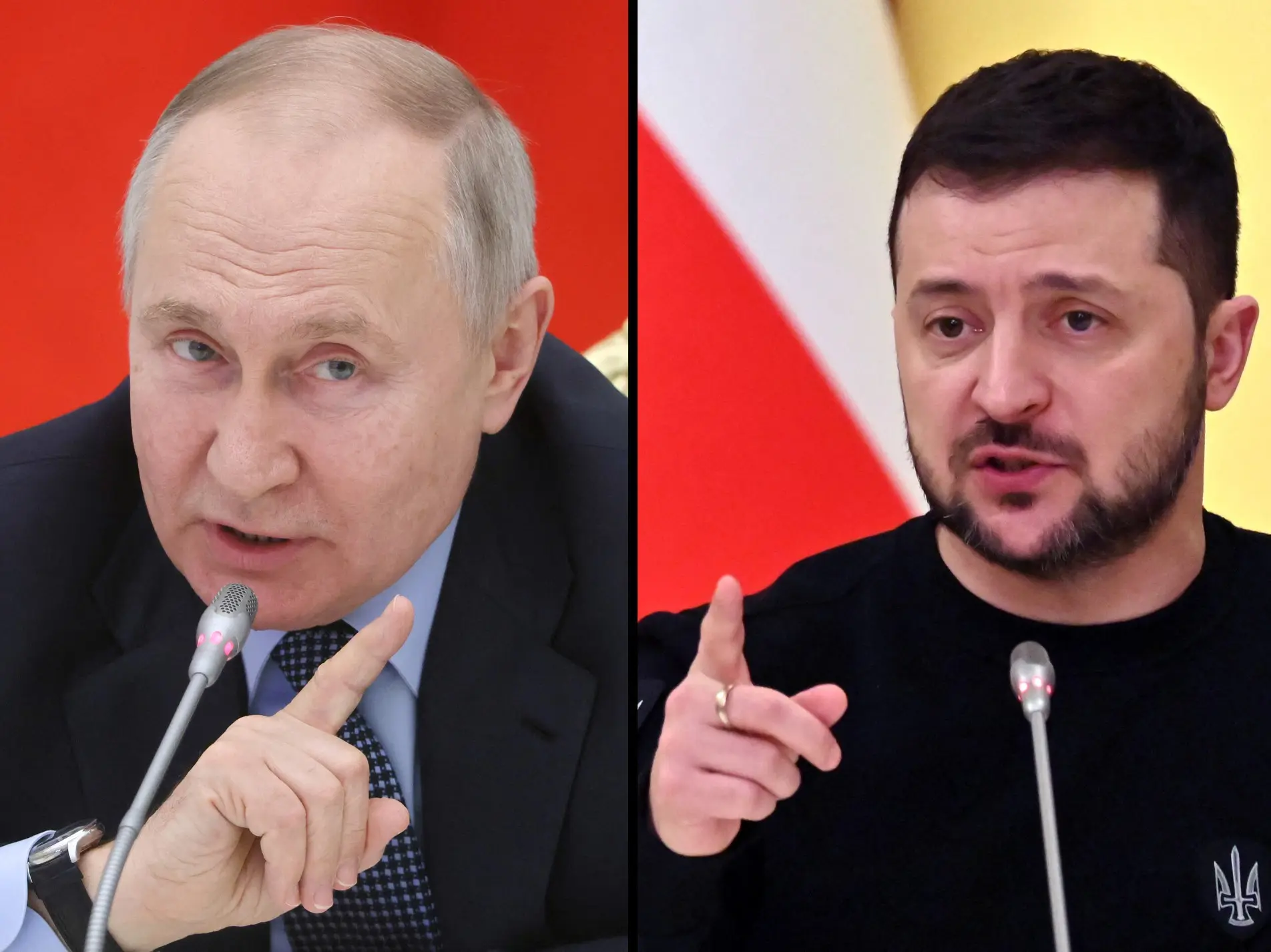)
From India, Putin warns Europe against sending troops to Ukraine, Zelensky expresses willingness to meet him at G20 Summit
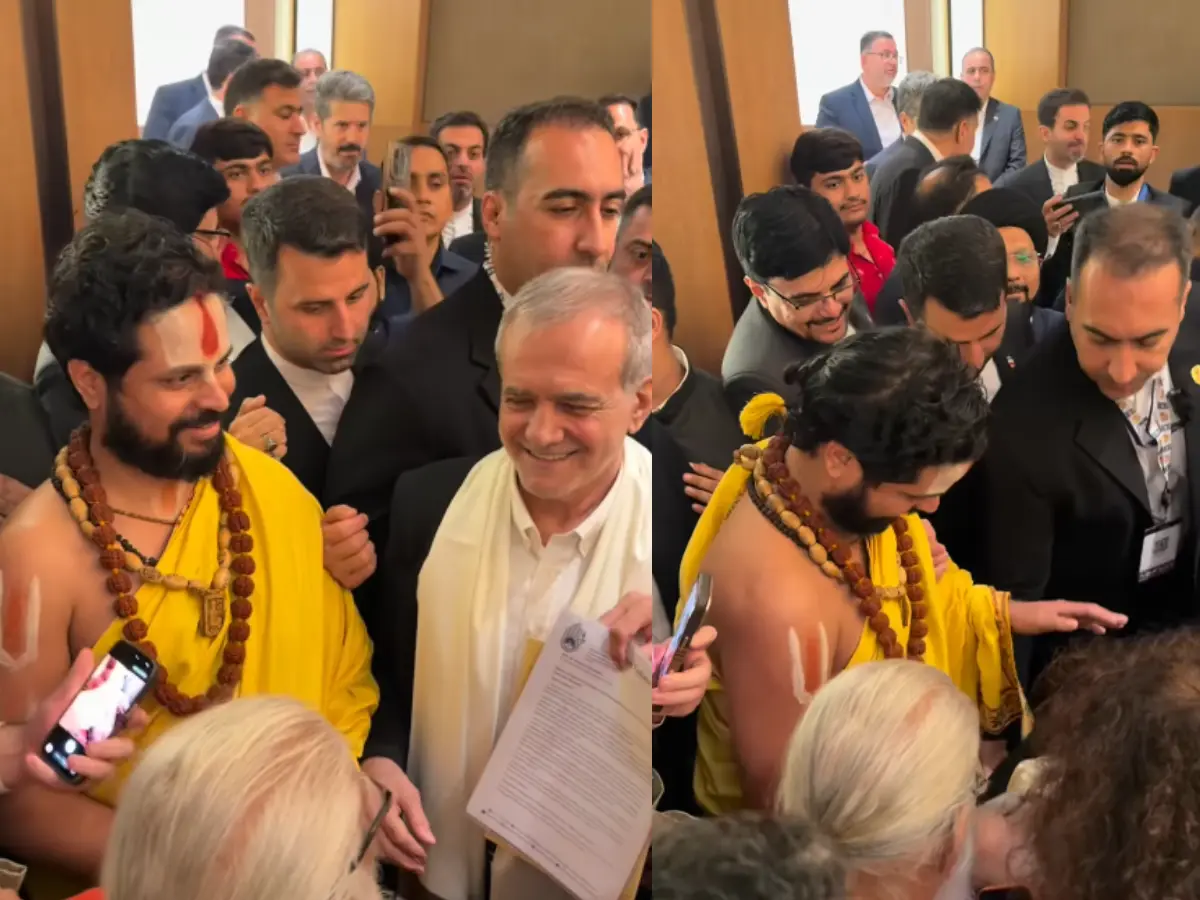)
Did Iran President Pezeshkian touch feet of Hindu spiritual leader at Delhi event as shown in viral video?
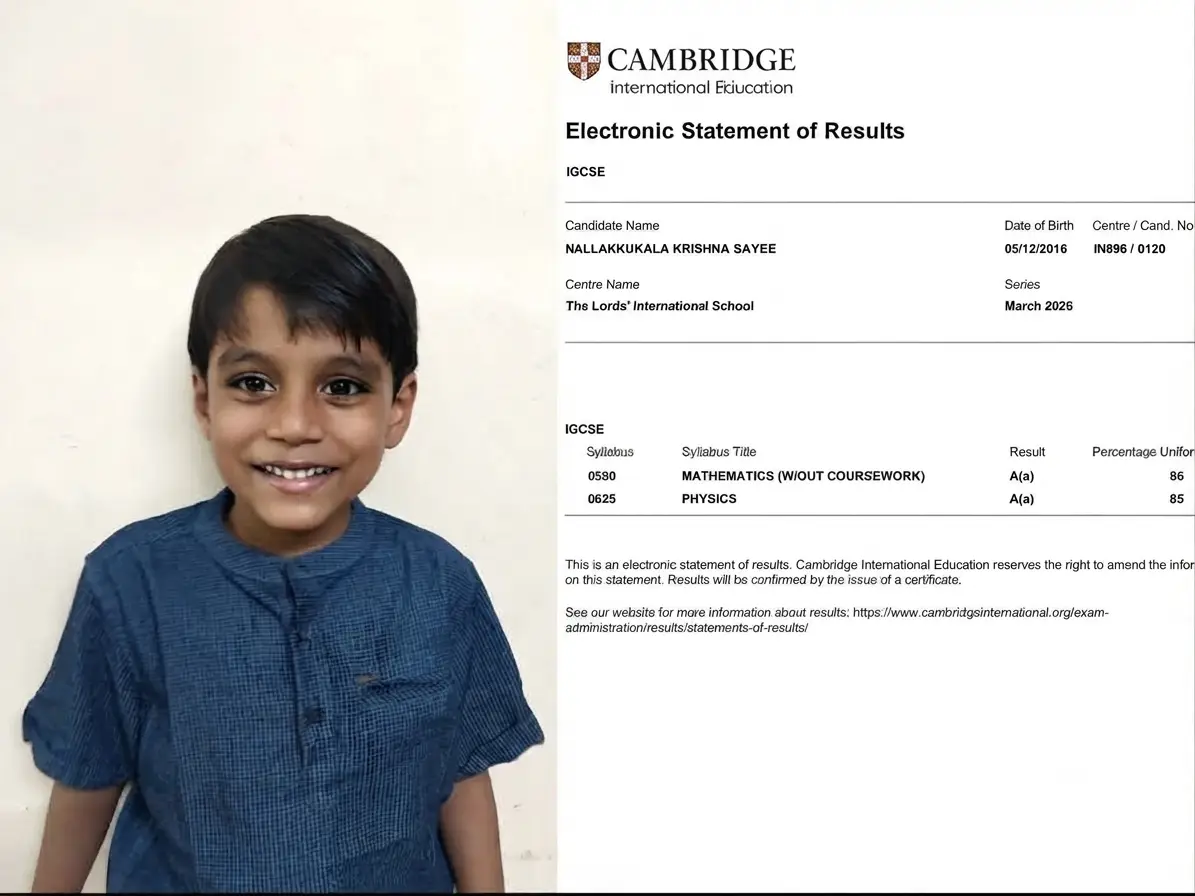)
9-year-old Chennai prodigy clears Cambridge IGCSE grade 10 exams
)
Reacher actor Alan Ritchson, wife Catherine part ways after 20 years of marriage
)
Why does your body need time to adjust after a long journey?
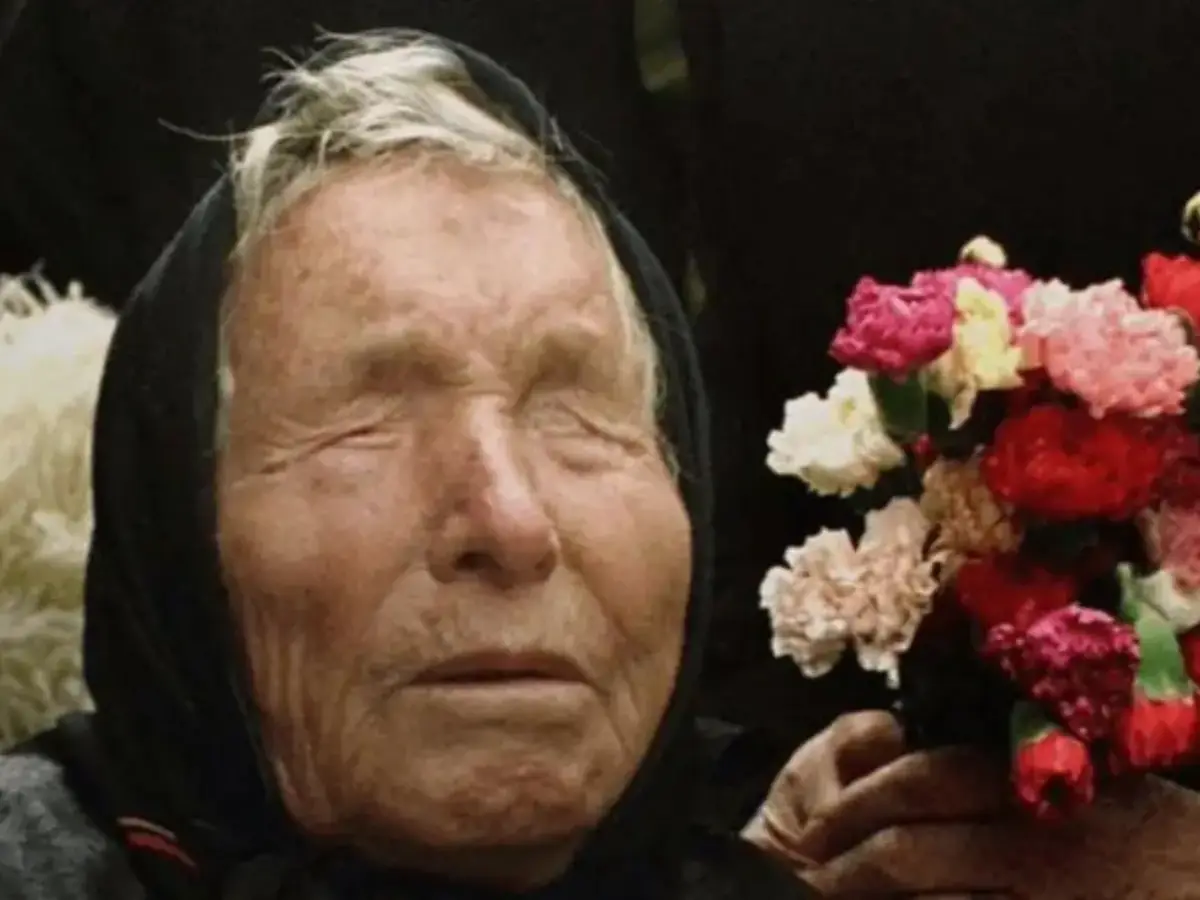)
Baba Vanga's first prophecy for 2027 is out, and straight out of science fiction
)
Why does your skin need protection from UV rays?
)
How does the loss of forests affect the way wildlife lives and moves?
)
IND vs AFG, 1st T20I: When and where to watch live streaming in India?
)
Anthropic is giving Claude to schools free, and the reason is not philanthropy
)
BRICS Summit: China resumes Guangzhou-New Delhi flight, issues 'good-neighbourliness' remark ahead of Xi-Modi meet
)
Why do wild animals need quiet places to survive?
)
Humans may lose control of AI: Anthropic CEO calls for slowdown, Altman, Musk back him
It used zero-tolerance language on terrorism in all forms, cross-border movement of terrorists, financing and safe havens, and, most importantly, the ‘rejection of double standards’. Clearly, China concurred with the inclusion of such language.
Support for India’s UNSC aspirations
Mentioned among calls for comprehensive UN reform, including reform of the Security Council to make it more democratic, representative, effective and reflective of developing countries and the Global South, was support for India’s aspirations.
China and Russia, the two permanent members of the UN Security Council from BRICS, reiterated their support for the aspirations of India and Brazil to play a greater role in the UN, including at the UNSC.
Push against the West from tariffs to climate, but in subtle language
It was not lost on anyone which countries the BRICS declaration was referring to when it pushed back against certain trade and climate measures. Trump tariffs and energy trade curbs have, in the past couple of years, affected several BRICS nations, particularly China, India, Russia and Brazil.
The summit took a clear stance against unilateral tariffs and trade restrictions. This, as well as climate change measures such as the EU-led carbon border adjustment mechanisms (CBAMs), were described as potentially unilateral, punitive, discriminatory or protectionist and inconsistent with international law.
The declaration called unilateral coercive measures and sanctions contrary to international law.
It called for a better position for the Global South in key financial institutions such as the International Monetary Fund and World Bank, as well as greater representation in global trade institutions such as the World Trade Organization.
United on economic and financial cooperation
The declaration made it clear that the BRICS Payment Task Force is going to continue working towards efficient, fast and low-cost cross-border payments among member countries. Without mentioning dedollarisation or a BRICS currency, it advocated local-currency trade settlements and investments.
There was also the establishment of the BRICS Task Force on Growth and Development, a proposed BRICS repository for digital public infrastructure with pilot projects, and a BRICS-New Development Bank Knowledge Portal.
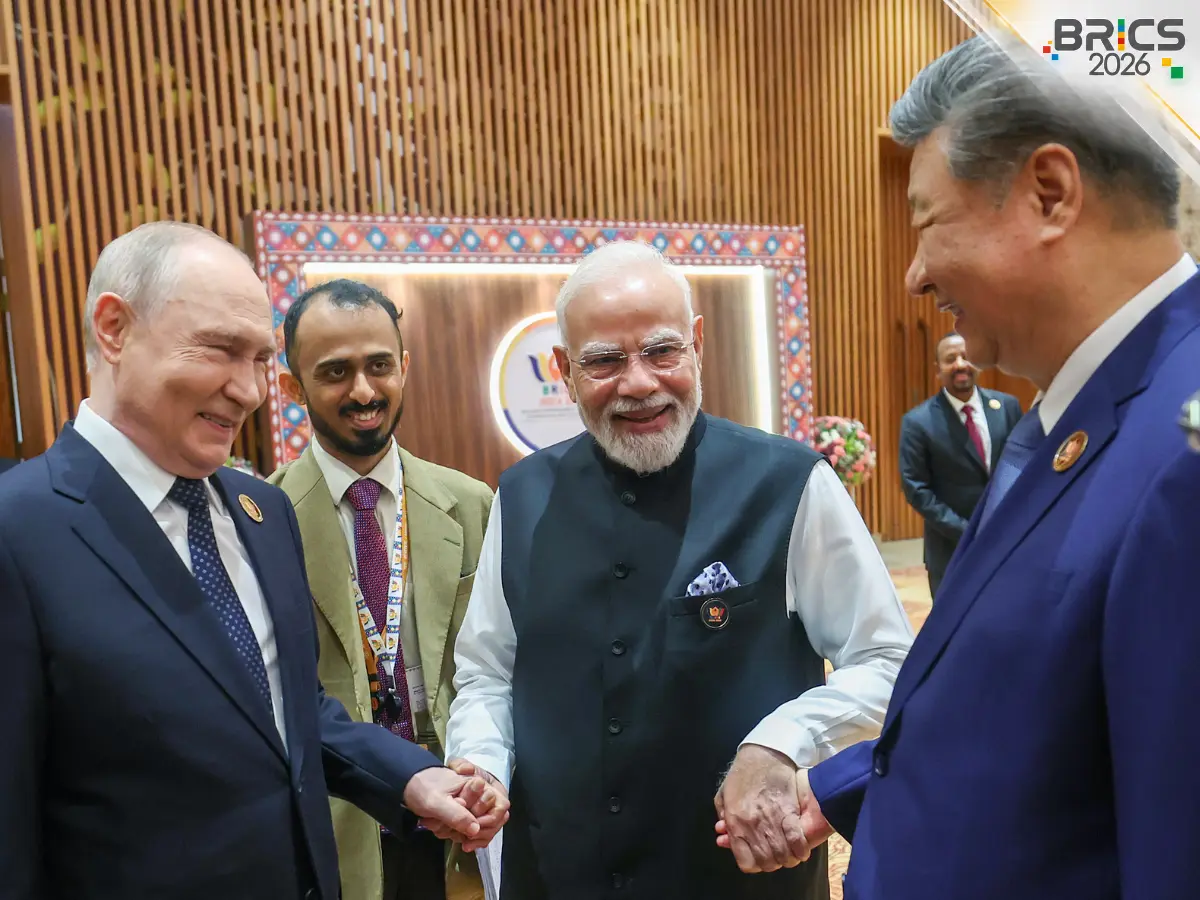
The China-India optics that went well
The China-India dynamic was being keenly watched, given that President Xi Jinping was visiting the nation after a long gap. The group gave its support to China’s 2027 chairship.
The group achieved consensus on a wide range of issues, including global governance, multilateralism, multipolarity, sustainable growth and people-to-people ties.
The spirit was one of mutual respect. The prior deadlocks were resolved.
BRICS Summit Declartion might be largely declaratory and initiative-based. But it is far better than the paralysis seen in several other regional and multilateral organisations.
The Declaration was adopted on the first day of the summit itself. But its outcomes remain subject to subsequent implementation. That can happen only when the grouping remains consensus- and respect-based.