
&imwidth=800&imheight=600&format=webp&quality=medium "Anthropic is giving Claude to schools free, and the reason is not philanthropy")
Anthropic has launched Claude for Teachers as a free Enterprise offering for schools and districts, with centrally managed access and single sign-on.
The pricing will lead the coverage. The administrative detail is the more consequential part.
Why Central Management Is The Point

Teachers have been using AI tools in classrooms for two years, mostly without institutional involvement — personal accounts, personal subscriptions, no visibility for the school and no record of what was used or how.
Central administration with single sign-on changes what a school can do about that. It gives an institution a list of who has access, the ability to revoke it, a consistent configuration, and an audit trail. For a district lawyer or a data protection officer, that is the difference between a tool they can sanction and one they have to pretend is not happening.
Free removes the remaining obstacle, which is not usually the licence cost. It is the procurement process that a licence cost triggers — the evaluation, the budget line, the committee. A free tier with enterprise controls can be adopted by a district without any of that.
Trending Stories
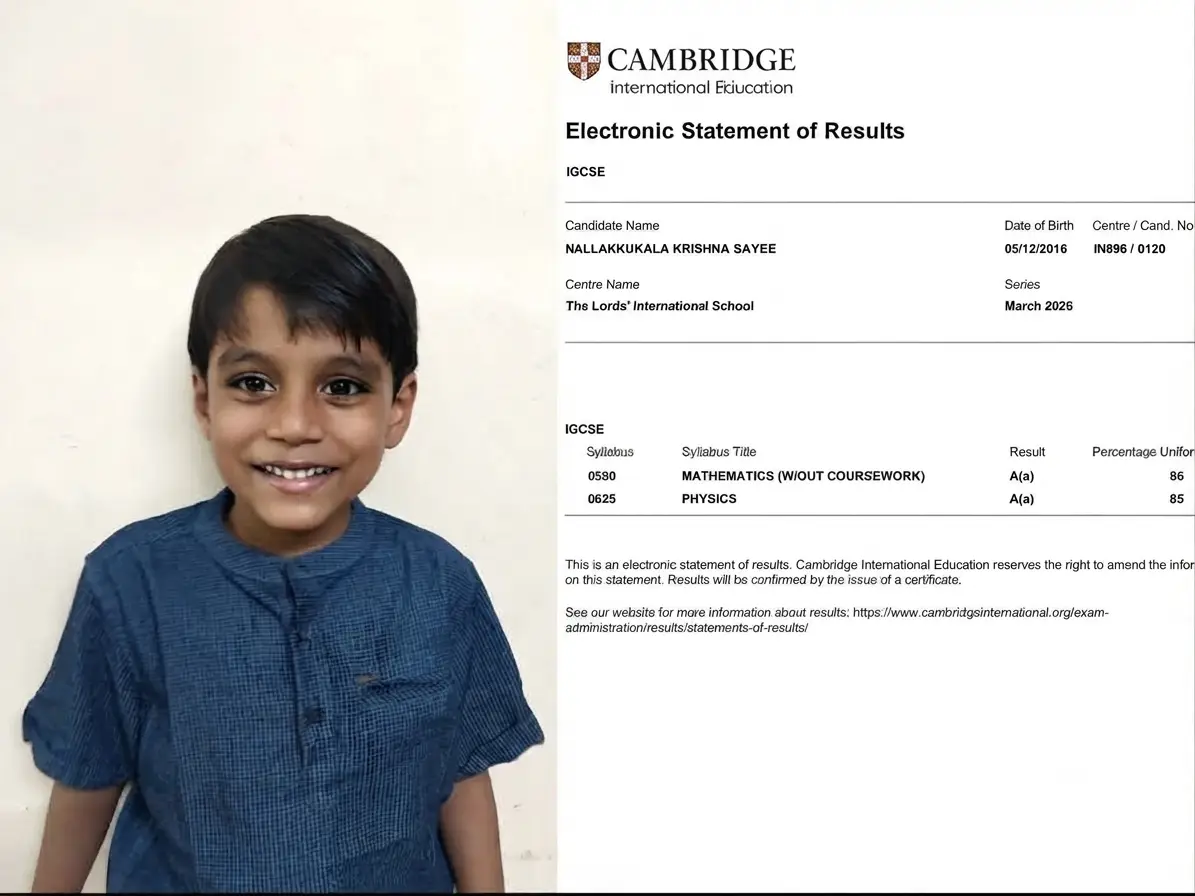)
9-year-old Chennai prodigy clears Cambridge IGCSE grade 10 exams
)
BRICS Summit 2026: Top world leaders in New Delhi; West Asia war casts shadow on BRICS Summit
)
BRICS Summit: China resumes Guangzhou-New Delhi flight, issues 'good-neighbourliness' remark ahead of Xi-Modi meet
)
Houthis vs Saudi Arabia: East-west oil pipeline shut after drone attacks from Iraq
)
Years before 9/11, CIA warned Clinton, Bush of 'explosive-packed airplane attack': What newly released files reveal
)
IND vs AFG, 1st T20I: When and where to watch live streaming in India?
)
South Africa batter Jordan Hermann hits highest individual score on ODI debut
)
BRICS Summit 2026: South Africa says it will use the summit to advance its economic priorities
)
BRICS Summit 2026: Iran's Pezeshkian praises PM Modi at BRICS
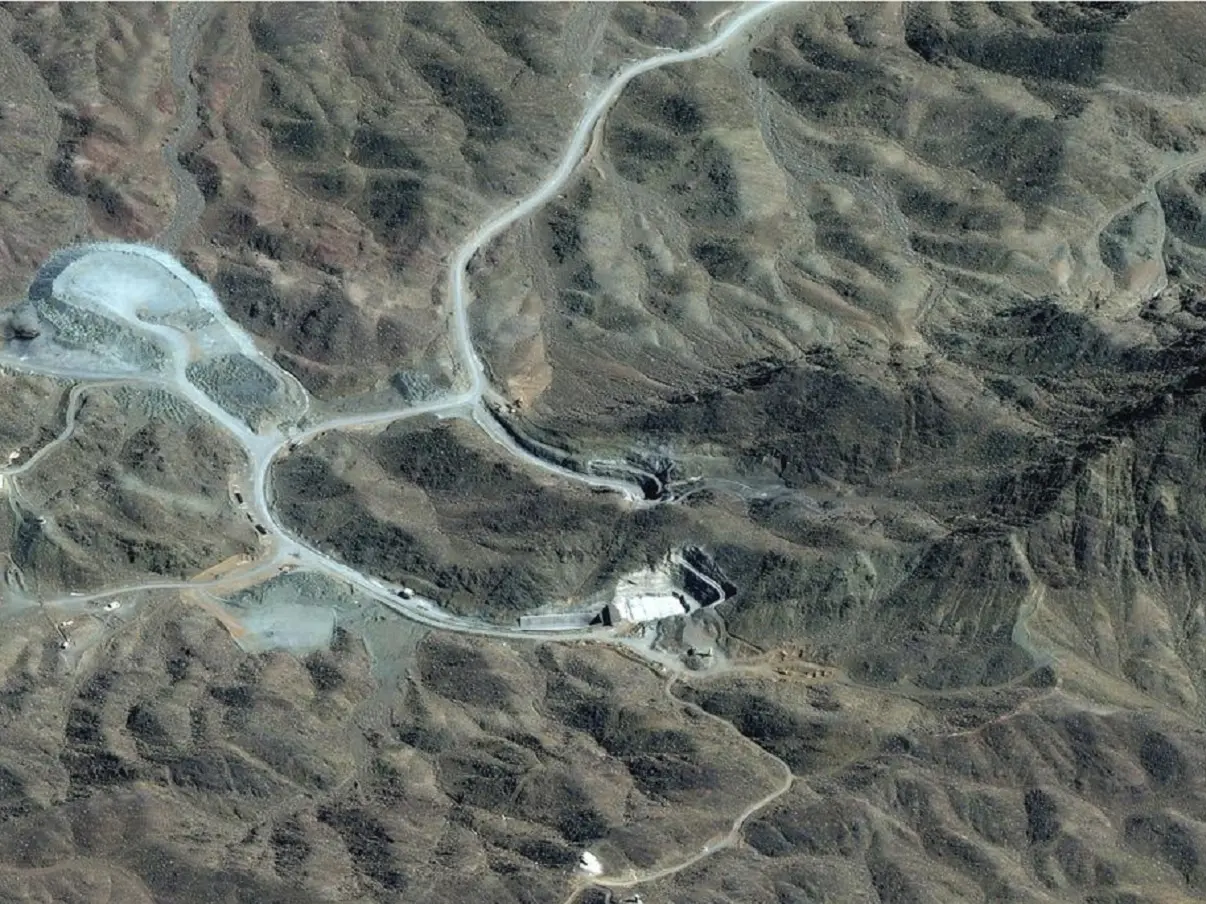)
Satellite images show construction surge at Iran’s Pickaxe nuclear site amid US war
)
BRICS summit: India faces delicate Iran-UAE diplomatic test
)
800 million years old - Scientists discover 'fingerprints' of supercontinent Gondwana in ancient rocks
)
Did you know THIS actor narrowly escaped the 9/11 terror attacks due to a last-minute change of travel plans?
)
Baba Vanga's first prophecy for 2027 is out, and straight out of science fiction
)
Lady Gaga is a mom! Oscar-winning singer welcomes first child with fiance Michael Polansky
)
Saudi Arabia shuts East-West oil pipeline, key Hormuz bypass, after attacks
)
BRICS Summit 2026: 30+ countries seek BRICS membership
)
Karthik Subbaraj’s Dorothy gets a standing ovation at TIFF world premiere
)
Gravitas | Iran hammers US air power in West Asia after Navy badly hit
)
Satya Niketan horror: Who is responsible?
)
WION Expertspeak: Understanding India's BRICS presidency amid wars, trade tensions and global turmoil
)
Israel spent nearly $470,000 on PM's hair, makeup since 2019, data shows
)
North Korea fires missiles after US, South Korea and Japan military drills but America says 'does not pose immediate threat'
)
Vladimir Putin in New Delhi for BRICS Summit: Russia-India defence, energy and nuclear ties in focus ahead of meeting with PM Modi
&im=FitAndFill=(700,400))
New Friday OTT releases (September 11, 2026): The Revolutionaries, Vishwanath & Sons, Ghamasaan- 6 new titles coming on Netflix, Prime Video and more
)
Frustrated man demolishes his kitchen after thousands flock to see Mother Mary his wife spotted on the wall
)
BRICS Summit 2026: Rivals in West Asia, partners in BRICS, UAE, Iran, and Saudi delegations in Delhi
)
After praising Modi, Pezeshkian meets Indian religious leaders, Hurriyat's Mirwaiz Umar Farooq
)
Delhi's top luxury hotels turn into high-security fortress hubs for BRICS 2026 delegations
)
In first of its kind, Trump admin deports Afghan woman via Alien Terrorist Court
)
BRICS Summit 2026: PM Modi meets Malaysia, Ethiopia leaders; defence ties, trade in focus
)
Osama Bin Laden's son ALIVE? Al-Qaeda releases video 7 years after US declared him dead
The Strategy, Named Plainly
Free distribution into education is one of the oldest plays in the technology industry, and it works.
Apple did it with school computers. Google did it with Chromebooks and Workspace, and in doing so captured a generation's default assumptions about what a document is and where it lives. The mechanism is not brand loyalty in any sentimental sense — it is that the tool a person learns on becomes the tool they are fluent in, and fluency is what people carry into workplaces that then buy licences.
For a company preparing to go public on projected revenue growth, a channel that builds future demand at the cost of serving it is a rational investment. Saying so is not cynicism; it is the reason the offer exists and can be taken at face value.
The Questions Schools Should Ask
Three things are worth establishing before a district deploys this, and they are not answered by the announcement.
What happens to student and teacher inputs — whether they are used for training, how long they are retained, and what the deletion path is. Whether 'free' is permanent or introductory, because a tool embedded in lesson planning across a district is expensive to remove later. And what the exit looks like: whether material created in the tool can be exported in a usable form if the school leaves.
These are the standard questions for any institutional software adoption. Free tends to suppress them, because the procurement process that would normally ask them is the process being bypassed.
The Part That Is Genuinely Useful
None of that makes this a bad offer for schools, and it would be wrong to imply otherwise.
Teachers are already using these tools. The realistic alternative to a managed deployment is not abstention — it is the current situation, in which staff use personal accounts with no oversight, no data agreement and no institutional record. A sanctioned tier with administrative controls is straightforwardly better than that, on privacy grounds as much as on pedagogical ones.
The correct posture is to take the offer and read the terms, rather than to treat free as a reason to skip the reading.
What To Watch
Whether the free tier carries usage limits that make it workable for a whole district or only for pilots. Whether OpenAI and Google respond with comparable education tiers, which would turn this into a distribution contest. And whether education authorities set procurement standards for AI tools — because at present each district is negotiating alone against companies that have done this many times.
