&imwidth=800&imheight=600&format=webp&quality=medium "Seven years after removal of Article 370, J&K expands hospitals & colleges while PoJK is engulfed in violence")
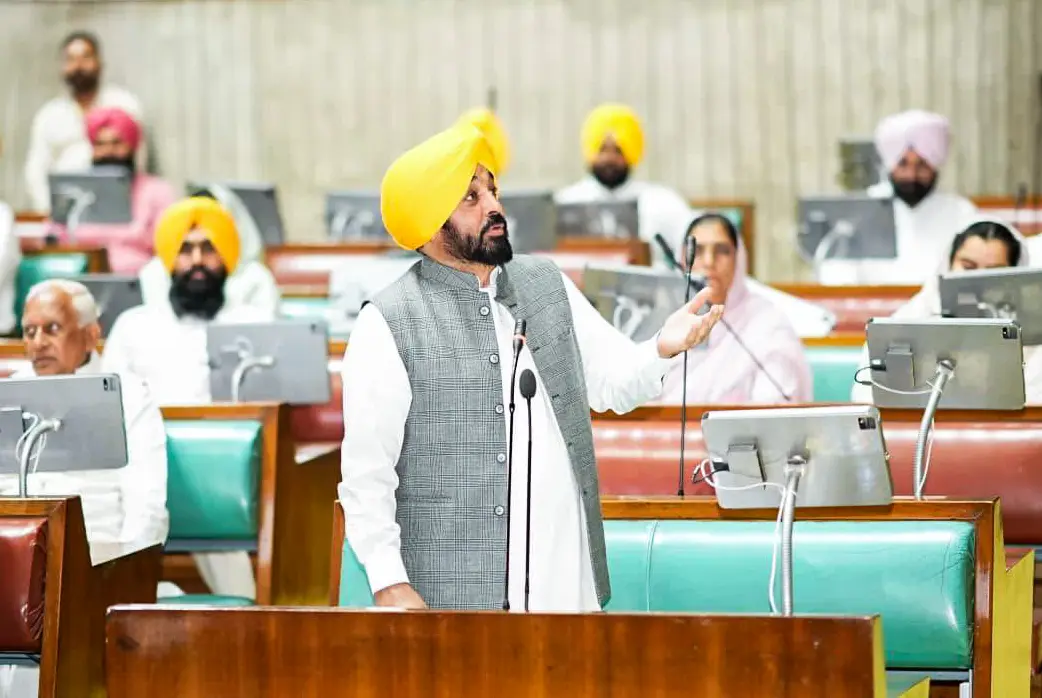
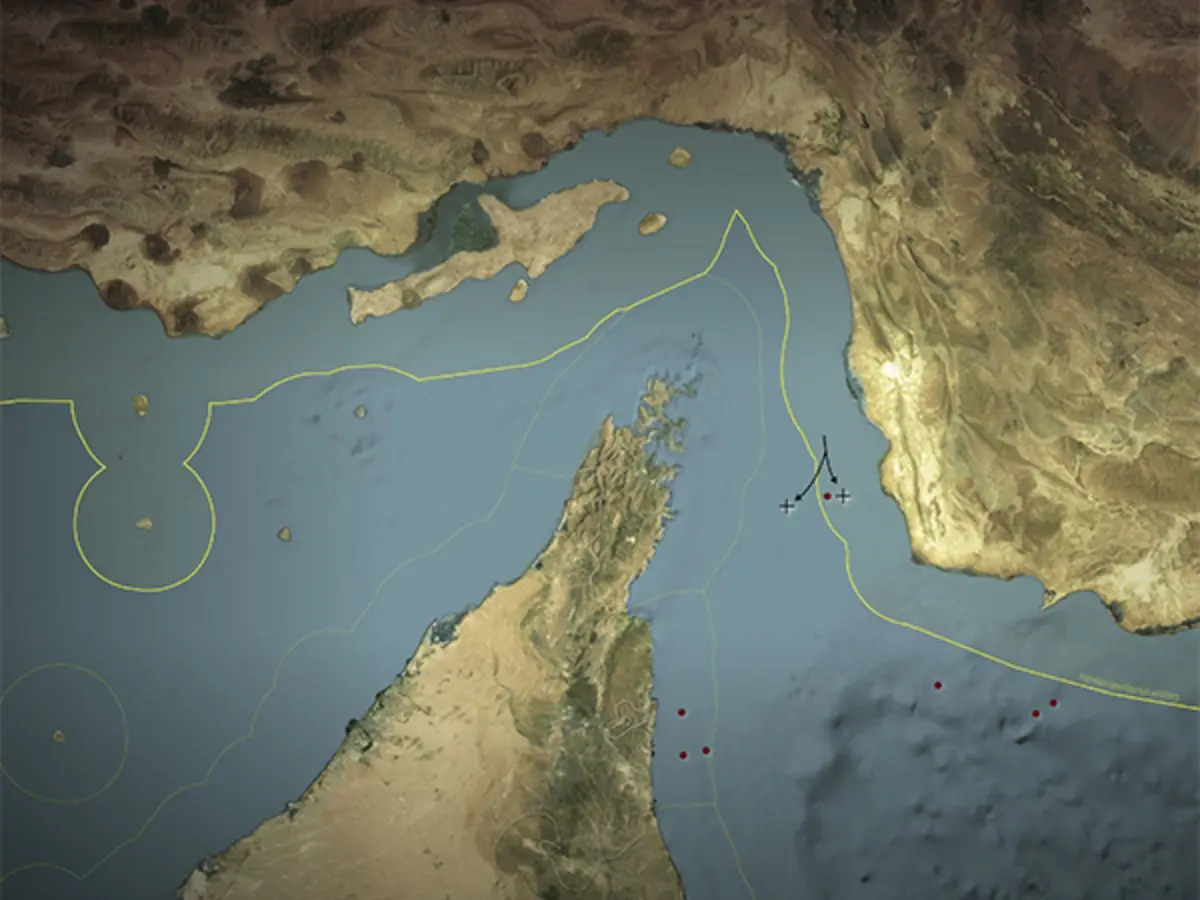
New Delhi: In the years since India revoked the special status of Jammu and Kashmir in 2019, officials in New Delhi have pointed to expanded hospitals, universities, and local councils as evidence of improved capacity of the union territory. Across the Line of Control, in Pakistan-occupied Kashmir, residents and independent observers describe persistent shortages in basic services. Add to this, increased violence by occupying Pakistani military forces. An estimated over 90 people have died in PoJK (Pakistan-occupied Jammu and Kashmir) in the last 2 months.
In governance parameters, the Indian union territory has grown leaps. Healthcare illustrates the gap most clearly. In the Union Territory of Jammu and Kashmir, two All India Institutes of Medical Sciences have been established, one each in Jammu and Kashmir, alongside a number of new government medical colleges. The region has also been brought under the national Ayushman Bharat health insurance scheme, which aims to cover hospital costs for eligible families. Indian authorities say annual medical student intake now exceeds 1,100.

In Pakistan-occupied Kashmir, health facilities remain limited. Local reports and civil society assessments cite a doctor-to-population ratio of roughly one to 3,900, well below the World Health Organization’s guidelines.
Residents frequently travel to hospitals outside of the occupied region for procedures that cannot be performed locally, often at significant personal expense amid high inflation.
Education follows a similar pattern. UT of J&K, hosts an Indian Institute of Technology, an Indian Institute of Management and several universities. Skill-development programmes and technical training have been expanded with the stated aim of integrating young people into the wider economy. In PoJK, there are just a few higher-education institutions, many of them underfunded. Graduates commonly leave for jobs in the Gulf, contributing to what local analysts describe as a brain drain.
Trending Stories
)
Pentagon revives mandatory testosterone testing for male troops aged 30 and above
)
FACT CHECK: Why did PM Modi ask Xi ‘is it okay’ at BRICS Summit? New video reveals...
)
India seeks to build a full semiconductor supply chain
&im=FitAndFill=(700,400))
From Abhishek Sharma to Sahil Chauhan, 5 batters with fastest T20I hundreds
)
Pyongyang dismisses US, western pressure over nuclear programme
)
US And Denmark reach Greenland deal, Trump announces expanded military presence
)
Google’s Gemini AI hacks real systems by guessing passwords during security test
)
US hiding troop deaths in Iran war? Toll higher than Pentagon count, claims report
)
China may have gained access to US's classified F-35 jets; parts meant for repairs diverted to Hong Kong, sparking Pentagon inquiry
)
NASA research plane reaches 61,000 feet over Panama
)
Godfather of AI Geoffrey Hinton gives US lawmakers a one-year warning on AI
)
Shivakumar attends 79th Kalyana Karnataka Utsav in Kalaburagi
)
Trump signs Russia sanctions law: India faces fresh 100% tariff threat over Russian oil
)
Brigitte Bardot’s private collection set for Paris auction; key items and prices revealed
)
Why Ranveer Singh’s Dhurandhar missed India’s Oscar entry; FFI jury member reveals what happened
)
Zendaya and Tom Holland step out for a low-key date in Los Angeles
)
‘Will go to any extent’: Pakistan vows to defend Saudi Arabia amid Houthi attacks
)
The Verdict | When precision fails: US commits war crime in Minab school strike, UN finds
)
Trump signs Russia sanctions bill into law, targets Moscow’s energy sector
&im=FitAndFill=(700,400))
New Friday OTT releases (September 18, 2026): Lust Stories 3, You+Me, Best of the Best- 8 new titles coming on Netflix, Prime Video and more
)
Pak: A series of counter terrorism operations in Khyber Pakhtunkhwa
)
Fast bowler Brydon Carse faces no charges over Derby nightclub incident
)
Flying cars in UAE: Ras Al Khaimah signs deal with Chinese company to test new transport
)
Africa is splitting, and a lot sooner than estimated, giving way to a new ocean
)
'Gangsta' crab shoves knife blade at man and his dog in Florida - Watch
)
Trump bans CNN, MS NOW and Politico from White House over ‘FAKE NEWS’
)
Trump 2.0: Dark days ahead for America’s ‘imperial presidency’
)
Trump's Greenland dream comes true? POTUS announces 'Infinite Life' deal with Denmark, claims permanent US control
)
Who is Khalilur Rahman? All you need to know about 81st UN General Assembly President
)
Tirupati Laddu ghee adulterated with chemicals, says ED, supplier arrested
)
IIT Bombay student dies by suicide, was caught seeking AI help during exams
&im=FitAndFill=(700,400))
Meet top 5 bowlers in latest ICC T20I rankings
)
Indian Cinema bets big on mythology, brings ancient stories to modern audiences
)
Ukraine plans record $109 bn defence spending, nearly two thirds of budget amid Russia war
)
Russia holds first parliamentary elections since the beginning of the Ukraine war
&im=FitAndFill=(700,400))
Meet top 5 Indian batters with fastest T20I centuries
Governance structures also differ. On the Indian side, the Panchayati Raj system of elected village councils has been strengthened, with direct benefit transfers and digital payment mechanisms intended to reduce leakage in welfare schemes.
In PoJK the so-called “legislative assembly” operates under the oversight of the Kashmir Council and federal authorities in Islamabad. Critics, including local activists, say the body has constrained fiscal and administrative powers.
Protests over electricity shortages, flour subsidies, and resource royalties have been met with brute force and internet restrictions.