'Corrupt will go to jail and their chair will also go': PM Modi defends bills to sack jailed ministers

&imwidth=600&imheight=450&format=webp&quality=medium "'Corrupt will go to jail and their chair will also go': PM Modi defends bills to sack jailed ministers")
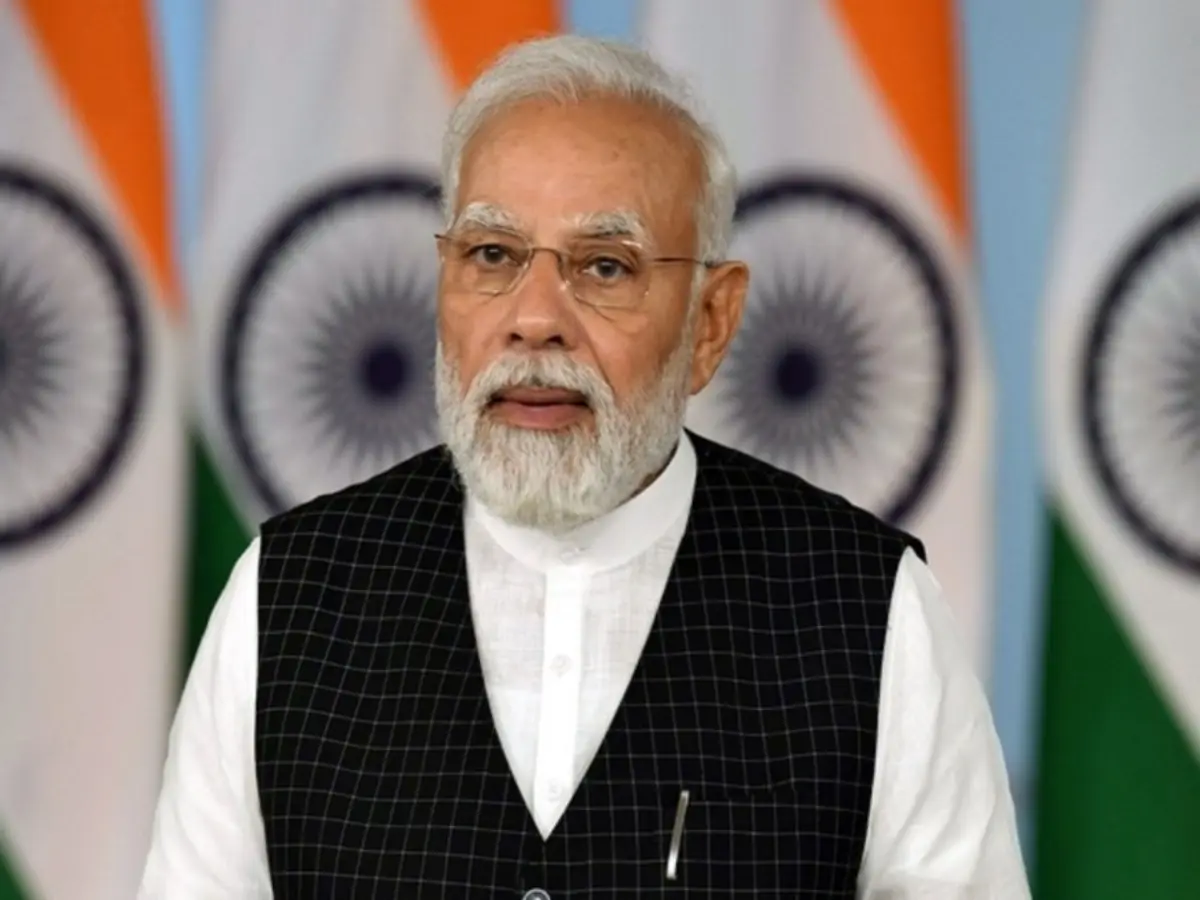
Prime Minister Narendra Modi, Photograph: (ANI)
The three key bills introduced in the Lok Sabha will enable the removal of the Prime Minister, Chief Ministers, and Union and State Ministers who face criminal charges.
Prime Minister Narendra Modi, who was in Bihar Friday to inaugurate several development projects spoke on the constitution amendment bill recently introduced in the parliament that gives the centre the power to remove any prime minister, chief ministers and minister jailed for 30 consecutive days.
" "It is my firm belief that if the fight against corruption is to be taken to its conclusion, no one should be outside the ambit of action. Just think—If a government employee is imprisoned for 50 hours, then he loses his job automatically, be it a driver, a clerk or a peon. But should a chief minister, a minister, or even a Prime Minister stay in the government even while being in jail," he said during a rally in Bihar's Gayaji.
Targeting those opposing the bill the Prime Minister said, "They fear that if they go to jail, all their dreams will be shattered. That is why they keep abusing Modi day and night. They are so rattled that they are even opposing laws meant for public interest...But now, the corrupt will go to jail and their chair will also go."
What is the 'sack jailed ministers' bill
Union Home Minister Amit Shah on Wednesday (Aug 20) introduce three key bills in the Lok Sabha that would enable the removal of the Prime Minister, Chief Ministers, and Union and State Ministers who face criminal charges. The bill would target Indian lawmakers who are "arrested and detained in custody on account of serious criminal charges."
According to the draft of the bills, any prime minister, chief minister, or minister who remains in custody for 30 consecutive days on charges carrying a minimum punishment of five years or more shall be automatically removed from office on the 31st day. The removal as per the proposed bills would be undertaken by the President (for the Prime Minister), Chief Minister (in case of State Ministers), Governor (for Chief Ministers), and Lieutenant Governor (for Chief Ministers in Union Territories).
)
)
)
)
)
)
)
)
)
)
)
)
)
)
)
)
)
)
)
)
)
&im=FitAndFill=(700,400))
)
)
)
)
)
)
)
)
)
)
)
)
)
)
)
