India’s imports from Russia jump 57% in five months; China remains top import source

&imwidth=600&imheight=450&format=webp&quality=medium "India’s imports from Russia jump 57% in five months; China remains top import source")
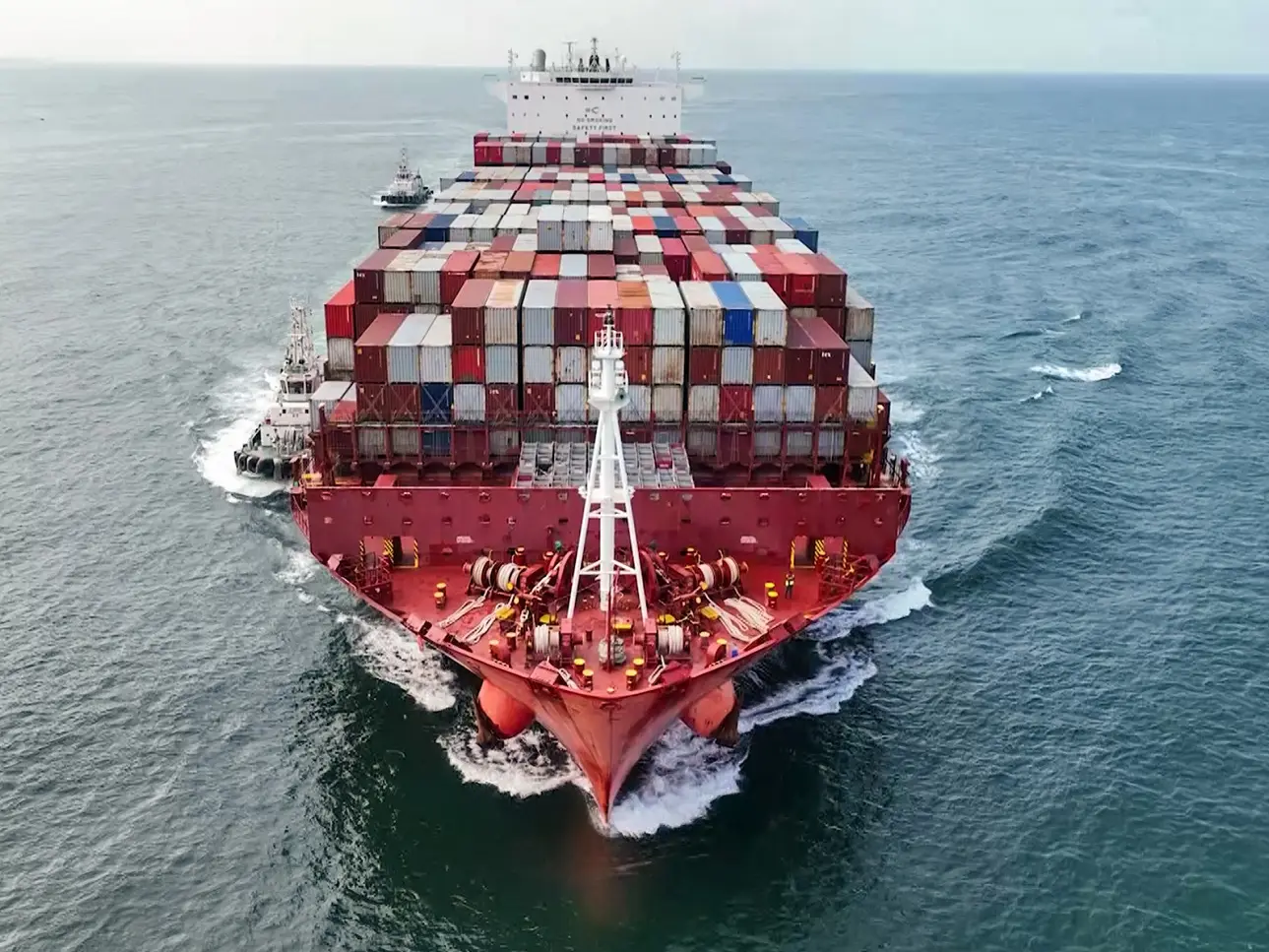
China remained India’s biggest source of imports at $65.49 billion Photograph: (ANI)
On the export side, the US was the largest market at $42.79bn, ahead of the UAE ($13.59bn), China ($9.61bn), Singapore ($9.50bn) and the Netherlands ($6.95bn). In South Asia, Bangladesh was the top destination, taking $4.72bn of Indian goods.
New Delhi: India’s imports from Russia jumped 57% in the first five months of the financial year, official data show, deepening an energy import-driven relationship even as New Delhi presses Moscow and Beijing for greater market access.
Commerce ministry figures released on Tuesday put merchandise imports from Russia at $41.44bn from April-August 2026-2027, up from $26.45bn a year (Apr-Aug 2025-26) ago. Officials said the rise was led by the import of petroleum, fertilisers and vegetable oils.
Bilateral trade is now approaching $70bn a year, with India's import of Russian energy that has significantly increased since the outbreak of conflict in Ukraine in 2022. The surge has left India with a large deficit. External Affairs Minister S Jaishankar raised the imbalance and sought better access for Indian goods during recent inter-governmental talks in Moscow.
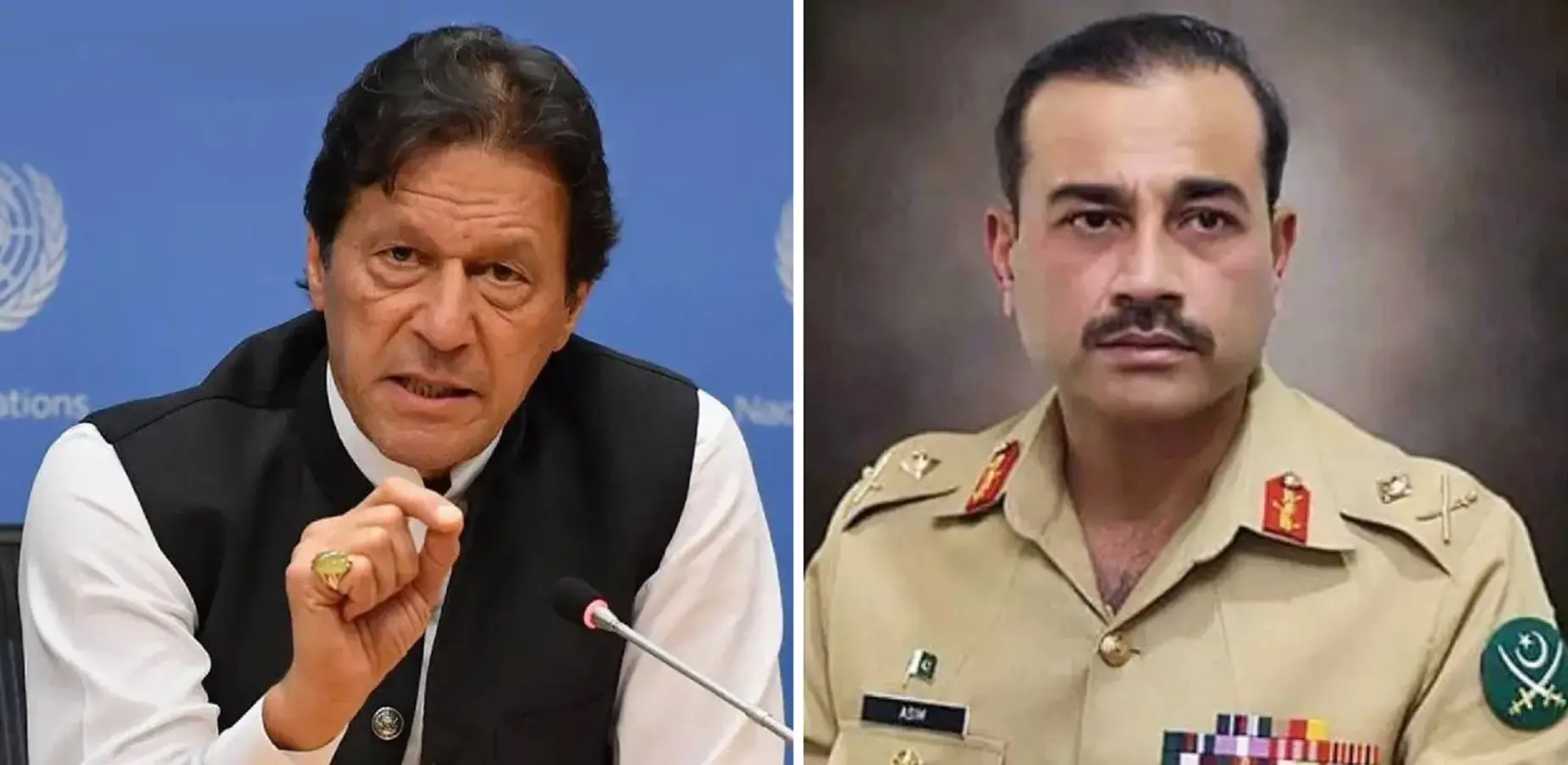
Also Read: Imran Khan’s sons accuse Asim Munir of holding ‘personal grudge’ against imprisoned father
China remained India’s biggest source of imports over the same period, at $65.49bn against $51.56bn a year earlier. The United States followed at $28.09bn, then the United Arab Emirates at $24.36bn and South Korea at $12.10bn. On the export side, the US was the largest market at $42.79bn, ahead of the UAE ($13.59bn), China ($9.61bn), Singapore ($9.50bn) and the Netherlands ($6.95bn). In South Asia, Bangladesh was the top destination, taking $4.72bn of Indian goods.
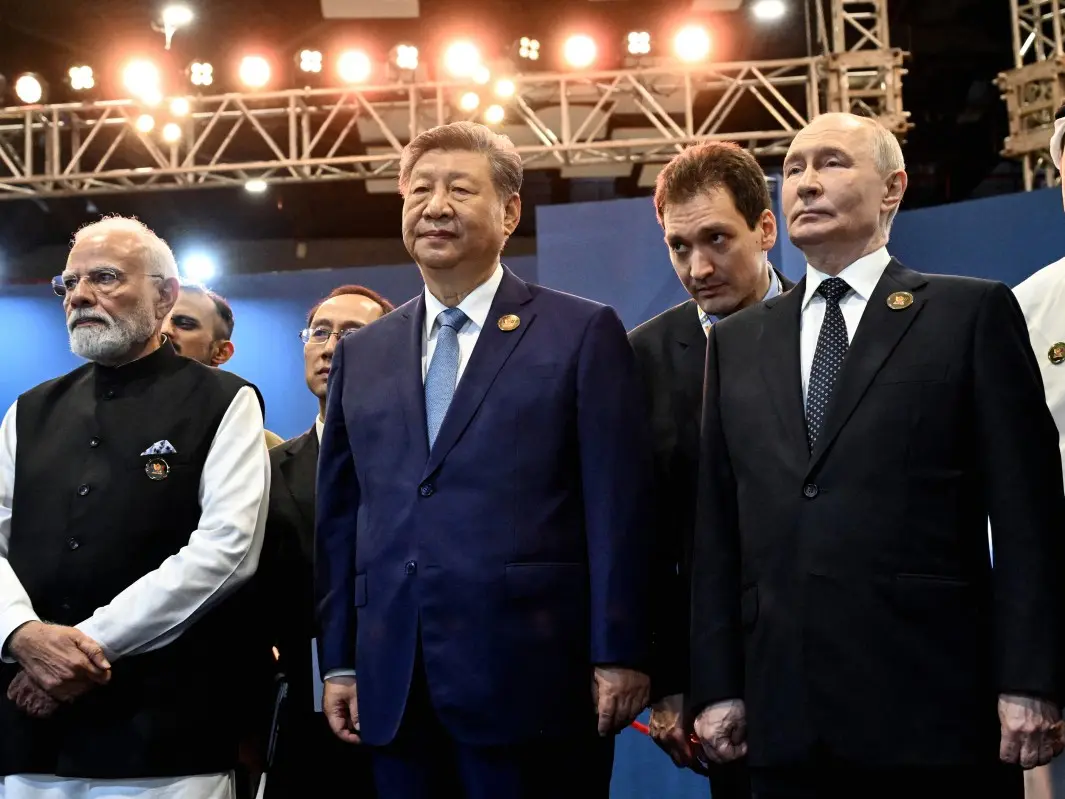
The China figures sit at the centre of a cautious diplomatic thaw. Over the weekend Prime Minister Narendra Modi and President Xi Jinping held their third bilateral meeting since 2024, on the sidelines of the BRICS summit in Delhi. An Indian readout said the two leaders “underlined the need to address each other’s concerns, including structural trade imbalance and supply chain issues, and facilitation of meaningful and predictable market access.”
Trending Stories
)
)
)
)
)
)
)
)
)
)
)
)
&im=FitAndFill=(700,400))
)
&im=FitAndFill=(700,400))
)
)
)
)
)
)
&im=FitAndFill=(700,400))
)
)
)
)
)
)
)
)
)
)
)
)
)
)
)
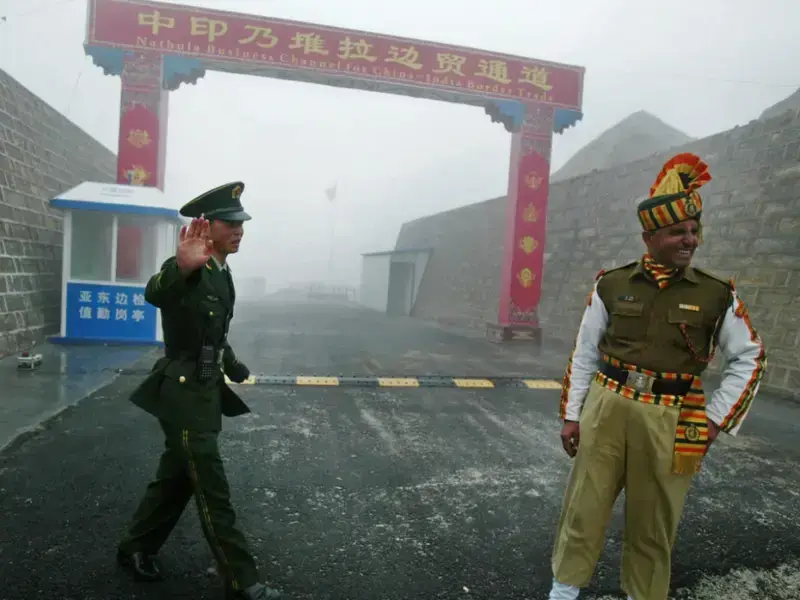)
Commerce Minister Piyush Goyal then met his Chinese counterpart, Wang Wentao. Indian commerce officials described the meeting as an “initial first trading meeting” after a period of “gradual confidence building.” “We are open to engaging with them to find solutions to trade imbalances,” one official said. Both sides, they added, wanted to work on structural concerns. India’s deficit with China exceeded $112bn last financial year.
BRICS itself featured in the trade numbers. Exports to all members rose 13% to $34.53bn in April–August; shipments to the original four partners, Brazil, Russia, China and South Africa, grew 34%. At the weekend BRICS summit in the Indian national capital, member countries focused on more intra-BRICS trade.
New Delhi is also advancing several other talks for free trade agreements and larger trade pacts. Forty-eight Canadian officials are in Delhi for talks on a Comprehensive economic partnership agreement. 2 chapters of a potential agreement are complete and both sides hope to finish by year-end. An India–EU free-trade deal is “moving as per plan” and is also expected to be signed by December.
A pact with New Zealand is due to take effect in the second half of October. Indian Trade Minister Goyal will travel to the United States for a G20 trade ministers’ meeting, where he is expected to meet his counterpart to discuss bilateral issues, including the interim trade arrangement that was announced in February.