Is police misconduct against women normalised at Delhi protests, or a tool of institutional repression?

&imwidth=600&imheight=450&format=webp&quality=medium "Is police misconduct against women normalised at Delhi protests, or a tool of institutional repression?")
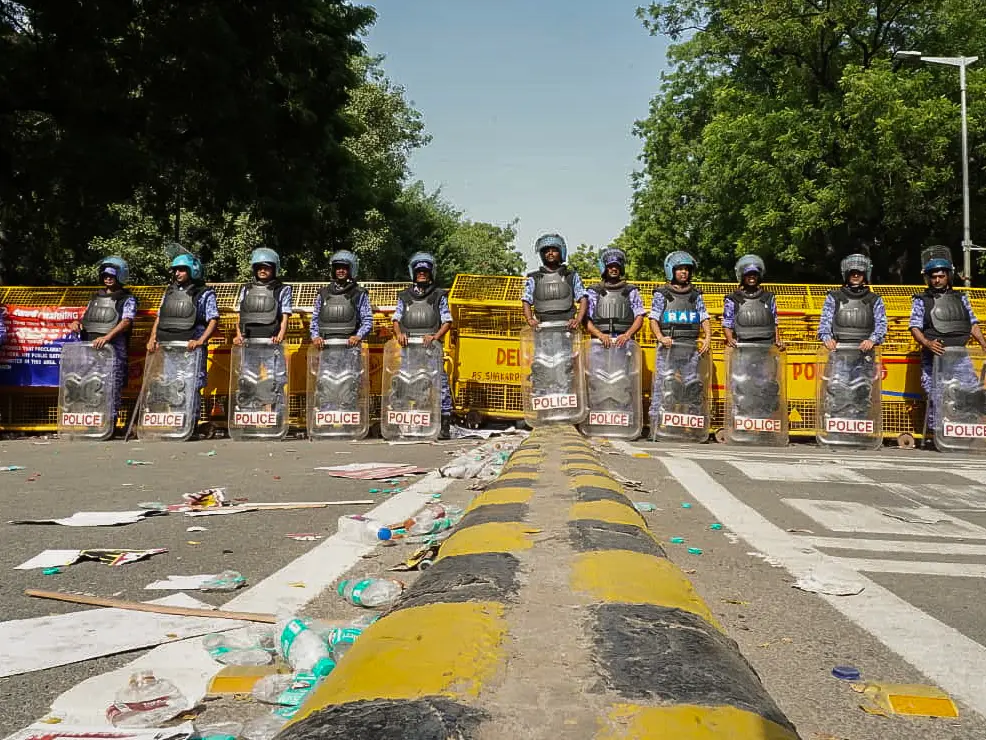
Representational Image Photograph: (ANI)
Harassment allegations from three journalists, filmed slaps and a High Court order to preserve footage: allegations of misconduct against women protesters keep recurring, but the inquiries remain largely inconclusive in police hands.
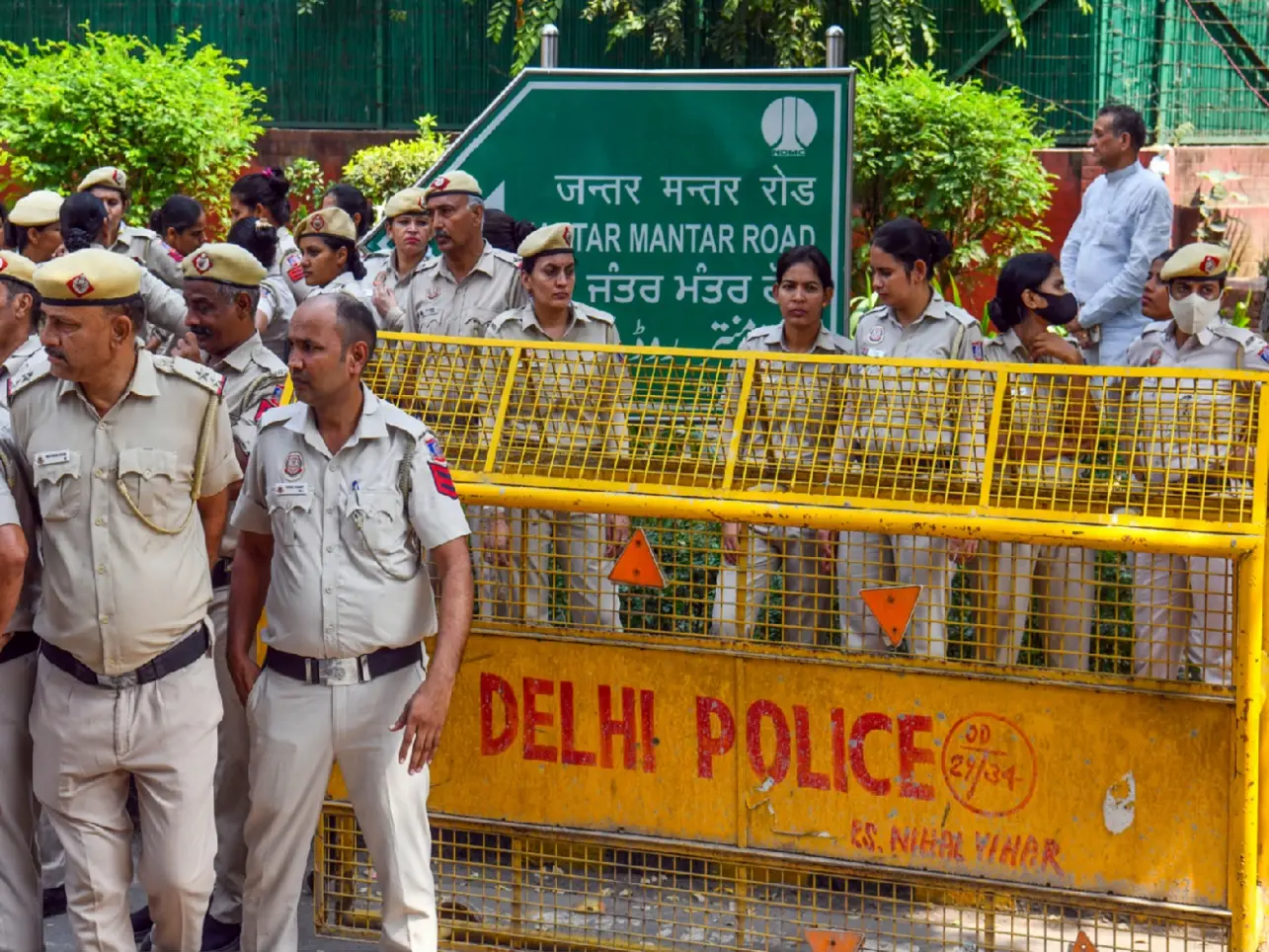
On October 3, three women who identified themselves as journalists said Delhi Police sexually harassed them near Jantar Mantar, in protest against Chief Election Commissioner Gyanesh Kumar over the Special Intensive Revision of electoral rolls.
One of the three women told PTI that Assistant Commissioner of Police (ACP) Vivek Bhagat allegedly sexually assaulted her and pushed her back after she asked why no women police personnel were present. Delhi Police acknowledged that three women journalists had made allegations of sexual harassment against officers and promised a “fair and impartial enquiry”. No FIR has been filed against Bhagat.
Though this was not an isolated incident, there have been several instances of police misconduct against women protestors, with little to no accountability.
Further back in July, during CJP's Sansad Chalo march, a 36-second video shows Additional DCP Sandeep Lamba allegedly slapping a woman near the Parliament complex. Former TMC MP Saket Gokhale then filed a police complaint against Lamba. Its outcome is not known.
Another video from the July protest shows a cop hitting a woman's private part with a stick. In the High Court on July 22, counsel for the petitioners went further. He alleged that policemen molested women, including by using batons on their private parts, and said video evidence exists. These are allegations made in court, not findings. Additional Solicitor General SV Raju defended Delhi Police, alleging stone-throwing by the crowd, and the court asked police to file a response within four weeks.
The problem is not only the alleged misconduct, but how differently the system responds to protesters and to the officers accused of harming them. A DCP-rank officer reportedly told ThePrint that the act of slapping came in the “spur of the moment”. Lamba was reportedly removed from duty at Jantar Mantar with no disciplinary action reported.
Protesters were detained within hours, while a complaint against an officer took days to reach an inquiry and, as of 5 October, had no FIR.
One journalist said she waited more than three and a half hours at Parliament Street police station for an FIR to be registered. On 5 October, two days after the complaints, the Delhi government's Home Department assigned Bhagat, current duty charge as Additional DCP, one of 12 officers in the same order. The government describes this as a temporary arrangement with no extra pay or statutory powers, and says the proposal was initiated on 25 August, well before the protest.
Later that day, after criticism, it said Bhagat had asked of his own volition not to take up the charge until the inquiry concludes satisfactorily, and it modified the order for the other 11 officers. The charge was withheld at his request, not cancelled as a disciplinary step.
On October 10, two videos went viral, one showing an uniformed officer in close physical contact with a woman, while trying to restrain her. The officer was seen apologising to her with folded hands.
Trending Stories
&imwidth=280&imheight=210&format=webp&quality=medium)
&imwidth=280&imheight=210&format=webp&quality=medium)
&imwidth=280&imheight=210&format=webp&quality=medium)
&imwidth=280&imheight=210&format=webp&quality=medium)
&imwidth=280&imheight=210&format=webp&quality=medium)
&imwidth=280&imheight=210&format=webp&quality=medium)
&imwidth=280&imheight=210&format=webp&quality=medium)
&imwidth=280&imheight=210&format=webp&quality=medium)
&imwidth=280&imheight=210&format=webp&quality=medium)
&imwidth=280&imheight=210&format=webp&quality=medium)
&imwidth=280&imheight=210&format=webp&quality=medium)
&imwidth=280&imheight=210&format=webp&quality=medium)
&imwidth=280&imheight=210&format=webp&quality=medium)
&imwidth=280&imheight=210&format=webp&quality=medium)
&imwidth=280&imheight=210&format=webp&quality=medium)
&im=FitAndFill=(700,400)&imwidth=280&imheight=210&format=webp&quality=medium)
&imwidth=280&imheight=210&format=webp&quality=medium)
&imwidth=280&imheight=210&format=webp&quality=medium)
&imwidth=280&imheight=210&format=webp&quality=medium)
&imwidth=280&imheight=210&format=webp&quality=medium)
&imwidth=280&imheight=210&format=webp&quality=medium)
&imwidth=280&imheight=210&format=webp&quality=medium)
&imwidth=280&imheight=210&format=webp&quality=medium)
&imwidth=280&imheight=210&format=webp&quality=medium)
&imwidth=280&imheight=210&format=webp&quality=medium)
&imwidth=280&imheight=210&format=webp&quality=medium)
&imwidth=280&imheight=210&format=webp&quality=medium)
&imwidth=280&imheight=210&format=webp&quality=medium)
&imwidth=280&imheight=210&format=webp&quality=medium)
&im=FitAndFill=(700,400)&imwidth=280&imheight=210&format=webp&quality=medium)
&imwidth=280&imheight=210&format=webp&quality=medium)
&imwidth=280&imheight=210&format=webp&quality=medium)
&imwidth=280&imheight=210&format=webp&quality=medium)
&imwidth=280&imheight=210&format=webp&quality=medium)
&imwidth=280&imheight=210&format=webp&quality=medium)
&im=FitAndFill=(700,400)&imwidth=280&imheight=210&format=webp&quality=medium)
&imwidth=280&imheight=210&format=webp&quality=medium)
&imwidth=280&imheight=210&format=webp&quality=medium)
&imwidth=280&imheight=210&format=webp&quality=medium)
&imwidth=280&imheight=210&format=webp&quality=medium)
&im=FitAndFill=(700,400)&imwidth=280&imheight=210&format=webp&quality=medium)
&imwidth=280&imheight=210&format=webp&quality=medium)
&imwidth=280&imheight=210&format=webp&quality=medium)
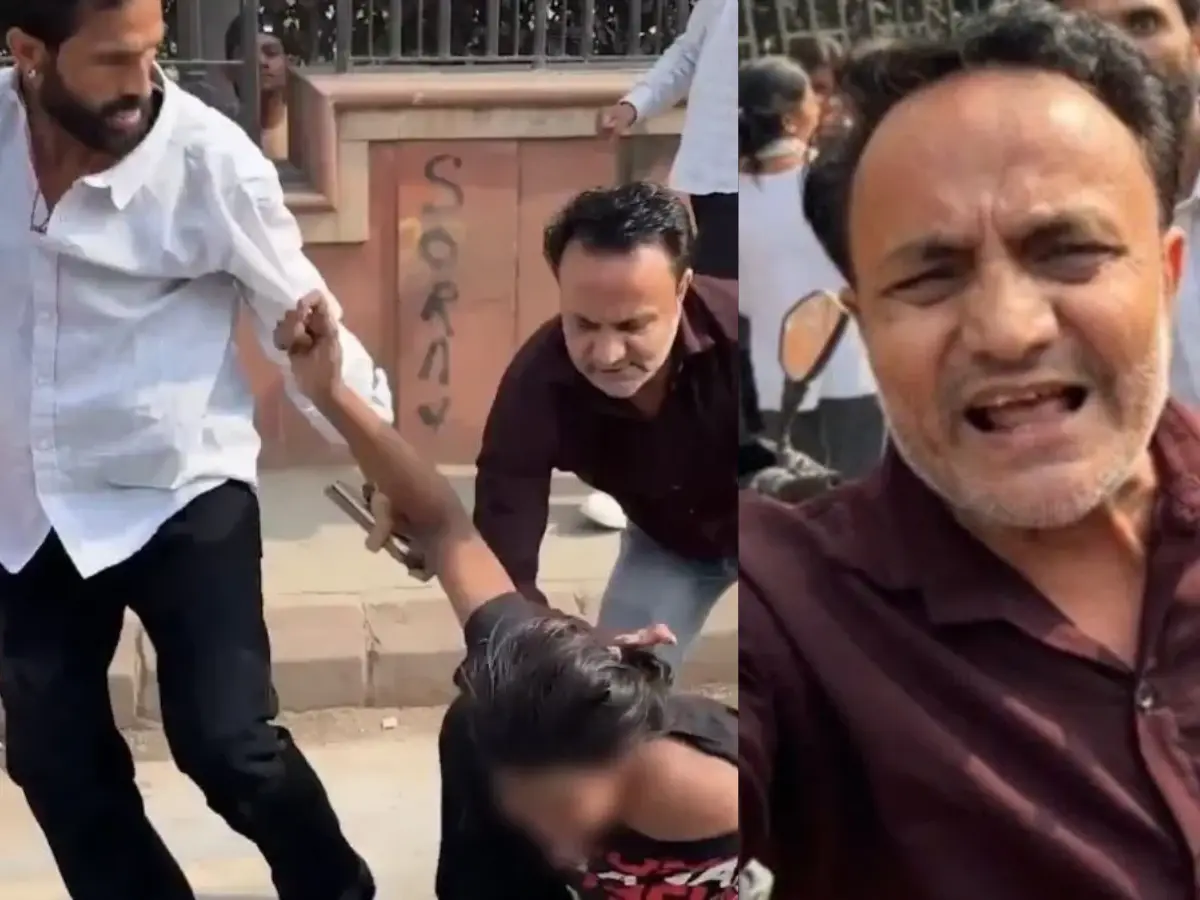
The other video shows four men approaching and assaulting a male protester. When a young woman ran towards the scene, the men threw her to the ground, after which one of them began attacking her. The video showed police standing in proximity to the miscreants while suggesting to them to stop recording.
The Delhi police arrested all four men on October 11, while allegations of the police's failure to take action were also being investigated, The Hindu reported.
From stopping people from recording incidents of misconduct to delaying filing complaints, to investigating these allegations, the resulting bureaucratic push and pull obscures accountability. It results in a climate that discourages women from dissent, making mere participation riskier. It remains inconclusive whether the FIR against ACP Bhagat will be registered, or whether a complaint against Additional DCP Lamba will ever yield an outcome; until then, the gap is stark: the machinery that moves quickly against those who dissent moves slowly when the complaint is against its own.