
&imwidth=800&imheight=600&format=webp&quality=medium "US-China trade truce: Trump says deal is ‘done’ as rare earth exports set to resume")
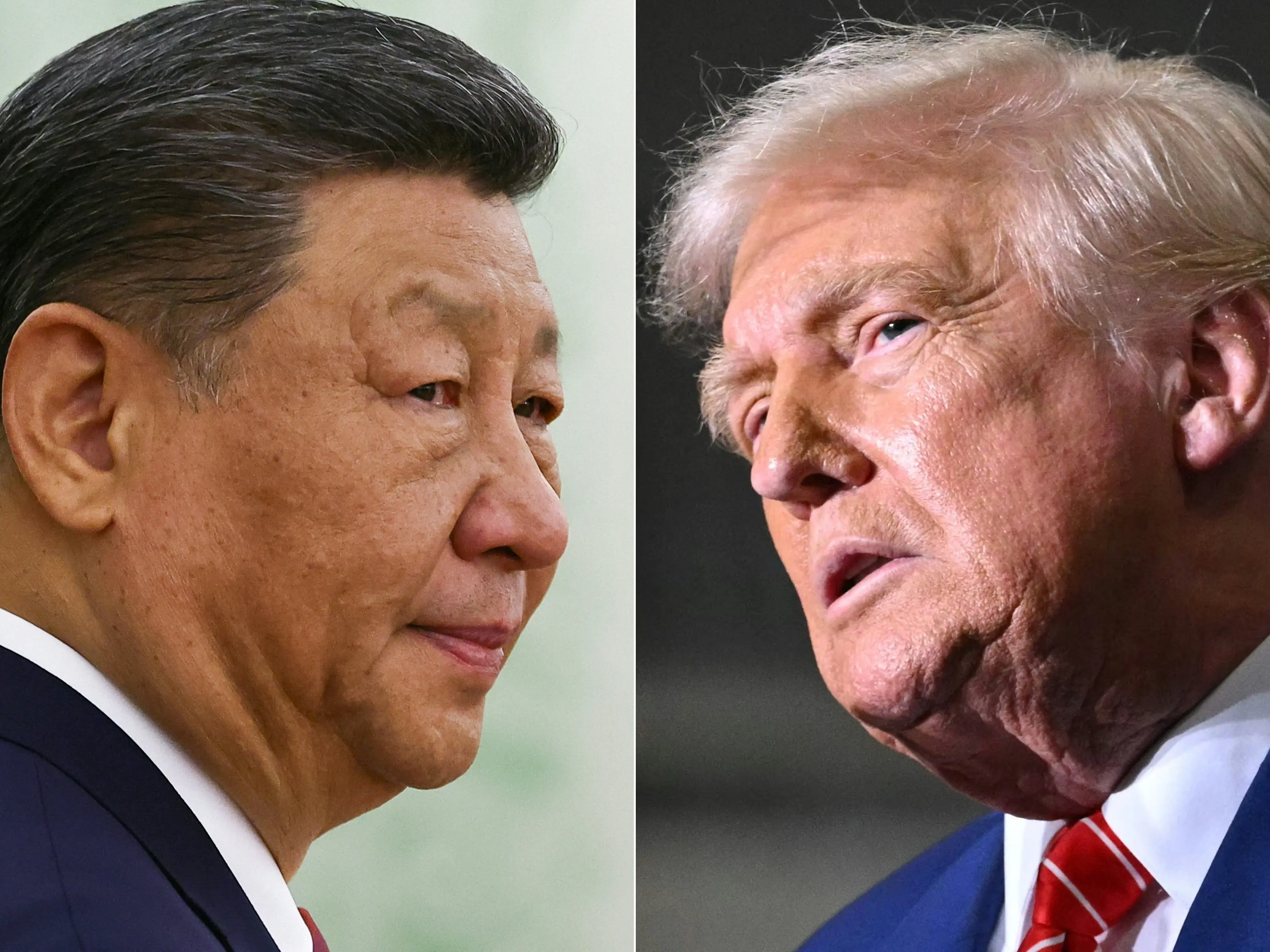
A fragile US-China trade truce appears to be back on track, with President Donald Trump declaring a new deal “done” after months of bitter tariff escalation and critical export curbs. The breakthrough, which includes China’s agreement to resume rare earth mineral shipments to the United States, offers a tentative respite for global markets rattled by the world’s biggest economic rivalry.
Speaking at Washington’s Kennedy Center, Trump announced the agreement, saying: “We made a great deal with China. We’re very happy with it. We have everything we need, and we’re going to do very well with it. And hopefully they are too,” as quoted by Reuters. The deal, finalised after two days of intense negotiations in London, still requires formal approval from Chinese President Xi Jinping. Yet it marks the clearest sign yet of a possible easing of a trade war that has snarled supply chains, stoked inflation fears, and weighed on growth prospects worldwide.
Rare earths at the heart of the deal

One of the most significant elements of the agreement is Beijing’s commitment to remove export restrictions on rare earth minerals and magnetic components essential for manufacturing electric vehicles, smartphones, defence systems, and semiconductors.
China’s curbs on these critical minerals—imposed in February under new export controls citing national security concerns—had threatened to choke US defence and tech supply chains. The United States accused China of weaponising its dominant position, as the country holds roughly 36 per cent of global rare earth reserves and nearly 70 per cent of refining capacity. As per Reuters, the White House says the understanding is designed to implement a Geneva framework agreed in May, which committed China to removing non-tariff countermeasures imposed on the US since April 2. However, negotiations had faltered over these mineral export curbs, prompting Washington to retaliate with its own controls on semiconductor design software and other high-end technologies.
US Commerce Secretary Howard Lutnick told Bloomberg that China had agreed to “deliver rare earths to us” and in return, the US would “take down our countermeasures.” While Lutnick described the final rare earths deal as “balanced,” he did not detail specific mineral types or shipment volumes.
Trending Stories
Tariff freeze at 55 per cent
Another headline element of the new agreement is the fixing of US tariffs on Chinese imports at 55 per cent, a composite rate built from layers of duties imposed over Trump’s second term. According to a senior White House official, this figure includes 25 per cent legacy tariffs from Trump’s first term, 20 per cent in response to alleged fentanyl trade routes through China, and a 10 per cent blanket tariff announced in February 2025. In return, China is expected to maintain a 10 per cent reciprocal tariff on US goods. Trump confirmed the deal on his social media platform Truth Social, stating: “Full magnets, and any necessary rare earths, will be supplied, up front, by China. Likewise, we will provide to China what was agreed to, including Chinese students using our colleges and universities.”
This exchange on student visas reflects a concession on another sticking point in bilateral ties, with Trump previously threatening tighter controls on Chinese nationals studying sensitive subjects in US institutions.
Timeline of a bruising trade war
The latest deal follows a turbulent year of tit-for-tat trade measures that reignited tensions between Washington and Beijing.
In February 2025, Trump issued an executive order imposing a blanket 10 per cent tariff on all Chinese imports and scrapping the de minimis exemption for small parcels, arguing that e-commerce routes were being used to funnel fentanyl into the US. Beijing retaliated with tariffs on American coal, LNG, crude oil and vehicle parts, while also introducing new export controls on rare earths. By March, the conflict had escalated further, with the US hiking tariffs to 20 per cent, then to 54 per cent under Trump’s so-called “Liberation Day” order. China matched these moves, slapping tariffs as high as 125 per cent on some US products and filing a formal complaint at the World Trade Organization.
A fragile ceasefire emerged in May after talks in Geneva produced a 90-day moratorium on new trade measures. But tensions soon resurfaced when the US accused China of failing to deliver on commitments to resume rare earth shipments. A turning point came in early June with a 90-minute phone call between Trump and Xi, which paved the way for high-level negotiations in London from June 9–10. Officials say these marathon sessions “put meat on the bones” of the Geneva framework, culminating in Trump’s declaration on June 11 that the deal was “done.”
A fragile peace?
Despite the White House’s upbeat messaging, analysts caution that the agreement remains short on detail and vulnerable to collapse. “It’s a done deal, according to President Trump, but we haven’t seen any details, which is why I think the market is not reacting to it yet,” Oliver Pursche, a senior adviser at Wealthspire Advisors, told Reuters. The World Bank has already cut its 2025 global growth forecast to 2.3 per cent, citing tariff escalation and policy uncertainty. Even with this new framework in place, there is deep scepticism over whether both sides can avoid another round of brinkmanship.
For now, the deal offers a sliver of hope that the world’s two largest economies can avoid another damaging escalation. But with implementation mechanisms still pending, and a long history of breakdowns in trust, the road to a lasting trade peace remains highly uncertain.
(With inputs from the agencies)