
&imwidth=800&imheight=600&format=webp&quality=medium "Trump threatens higher tariffs as US-Japan trade row deepens")
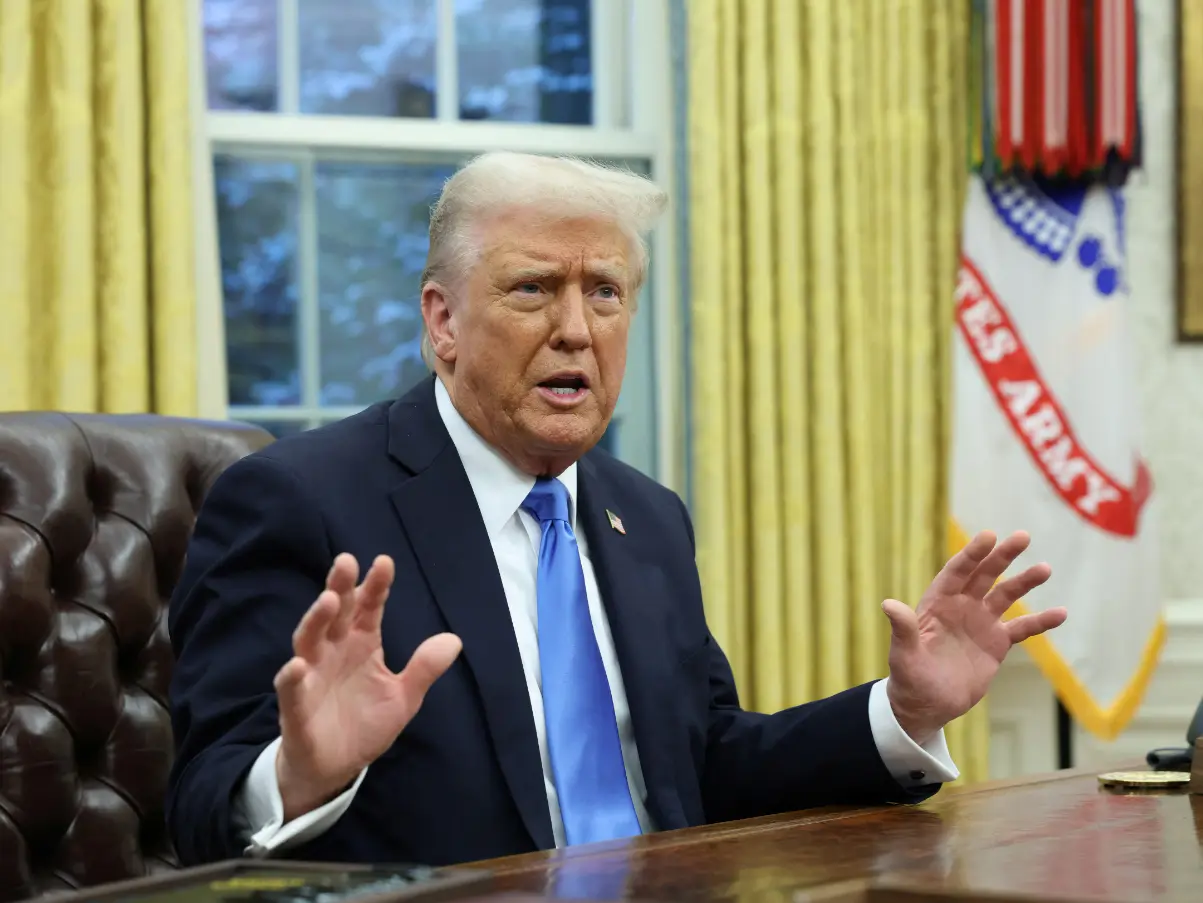
US President Donald Trump has turned up the heat on trade talks with Japan, threatening sharply higher tariffs unless Tokyo makes new concessions on American exports. His remarks come as a crucial July 9 deadline approaches, raising fears of an escalation that could impact everything from rice to cars.
Trump complains about Japan’s rice imports
In a social media post on Monday, Trump criticised Japan’s reluctance to import American-grown rice despite what he called a “massive rice shortage” in the country. Writing on his Truth Social platform, he accused trading partners of becoming “spoiled” when dealing with the United States.

“I have great respect for Japan, they won’t take our RICE, and yet they have a massive rice shortage,” Trump said. He also indicated his administration would soon be sending formal notices to partners about the planned tariff increases, as per Reuters. This latest outburst follows his Sunday comments, in which he accused Japan of “unfair” trade practices in the automobile sector. Such remarks have become a hallmark of Trump’s second-term trade strategy, marked by tough rhetoric and an emphasis on what he calls fairer terms for American producers.
July 9 deadline looms for tariff hike
Trump’s administration had earlier imposed a temporary 10 per cent tariff rate on a broad range of imports. But those rates are set to snap back to much higher levels, between 11 and 50 per cent on 9 July if no new deals are finalised. Treasury Secretary Scott Bessent told Bloomberg Television that the White House would notify countries of these higher rates if negotiations stalled. He acknowledged that some countries were bargaining in good faith but insisted the threat of tariffs was needed to maintain pressure.
Trending Stories
)
‘I have a big decision coming up’: Trump says he’s approaching major ‘crossroad’ in Iran war
)
Chiefs tight end Travis Kelce named one of the victims in $35 million ponzi scheme
)
FACT CHECK: Why did PM Modi ask Xi ‘is it okay’ at BRICS Summit? New video reveals...
Mandakini breaks silence on Dawood Ibrahim photo: 'I was not invited by him'
)
Former India player Diana Edulji wants Smriti Mandhana to replace Harman as skipper at the earliest
)
Formula One reveals the 2027 race calendar; Monaco to host sprint race for the first time
&im=FitAndFill=(700,400))
Meet top 5 batters in the latest ICC T20I Rankings
)
All Indian goods to get duty-free access to New Zealand
)
240-million-year-old bizarre 'pig with a tusk' creature creates new dilemma over origin of dinosaurs
)
US House votes 417-3 to pass Ratepayer Protection Act targeting AI data center electricity costs
)
China urges Iran to rein in Houthis after Saudi Arabia’s appeal for help: Report
)
US to sell 48 F-35 Lightning fighter jets to Saudi Arabia, help it deter threats
)
Hong Kong unveils 11 new measures to boost birth rates, offers higher cash bonuses and housing perks
)
Former OpenAI researcher warns of growing risks from Artificial Intelligence
)
Veteran actor Anant Nag honoured with Indian cinema’s highest award
)
Dolly Parton dies at 80: Country legend’s team reveals cause of death
)
Tata Trusts chairman Noel Tata calls Chandrasekaran’s reappointment ‘illegal’, rejects Tata Sons listing
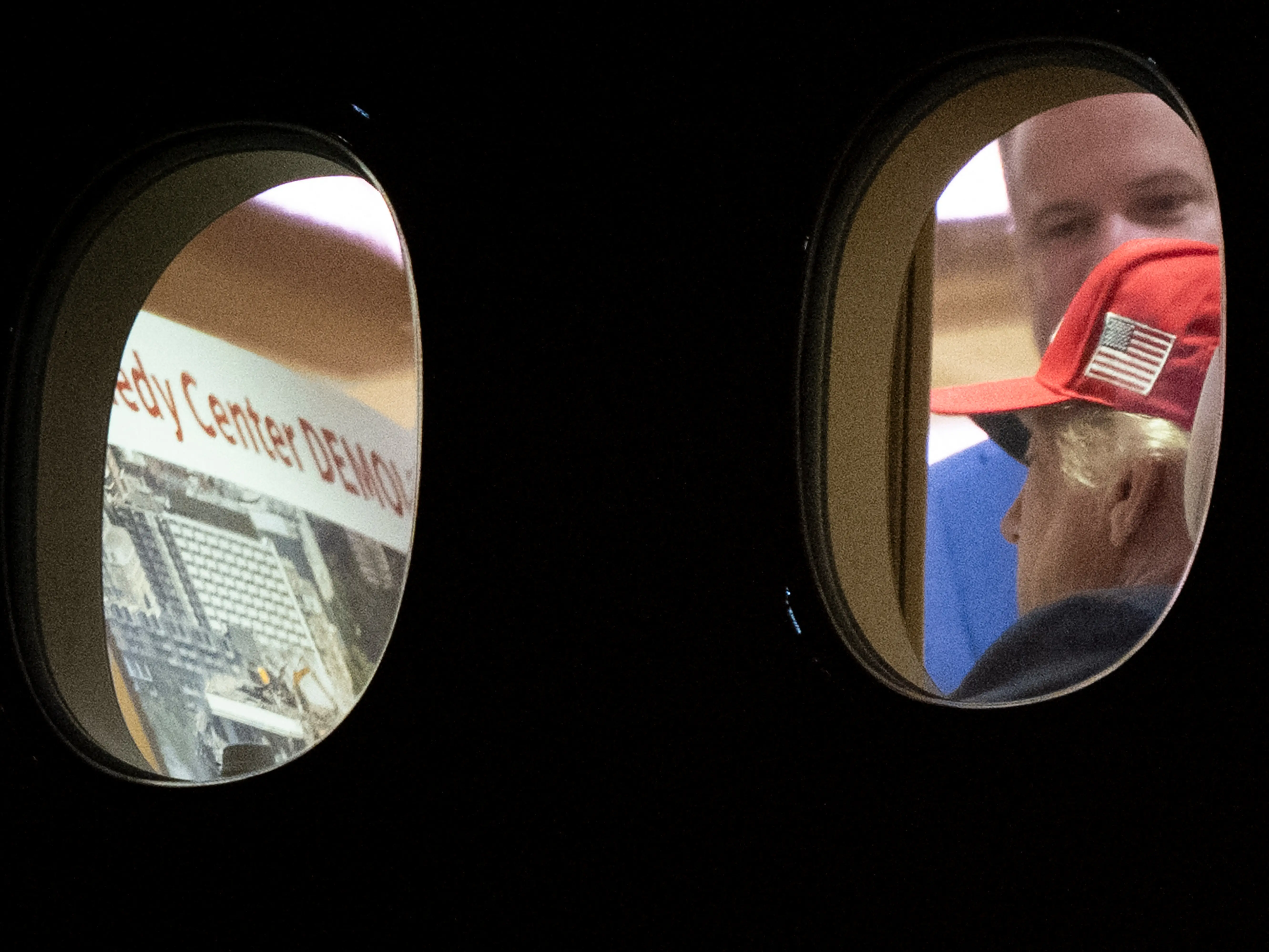)
Trump seen holding Kennedy Center demolition image after court blocks name plan
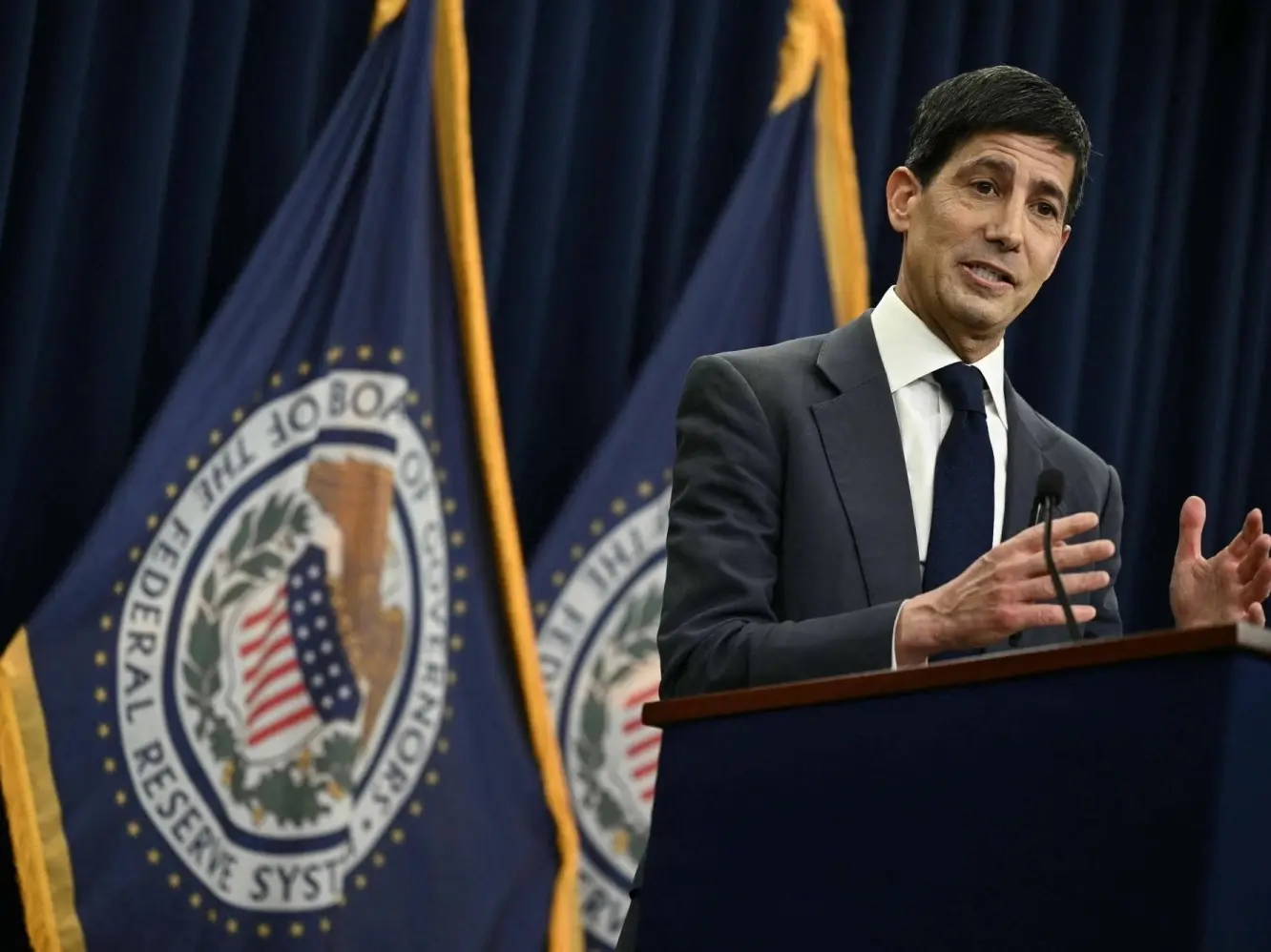)
Fed raises rates for first time in 3 years, Kevin Warsh defies Trump as inflation mounts
&im=FitAndFill=(700,400))
Widow's Bay, Pitt and Hacks: Where to watch these 2026 Emmy winners
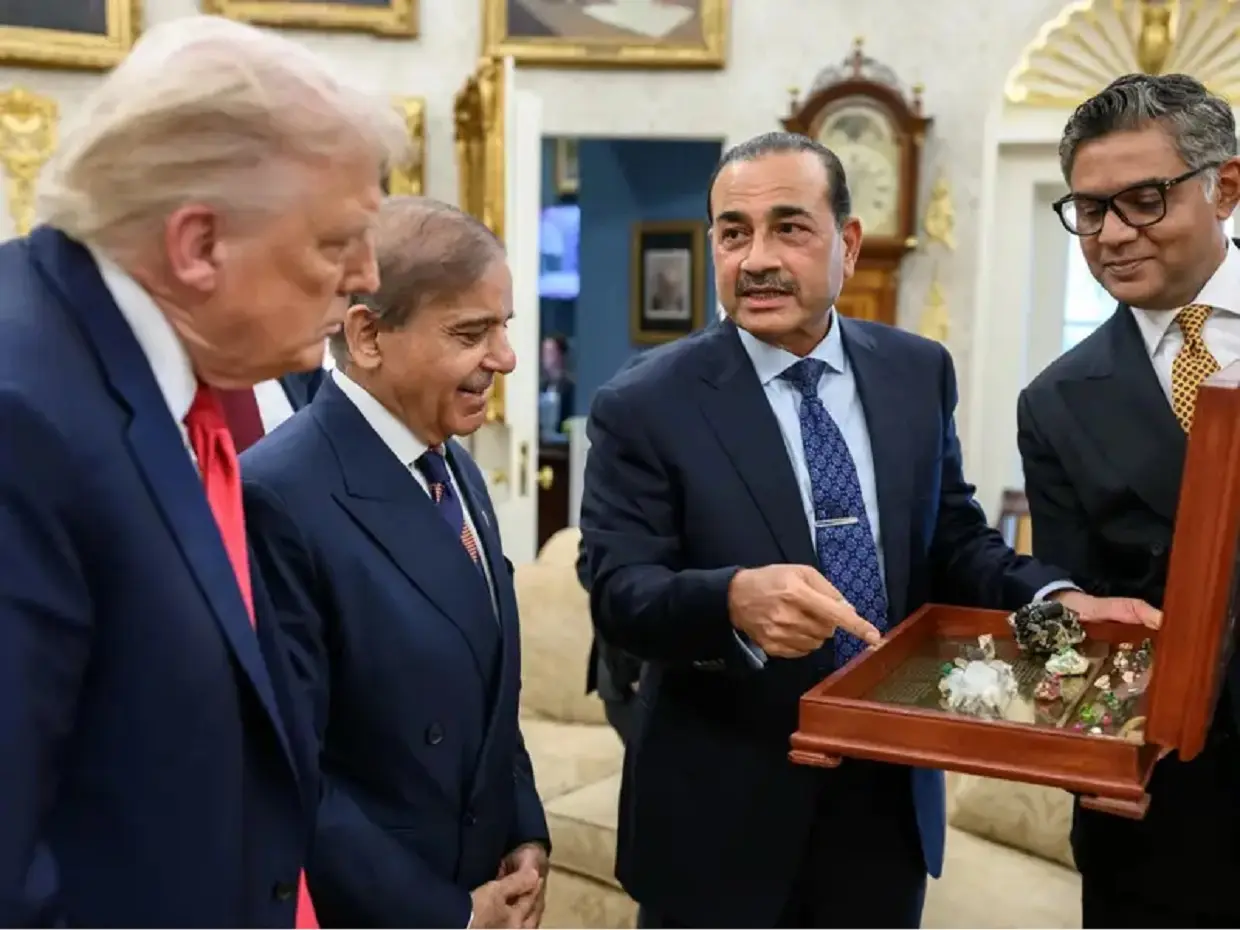)
US drone firm linked to Trump’s sons signs MoU with Pakistan army, gets initial order
)
Daayra movie review: Kareena Kapoor, Prithviraj Sukumaran shine in Meghna Gulzar’s cop-versus-cop crime thriller
)
Pak batter Rizwan's petition against being questioned by cyber crime agency rejected by court
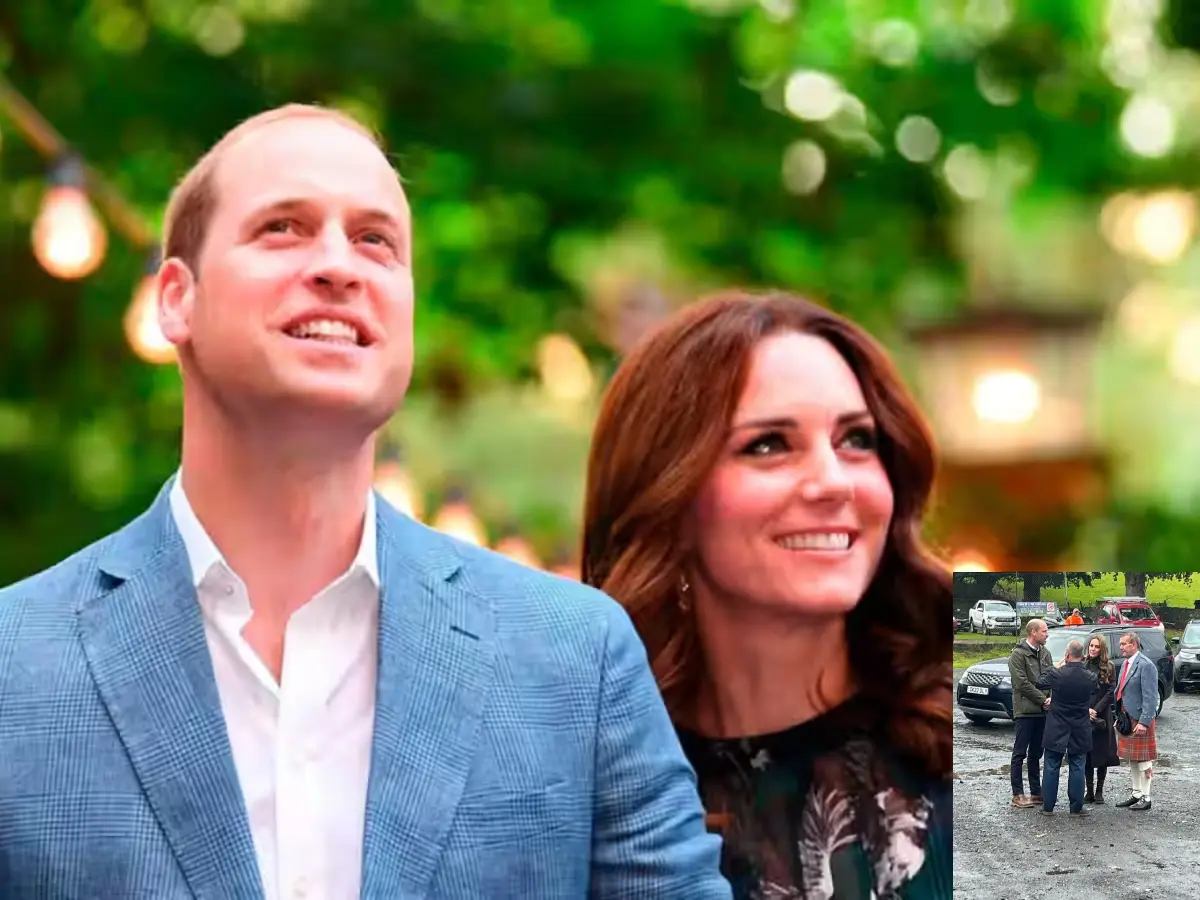)
Prince William and Kate Middleton take royal titles to Rothesay during Scotland visit
)
Trump gets new power to hit India, China with up to 100% tariffs as US Senate clears Russia sanctions bill
)
‘Imagine 50 AI fighters cornering one manned jet’: India’s mobbing doctrine eyes a new era of air warm
)
Saudi vs Houthis: Riyadh claims to have shot Houthi drone targeting Mecca
)
Trump’s rare gesture for Xi: US president to personally welcome Chinese leader at airport
)
US fears Iranians launched cyberattacks on oil tankers | Gravitas
)
The Verdict | Hostile to whom? Canada looks to Europe — and Trump threatens tariffs
)
Want to get married within a year? Why 18 lakh people rush to Jaipur for ‘sacred henna’
&im=FitAndFill=(700,400))
Suriya and Jyothika say ‘I do’ again after 20 years! See their dreamy wedding pics
)
Laura Wolvaardt sets new world record for most WT20I runs in a year
)
Mahua Moitra moves UN over alleged exclusion of Muslim officers from Amit Shah events
)
The Early Spring season 2 is happening, but fans have one request - 'don't change the actors'
)
Ukraine plans record $109 bn defence spending, nearly two thirds of budget amid Russia war
)
“We have countries that are negotiating in good faith, but they should be aware that if we can’t get across the line because they are being recalcitrant, then we could spring back to the April 2 levels. I hope that won’t have to happen,” Bessent said, as quoted by Reuters. Despite the tough talk, Bessent has hinted at flexibility. Earlier this month he floated the idea of extending the deadline for countries actively negotiating with Washington, although he emphasised only Trump would make that call.
Japan warns of impact on its auto industry
Japan’s main trade negotiator, Ryosei Akazawa, signalled on Monday that Tokyo was committed to continuing discussions with Washington while protecting its own interests. He specifically warned that the resumption of Trump’s 25 per cent tariff on Japanese autos would deal a serious blow to Japan’s economy.
“We will continue working with the US to reach a trade agreement while defending Japan’s national interest,” Akazawa said, as per Reuters. Autos remain one of the most sensitive sectors in US-Japan trade, with past negotiations frequently bogging down over market access and tariff rates.
EU eyes deal to avoid steep tariffs
While Japan faces tough demands, another major US trading partner, the European Union, is also trying to navigate the looming tariff threat. According to Bloomberg News, the EU is willing to accept a 10 per cent baseline tariff on its exports to the US in exchange for American commitments to lower tariffs in key industries such as pharmaceuticals, alcohol, semiconductors, and commercial aircraft.
Reuters reported that European officials are increasingly resigned to this 10 per cent level as the baseline for any reciprocal deal. The UK previously agreed to similar terms, securing tariff stability on autos while gaining special access for aircraft engines and beef.
A familiar hardline Trump strategy
Trump’s latest trade offensive echoes his first-term approach: using the threat of tariffs to force concessions from allies and rivals alike. While his administration says it is simply fighting for American workers and producers, critics warn the strategy risks destabilising trade flows and hurting key industries on both sides.
As the 9 July deadline approaches, trading partners will be under pressure to strike last-minute deals. The outcome will likely define the next phase of America’s complex trade relationships and could have significant implications for global supply chains, prices, and diplomatic ties.
(With inputs from the agencies)