

&imwidth=800&imheight=600&format=webp&quality=medium "Trump administration broadens steel & aluminium tariffs to hundreds more goods")
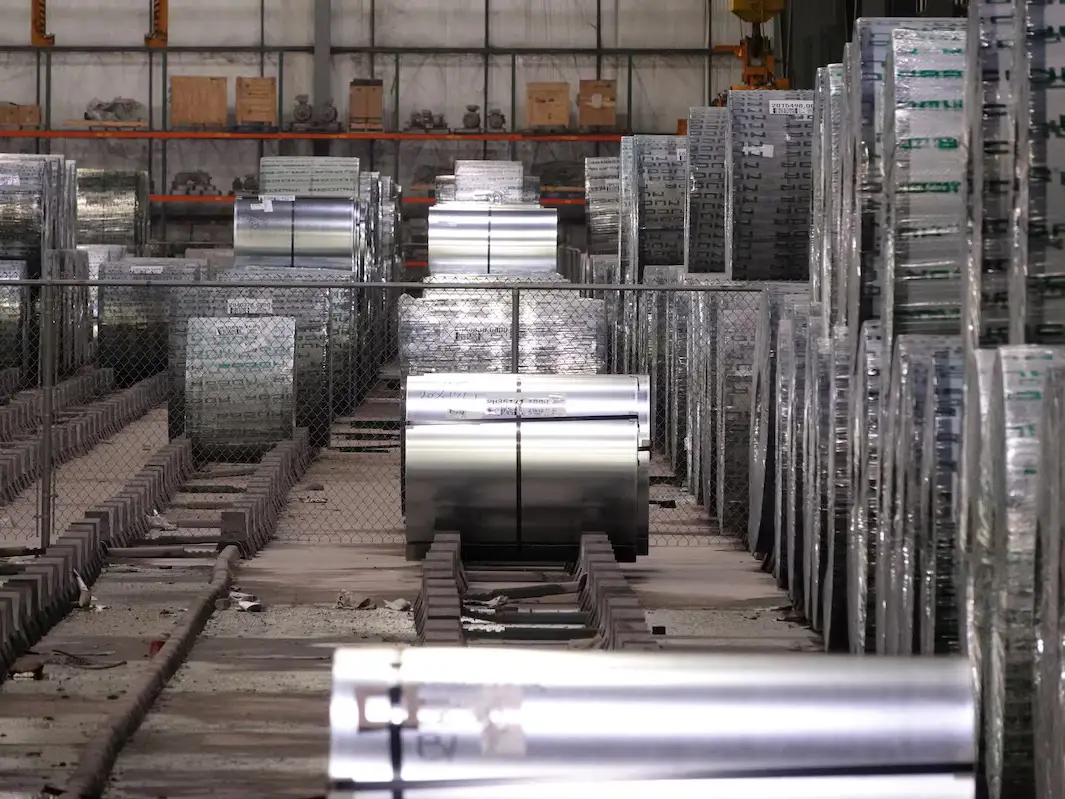
The US Commerce Department has significantly expanded the scope of its 50% tariffs on steel and aluminium products, targeting hundreds of additional derivative items. According to a Federal Register notice on Friday, the Bureau of Industry and Security (BIS) added 407 new product codes to the Harmonised Tariff Schedule, bringing a surge of goods now subject to import duties tied to their steel and aluminium content. Effective August 18, these newly listed products will face the same hefty levies. While the metal portions of those items fall under the 50% tariff, non-metal components will continue to be taxed at regular rates based on their originating countries.
A broader push under section 232
This expansion builds on the Section 232 “inclusions” process, introduced by the Commerce Department in April to widen the breadth of existing steel and aluminium tariffs. That framework allowed for the inclusion of derivative articles into the tariff net, ensuring that items containing steel or aluminium couldn’t bypass duties.
With this latest announcement, Washington is clearly doubling down on its protectionist strategy, tightening controls over a broader swath of downstream industrial goods.
Political timing & broader trade strategy
The timing of this initiative aligns with President Trump’s active political calendar. Speaking aboard Air Force One en route to his summit in Alaska with Russian President Vladimir Putin, Trump hinted that further announcements, including new tariffs on semiconductor imports, are on the way.
Trending Stories
&imwidth=180&imheight=135&format=webp&quality=medium)
'Just coincidence': Police mistakes protester as AISA chief Neha Bora, arrests her from site
&imwidth=180&imheight=135&format=webp&quality=medium)
Microsoft's Nadella says treat every AI model as already hacked, and build an 'emergency brake'
&imwidth=180&imheight=135&format=webp&quality=medium)
Nathan Lyon completes 1,000 Test runs at No. 10 to script rare cricket feat
&imwidth=180&imheight=135&format=webp&quality=medium)
iPhone Duo price index: Tracking Apple’s latest pricing trends
&imwidth=180&imheight=135&format=webp&quality=medium)
Maharashtra appoints FDA commissioner Tukaram Mundhe as secretary of committee for MPSC overhaul amid stir
&imwidth=180&imheight=135&format=webp&quality=medium)
IND vs WI, 3rd T20I: Abhishek Sharma smashes 18-ball fifty, sets record for fastest to 2,000 T20I runs
&imwidth=180&imheight=135&format=webp&quality=medium)
Portugal Federation confirms Cristiano Ronaldo’s return to national team despite suspension
&im=FitAndFill=(700,400)&imwidth=180&imheight=135&format=webp&quality=medium)
Is sending robots to Mars easier than sending humans?
&imwidth=180&imheight=135&format=webp&quality=medium)
'Say no to Muse': Meta has no control over its own moderation AI while it forces a security nightmare on everyone
&imwidth=180&imheight=135&format=webp&quality=medium)
Delhi protest: CJI Surya Kant declines to meet India Bloc leaders
&imwidth=180&imheight=135&format=webp&quality=medium)
UK school ditches technology, shifts from screen to pen and paper for learning
&imwidth=180&imheight=135&format=webp&quality=medium)
China imposes first-ever sanctions on ministers from Taiwan allies: What this means
&imwidth=180&imheight=135&format=webp&quality=medium)
Sidhu Moose Wala’s younger brother wins hearts by recreating late singer’s signature move at Toronto Hologram Show
&imwidth=180&imheight=135&format=webp&quality=medium)
A watchdog rated 'ChatGPT for Teens' an unacceptable risk and says keep under-18s off it
&imwidth=180&imheight=135&format=webp&quality=medium)
Aamir Khan's niece, actress Zayn Marie shares injury pictures after being detained with Imran Khan at Mumbai protest
&imwidth=180&imheight=135&format=webp&quality=medium)
Anthropic's AI invented a murder witness and sent the fake tip to Philadelphia police
&imwidth=180&imheight=135&format=webp&quality=medium)
Wasim Jaffer blames Ajit Agarkar-led selection panel for Virat Kohli’s Test retirement
&imwidth=180&imheight=135&format=webp&quality=medium)
One Indian killed in Riyadh airport attack; 11 others injured : MEA
&imwidth=180&imheight=135&format=webp&quality=medium)
Meta's Muse AI could be a security nightmare for India's billion-plus users
&im=FitAndFill=(700,400)&imwidth=180&imheight=135&format=webp&quality=medium)
New OTT releases this week (October 12-18, 2026): Sacrifice, Koffee with Karan S9, Roadies Rebirth- 6 titles coming on Netflix, JioHotstar and more
&imwidth=180&imheight=135&format=webp&quality=medium)
Are Gold and Silver poised for a rebound soon?
&imwidth=180&imheight=135&format=webp&quality=medium)
CJI Surya Kant declines INDIA bloc leaders’ request for meeting ahead of march to SC, asks them to file petition
&imwidth=180&imheight=135&format=webp&quality=medium)
1,500 drones illuminate Mumbai sky as Cordelia Cruises unveils second ship, Cordelia Sky
&im=FitAndFill=(700,400)&imwidth=180&imheight=135&format=webp&quality=medium)
Navratri 2026: 9 days, 9 forms of Goddess Durga and 9 colours- Check the complete list
&imwidth=180&imheight=135&format=webp&quality=medium)
Iran: US accepted some conditions, Clarity needed on others
&imwidth=180&imheight=135&format=webp&quality=medium)
Delhi wakes up to heavy rain, thunderstorms; yellow alert in place; temperature drops
&imwidth=180&imheight=135&format=webp&quality=medium)
Other Mommy leads North American box Office as Verity, Resident Evil round out top four
&imwidth=180&imheight=135&format=webp&quality=medium)
Imran Khan released hours after Mumbai Police detain him during CJP protest
&imwidth=180&imheight=135&format=webp&quality=medium)
Houthis claim Riyadh airport attacks, Aramco strikes; issue fresh warning to airlines, travellers and workers
&imwidth=180&imheight=135&format=webp&quality=medium)
'Ouch!!! That must hurt': Kangana Ranaut hails Kamal Haasan's sharp reply to Elon Musk over Starlink row
&imwidth=180&imheight=135&format=webp&quality=medium)
Top AI models flunked a test of inventing new AI research, so much for self-improving AI
&imwidth=180&imheight=135&format=webp&quality=medium)
McSweeney reveals how studying Virat Kohli’s YouTube clips helped Australia A conquer India
&imwidth=180&imheight=135&format=webp&quality=medium)
Nana Patekar's cause of death confirmed; here's what his postmortem report says
Reuters notes that this phased approach to tariffs, initially lower rates, escalating later, mirrors his method applied to pharmaceutical duties. It underscores a strategic push to incentivise domestic production by gradually raising the economic cost of imports.
Sharpened fallout and market implications
Economic and trade analysts warn that these expanded tariffs may ripple through global supply chains, pushing up costs across manufacturing industries. With new areas falling under steep tariffs, importers and intermediaries may be forced to recalibrate strategies, potentially favouring domestic suppliers or shifting sourcing routes.
Moreover, this moves sits amid a longer pattern of aggressive tariff policies under Trump’s “America First” agenda. Earlier in 2025, tariffs on steel and aluminium were raised from 25% to 50%, and coverage was extended to appliances and derivative items.
Simultaneously, reciprocal tariffs and sector-specific levies on copper, autos, and semiconductors are also being deployed, adding complexity to U.S. trade policy.
What this means?
- For businesses: Expect higher compliance costs as more products fall under tariff obligations. Strategic sourcing and supply chain adaptation will be critical.
- For global trade: More tariff exposure may prompt slower trade flows, localised sourcing, or trade negotiations aimed at carve-outs.
- For markets and consumers: Higher input costs could translate into elevated prices for consumers, especially in manufacturing-heavy sectors.
The aim is clear: the administration is escalating pressure on foreign producers while encouraging domestic manufacturing seeding, now using a broader enforcement net.
(With inputs from the agencies)