
&imwidth=800&imheight=600&format=webp&quality=medium "South Korea’s exports remain strong as US tariff threat looms")
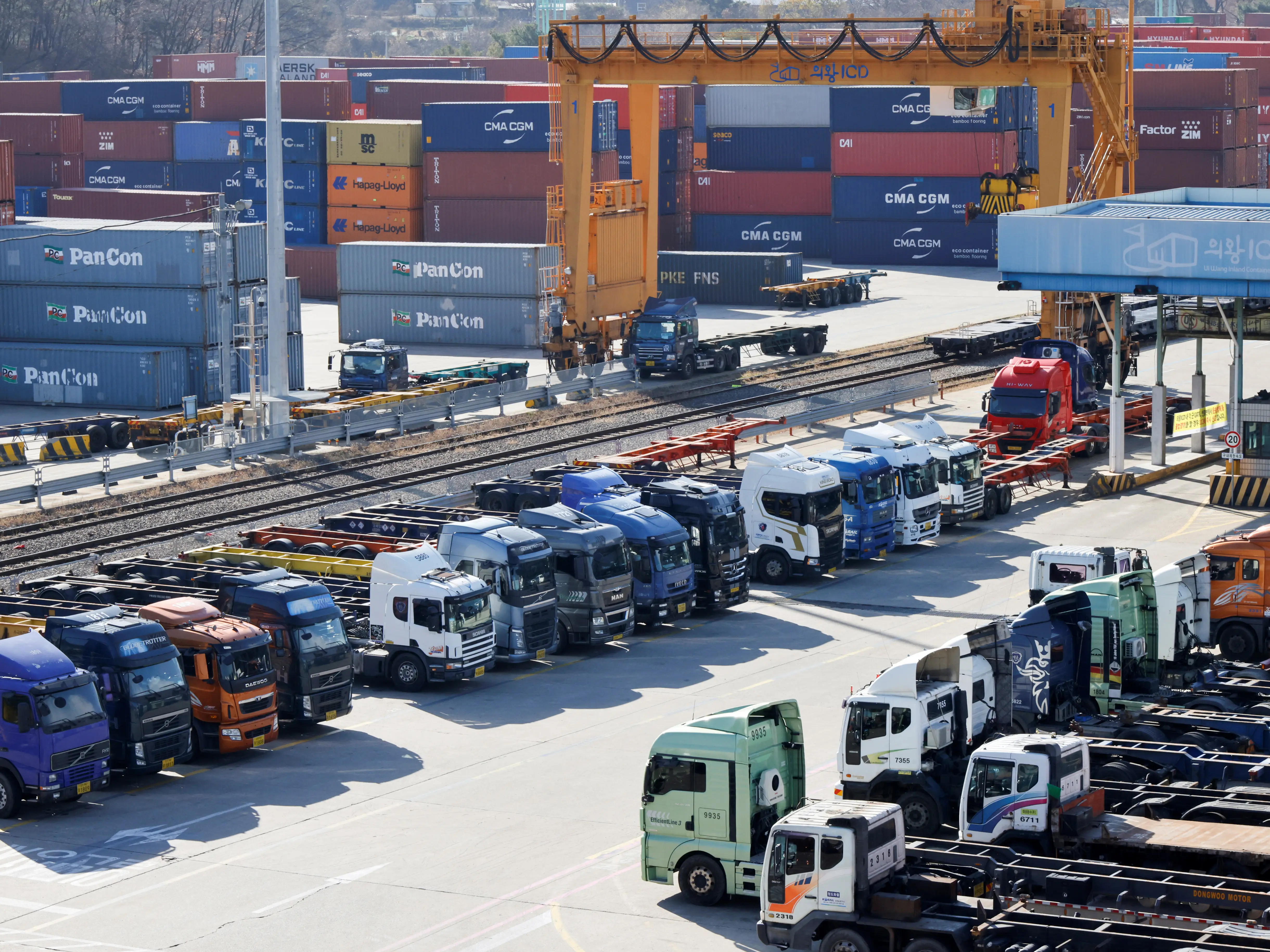
Despite growing fears of fresh US tariffs, South Korea’s exports held up in early July. This refelects that the trade-dependent economy is still showing resilience. But officials in Seoul are on edge, as the clock ticks toward an August 1 deadline when broader US duties could take effect.
Early July exports signal momentum
According to data released by South Korea’s customs office on Monday, exports rose 4.1 per cent in the first 20 days of July after adjusting for working-day differences, compared to the same period last year. While that’s slightly below June’s 6.8 per cent growth, it marks a solid performance amid rising global trade tensions.

Unadjusted exports, however, dipped 2.2 per cent. Imports fell 4.3 per cent, resulting in a trade surplus of $465 million. As per Bloomberg, the figures may calm near-term concerns over export demand but reveal underlying risks from deepening global protectionism.
Tariff risks remain as Trump deadline nears
South Korea is racing to secure a trade deal with the United States ahead of the August 1 deadline, when US President Donald Trump is expected to decide on a 25 per cent reciprocal tariff on all Korean goods. While that broader measure is still paused, key industries are already feeling the pinch. Auto and steel exports continue to face sector-specific duties, and Trump has warned that semiconductors, South Korea’s top export, could be next.
Trending Stories
)
Nigeria: Protesters take to the streets, police fire shots
)
US-Iran war: Tehran draws red lines — seven demands before any peace talks
)
Russia-Europe tensions: Polish PM warns Russian attacks could test NATO's unity
&im=FitAndFill=(700,400))
‘Not the US or China’: These are the countries leading the world in arable land
)
EXCLUSIVE | Singer Hanita Bhambri on her Toxic debut, working with Vishal Mishra and more
)
Mark Carney mimics Trump in hilarious moment over C$70 billion clean-energy investment; room erupts in laughter
)
Delhi voter roll shake-up: 3.31 million electors flagged in SIR review
)
Aravana prasadam shortage at Sabarimala temple in Kerala triggers protests, TDB questioned
)
‘End of my career...’: NSA Doval recalls tense Sikkim mission when China captured Indian intelligence team
)
Report: Iran rebuilding Taleghan 2, nuclear site tied to past weapons research, hit twice by Israel
)
Trump defends AI amid growing alarm, announces new 'AI force' and promises an 'AI czar'
)
Iran sets 7 conditions to end war with US: What are Tehran’s demands?
)
Trump announces ‘AI Force’ as debate grows over AI risks and regulation
)
China may have gained access to US's classified F-35 jets; parts meant for repairs diverted to Hong Kong, sparking Pentagon inquiry
)
Gaza under attack: Health chief's son killed in IDF strikes
)
Arvind Kejriwal, family members, Delhi CM Rekha Gupta get SIR notices
)
Cochin shipyard starts building Indian Navy's next-gen missile vessels
)
Saudi vs Houthis: Houthis claim missiles & drones used in attack on key Saudi sites
)
Ed Sheeran addresses Macklemore's removal, Gaza conflict during Philadelphia concert: 'I cannot hide how I feel'
)
Nepal forms 7-member panel to probe August 26 Bhotekoshi flood from source to downstream
)
‘Will go to any extent’: Pakistan vows to defend Saudi Arabia amid Houthi attacks
66 years of the Indus Waters Treaty: How India and Pakistan settled a bitter river dispute
)
The Verdict | When precision fails: US commits war crime in Minab school strike, UN finds
Russia attacks Ukraine with 174 drones, kills 8; 2 vessels hit in Black Sea
)
9 women found dead near Johannesburg: South Africans rally, demand 'enough' to femicide
)
Kampala-Ankara rift deepens: Uganda suspends military ties, seeks Fred Lumbuye's extradition
)
US-Iran war: Tehran sets seven conditions to re-engage in talks with US
)
Reacher star Alan Ritchson opens up about alleged blackmail, suicide attempt during difficult period
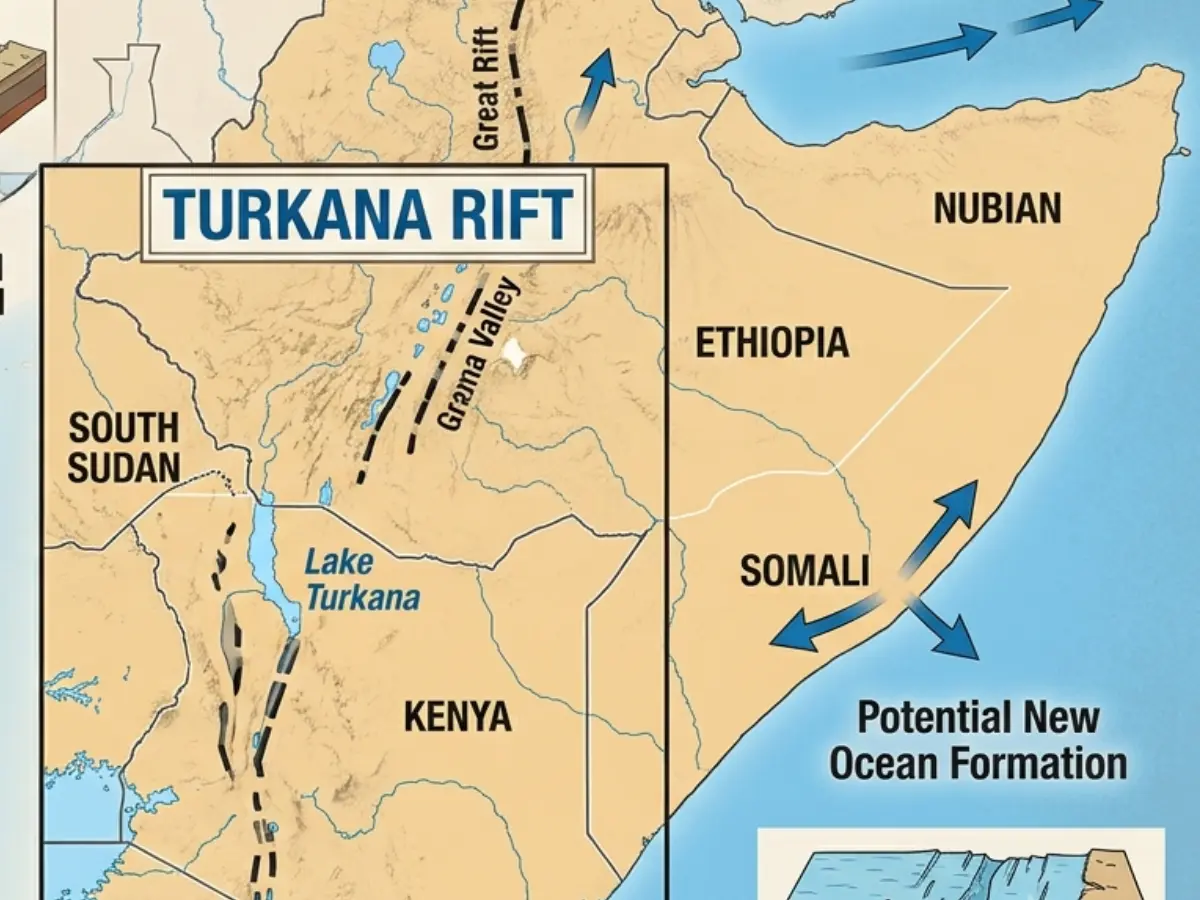)
Africa is splitting, and a lot sooner than estimated, giving way to a new ocean
)
Flying cars in UAE: Ras Al Khaimah signs deal with Chinese company to test new transport
)
Trump bans CNN, MS NOW and Politico from White House over ‘FAKE NEWS’
)
Trump 2.0: Dark days ahead for America’s ‘imperial presidency’
&im=FitAndFill=(700,400))
How many F-35s does Britain, Japan and Israel have?
)
Harry Brook targets long reign at top of T20I rankings after Sri Lanka sweep
)
Russia's deadly Ukraine strikes kill 2 in Sumy, hit Dnipro mall
)
Russia holds first parliamentary elections since the beginning of the Ukraine war
&im=FitAndFill=(700,400))
Meet top 5 Indian batters with fastest T20I centuries
)
Raphinha hat-trick powers Barcelona to 3-1 win over Sevilla in La Liga
)
)
Steel shipments dropped 9.7 per cent in early July, reflecting the impact of the existing 50 per cent tariff. Meanwhile, exports to the US fell 2.1 per cent, and imports from the US plunged 28.4 per cent, signalling the strain on bilateral trade.
Political setbacks hamper Seoul’s response
South Korea’s response has been delayed by months of political gridlock following the impeachment of former President Yoon Suk Yeol. The new administration under President Lee Jae Myung is now trying to speed up talks with Washington, but Seoul still lags behind other allies in securing tariff exemptions.
To support the economy, the government has rolled out a supplementary budget worth 31.8 trillion won ($23.3 billion), aimed at shielding households and industries from external shocks.
Semiconductors shine, but outlook still fragile
Despite the uncertainty, semiconductors, South Korea’s largest export saw a 16.5 per cent rise in early July, offering some relief. Auto exports also climbed 3.9 per cent. However, shipments to China, a key market, slipped 5.9 per cent, while exports to the European Union rose 3 per cent.
South Korea’s economy shrank in the first quarter of 2025, prompting the central bank to cut interest rates to 2.5 per cent and slash its annual growth forecast to just 0.8 per cent.
Early July trade figures show that South Korea’s export engine is still running, for now. But with the threat of sweeping US tariffs just days away, the outlook for Asia’s fourth-largest economy hangs in the balance.
(With inputs from agencies)