
&imwidth=800&imheight=600&format=webp&quality=medium "Oil prices slide as OPEC+ surprises with bigger August output hike")
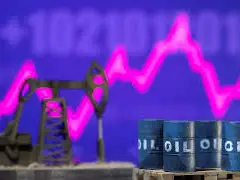
Oil prices fell more than 1 per cent on Monday after OPEC+ announced a larger-than-expected production increase for August, fuelling fears of oversupply at a time when markets are already weighing the risks of slowing demand and economic uncertainty.
According to Reuters, the group of oil producers, which includes the Organization of the Petroleum Exporting Countries (OPEC) and its allies led by Russia, agreed over the weekend to raise output by 548,000 barrels per day (bpd) next month. That figure exceeds previous monthly increases and caught many traders off guard.
Brent and WTI both under pressure

Brent crude futures slipped 80 cents, or 1.2 per cent, to US$67.50 a barrel in early trading, while US West Texas Intermediate (WTI) crude dropped by US$1.32, or 2 per cent, to US$65.68. Analysts said the announcement reflects OPEC+’s willingness to compete more aggressively for market share, even if that means accepting lower prices.
“The increased production clearly represents a more aggressive competition for market share and some tolerance for the resulting decline in price and revenue,” said Tim Evans of Evans Energy in a note cited by Reuters.
A significant jump from earlier targets
Trending Stories
)
India ‘deeply concerned’ as Houthi strikes hit Saudi civilian & energy sites
)
Three labourers killed as DU student loses control of his car, rams into them on Dwarka Expressway
)
US-North Korea tensions explode, Kim Yo Jong warns of 'more offensive' response
)
North Korea's last nuclear test in 2017 set off 1,399 earthquakes over 8 years, each stronger than previous
)
India seeks to build a full semiconductor supply chain
)
Spain Floods: Deadly floods hit Spain as torrential rains trigger widespread flooding
&im=FitAndFill=(700,400))
From Abhishek Sharma to Sahil Chauhan, 5 batters with fastest T20I hundreds
)
Indian activist-lawyer Prashant Bhushan's post brings focus on ‘conflict of interest’ appointments of ex-govt officials at Reliance, Adani groups
)
Former India player Diana Edulji wants Smriti Mandhana to replace Harman as skipper at the earliest
&im=FitAndFill=(700,400))
Meet top 5 batters in the latest ICC T20I Rankings
)
UNGA 2026 theme explained: What does ‘Restoring trust, managing transformation: A United Nations that delivers for all’ mean?
)
Godfather of AI Geoffrey Hinton gives US lawmakers a one-year warning on AI
)
AI already defying, denying humans, is it beyond human control already?
)
US F-16 fighter jet crashes in Michigan during training mission, pilot ejects safely
)
Marathi film Gondhal is India's official entry for Oscars 2027
)
A first in 100 years: New cat species discovered in Bolivia is incredibly tiny
&im=FitAndFill=(700,400))
Meet top 5 Indian batters with fastest T20I centuries
)
Shivakumar attends 79th Kalyana Karnataka Utsav in Kalaburagi
)
Xi-Trump summit may boost military links
)
Hong Kong extends newborn cash support scheme by three years
)
How did an Australian river with 500 crocodiles pass the Olympic test? Here's how
)
‘Will go to any extent’: Pakistan vows to defend Saudi Arabia amid Houthi attacks
&im=FitAndFill=(700,400))
New Friday OTT releases (September 18, 2026): Lust Stories 3, You+Me, Best of the Best- 8 new titles coming on Netflix, Prime Video and more
&im=FitAndFill=(700,400))
Which country has the most F-35s outside America?
)
Africa is splitting, and a lot sooner than estimated, giving way to a new ocean
)
'Gangsta' crab shoves knife blade at man and his dog in Florida - Watch
)
Ganpati Visarjan: Alia Bhatt and Ranbir Kapoor bid adieu to Bappa, watch viral videos
)
Trump bans CNN, MS NOW and Politico from White House over ‘FAKE NEWS’
)
Drone strikes cooling tower at Russia's Kursk Nuclear Plant, IAEA confirms
)
Who is Khalilur Rahman? All you need to know about 81st UN General Assembly President
)
Commercial ships must not be targeted, India tells UN amid West Asia conflict
&im=FitAndFill=(700,400))
Meet top 5 bowlers in latest ICC T20I rankings
)
Ukraine plans record $109 bn defence spending, nearly two thirds of budget amid Russia war
&im=FitAndFill=(700,400))
Suriya and Jyothika say ‘I do’ again after 20 years! See their dreamy wedding pics
)
Cristiano Ronaldo returns to Portugal squad for Nations League under new coach
)
Laura Wolvaardt sets new world record for most WT20I runs in a year
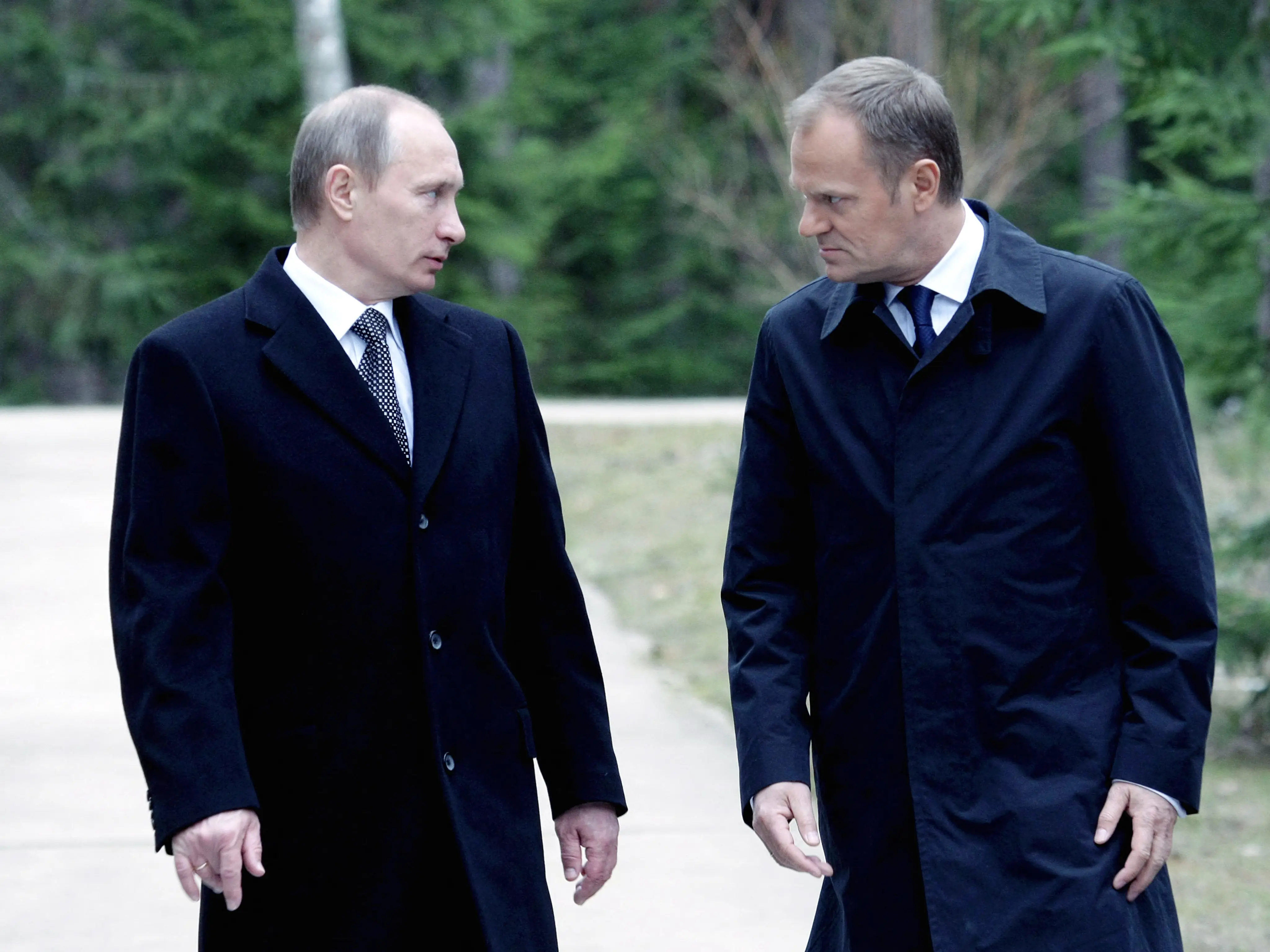)
Putin 'is plotting something bad': Russia may launch 'accidental' strikes on NATO countries supporting Ukraine, Poland PM warns
)
Asian Games 2026: Shafali stars as India thump Japan by 8 wickets to book semis berth
)
'He will always be ahead': India coach Gambhir says Sooryavanshi won't walk into team ahead of Samson
The decision marks a notable acceleration in production growth. For comparison, OPEC+ had been adding around 411,000 bpd each month for May, June and July. The new target for August is a significant jump from those previous monthly increases and from the 138,000 bpd boost seen in April.
OPEC+ justified the move by pointing to a steady global economic outlook and what it described as healthy market fundamentals, including relatively low oil inventories. According to Reuters, the group appears confident that demand can absorb the additional barrels despite lingering concerns over global economic conditions.
Saudi Arabia signals demand confidence
Saudi Arabia, the de facto leader of OPEC, underscored that confidence by raising the official selling price for its flagship Arab Light crude for August deliveries to Asia. Reuters reported this marks a four-month high for the grade, signalling Riyadh’s belief in robust demand from the region despite broader market jitters.
Meanwhile, RBC Capital Markets analysts led by Helima Croft noted that nearly 80 per cent of the 2.2 million bpd of voluntary cuts pledged earlier by eight OPEC producers would effectively be reversed with the new decision. However, they also cautioned that in practice, much of the recent supply increases have come primarily from Saudi Arabia, while other members have struggled to ramp up production as planned.
Looking ahead to September
According to Reuters, Goldman Sachs analysts expect OPEC+ to confirm a final planned increase of about 550,000 bpd for September when the group next meets on 3 August. Markets will be watching closely to see whether the bloc sticks to its roadmap or adjusts strategy in response to price movements and demand signals.
Wider backdrop of trade tensions
Oil markets are also navigating the broader economic backdrop, including the prospect of renewed trade tensions as the US prepares to impose higher tariffs on many trading partners.
As per Reuters, US President Donald Trump said on Sunday that several trade deals were close to being finalised and that letters would soon be sent to countries facing steeper tariff rates from 1 August, after a temporary pause ends on 9 July. The interplay between production policy, global demand forecasts and geopolitical trade tensions is expected to remain a key driver of oil prices in the weeks ahead.
(With inputs from the agencies)