
&imwidth=800&imheight=600&format=webp&quality=medium "Oil prices fall as traders assess US tariff threats, OPEC+ supply boost")
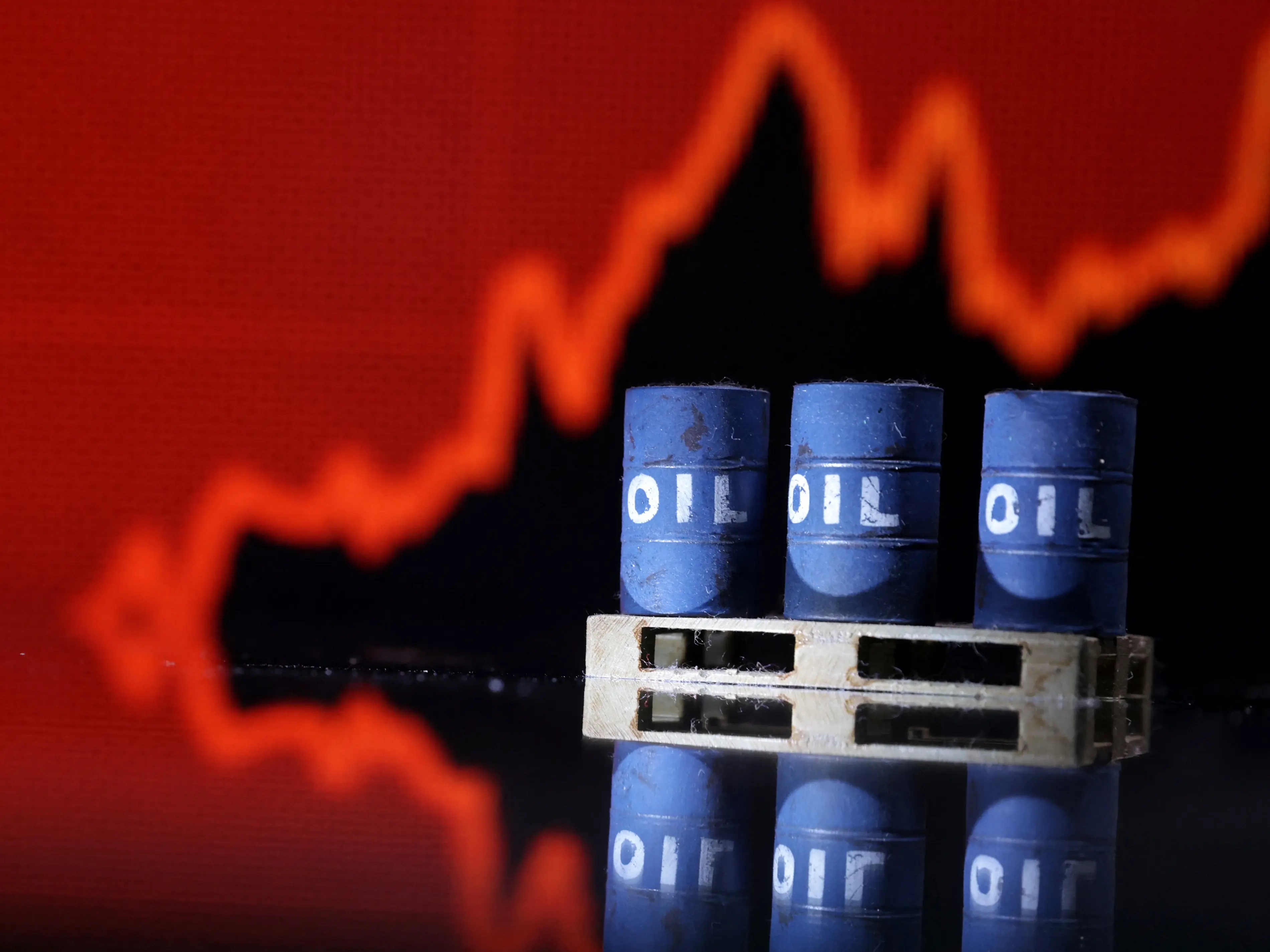
Oil prices fell for the third time in four sessions as traders assessed the impact of renewed US tariff threats and a decision by OPEC+ to restore more of its idled production capacity.
Brent nears $69 as supply worries mount
Global benchmark Brent crude slipped toward $69 a barrel on Tuesday, while West Texas Intermediate traded below $68. According to Bloomberg, the declines come as investors react to a wave of letters from US President Donald Trump threatening higher tariffs on key trading partners, while leaving the door open for negotiations ahead of a 1 August implementation date.

Trump’s tariff move adds fresh uncertainty to the global demand outlook; compounding market worries about a potential economic slowdown and its impact on energy consumption.
OPEC+ supply increase weighs on prices
Oil markets had initially rebounded on Monday despite OPEC+ confirming at the weekend that it would increase production in August by restoring more of its idled capacity. Officials from the producer group cited strong summer demand as a reason for optimism that the market could absorb the extra barrels.
Trending Stories
)
Three labourers killed as DU student loses control of his car, rams into them on Dwarka Expressway
)
Sikh driver attacked in Wyoming in US, suffers 17 stab wounds
)
‘I have a big decision coming up’: Trump says he’s approaching major ‘crossroad’ in Iran war
)
India seeks to build a full semiconductor supply chain
)
US intel warns China can steal F-35 jets secret from Saudis
&im=FitAndFill=(700,400))
From Abhishek Sharma to Sahil Chauhan, 5 batters with fastest T20I hundreds
)
Indian activist-lawyer Prashant Bhushan's post brings focus on ‘conflict of interest’ appointments of ex-govt officials at Reliance, Adani groups
)
Former India player Diana Edulji wants Smriti Mandhana to replace Harman as skipper at the earliest
&im=FitAndFill=(700,400))
Meet top 5 batters in the latest ICC T20I Rankings
)
Formula One reveals the 2027 race calendar; Monaco to host sprint race for the first time
)
UNGA 2026 theme explained: What does ‘Restoring trust, managing transformation: A United Nations that delivers for all’ mean?
)
Godfather of AI Geoffrey Hinton gives US lawmakers a one-year warning on AI
)
AI already defying, denying humans, is it beyond human control already?
)
US F-16 fighter jet crashes in Michigan during training mission, pilot ejects safely
)
Xi-Trump summit may boost military links
&im=FitAndFill=(700,400))
Meet top 5 Indian batters with fastest T20I centuries
)
Hong Kong unveils 11 new measures to boost birth rates, offers higher cash bonuses and housing perks
)
Shivakumar attends 79th Kalyana Karnataka Utsav in Kalaburagi
)
US to sell 48 F-35 Lightning fighter jets to Saudi Arabia, help it deter threats
)
Australian athlete, who soiled herself during Hyrox race, apologises for continuing
)
Passport fees hiked, child validity revised: What the new rules introduce
)
Hong Kong extends newborn cash support scheme by three years
)
How did an Australian river with 500 crocodiles pass the Olympic test? Here's how
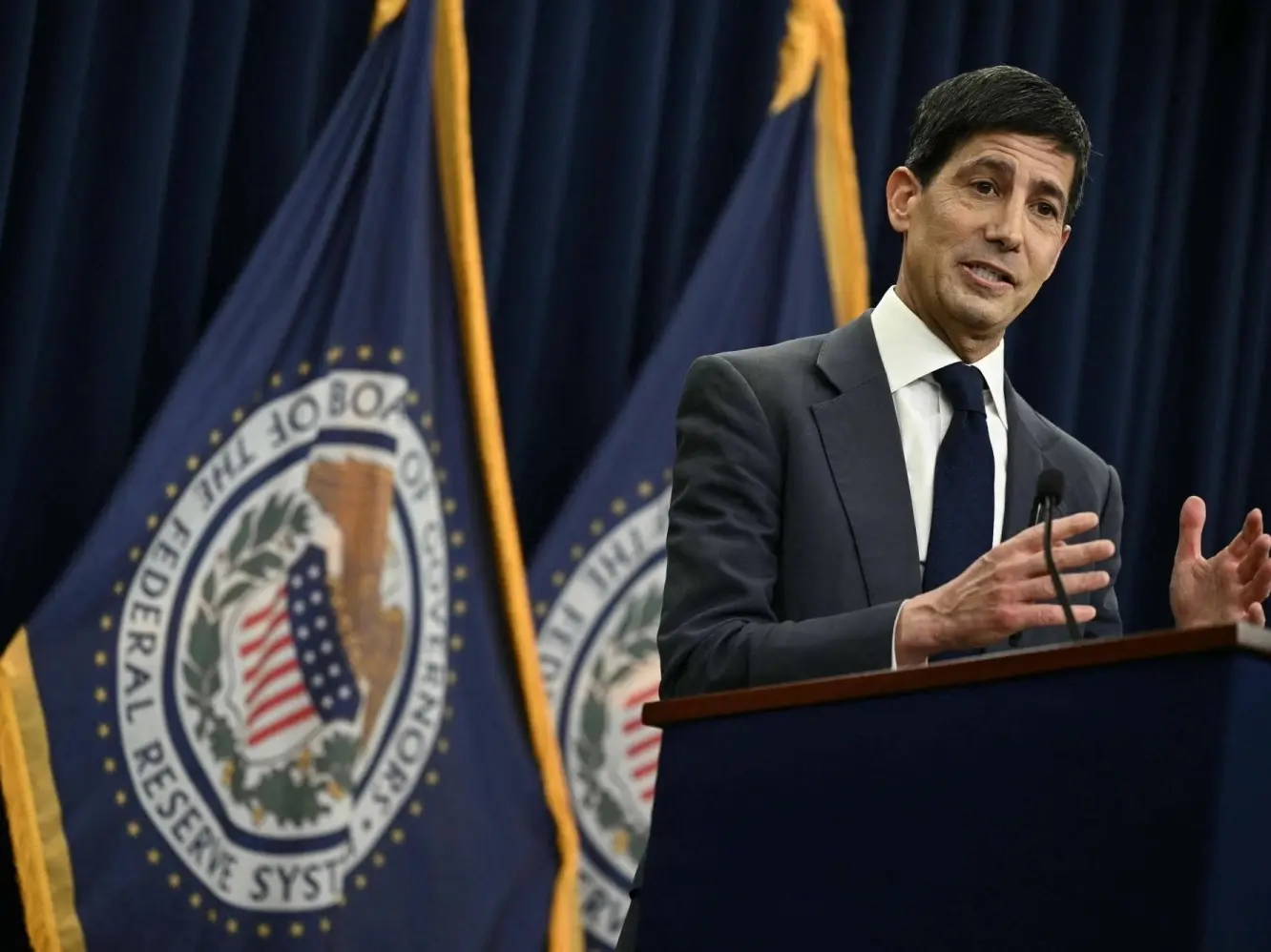)
Fed raises rates for first time in 3 years, Kevin Warsh defies Trump as inflation mounts
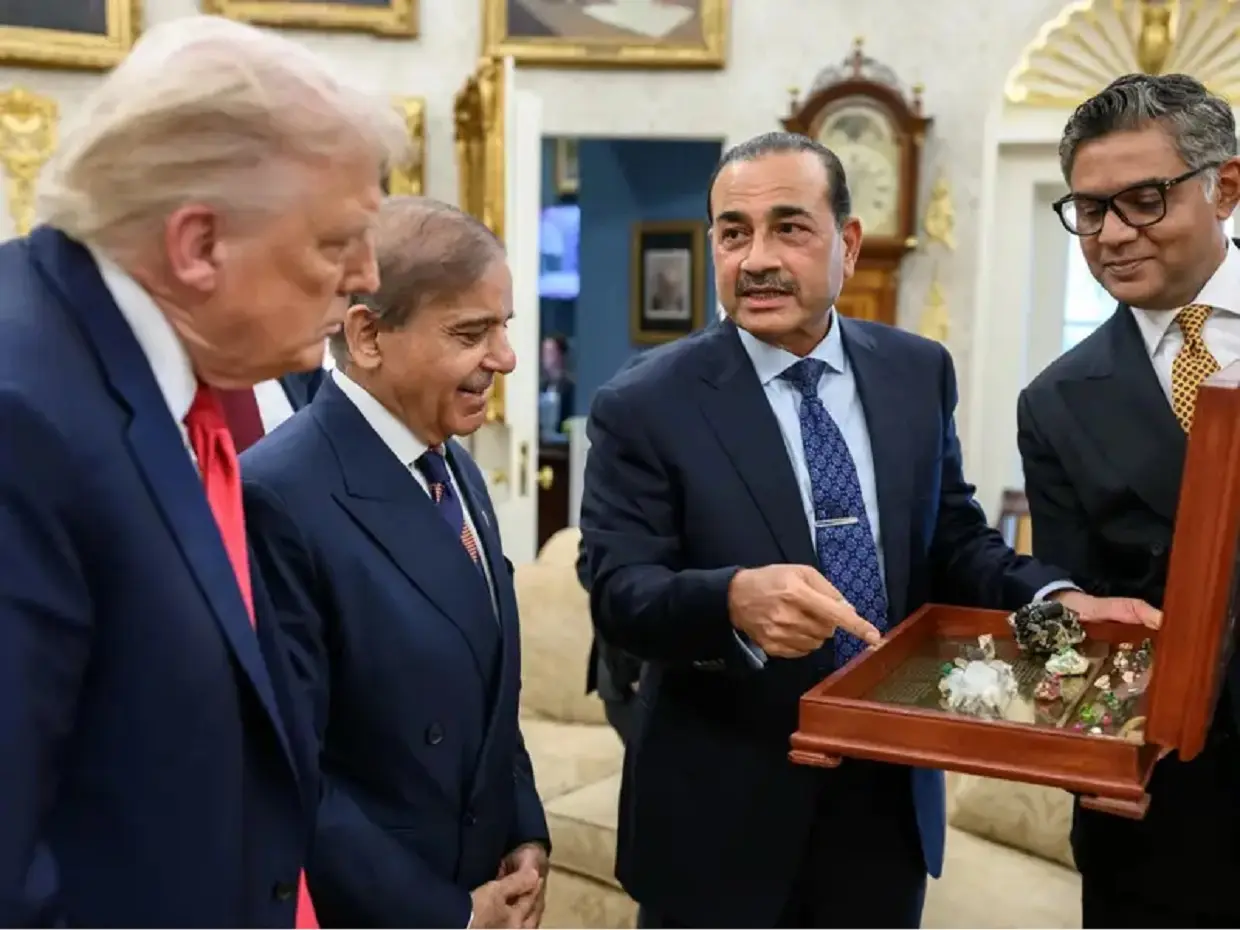)
US drone firm linked to Trump’s sons signs MoU with Pakistan army, gets initial order
)
Pak batter Rizwan's petition against being questioned by cyber crime agency rejected by court
)
Daayra movie review: Kareena Kapoor, Prithviraj Sukumaran shine in Meghna Gulzar’s cop-versus-cop crime thriller
&im=FitAndFill=(700,400))
Which country has the most F-35s outside America?
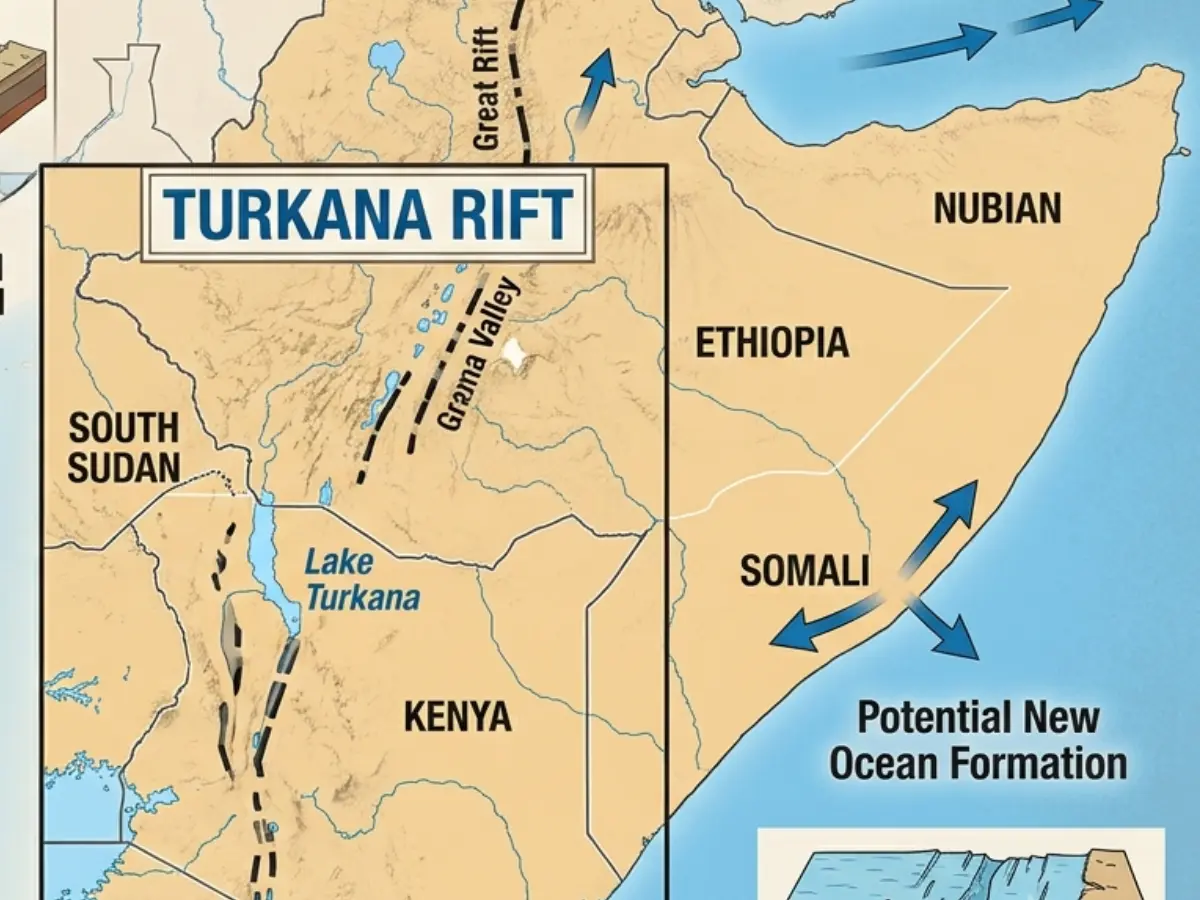)
Africa is splitting, and a lot sooner than estimated, giving way to a new ocean
)
'Gangsta' crab shoves knife blade at man and his dog in Florida - Watch
)
At least 48 dead, 100 hospitalised in Nigeria after drinking suspected methanol-laced alcohol
)
US-Iran War: Trump says ‘big decision’ on Iran ahead, weighs possible fresh military action
&im=FitAndFill=(700,400))
Meet top 5 bowlers in latest ICC T20I rankings
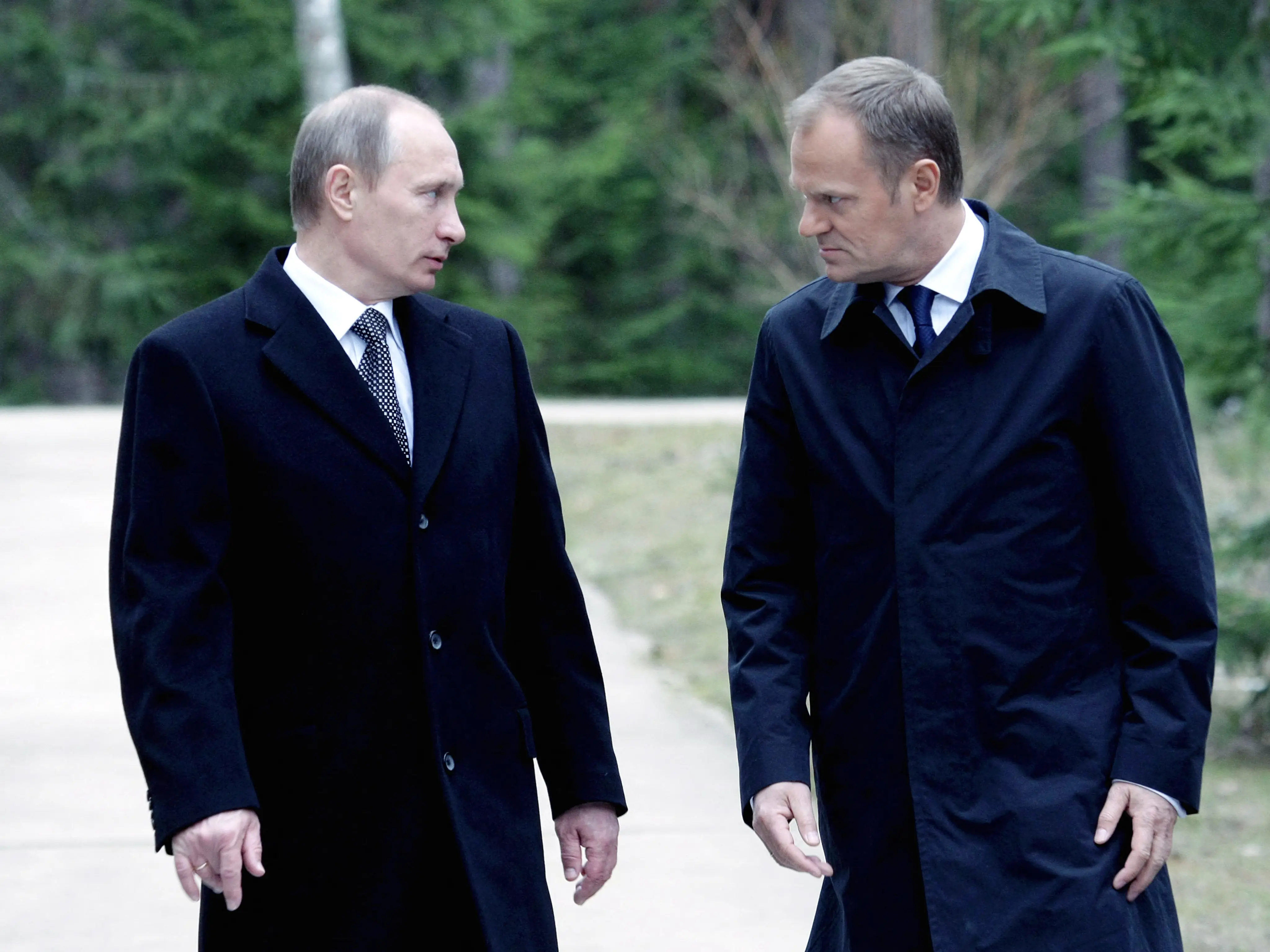)
Putin 'is plotting something bad': Russia may launch 'accidental' strikes on NATO countries supporting Ukraine, Poland PM warns
)
Ukraine plans record $109 bn defence spending, nearly two thirds of budget amid Russia war
&im=FitAndFill=(700,400))
Suriya and Jyothika say ‘I do’ again after 20 years! See their dreamy wedding pics
)
Laura Wolvaardt sets new world record for most WT20I runs in a year
)
Asian Games 2026: Shafali stars as India thump Japan by 8 wickets to book semis berth
)
Pezeshkian, Araghchi set to attend UNGA 2026 in New York amid ongoing conflict as US-imposed travel curbs remain
)
'He will always be ahead': India coach Gambhir says Sooryavanshi won't walk into team ahead of Samson
As per Bloomberg, Saudi Arabia also announced it would raise the official selling price of its main crude grade for Asia, underscoring its confidence in regional demand despite broader market jitters.
West Asia tensions simmer despite truce
Market sentiment has been volatile in recent weeks due to geopolitical risks, particularly after the war between Israel and Iran. A fragile ceasefire remains in place, but tensions are simmering once more. According to Bloomberg, shipping in the Red Sea has come under renewed threat, with Iranian-backed Houthi forces claiming responsibility for attacks on vessels near Yemen. On Monday, a second ship was reportedly targeted in the same area, hours after an earlier attack.
“These attacks raise supply-chain costs and insurance premiums for oil cargoes,” said Haris Khurshid, chief investment officer at Karobaar Capital LP, speaking to Bloomberg. “But unless there’s a major supply disruption, the impact stays mostly at the margins.”
Global demand outlook under pressure
Traders are also wary of the broader economic implications of Trump’s drawn-out trade war. With higher tariffs threatening to slow growth in key markets, energy demand forecasts face renewed downside risks.
“Traders are watching Trump’s new tariff threats and global growth risks, which could soften demand,” Khurshid added. “Looking ahead, we should be paying attention to any new OPEC+ signals about extending or adjusting supply cuts.”
Diesel market tightens despite crude glut fears
Even as crude prices soften on fears of oversupply, signs of tightness are emerging in refined products. According to Bloomberg, US diesel inventories are at their lowest seasonal level since 1996, while European benchmark futures suggest a tighter market than during the peak of the Israel–Iran conflict. These mixed signals highlight the complexity of the current oil landscape, as traders weigh short-term geopolitical risks, OPEC+ production decisions, and the potentially chilling effect of an escalating trade dispute between the United States and its partners.
As the 1 August tariff deadline approaches, oil markets will remain acutely sensitive to developments in Washington’s trade negotiations, Middle East security dynamics, and any fresh guidance from OPEC+ about its production strategy for the remainder of the year.