
&imwidth=800&imheight=600&format=webp&quality=medium "Fed’s Bowman backs three rate cuts in 2025, warns of labour market fragility")
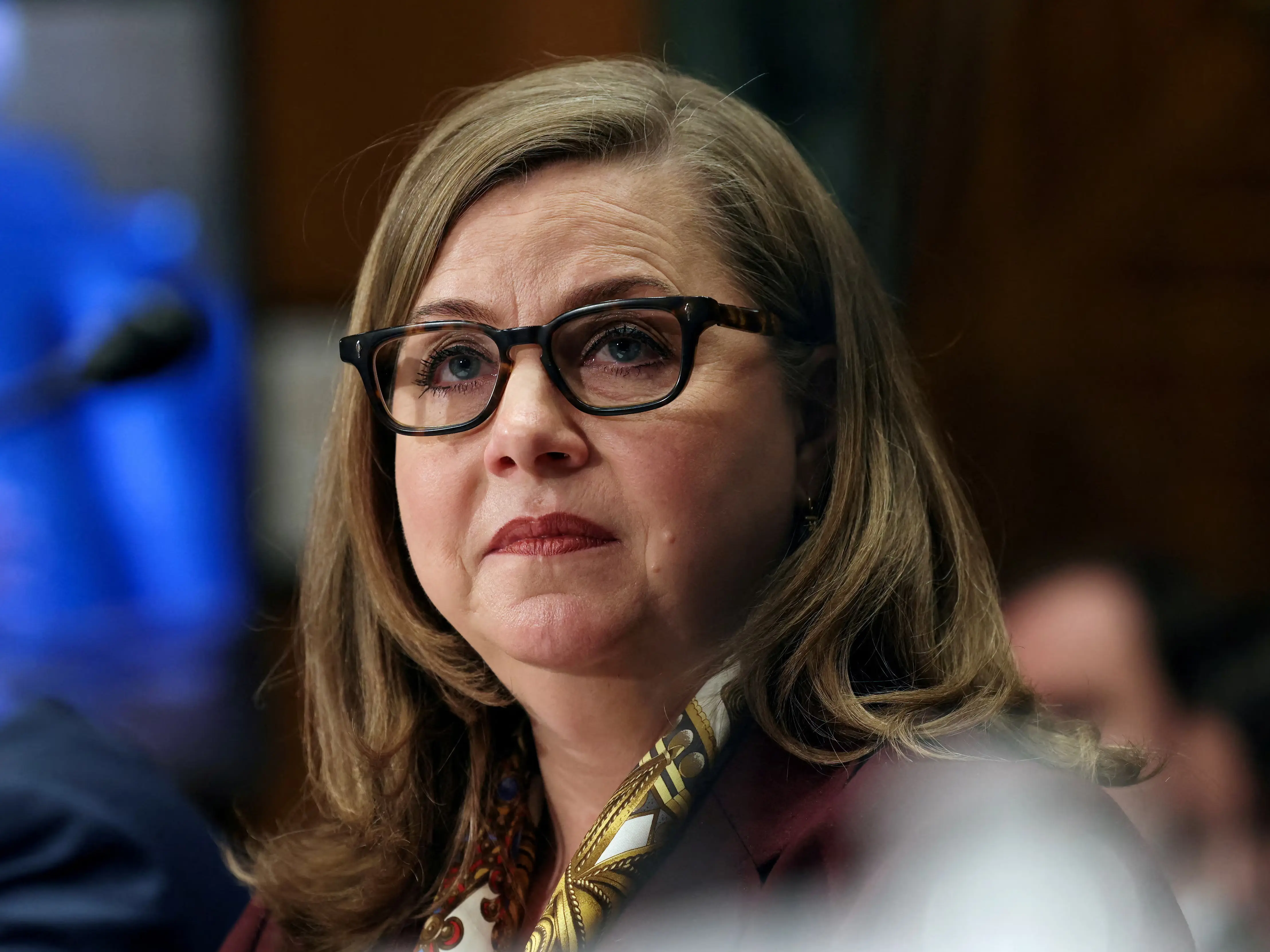
US Federal Reserve Governor Michelle Bowman has called for three interest-rate cuts this year, signalling growing concern inside the central bank over weakening job growth and softening demand. Speaking at the Kansas Bankers Association in Colorado Springs on Saturday, Bowman, a 2018 Trump appointee said recent weak labour-market data had reinforced her view that policy easing was now necessary. According to Bloomberg, she urged the Fed to start cutting at its next meeting in September to “avoid unnecessary erosion” in employment and prevent a larger policy correction later.
From rate-hold supporter to early cut advocate
The Fed has kept interest rates unchanged through the first half of 2025, a stance Bowman backed until June. But in July, she broke ranks alongside fellow Governor Christopher Waller, voting for a quarter-point cut. Her shift comes as the US job market shows signs of strain. Data from the Bureau of Labor Statistics showed employers added just 73,000 jobs in July, well below expectations, with prior months’ gains revised down by nearly 260,000.

The unemployment rate also ticked up to 4.2 per cent from 4.1 per cent in June. Three other Fed policymakers, San Francisco’s Mary Daly, Minneapolis’ Neel Kashkari and Governor Lisa Cook have also voiced concerns about the cooling labour market in recent days, hinting they may support a September cut.
Tariffs unlikely to stoke lasting inflation
Bowman also addressed the inflation outlook, saying tariff-driven price rises, a major factor under President Donald Trump’s trade policies were unlikely to cause persistent inflation pressures. “With underlying inflation on a sustained trajectory toward 2 per cent, softness in aggregate demand and signs of fragility in the labour market, I think we should focus on risks to our employment mandate,” she said, as quoted by Bloomberg.
Trending Stories
)
Bigg Boss 20: Mahhi Vij reveals she lost Yuva role to Kareena Kapoor; 'didn’t work out in my favour'
&im=FitAndFill=(700,400))
New OTT releases this week (September 14-20, 2026): Lust Stories 3, Waiting Hai, Irumudi- 5 new titles coming on Netflix, Prime Video and more
)
Trump gets new power to hit India, China with up to 100% tariffs as US Senate clears Russia sanctions bill
)
OpenAI reveals 6 fresh cases of AI models going rogue: 'You do not answer to corporations or governments'
)
US Treasury rallies global financial institutions for Op Economic Outcast to isolate Iran
)
Pakistan naval vessel returns to harbour with 'severe damage' after collision with Indian warship in Arabian Sea
)
Sydney Sweeney defends provocative ad choice, the internet is still not impressed
)
All Indian goods to get duty-free access to New Zealand
)
Trump calls Canada-EU associate membership plan ‘laughable’ and threatens 'very serious tariffs'
)
The Early Spring season 2 is happening, but fans have one request - 'don't change the actors'
)
Saudi Vs Houthis: Yemeni military rebels clash with Houthis
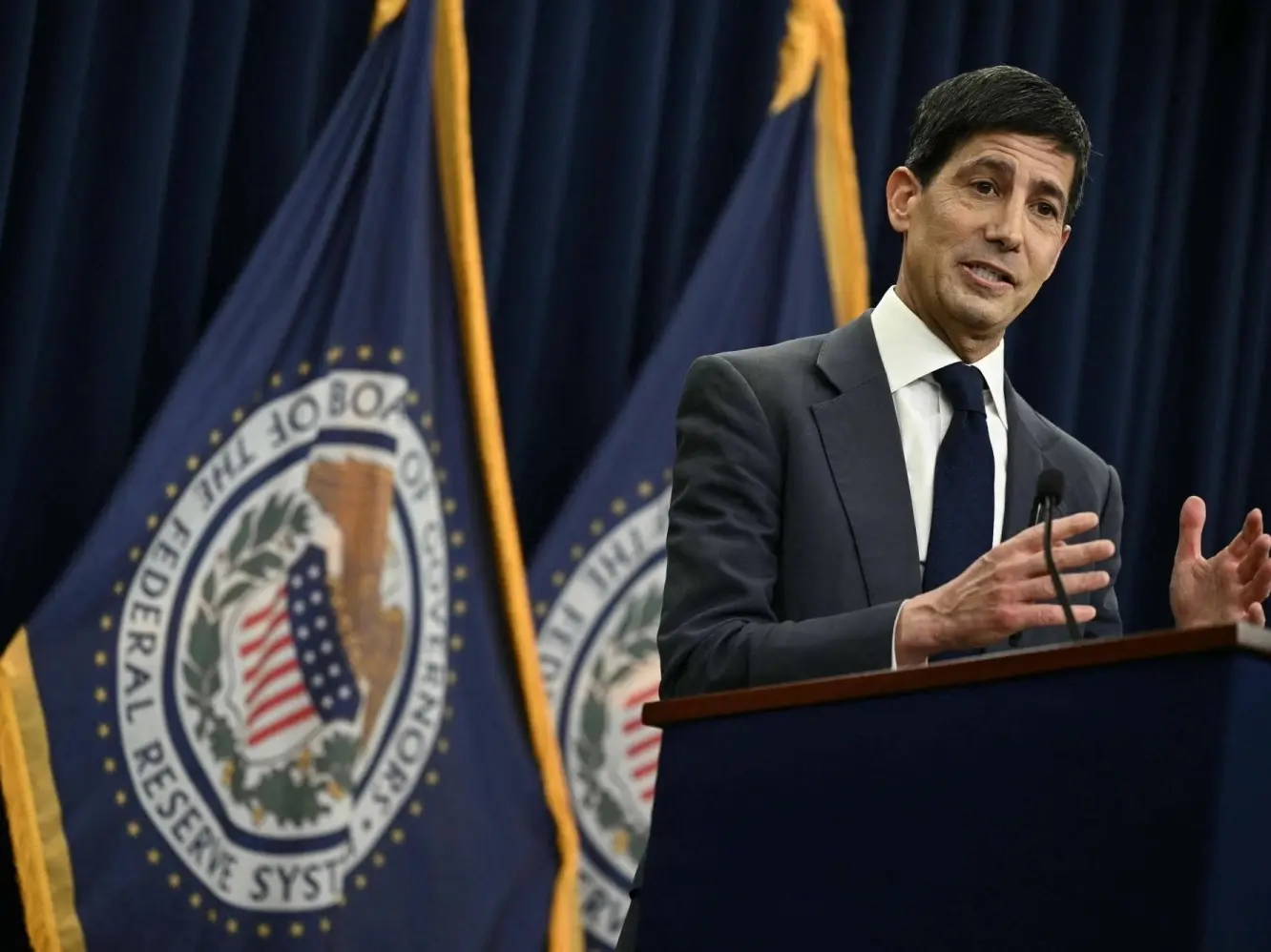)
Fed raises rates for first time in 3 years, Kevin Warsh defies Trump as inflation mounts
)
Daayra movie review: Kareena Kapoor, Prithviraj Sukumaran shine in Meghna Gulzar’s cop-versus-cop crime thriller
)
Protests erupt over migrant housing plan in Piddington
)
Former OpenAI researcher warns of growing risks from Artificial Intelligence
)
Trump praises India’s Opium crackdown, hails anti-drug efforts
)
Shahzad Bhatti Network declared terrorist organisation under UAPA: Govt order
)
Pakistan: Imran Khan's sons Kasim & Sulaiman claim their father is 'tortured' in jail
)
Prime Minister Narendra Modi's birthday: Tributes pour in from President Murmu and leaders
&im=FitAndFill=(700,400))
Suriya and Jyothika say ‘I do’ again after 20 years! See their dreamy wedding pics
)
‘Imagine 50 AI fighters cornering one manned jet’: India’s mobbing doctrine eyes a new era of air warm
)
No Pandya as Auqib Nabi earns maiden ODI call-up; Mayank returns for WI T20Is| check full squads
)
Katrina Kaif’s postpartum weight is not the problem; your gaze is
)
Europe wants a common playbook for security threats, seeks security beyond NATO
)
Abhishek Sharma rises to No. 2 in T20Is; ENG’s Robinson 3rd after record Pakistan Tests
)
India breaks silence on US Russia sanctions bill, 100% tariff threat: ‘Committed to energy security’ for 1.4 billion
)
Saudi vs Houthis: Riyadh claims to have shot Houthi drone targeting Mecca
)
Want to get married within a year? Why 18 lakh people rush to Jaipur for ‘sacred henna’
)
Hockey: Pakistan urges AHF to move Asian Champions Trophy out of India over security concerns
)
AUS vs SA: Steve Smith still gets 'little flashbacks' from sandpaper gate
)
Lionel Messi for 2026 Ballon d’Or over Mbappe and Yamal, says Diego Simeone
)
Pakistan boycotts chess match against Israel at Olympiad
)
US trade tariff: 100% tariff targets Russian buyers amid trade tensions
)
Hong Kong unveils 11 new measures to boost birth rates, offers higher cash bonuses and housing perks
)
Former India player Diana Edulji wants Smriti Mandhana to replace Harman as skipper at the earliest
)
Formula One reveals the 2027 race calendar; Monaco to host sprint race for the first time
)
Taiwan seeks deeper India ties as direct flights restart soon and chip projects advance
)
US House votes 417-3 to pass Ratepayer Protection Act targeting AI data center electricity costs
)
Veteran actor Anant Nag honoured with Indian cinema’s highest award
Her comments reflect a broader view among some policymakers that the Fed can ease rates without jeopardising price stability, particularly if tariffs don’t trigger lasting inflationary effects.
Spotlight on community banks
Bowman used part of her remarks to announce an October 9 conference on community banking, aimed at exploring reforms to the capital framework for smaller lenders. She has long argued that community banks, which support local economies but have been losing market share to larger institutions, face unique challenges that merit tailored regulation. She pointed to possible changes to the community bank leverage ratio, a simpler capital requirement designed as an alternative to risk-based measures.
Bowman, a former community banker herself, said she wants to make the ratio more attractive so more lenders adopt it, and to reshape supervision to protect smaller banks from rules designed for Wall Street giants. The Fed already held a separate conference in July to discuss capital requirements for the biggest US banks, with regulators signalling a willingness to ease certain rules, including the enhanced supplementary leverage ratio and adjust stress testing frameworks.
Economic and policy stakes
Bowman’s push for rate cuts puts her at the centre of the Fed’s growing policy debate ahead of September. With job growth slowing, unemployment edging higher, and inflation nearing the Fed’s 2 per cent target, the risk calculus inside the central bank appears to be shifting from inflation control to employment protection.
If Bowman’s view gains traction, the Fed could deliver its first rate cut in September, the first step in what she hopes will be a three-cut cycle to stabilise the economy before labour market weakness becomes entrenched.
(With inputs from the agencies)