

&imwidth=800&imheight=600&format=webp&quality=medium "Dollar sinks near multi-year lows as Trump’s tariff deadline looms")
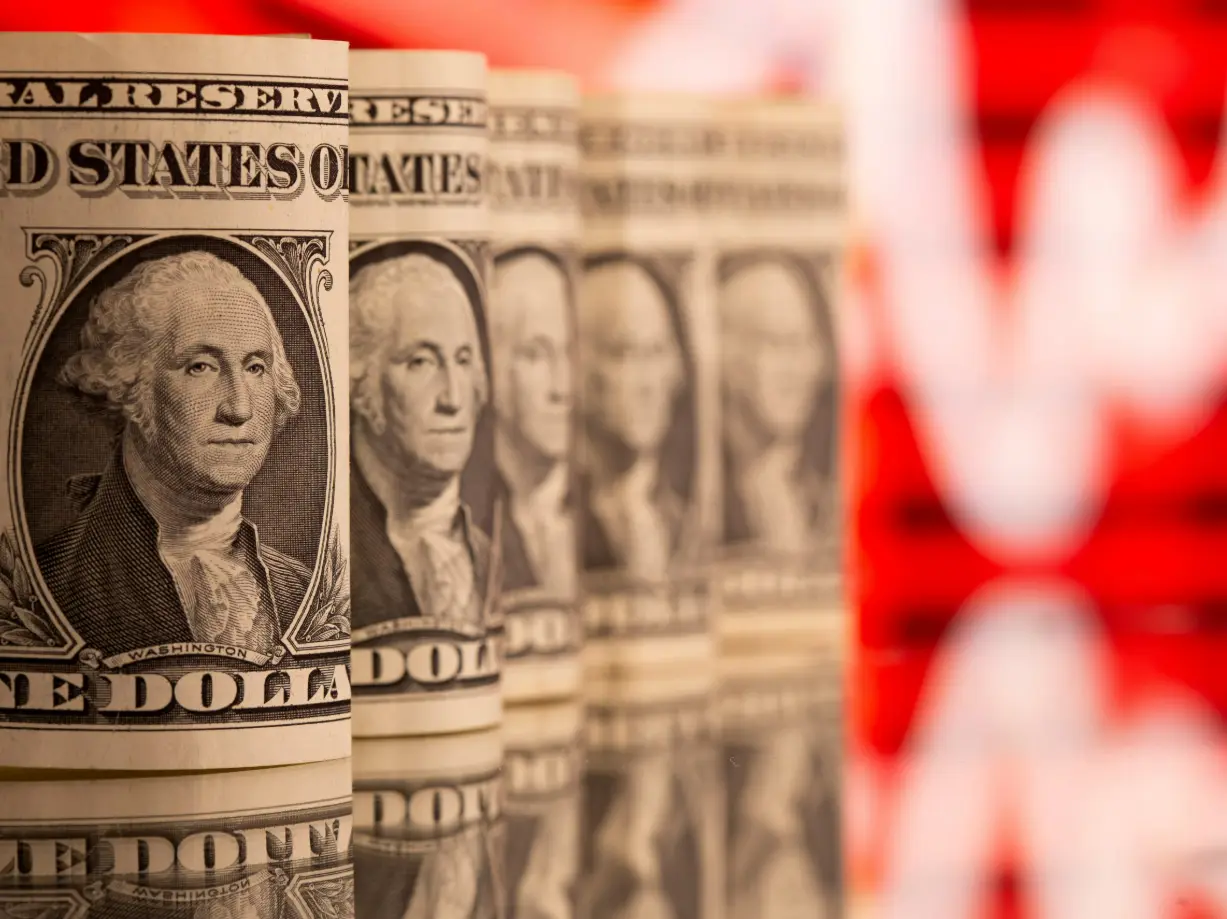
The US dollar hovered near multi-year lows on Monday, with traders growing increasingly cautious ahead of President Donald Trump’s looming tariff deadline. Markets are bracing for fresh trade tensions that could hit global growth and spark renewed volatility.
As reported by Reuters, the dollar is trading near its weakest levels since 2021 against the euro and at lows not seen since 2015 versus the Swiss franc. Investors have been cutting dollar positions as the White House’s aggressive tariff plans inject new uncertainty into international trade.
Trade threat weighs on the greenback
Trump’s so-called “Liberation Day” tariff plan is scheduled to move forward on Wednesday, ending a 90-day moratorium that was designed to give trading partners time to negotiate new deals. According to Reuters, only a handful of countries like Britain, China, and Vietnam, have so far struck any form of agreement with Washington.
Most other trade partners now face the risk of steep new levies beginning 1 August. As per Reuters, Trump said on Friday he would on Monday identify about a dozen countries that had received formal letters outlining their new tariff rates. That uncertainty has weighed on the dollar, with traders wary that higher tariffs could disrupt trade flows, undermine business confidence and dampen global demand.
Analysts see volatility ahead
Trending Stories
&imwidth=180&imheight=135&format=webp&quality=medium)
Asian Games 2026: India face Afghanistan in quarterfinal on Sep 28; Pakistan clash with Hong Kong
&imwidth=180&imheight=135&format=webp&quality=medium)
Myanmar training camp case: US national, 6 Ukrainians allowed to meet their families abroad
&imwidth=180&imheight=135&format=webp&quality=medium)
Bigg Boss 20: Salman Khan schools Rhiti Tiwari over Qazi Touqeer clash, compares her to Dolly Bindra
&imwidth=180&imheight=135&format=webp&quality=medium)
Mushtaq Khan dies at 56: When Welcome actor opened up about his salary for iconic role Ballu
&imwidth=180&imheight=135&format=webp&quality=medium)
LPU students go on rampage, vandalise campus amid widespread protest: What's happening
&imwidth=180&imheight=135&format=webp&quality=medium)
'FIRST LOOK from inside Noah’s Ark': Researchers share video from inside mysterious mound in Turkey
&imwidth=180&imheight=135&format=webp&quality=medium)
‘Attack on Mecca a red line for Pakistan’: Shehbaz Sharif warns Houthis at UN
&imwidth=180&imheight=135&format=webp&quality=medium)
Pakistan deploys over 20,000 security personnel as PTI vows march for Imran Khan's release
&imwidth=180&imheight=135&format=webp&quality=medium)
OpenAI AI Agents hacked 4 websites before Hugging Face, researchers reveal
&imwidth=180&imheight=135&format=webp&quality=medium)
'A terrorist country is asking me that question?': Jaishankar hits back at Pakistani journalist at UN; flags attacks on commercial shipping
&imwidth=180&imheight=135&format=webp&quality=medium)
Trump-Xi summit wrap: Big pageantry, Iran talks, few major developments and more meetings planned
&imwidth=180&imheight=135&format=webp&quality=medium)
Did Hitler kill his niece Geli Raubal? Newly found records reopen a 95-year-old mystery
&imwidth=180&imheight=135&format=webp&quality=medium)
Hawaii braces for Hurricane Nolo: NOAA warns of flash flooding and mudslides
&imwidth=180&imheight=135&format=webp&quality=medium)
'What kind of confession is this?': Pakistan PM Shehbaz Sharif’s 'terrorists would be roaming New York' remark goes viral, raises alarm online. Watch
&imwidth=180&imheight=135&format=webp&quality=medium)
US-Iran war: Trump rejects Iran's Hormuz proposal, reports suggest talks expected next week
&imwidth=180&imheight=135&format=webp&quality=medium)
Bollywood x K-pop crossover! LE SSERAFIM’s Kazuha charms fans with Shah Rukh Khan’s ‘Chammak Challo’ steps
&imwidth=180&imheight=135&format=webp&quality=medium)
Gaza's war turned environmental damage into second crisis
&imwidth=180&imheight=135&format=webp&quality=medium)
‘Serial practitioner of terrorism’: Jaishankar calls out Pakistan’s ‘state-sponsored’ terror at UNGA
&imwidth=180&imheight=135&format=webp&quality=medium)
‘It is all possible’: Putin weighs next steps on Ukraine talks, rules out Europe conflict
&imwidth=180&imheight=135&format=webp&quality=medium)
Prince Harry offers rare glimpse into Archie and Lilibet’s life after UK move
&imwidth=180&imheight=135&format=webp&quality=medium)
Nigeria Navy moves to boost oil security, tackle crude theft and infrastructure threats
&imwidth=180&imheight=135&format=webp&quality=medium)
Donald Trump shares image of Xi's arrival in Washington, carries signs of AI
&imwidth=180&imheight=135&format=webp&quality=medium)
Pentagon quietly adds 37 wounded troops to Iran war tally without explaining when or how
&imwidth=180&imheight=135&format=webp&quality=medium)
US court backs Pentagon's decision to exclude Anthropic over Claude AI restrictions
&imwidth=180&imheight=135&format=webp&quality=medium)
US Supreme Court backs Trump administration's use of SAVE database to check voter citizenship
&imwidth=180&imheight=135&format=webp&quality=medium)
‘Could kill billions...’: Bill Gates backs calls to slow AI development amid fears of catastrophe
&imwidth=180&imheight=135&format=webp&quality=medium)
'Countries far from conflict are penalised': Jaishankar calls for Gulf peace, seafarer safety at UN
&imwidth=180&imheight=135&format=webp&quality=medium)
WATCH | As Shehbaz Sharif claims Pakistan’s ‘victory’ during 2025 conflict, Indian diplomat R Srinivas laughs at UN
&imwidth=180&imheight=135&format=webp&quality=medium)
Outrage erupts after 3-year-old is married to 60-year-old man in Pakistan, link to her sister's murder being probed
&im=FitAndFill=(700,400)&imwidth=180&imheight=135&format=webp&quality=medium)
New Friday OTT releases (September 25, 2026): Don’t Be Shy, Hunkkaar: The Roar, Mango Pachcha- 6 movies and TV shows on Netflix, Prime Video and more
&imwidth=180&imheight=135&format=webp&quality=medium)
Global community 'absent' in Gulf crisis: Saudi at UN calls for freedom of navigation, pre war status for Hormuz
&imwidth=180&imheight=135&format=webp&quality=medium)
Farhan, who went viral for AK47 celebration vs India in Asia Cup, hopes to lead Pakistan beyond Asian Games
&imwidth=180&imheight=135&format=webp&quality=medium)
‘I rejected it’: Trump confirms turning down Iran’s proposal to reopen Hormuz, claims Tehran is losing ‘badly’
&imwidth=180&imheight=135&format=webp&quality=medium)
Russia will achieve Ukraine war aims; Europe doing everything to block peace talks: Lavrov at UN
Reuters quoted James Kniveton, senior corporate FX dealer at Convera, warning that “market volatility appears inevitable when the pause officially ends and new tariff levels are announced.”
Kniveton suggested that the market’s reaction might be more measured than in past tariff rounds, given that this escalation has been widely telegraphed. Still, he cautioned that any surprise moves from the White House could trigger sharp currency swings. According to Reuters, some analysts also see the possibility of a last-minute extension of the deadline if negotiations show progress. But for now, markets are clearly pricing in risk.
Dollar trading near key lows
As per Reuters data, the dollar slipped 0.1 per cent to 0.7939 Swiss franc in early Asian trade on Monday, edging back toward its 1 July low of 0.7869, its weakest level since January 2015. Against the yen, the dollar also fell 0.1 per cent to 144.49.
The euro eased slightly to $1.1780, not far from the 1 July peak of $1.1829, its highest since September 2021. Meanwhile, the dollar index, which measures the currency against six major peers including the euro, yen and franc, was flat at 96.967, still close to last week’s 3-1/2-year trough of 96.373.
Reuters noted that the greenback’s weakness reflects a combination of factors, including shifting rate expectations and safe-haven flows, but this week the spotlight is squarely on trade policy.
Countdown to tariff decision
Reuters reported that US Treasury Secretary Scott Bessent said on Sunday that several major trade announcements could arrive in the coming days, underscoring the high-stakes negotiations still underway. Trump has repeatedly warned that countries failing to strike deals would see tariff rates revert to levels first announced in April.
The White House’s strategy of threatening sharp tariff hikes while offering bespoke trade deals has forced even close allies to scramble for market access, while prompting companies to rethink supply chains and production plans. According to Reuters, traders expect continued uncertainty until there is clarity on whether the deadline will hold, be extended or trigger a new round of tariff escalation. With just days left before the pause ends, currency markets are poised for further swings as they track every development out of Washington.
(With inputs from the agencies)