Xi Jinping urges Middle East nations to reject ‘external’ interference, seek new ‘security architecture’

&imwidth=600&imheight=450&format=webp&quality=medium "Xi Jinping urges Middle East nations to reject ‘external’ interference, seek new ‘security architecture’")
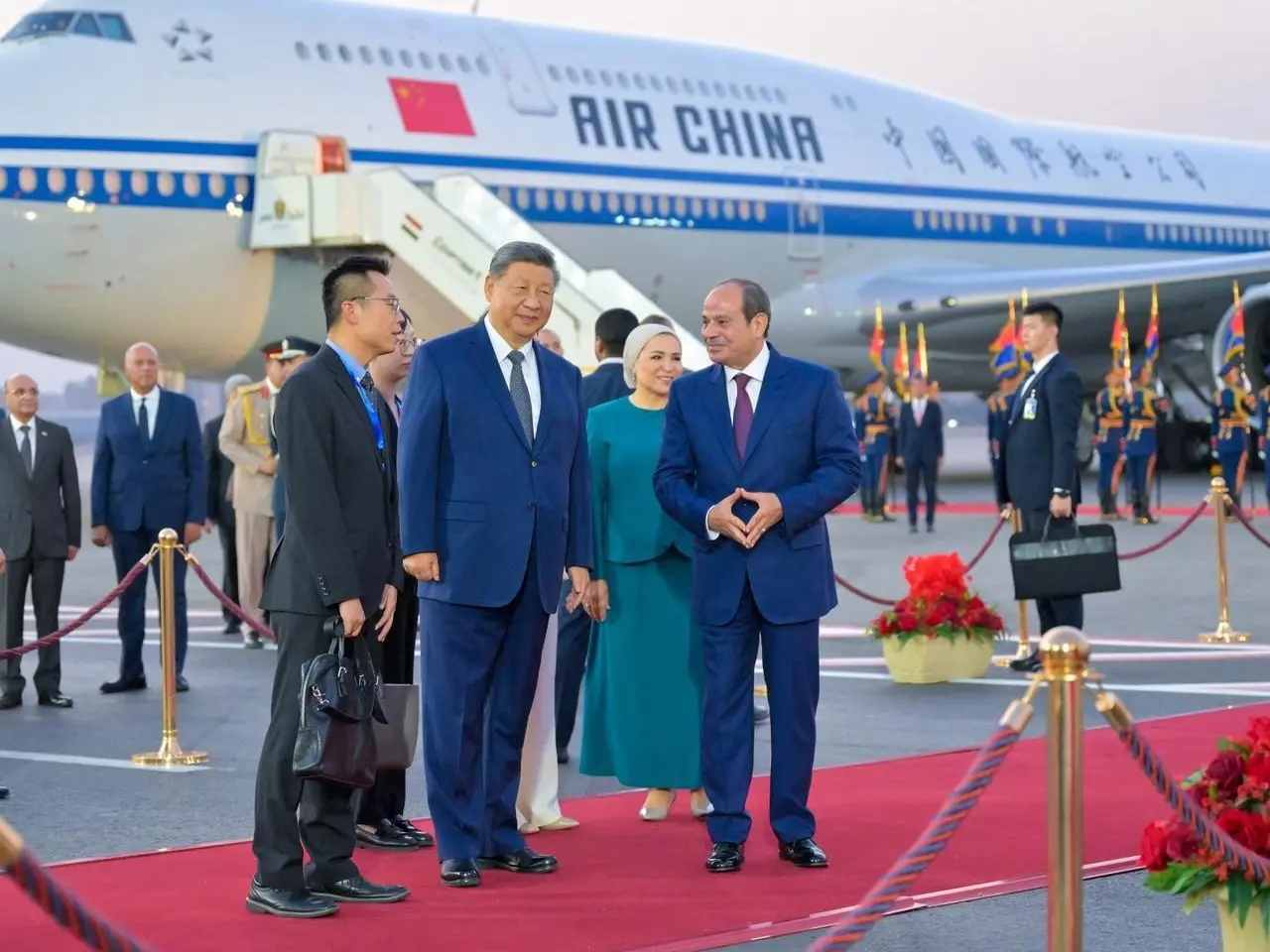
Egyptian President Abdel Fattah el-Sisi welcomes Chinese President Xi Jinping at Cairo International Airport Photograph: (AFP)
It is Chinese President Xi Jinping’s first trip to the Middle East in four years and comes at a time when US allies in the region are reassessing their strategic relationships as the ongoing conflict has disrupted trade and raised questions about Washington’s long-term role.
Chinese President Xi Jinping on Wednesday called on nations in the Middle East to oppose any ‘external interference’ and consider reshaping the region’s security order. He added that Beijing and Cairo should jointly oppose “unilateralism and acts of bullying”. Xi is on a visit to Egypt as Beijing is seeking to expand its influence amid the US war against Iran.
It is Xi’s first trip to the Middle East in four years and comes at a time when US allies in the region are reassessing their strategic relationships as the ongoing conflict has disrupted trade and raised questions about Washington’s long-term role.
Xi touched down in Cairo on Tuesday evening and received a warm welcome from Egyptian President Abdel Fattah El-Sisi.
Egypt steadily increasing economic, military cooperation with Beijing
Egypt, which is a major US defence partner and receives around $1.3 billion annually in military aid from Washington, has been steadily increasing economic and military cooperation with Beijing in the past few years.
Trending Stories
&imwidth=280&imheight=210&format=webp&quality=medium)
&imwidth=280&imheight=210&format=webp&quality=medium)
&imwidth=280&imheight=210&format=webp&quality=medium)
&imwidth=280&imheight=210&format=webp&quality=medium)
&imwidth=280&imheight=210&format=webp&quality=medium)
&imwidth=280&imheight=210&format=webp&quality=medium)
&imwidth=280&imheight=210&format=webp&quality=medium)
&imwidth=280&imheight=210&format=webp&quality=medium)
&imwidth=280&imheight=210&format=webp&quality=medium)
&imwidth=280&imheight=210&format=webp&quality=medium)
&imwidth=280&imheight=210&format=webp&quality=medium)
&imwidth=280&imheight=210&format=webp&quality=medium)
&imwidth=280&imheight=210&format=webp&quality=medium)
&imwidth=280&imheight=210&format=webp&quality=medium)
&imwidth=280&imheight=210&format=webp&quality=medium)
&imwidth=280&imheight=210&format=webp&quality=medium)
&imwidth=280&imheight=210&format=webp&quality=medium)
&imwidth=280&imheight=210&format=webp&quality=medium)
&imwidth=280&imheight=210&format=webp&quality=medium)
&imwidth=280&imheight=210&format=webp&quality=medium)
&imwidth=280&imheight=210&format=webp&quality=medium)
&imwidth=280&imheight=210&format=webp&quality=medium)
&imwidth=280&imheight=210&format=webp&quality=medium)
&imwidth=280&imheight=210&format=webp&quality=medium)
&im=FitAndFill=(700,400)&imwidth=280&imheight=210&format=webp&quality=medium)
&imwidth=280&imheight=210&format=webp&quality=medium)
&imwidth=280&imheight=210&format=webp&quality=medium)
&im=FitAndFill=(700,400)&imwidth=280&imheight=210&format=webp&quality=medium)
&imwidth=280&imheight=210&format=webp&quality=medium)
&imwidth=280&imheight=210&format=webp&quality=medium)
&imwidth=280&imheight=210&format=webp&quality=medium)
&imwidth=280&imheight=210&format=webp&quality=medium)
&imwidth=280&imheight=210&format=webp&quality=medium)

&imwidth=280&imheight=210&format=webp&quality=medium)
&imwidth=280&imheight=210&format=webp&quality=medium)
Xi, who was welcomed by President Abdel Fattah al-Sisi with a military ceremony in Cairo, said countries in the region should be “masters of their own destiny” and explore a new regional “security architecture”, reported China’s state news agency Xinhua.
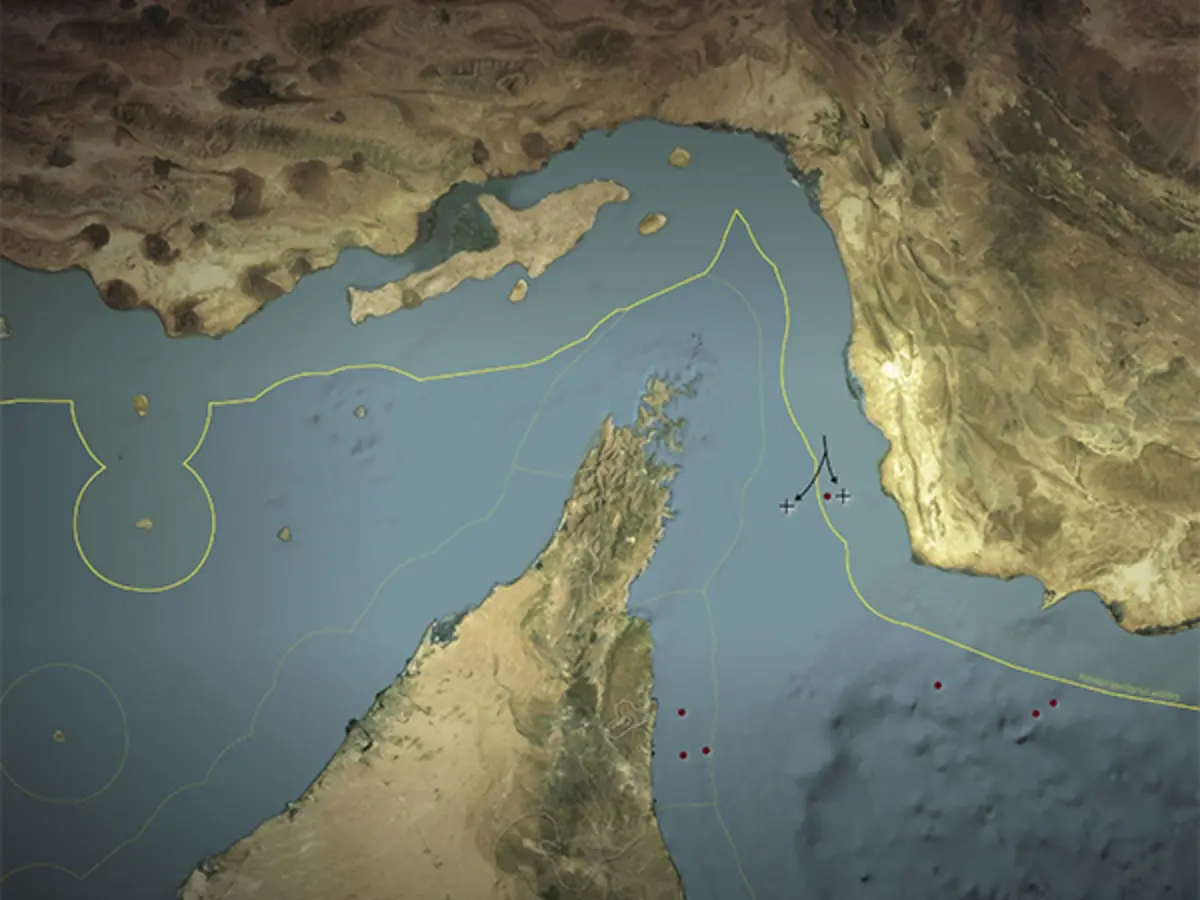
Xi also said China was ready to work with regional countries to safeguard shipping routes, an issue that has assumed great importance after conflict disrupted traffic through the Strait of Hormuz and Bab al-Mandeb.
Xinhua said the leaders agreed to deepen security cooperation and counterterrorism coordination. The two sides also agreed to expand cooperation in data centers, semiconductors and critical metals supply chains and strengthen the use of each other’s currencies in trade and investment, according to a joint statement.
‘Egypt pursuing a policy of strategic balance’
In an article published ahead of XI’s visit, Sisi said Egypt pursued a policy of “strategic balance” in the time of growing global rivalry.
Stronger ties with China fit Egypt’s broader effort to diversify international partnerships.
Similarly for China, Egypt’s regional influence and strategic location make it an important partner as Beijing seeks a broader economic role and tries to chip away at US influence in the region.
Last month witnessed growing military ties during Egypt’s ‘Eagles of Civilization’ exercises with China, which included a rare air combat drill involving Chinese-made J-16 jets and French-made Rafale aircraft.
Enthusiasm for the Chinese president’s visit has been evident a Cairo’s streets have been decked in Chinese flags and images of iconic sites including Egypt’s Sphinx and China’s Great Wall.
Home to the Suez Canal, Egypt which also has a population of more than 110 million, is an important market for China and has imported $10 billion of Chinese goods in the first half of this year alone.
Chinese investment has risen rapidly in Egypt since Sisi visited China and signed a strategic partnership agreement in 2014, with Chinese companies pouring billions into container ports, green hydrogen projects and facilities to make iron pipes, car tyres, and satellites.