

&imwidth=800&imheight=600&format=webp&quality=medium "'Reason UN has lost credibility': India hits out at UN report alleging 'youth repression,' questions reliance on anonymous submissions")
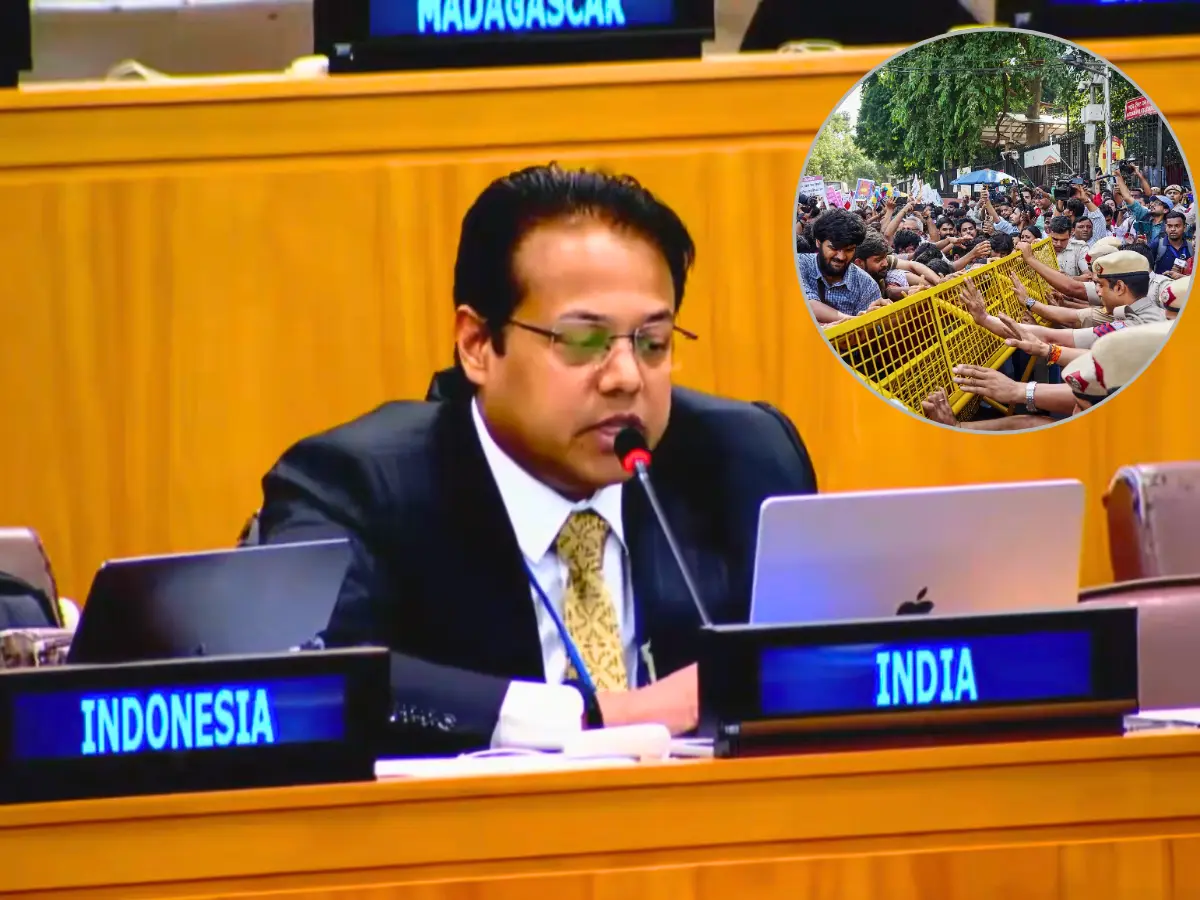
India on Thursday (Oct 16) hit out at the UN for relying on anonymous submissions to make claims about the alleged ill treatment of young people in the country. Addressing the 81st Session of the UNGA Third Committee, the Indian representative challenged a UN report on youth activism, which accused India of youth repression, and said that it was "heresy dressed up as a UN report".
Calling the approach of Gina Romero, the Special Rapporteur on the rights to freedom of peaceful assembly and of association, unverified and damaging to the credibility of the UN's human rights institutions, Anuj Swarup, First Secretary of India's delegation, said, this was "precisely the reason the UN has lost credibility".
Anonymous accusations not evidence: India at UN
Delivering the statement during an interactive dialogue with Gina Romero, India expressed its outrage against the report 'Youth activism: from systemic exclusion to real participation', which discusses barriers faced by young people exercising their rights to peaceful assembly, association and political participation. The report claims that young people from India reported retaliation or stigmatisation for discussing mental health or gender justice.
“A sweeping charge against the world's largest youth population resting on anonymous and unverified claims is not evidence,” Swarup said, adding that India rejected the allegation. He described the report's approach as “hearsay dressed up as a UN report” and urged the Special Rapporteur to verify claims before publishing them.
What does the UN report say?
Romero's report, dated July 15, 2026, draws on 190 submissions, including contributions from 180 young people, youth-led organisations, non-governmental organisations, an ombudsperson's office and 10 states. It also draws on consultations with more than 500 youth-led organisations and activists worldwide.
Trending Stories
&imwidth=180&imheight=135&format=webp&quality=medium)
US midterms 2026: Ken Paxton may have Elon Musk to thank if he wins the Texas Senate race. Here's why
&im=FitAndFill=(700,400)&imwidth=180&imheight=135&format=webp&quality=medium)
Salman Khan-Karisma Kapoor reunion at Koffee with Karan season 9 sparks nostalgia: A look at their most loved films
&imwidth=180&imheight=135&format=webp&quality=medium)
Ankita Bhandari murder case: Parents meet CBI, seek impartial investigation
&imwidth=180&imheight=135&format=webp&quality=medium)
A secret code, a midnight escape and 300 deaths: The Russian officer who turned on Putin
&imwidth=180&imheight=135&format=webp&quality=medium)
US midterms 2026: Alexandria Ocasio-Cortez donates $1 million to Abdul El-Sayed’s as Michigan race heats up
&im=FitAndFill=(700,400)&imwidth=180&imheight=135&format=webp&quality=medium)
Who left the White House podium the fastest? Press secretaries with the shortest stints
&imwidth=180&imheight=135&format=webp&quality=medium)
After ODIs, T20Is and Tests, cricket set to introduce a new format: All you need to know
&imwidth=180&imheight=135&format=webp&quality=medium)
Iranian woman, 23, handed death sentence for ‘blasphemy’ in social media post; appeals for help
&imwidth=180&imheight=135&format=webp&quality=medium)
US budget deficit nears $2 trn as tariff refunds rise; debt crosses $40 trn
&imwidth=180&imheight=135&format=webp&quality=medium)
China tells Israel to stop West Bank settlements, calls Palestine issue ‘historic injustice’
&imwidth=180&imheight=135&format=webp&quality=medium)
BCCI names India’s ODI squad for New Zealand tour, Gill and Iyer to share captaincy
&imwidth=180&imheight=135&format=webp&quality=medium)
Pakistan to head IMF, World Bank boards after 74 years amid persistent economic crisis
&imwidth=180&imheight=135&format=webp&quality=medium)
Gravitas | Iran threatens to hit key bridges in 7 countries if US resumes strikes
&imwidth=180&imheight=135&format=webp&quality=medium)
CJP's Tiranga march: People hit streets of Delhi again, reiterate call for Gyanesh Kumar's resignation
&imwidth=180&imheight=135&format=webp&quality=medium)
China responds to Trump's Press Secretary Katie Zacharia after toilet remark: 'Visit China more often'
&imwidth=180&imheight=135&format=webp&quality=medium)
Here’s who is eyeing the White House press secretary role after Katie Zacharia’s exit
&im=FitAndFill=(700,400)&imwidth=180&imheight=135&format=webp&quality=medium)
Inside Tesla's Roadster: 10 features of Elon Musk's 'flying car' that push the limits of electric vehicles | In Pics
&imwidth=180&imheight=135&format=webp&quality=medium)
Russian woman and Bihar boy's love story goes viral after she reaches India to marry him
&imwidth=180&imheight=135&format=webp&quality=medium)
India's Gen Z rebellion: Can the 'Lehra Do Tiranga' movement reshape the political order? | The Verdict

US ends automatic work permit extensions; Indian workers lose 540-day safety net: What it means
&imwidth=180&imheight=135&format=webp&quality=medium)
'I don’t trust anybody', says Trump when asked about Netanyahu
&imwidth=180&imheight=135&format=webp&quality=medium)
Oregon school shooting: 16-year-old shooter identified, used shotgun bought by mother; Trump praises bystander who shot gunman as 'great hero'
&imwidth=180&imheight=135&format=webp&quality=medium)
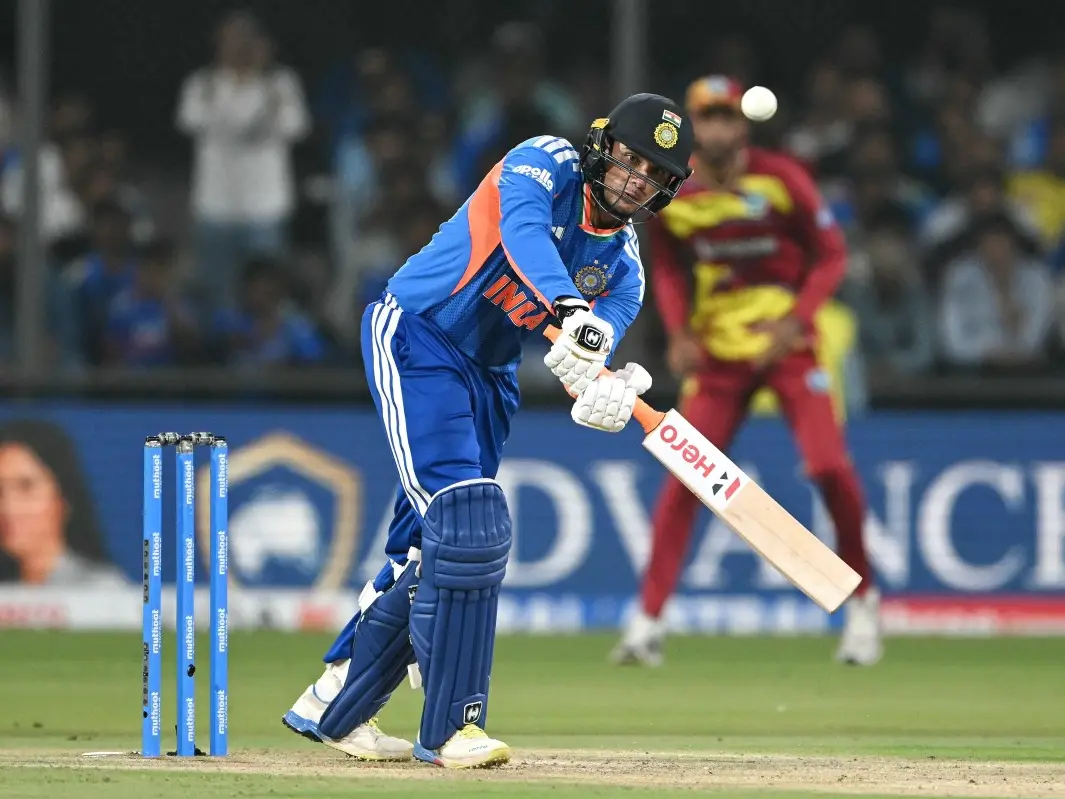
Abhishek Sharma sets all-time record for most T20I sixes in a year
&imwidth=180&imheight=135&format=webp&quality=medium)
‘My president, I mean my husband’: Trump's new press secretary Katie Zacharia's first briefing goes off the rails in 14 minutes
&imwidth=180&imheight=135&format=webp&quality=medium)
Iran rejects Saudi allegations of backing Houthi attacks, renews mediation offer
&imwidth=180&imheight=135&format=webp&quality=medium)
India’s naval priorities: Ex-Navy Chief calls for third aircraft carrier, more warships and submarines

Not Khan but Pal: Why did Imran Khan choose his mother's surname over his father's? Family tree explained
&imwidth=180&imheight=135&format=webp&quality=medium)
Did Trump just fire Katie Zacharia as his new press secretary? Here’s what he said
&imwidth=180&imheight=135&format=webp&quality=medium)
'We are not sitting in ivory towers, we are aware': SC issues notice to Rahul Gandhi, Akhilesh Yadav
&imwidth=180&imheight=135&format=webp&quality=medium)
Group's fibre-optic drones pose new challenge for Israel
&imwidth=180&imheight=135&format=webp&quality=medium)
Vijay Deverakonda and Rashmika Mandanna's Ranabaali X Review: Netizens call it history-rich but overstuffed
&imwidth=180&imheight=135&format=webp&quality=medium)
Israel examines Russia's Shahed-type drones sent by Ukraine to combat Iran | Gravitas
&imwidth=180&imheight=135&format=webp&quality=medium)
Ukraine drone strike disrupts 22 Russian airports, over 200 flights
&im=FitAndFill=(700,400)&imwidth=180&imheight=135&format=webp&quality=medium)
New Friday OTT releases (October 16, 2026): DC, Sacrifice, Aasha- 6 new movies and TV shows coming on Netflix, Zee 5, Prime Video and more
It examines youth activism across 97 states and regions, rather than focusing exclusively on India.
The India-specific reference appears in its discussion of educational institutions and academic freedom. It says young people from India reported retaliation or stigmatisation for discussing mental health or gender justice.
"Young people from India reported retaliation or stigmatisation for discussing mental health or gender justice." However, the report does not identify those contributors in the passage.
Also read | US ends automatic work permit extensions; Indian workers lose 540-day safety net: What it means
India cites constitutional protections and youth engagement
Swarup said India's Constitution guarantees freedom of assembly, association, speech and expression under Article 19, with protections provided by an independent judiciary, a free press and the National Human Rights Commission.
He also cited the government's response to protests over irregularities in public examinations, saying Parliament amended the Public Examinations Act, strengthened penalties for paper leaks and introduced changes to the examination system.
Swarup further highlighted the Viksit Bharat Young Leaders Dialogue, noting that more than five million young people participated in shaping national priorities and engaged directly with Prime Minister Narendra Modi.
He argued that these initiatives demonstrated youth participation in India's democracy and criticised the Special Rapporteur for overlooking them. India called on Romero to apply greater rigour and fairness in her reporting.

