

&imwidth=800&imheight=600&format=webp&quality=medium "At least 400 arrested as protests turn violent in France; PM blames far left")
At least 400 people were arrested, and fires and looting hit several cities on Saturday as mass protests over the cost of living, joined by students, swept France, drawing an estimated 550,000 demonstrators. Prime Minister Sébastien Lecornu blamed "ultra-left" groups for organising the violence.
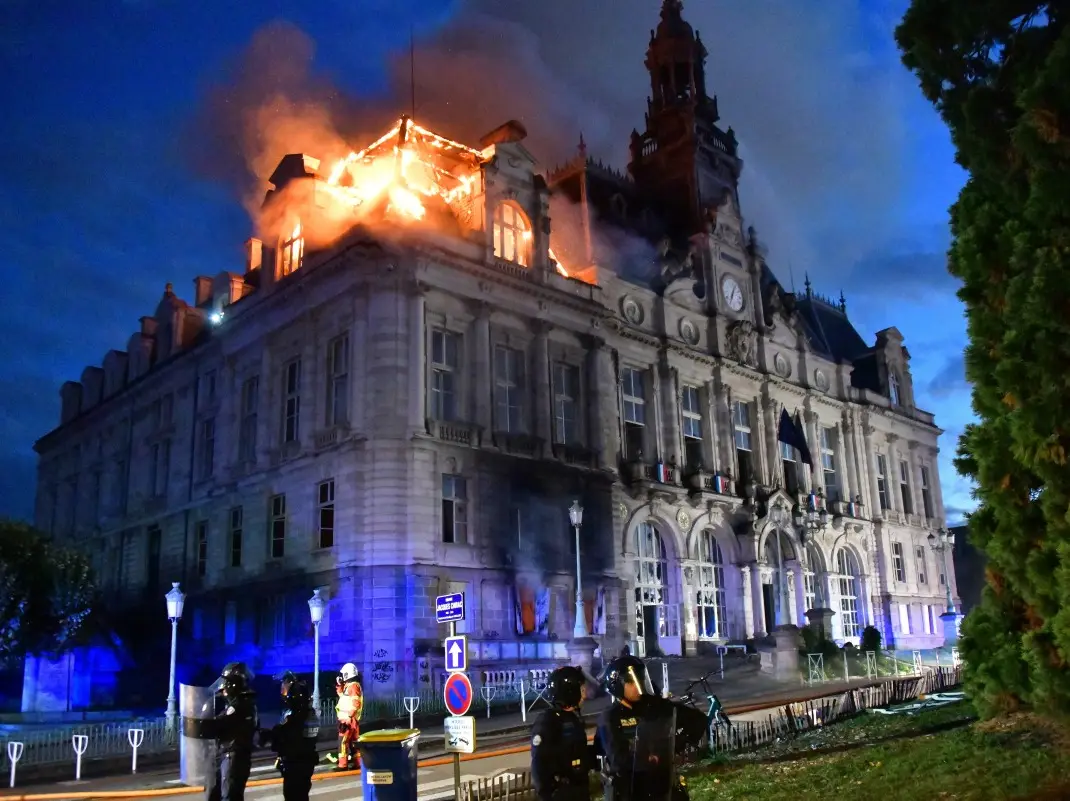
In Paris, a car and a newspaper kiosk were set on fire, and police used tear gas and water cannons on violent groups, while most marchers stayed peaceful. Protesters set up barricades on the Champs-Élysées despite a police ban. In Lyon, hooded individuals vandalised and set fire to a branch of the tourist office on Place Bellecour, and the regional prefecture said firefighters were initially prevented from reaching the blaze. Masked individuals destroyed the roof and a wing of the Limoges city hall with fire, forcefully stormed the Marseille city hall to smash furniture and topple a historic bust of Marianne, and broke past security lines to vandalise the municipal offices in Lille and Grenoble.
Lecornu condemned the violence in a post on X. He said peaceful demonstrations belong in the Republic, but fires, looting and attacks do not. He said ultra-left groups had organised the violence in several cities, and that police and gendarmes faced "violence of extreme intensity" and deserved the country's full support. He also said no mobilisation should be a pretext for violence against demonstrators.
"To those who clearly intend for this violence to serve as a 'warm-up' ahead of the presidential election, we will not be intimidated," Lecornu wrote, adding that no one would impose a political agenda through violence. He did not name those he was addressing. Replying to a post by hard-left leader Jean-Luc Mélenchon, he called blaming police chiefs for the violence a "dangerous and cynical inversion of responsibilities." He also pointed to a bill due in the Senate this month that would make rioters financially liable for damage.
French President Emmanuel Macron says there is “no place for violence”. In a social media post, he writes that those "who have vandalised and attacked" prefectures and businesses and "looted" town halls will be "prosecuted and punished".
Trending Stories

US ends automatic work permit extensions; Indian workers lose 540-day safety net: What it means
&imwidth=180&imheight=135&format=webp&quality=medium)
Trump invokes national interest to waive new Russia sanctions, tariffs; India gets relief from 100% tariff threat
&imwidth=180&imheight=135&format=webp&quality=medium)
Ankita Bhandari murder case: Parents meet CBI, seek impartial investigation
&im=FitAndFill=(700,400)&imwidth=180&imheight=135&format=webp&quality=medium)
New Friday OTT releases (October 16, 2026): DC, Sacrifice, Aasha- 6 new movies and TV shows coming on Netflix, Zee 5, Prime Video and more
&imwidth=180&imheight=135&format=webp&quality=medium)
'We feel like Mr India': Gujarat’s undercover SHE team guard garba nights at Navratri
&imwidth=180&imheight=135&format=webp&quality=medium)
Lizard people? Ex-US Army sniper claims soldier killed by 'reptilian beings' in battle near Area 51
&imwidth=180&imheight=135&format=webp&quality=medium)
Infiltration bid foiled in Kupwara’s Keran sector, search operation underway
&imwidth=180&imheight=135&format=webp&quality=medium)
Israel examines Russia's Shahed-type drones sent by Ukraine to combat Iran | Gravitas
&im=FitAndFill=(700,400)&imwidth=180&imheight=135&format=webp&quality=medium)
Who left the White House podium the fastest? Press secretaries with the shortest stints
&im=FitAndFill=(700,400)&imwidth=180&imheight=135&format=webp&quality=medium)
Inside Tesla's Roadster: 10 features of Elon Musk's 'flying car' that push the limits of electric vehicles | In Pics
&imwidth=180&imheight=135&format=webp&quality=medium)
'Reason UN has lost credibility': Amid SIR protests India hits out at report alleging 'youth repression'
&imwidth=180&imheight=135&format=webp&quality=medium)
Pakistan to head IMF, World Bank boards after 74 years amid persistent economic crisis
&imwidth=180&imheight=135&format=webp&quality=medium)
Here’s who is eyeing the White House press secretary role after Katie Zacharia’s exit
&imwidth=180&imheight=135&format=webp&quality=medium)
China responds to Trump's Press Secretary Katie Zacharia after toilet remark: 'Visit China more often'
&imwidth=180&imheight=135&format=webp&quality=medium)
Selma Blair’s team responds to flight incident, says actress ‘did not intend to harm anyone’
&imwidth=180&imheight=135&format=webp&quality=medium)
US midterms 2026: Ken Paxton may have Elon Musk to thank if he wins the Texas Senate race. Here's why
&imwidth=180&imheight=135&format=webp&quality=medium)
A secret code, a midnight escape and 300 deaths: The Russian officer who turned on Putin
&imwidth=180&imheight=135&format=webp&quality=medium)
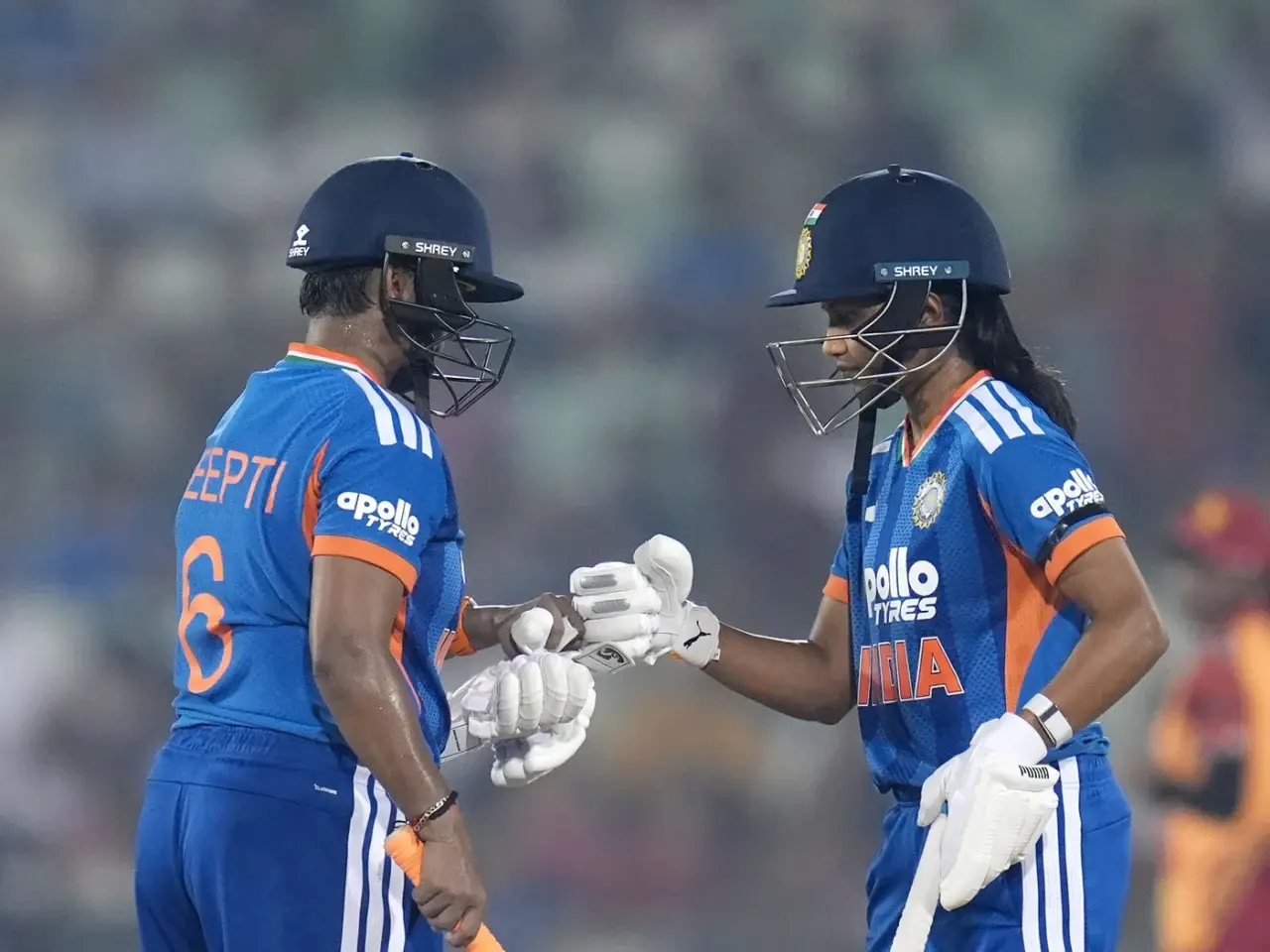
IND-W vs ZIM-W, 1st T20I: Deepti Sharma, Niki Prasad shine as India beat Zimbabwe by four wickets

Not Khan but Pal: Why did Imran Khan choose his mother's surname over his father's? Family tree explained
&imwidth=180&imheight=135&format=webp&quality=medium)
‘My president, I mean my husband’: Trump's new press secretary Katie Zacharia's first briefing goes off the rails in 14 minutes
&imwidth=180&imheight=135&format=webp&quality=medium)
No Ravindra Jadeja, Yashasvi Jaiswal in India’s 2027 ODI World Cup plans: Report
&imwidth=180&imheight=135&format=webp&quality=medium)
Sean ‘Diddy’ Combs transferred to new prison amid reports of special privileges
&imwidth=180&imheight=135&format=webp&quality=medium)
Vijay Deverakonda and Rashmika Mandanna's Ranabaali X Review: Netizens call it history-rich but overstuffed
&imwidth=180&imheight=135&format=webp&quality=medium)
US midterms 2026: Alexandria Ocasio-Cortez donates $1 million to Abdul El-Sayed’s as Michigan race heats up
&imwidth=180&imheight=135&format=webp&quality=medium)
Ramayana Part 1: Sai Pallavi's warrior avatar as Sita steals the spotlight in new BTS footage
&imwidth=180&imheight=135&format=webp&quality=medium)
Abhishek Sharma sets all-time record for most T20I sixes in a year
&imwidth=180&imheight=135&format=webp&quality=medium)
India’s naval priorities: Ex-Navy Chief calls for third aircraft carrier, more warships and submarines
&imwidth=180&imheight=135&format=webp&quality=medium)
One species, two lineages: Why Sri Lanka’s spectacled cobra differs genetically from Indian variant
&imwidth=180&imheight=135&format=webp&quality=medium)
COVID-19 pandemic led to increase in divorce cases, observes Madras High Court
&imwidth=180&imheight=135&format=webp&quality=medium)
Ukraine drone strike disrupts 22 Russian airports, over 200 flights
&imwidth=180&imheight=135&format=webp&quality=medium)
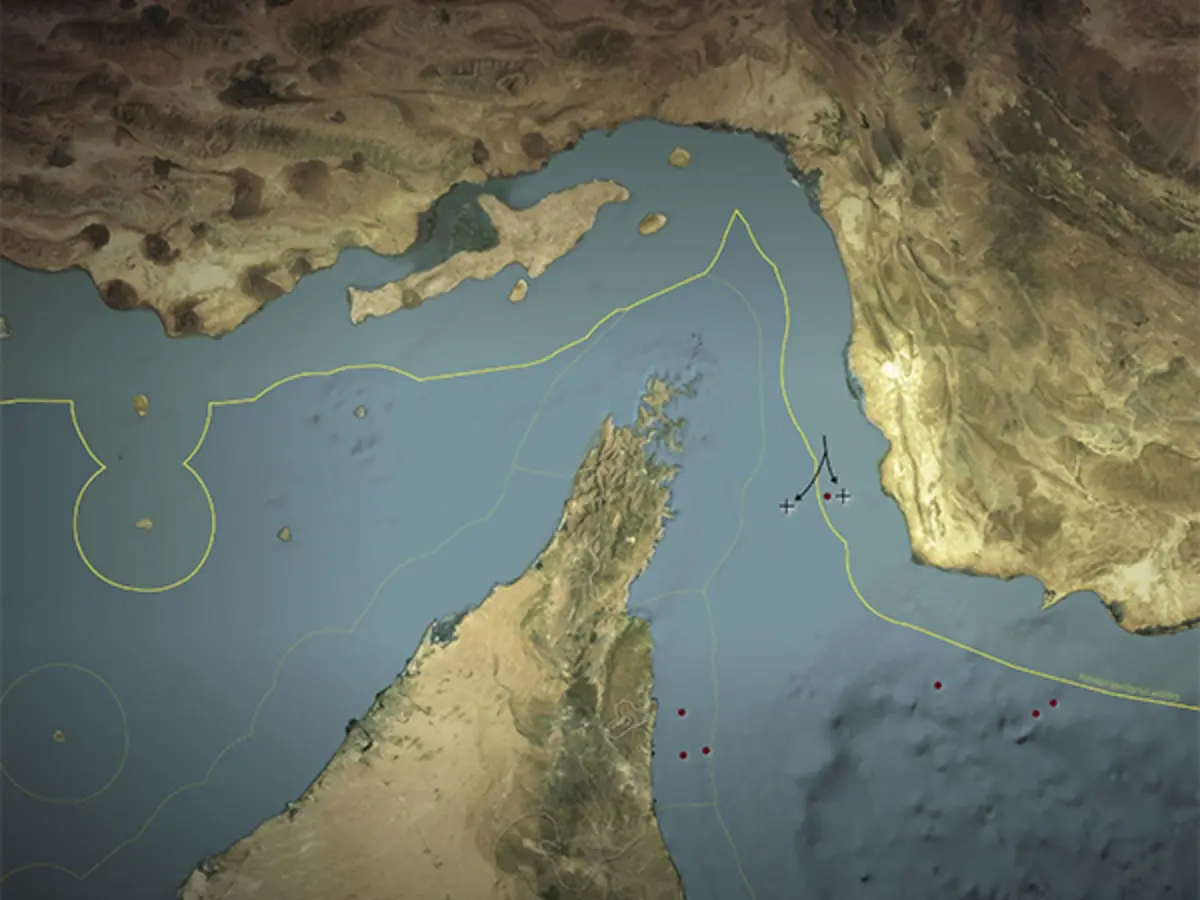
Oil tanker carrying over 2M barrels of crude hits mine in Strait of Hormuz, catches fire, says Iran
&imwidth=180&imheight=135&format=webp&quality=medium)
US lawmaker Pramila Jaypal writes to Rubio, urges to raise handling of CJP protest with India
&imwidth=180&imheight=135&format=webp&quality=medium)
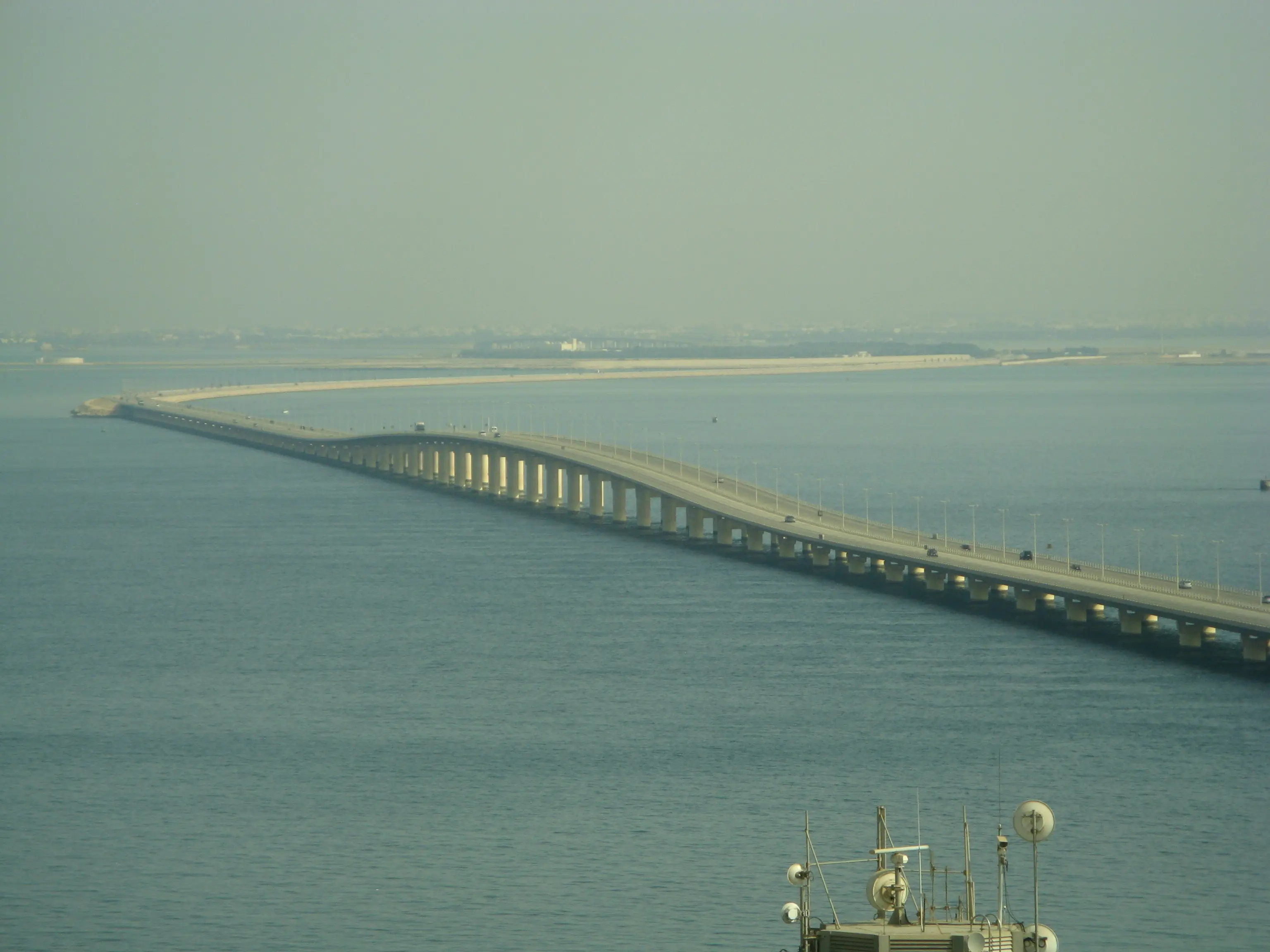
Gravitas | Iran threatens to hit key bridges in 7 countries if US resumes strikes
"We will all stand united against the sowers of chaos, who seek only to bring down our institutions and prevent those who peacefully express their demands from doing so," he adds.
Mélenchon, whose La France Insoumise party backs the student movement, said most demonstrations were peaceful except where police restricted protests. The right and the far-right National Rally backed the police, while several left-wing figures criticised the policing and defended the protesters' demands.
The unrest began in September at the Saint-Exupéry high school outside Paris, where pupils protested over overcrowded classrooms, teacher shortages and overheated buildings. It spread nationwide, and Interior Minister Laurent Nuñez told MPs on October 7 that arrests had reached 6,629. Lecornu told the Senate on October 14 that 937 police and gendarmes, 248 students and 149 education staff had been injured. Nuñez has said 36 investigations into alleged police violence have been opened. A day later, Lecornu said the movement no longer looked like a student movement but one of urban violence, and said he feared violence on Saturday.
Saturday's protests began on social media over fuel prices and widened into a broader protest against the cost of living, with unions and self-described "yellow vests" taking part. Lecornu, a Macron ally, took office in September 2025 after his predecessor lost a confidence vote over budget cuts. He is Macron's seventh prime minister.

