US Supreme Court allows trump administration to end protections for 350,000 Haitians, 6,000 Syrians

&imwidth=600&imheight=450&format=webp&quality=medium "US Supreme Court allows trump administration to end protections for 350,000 Haitians, 6,000 Syrians")
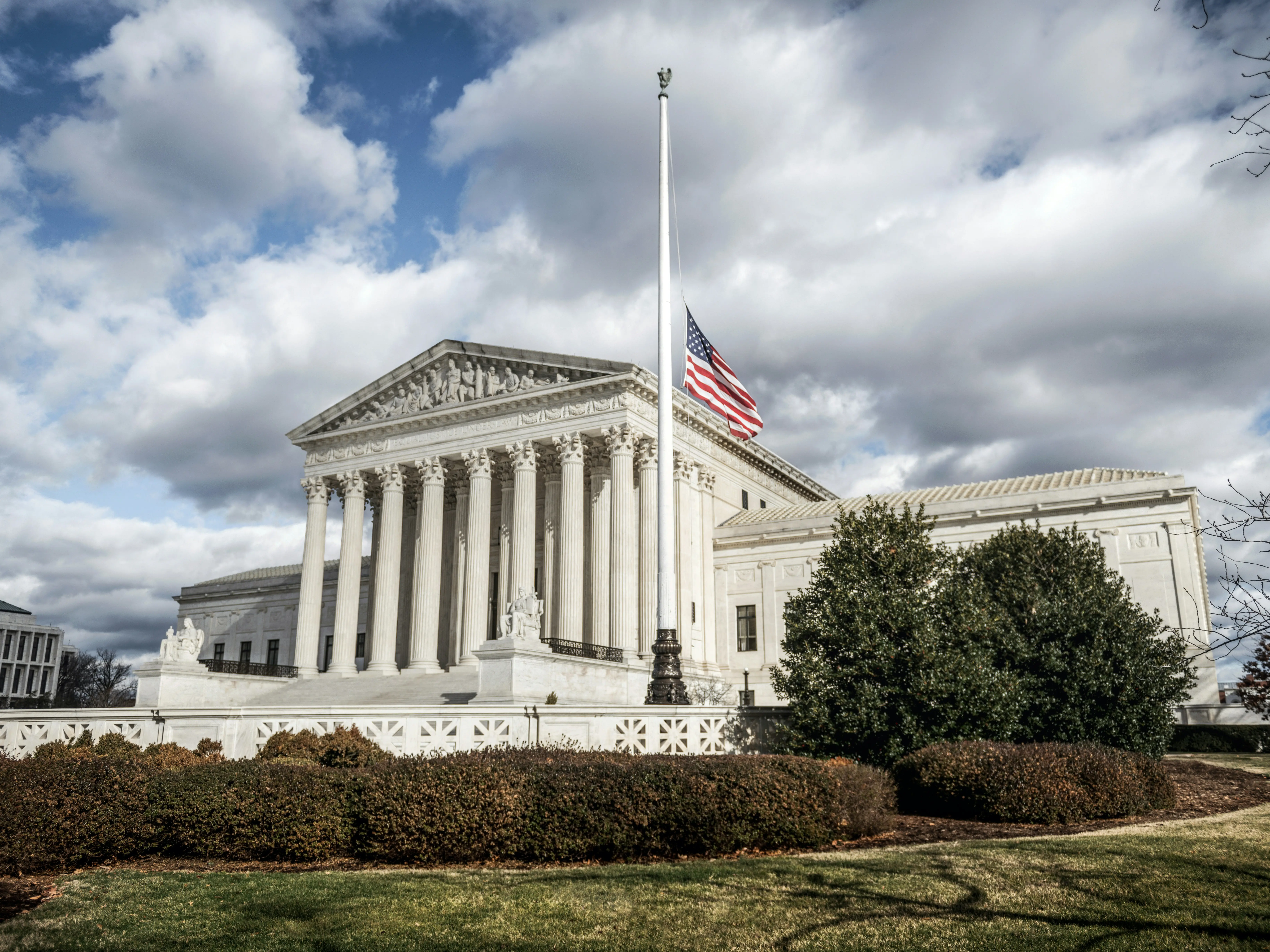
Representative image. Photograph: (Unsplash)
The ruling follows the Supreme Court's two separate decisions last year that allowed the Trump administration to withdraw similar protection from about 600,000 Venezuelans living in the US.
The US Supreme Court on Thursday paved the way for the Trump administration to end legal protections for thousands of Haitian and Syrian immigrants, allowing them to be deported. In a 6-3 ruling split along ideological lines, the court sided in favour of the administration, seeking to continue with its effort to revoke Temporary Protected Status for roughly 350,000 Haitians and 6,000 Syrians.
Following the development, conservative Justice Samuel Alito stated that judges exceeded their authority in questioning the administration's decision. The court also dismissed the argument that ending protections for Haitians amounted to discrimination.
The ruling follows the Supreme Court's two separate decisions last year that allowed the Trump administration to withdraw similar protection from about 600,000 Venezuelans living in the US. In response, government lawyers argued in court papers that those decisions established a precedent that should likewise apply to Haitian and Syrian TPS recipients.
What is TPS programme?
Representing the administration, Solicitor General D. John Sauer contended that decisions by former Homeland Security Secretary Kristi Noem regarding TPS designations are not subject to judicial review. Created in 1990, the TPS programme grants temporary legal status and work authorisation to individuals from countries affected by war, natural disasters or other severe crises, with protections typically lasting up to 18 months and are eligible for renewal.
Trending Stories
)
)
)
)
)
)
)
)
)
)
)
)
)
)
)
)
)
)
)
)
)
)
)
)
)
)
)
)
)
)
)
)
)
)
&im=FitAndFill=(700,400))
)
)
)
)
Noem determined that conditions in Haiti and Syria had improved sufficiently and no longer justified TPS protections. However, both countries currently remain on the US State Department’s “Do Not Travel” advisory list. "Haiti has been under a State of Emergency since March 2024. Crimes involving firearms are common in Haiti. They include robbery, carjackings, sexual assault, and kidnappings for ransom," the State Department stated regarding Haiti. However, the department stated that "no part of Syria is safe from violence."
Without temporary protected status, affected individuals could face deportation via the normal legal process. However, they may still pursue alternative legal options in the US, such as applying for asylum. In the Haiti-related case, a group of TPS beneficiaries alleged that Noem’s decision was not what she claimed about Haiti, that they are now safe for people to return.

