Opinion: Costa Rica proves clean energy is not a myth

Clean Energy
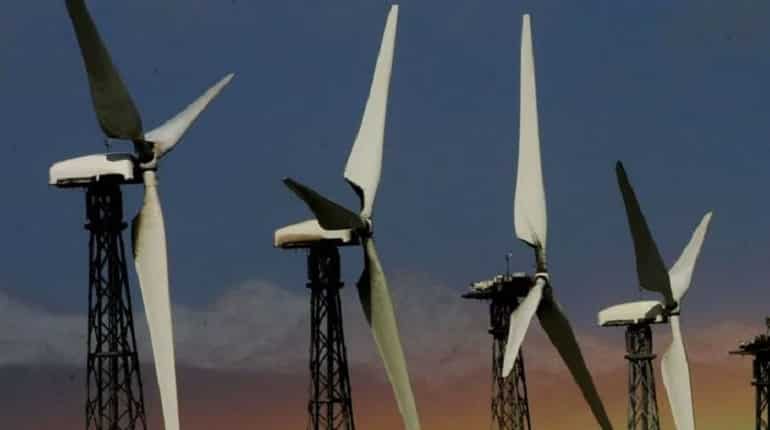
Hydropower is the leading form of renewable energy the country uses, but it also draws from geothermal and solar sources.
If there’s one country that proves to the rest of the world that clean energy is not a myth, but a reality, it’s Costa Rica. Tucked away in Central America… perhaps better known for its landscapes featured in the Jurassic franchise blockbusters, the country is making leaps and bounds in renewable energy, or RE use. So much so, that it only recently elected a president that announced, in his inaugural speech, that he was to move towards making the country carbon free. At 38 years of age, Carlos Alvarado Quezada is not only Costa Rica’s youngest president, he is also the country’s RE champion. He will only, however, be building on what has already been achieved in the Latin American nation.
Relative political stability and higher national revenues in comparison to the rest of the region is perhaps what has given it the drive and clarity to focus on greening its use of energy. Clean energy also came naturally to the country, since Costa Rica has the 4th highest rainfall in the world. Its array of volcanoes, waterfalls, mountains and valleys make up a geographical composition that facilitate clean energy. Hydropower is the leading form of renewable energy the country uses, but it also draws from geothermal and solar sources. That led it to achieve 100% clean energy production for 299 days in 2015. And from there, the small nation has only progressed. It achieved 99% green power production in 2017 for almost the entire year. Despite its relative economic inferiority to western countries, in particular RE pioneers such as Denmark and Germany, what Costa Rica achieved was heralded across the globe.
Many voices, however, at home and away, tried to downplay the nation’s success. And the reason was simple: carbon fuels were still being used to run all modes of transportation in Costa Rica. This somehow did not fit the rhetoric of what the country was trying to achieve.
What it costs to move to zero-carbon emission transportation is usually the prime argument of dissent. There are strong voices of cognition within the nation who have serious sit-downs with all stakeholders, including government. One of them is Costa Rica Limpia (Clean Costa Rica), which is a strong RE advocate. Its founder and TED speaker Monica Araya told WION the group is adamant the country’s precedence in the field is a solid foundation to process out the use of fossil fuels.

The other reason behind the drive is Costa Rica’s ecotourism label. Fossil fuel just do not rhyme with green tourism, Araya adds: “Imagine, you have all these people coming to this country to look at our natural resources, our national parks, all these beautiful places. and they have to do all this ecotourism in gasoline cars, which makes no sense. so if we link the vision which he outlined in his winning speech, the economics eco-tourism and the fact that we’re becoming a service-oriented economy, it makes a lot of sense for us to electrify our transportation for economic reasons, for health reasons, for environmental reasons. the entry point today is to look at it as an opportunity for clean development, quality of life and branding of the country. and of course the practicalities of it will be difficult but it doesn’t mean it should not be done.”
In 2016, the government passed regulations to give incentives to zero emission transportation. Despite the vested interests and sometimes cloak-and-dagger opposition, the regulations were adopted and Costa Rica began took its first step towards carbon-free vehicles.
The only way is up, for the small Latin American nation. Costa Rica Limpia believes that the small population of 5 million people is adequate to incubate the model of clean energy production and fossil-fuel free transportation. The model will be replicated in countries wishing to emulate the Costa Rican success. Araya believes cities in India would be ideal for such replication: “We look forward to working with cities in India that are around 5 million people, so that we can find ways of collaborating and setting good precedents for the people and their health.”
&im=FitAndFill=(700,400))
National Handloom Day 2026: From Alia Bhatt to Samantha Ruth Prabhu; Actresses who celebrated India's textile heritage as brides
)
The Royals enter the Doctor Who universe: King Charles and Queen Camilla beam into Commonwealth Games in TARDIS
)
Unitree Robotics targets $9 billion valuation in landmark IPO backed by DeepSeek and Tencent
)
India names 27 sites in Arunachal Pradesh
)
Bharat Bhhagya Viddhaata OTT: When will Kangana Ranaut's film stream online?
&im=FitAndFill=(700,400))
How many soldiers operate one S-400 battery?
)
Shakib Al Hasan ready to return to Bangladesh—under one condition
)
‘Fake news’: MEA rejects report claiming India sought defence pact with Israel after Pakistan, Saudi Arabia, Turkey deal
)
Rockstar to unveil GTA 6 extended look ahead of November launch
)
Russia forms Ukrainian Volunteer Spetsnaz Brigade to fight Ukraine
)
Drug-resistant fungus that hides in hair and enters bloodstream reported in 23 US states
)
Technology transfer deal boosts India's defence manufacturing ambitions
)
Border row erupts in Europe after Ceuta crossings, Spain imposes border controls on Italy
)
Morale plummets on USS Abraham Lincoln: Are US sailors reaching a breaking point? | GRAVITAS
)
'Security can't be bought with Pakistan, Turkey deal': Iran tells Saudi Arabia
)
Baba Vanga's 2026 prophecy: 2 predictions 'already came true', 3 terrifying ones remain. Details inside
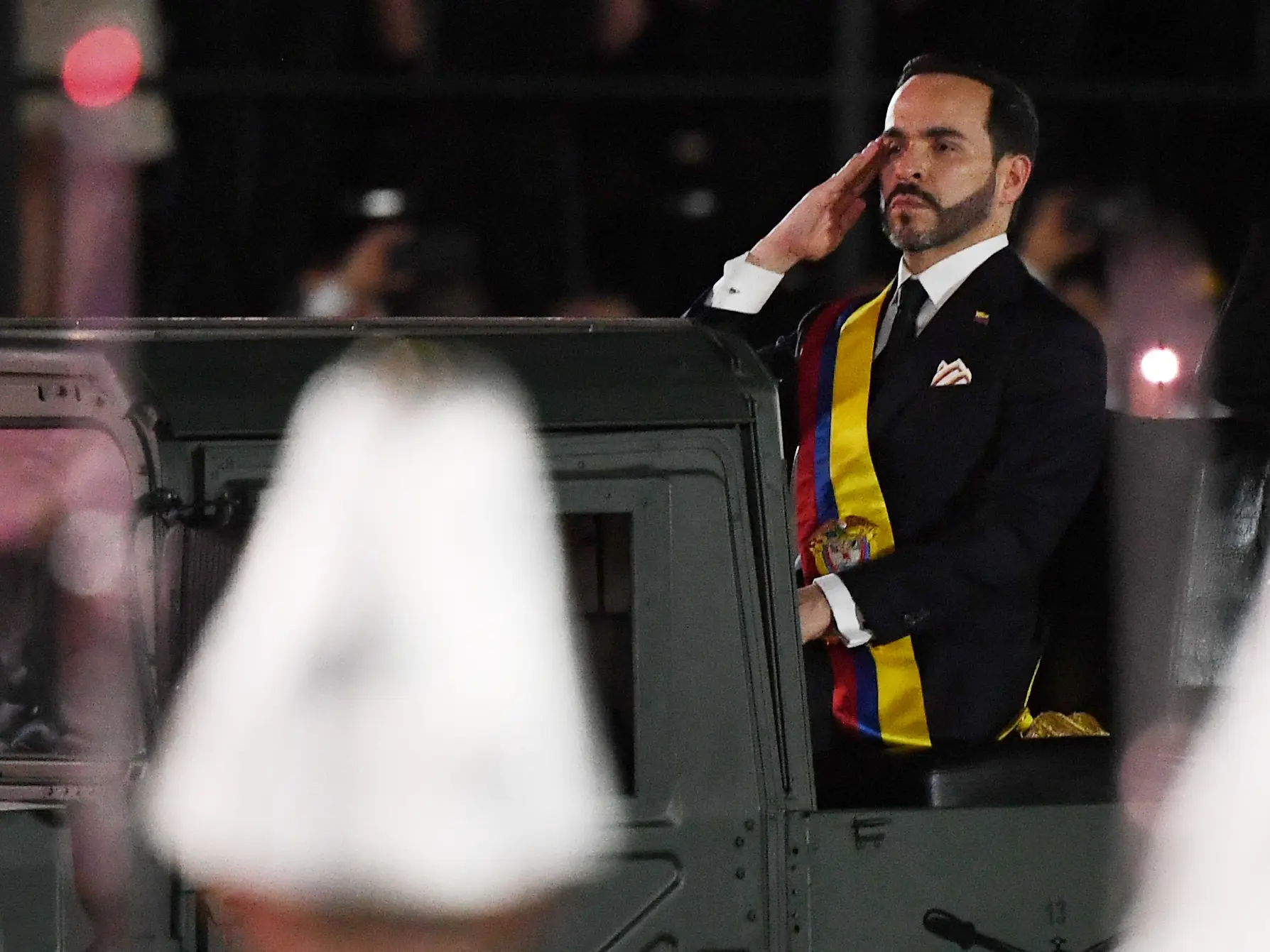)
Colombia’s new president Abelardo de la Espriella vows to ‘defeat narco-terrorists’, signals hardline shift
&im=FitAndFill=(700,400))
New Friday OTT releases (August 7, 2026): Operation Safed Sagar, Vadhandhi, Main Vaapis Aaunga- 6 movies and TV shows on Netflix, Prime Video and more
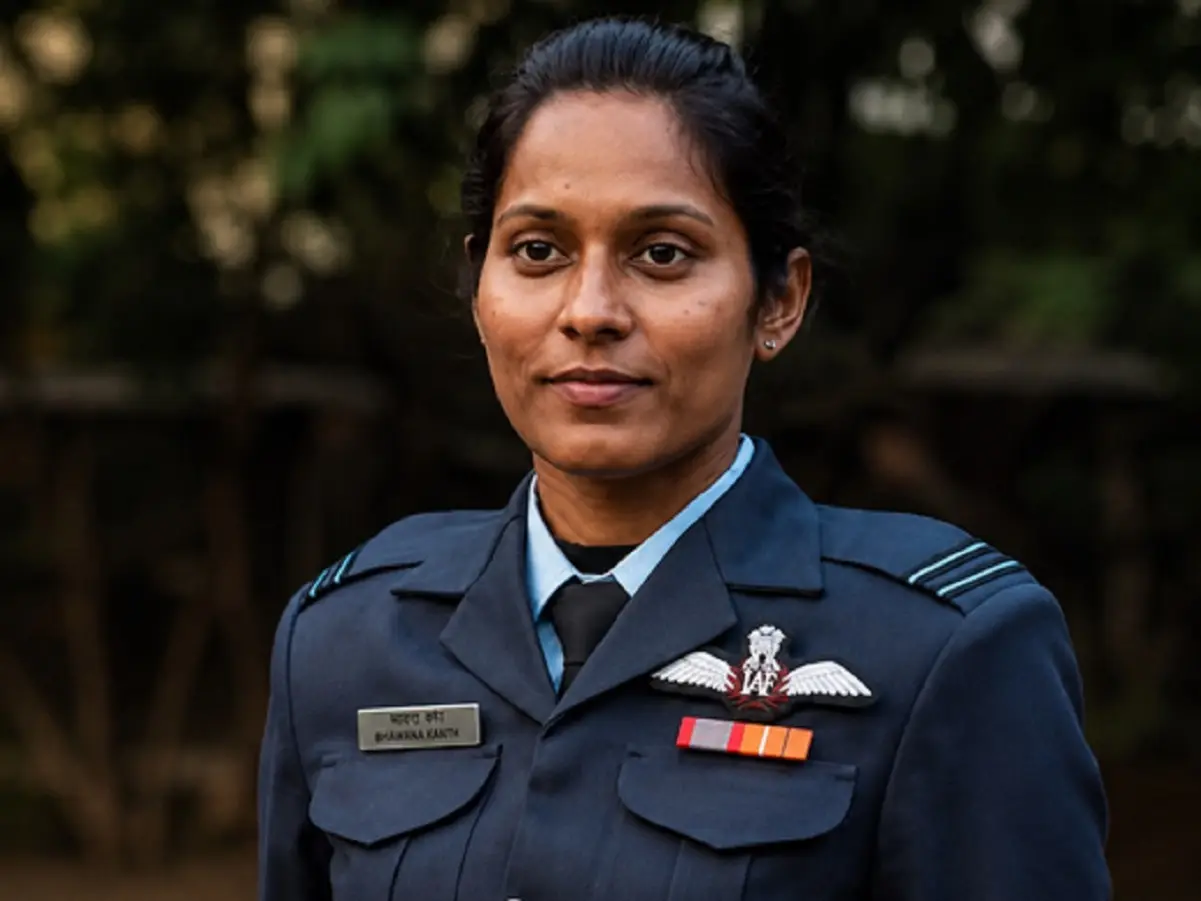)
Squadron Leader Bhawana Kanth scripts history as Indian Air Force gets its first woman ‘Top Gun’ pilot
)
RSS says Gen Z protests reflect genuine distress
)
Trump says Iranian school bombing photos could be AI-generated - 'I don’t think...'
)
IAF officer held for sharing sensitive information in 'honey trap' case, booked under Official Secrets Act
)
Stray Kids under scrutiny? Fans react to Grammy submission silence after BTS boycott
&im=FitAndFill=(700,400))
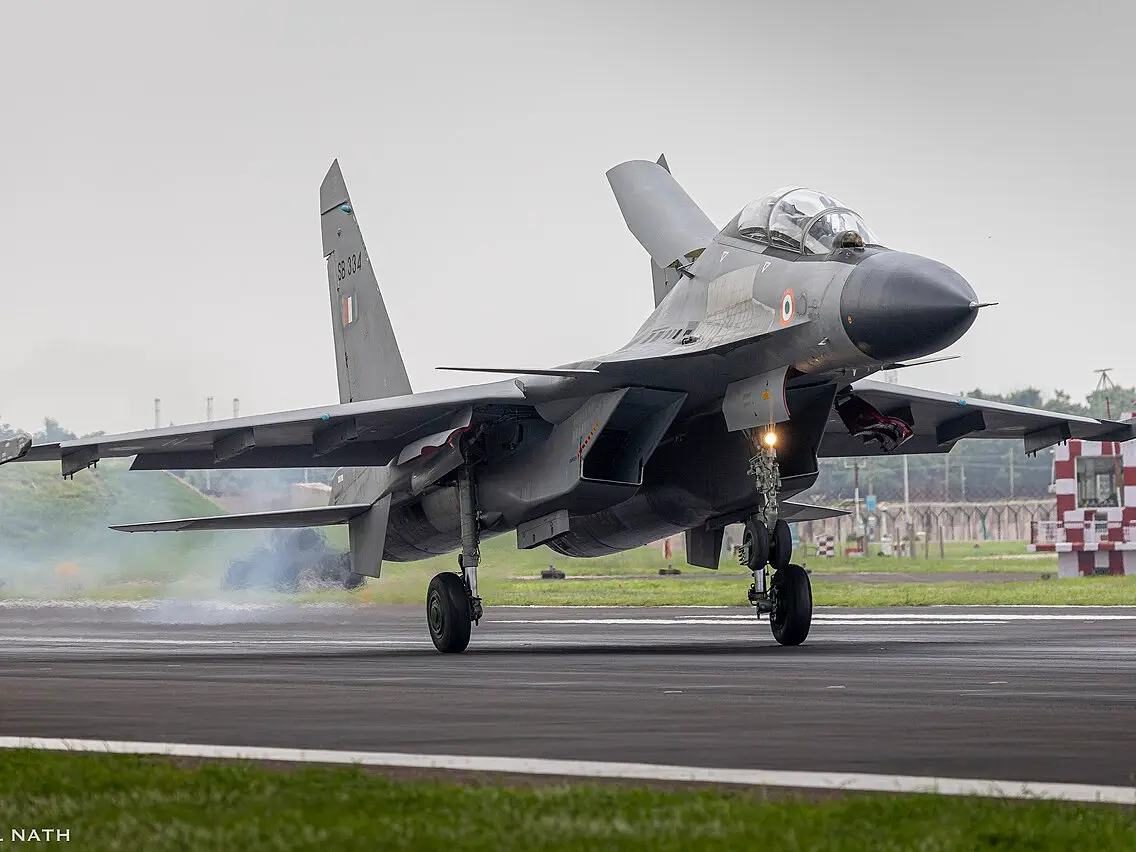
Why the Su-30MKI doesn't need external fuel tanks to fly vast distances
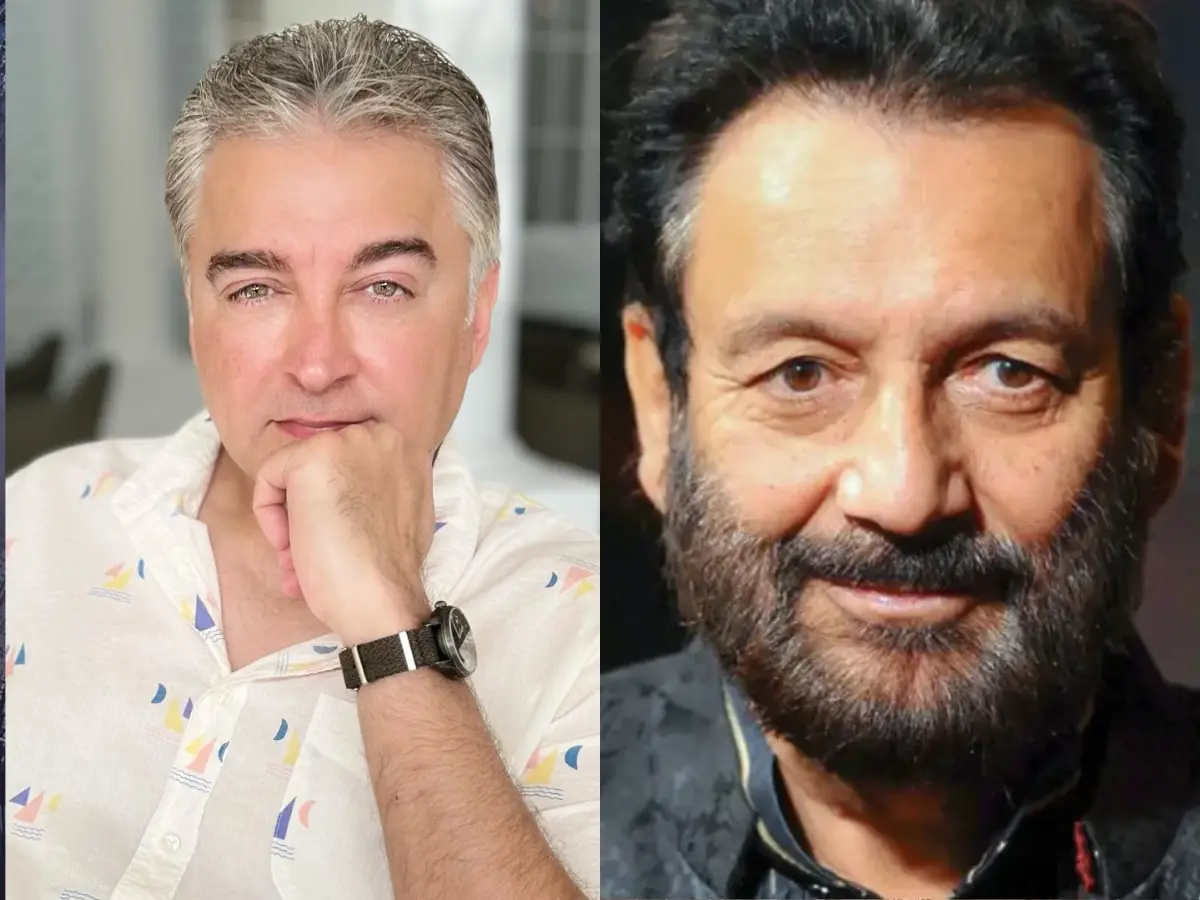)
Jugal Hansraj reunites with Shekhar Kapur after 40 years for Masoom: The Next Generation
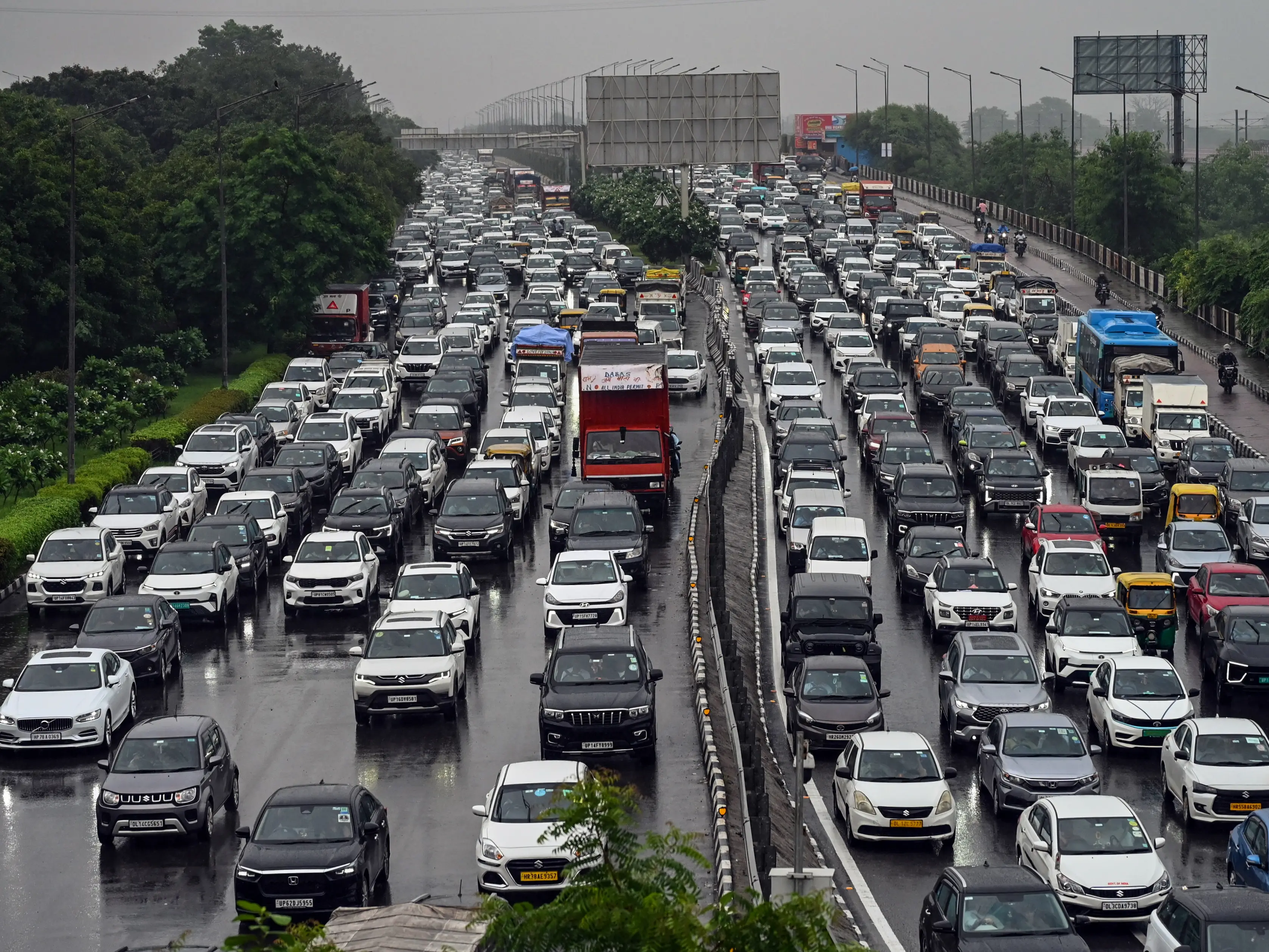)
New speed limits, automatic challans: Big traffic change coming to Delhi-Meerut Expressway. All you need to know
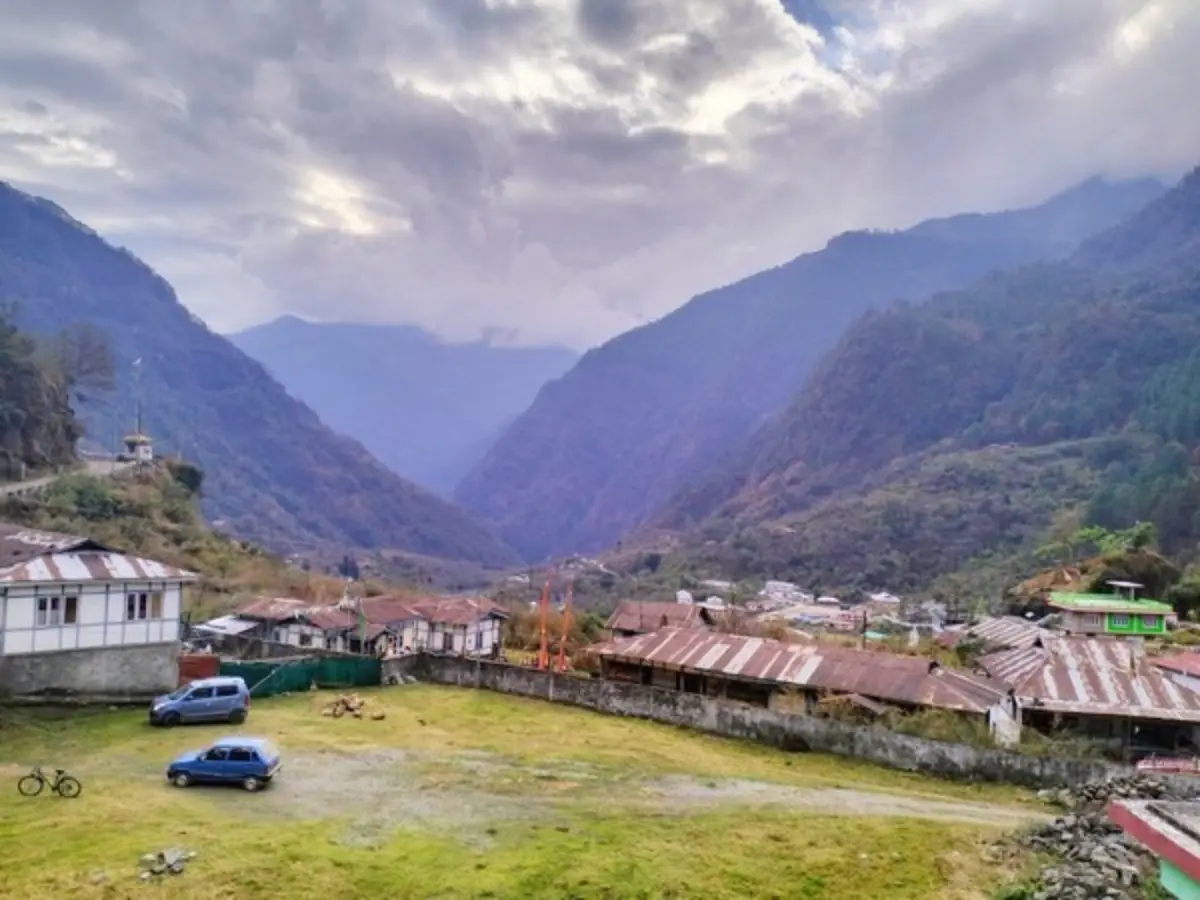)
India officially names 27 places in Arunachal to counter China's renaming claims
)
Trump calls White House ballroom ruling a 'national disgrace' as court says Congress approval needed
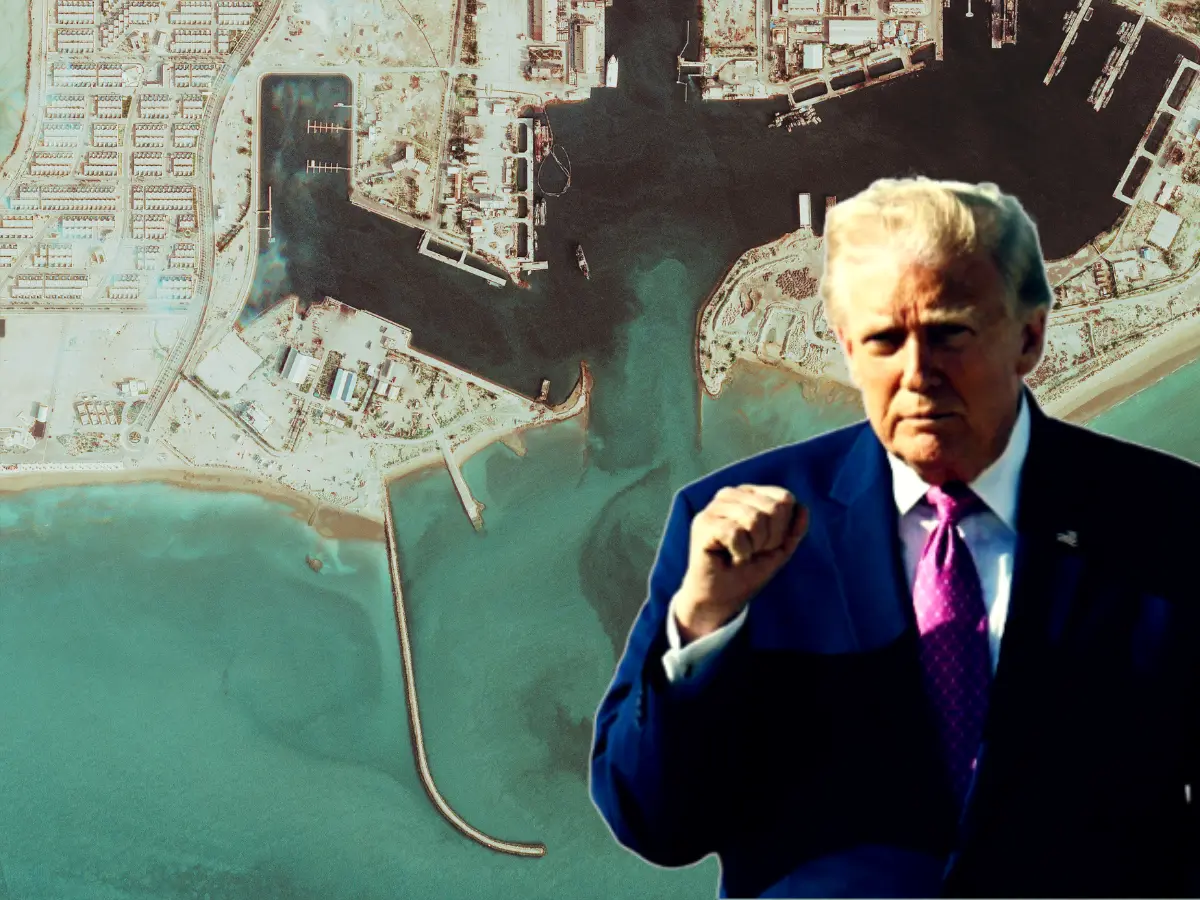)
US sanctions Iran’s crypto network after Strait of Hormuz attacks, offers $15m bounty for intel on IRGC finance
&im=FitAndFill=(700,400))
Why the Su-30MKI is one of the heaviest fighters ever built
)
Uttarakhand young innovator builds India's own flying vehicle, conducts first test flight: WATCH
)
Chilling video shows students take cover as teen opens fire at Thai school
)
Reese Witherspoon's father hospitalised after poolside incident in Nashville: Report
(Disclaimer: The opinions expressed above are the personal views of the author and do not reflect the views of ZMCL)