&imwidth=800&imheight=600&format=webp&quality=medium "Modi at G7: Global South has a seat at the table, but is anyone listening?")
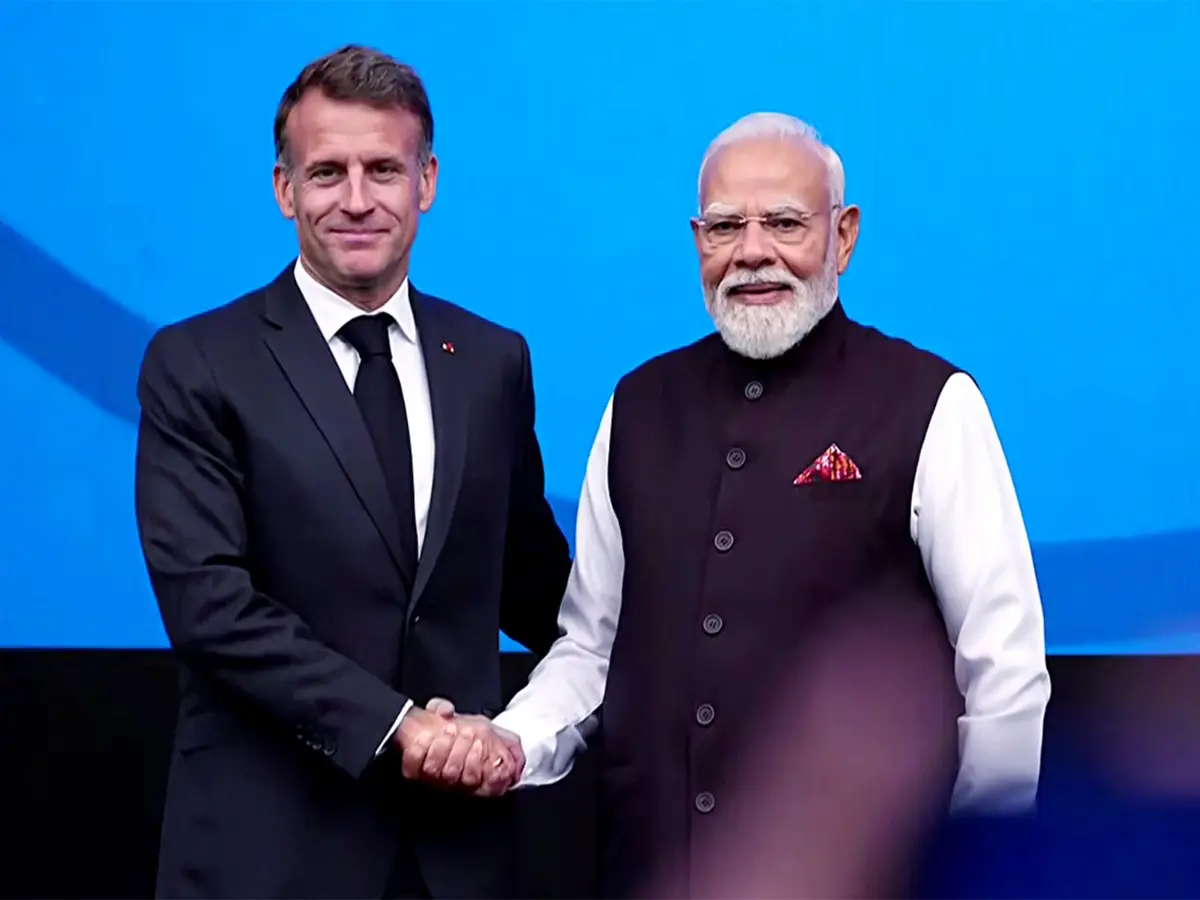
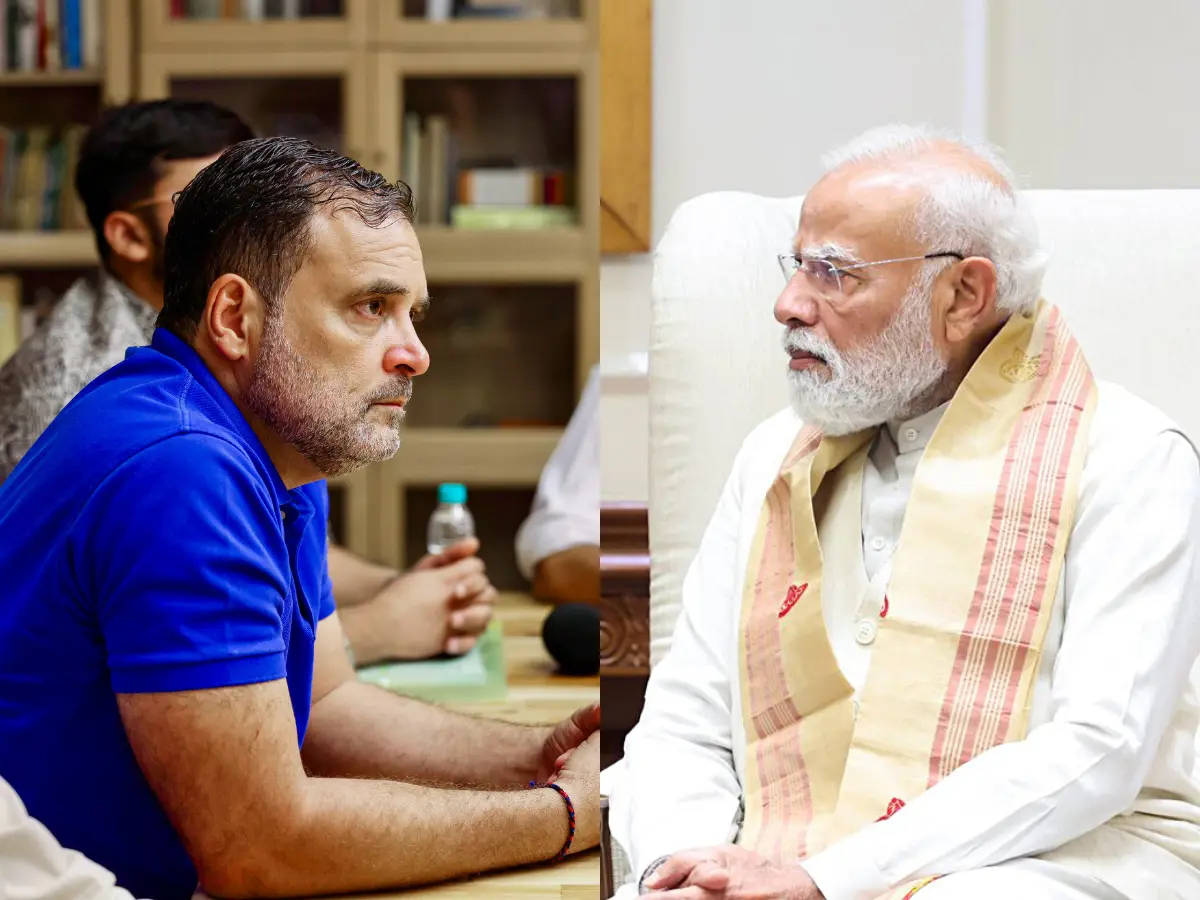
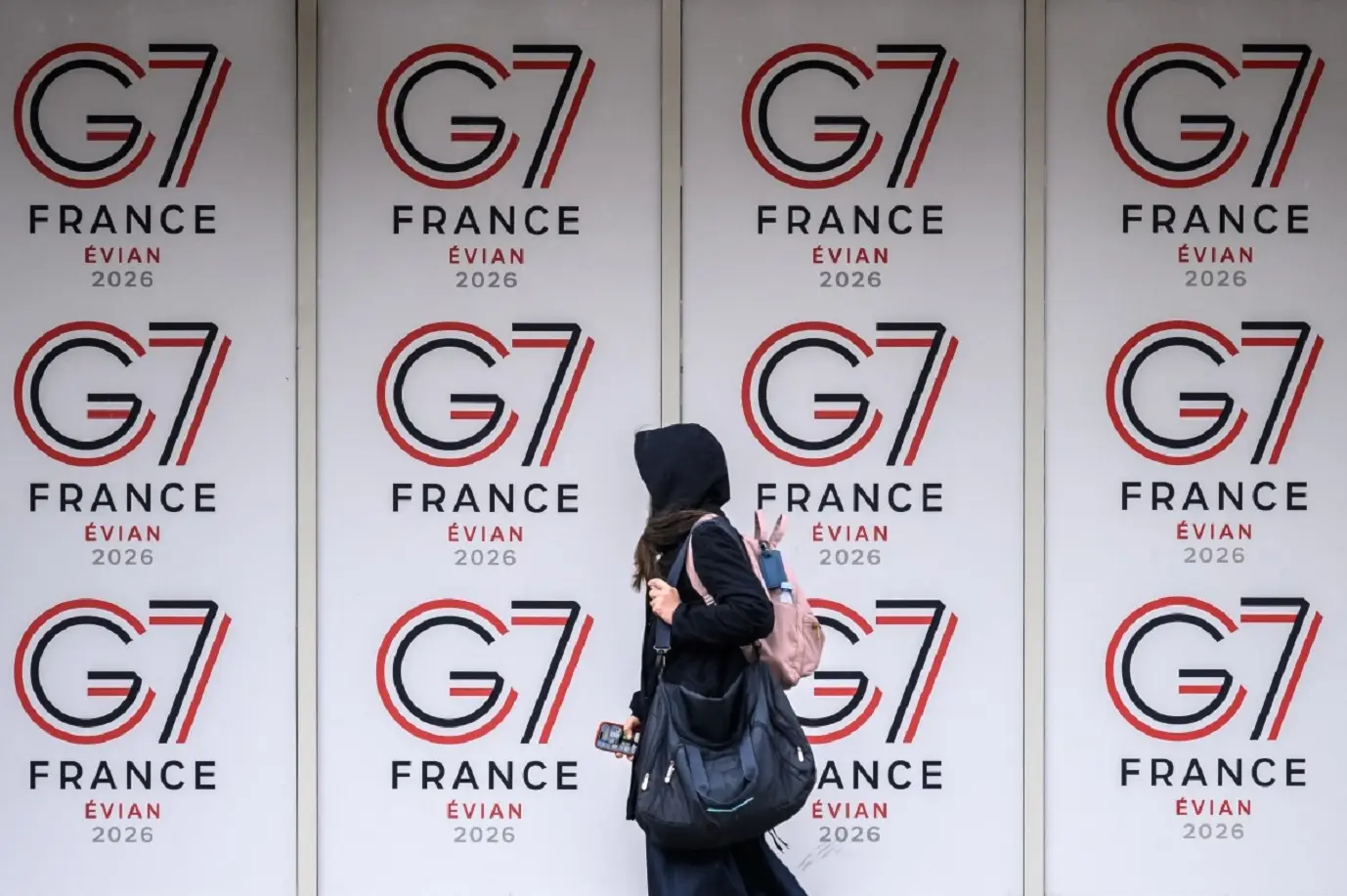
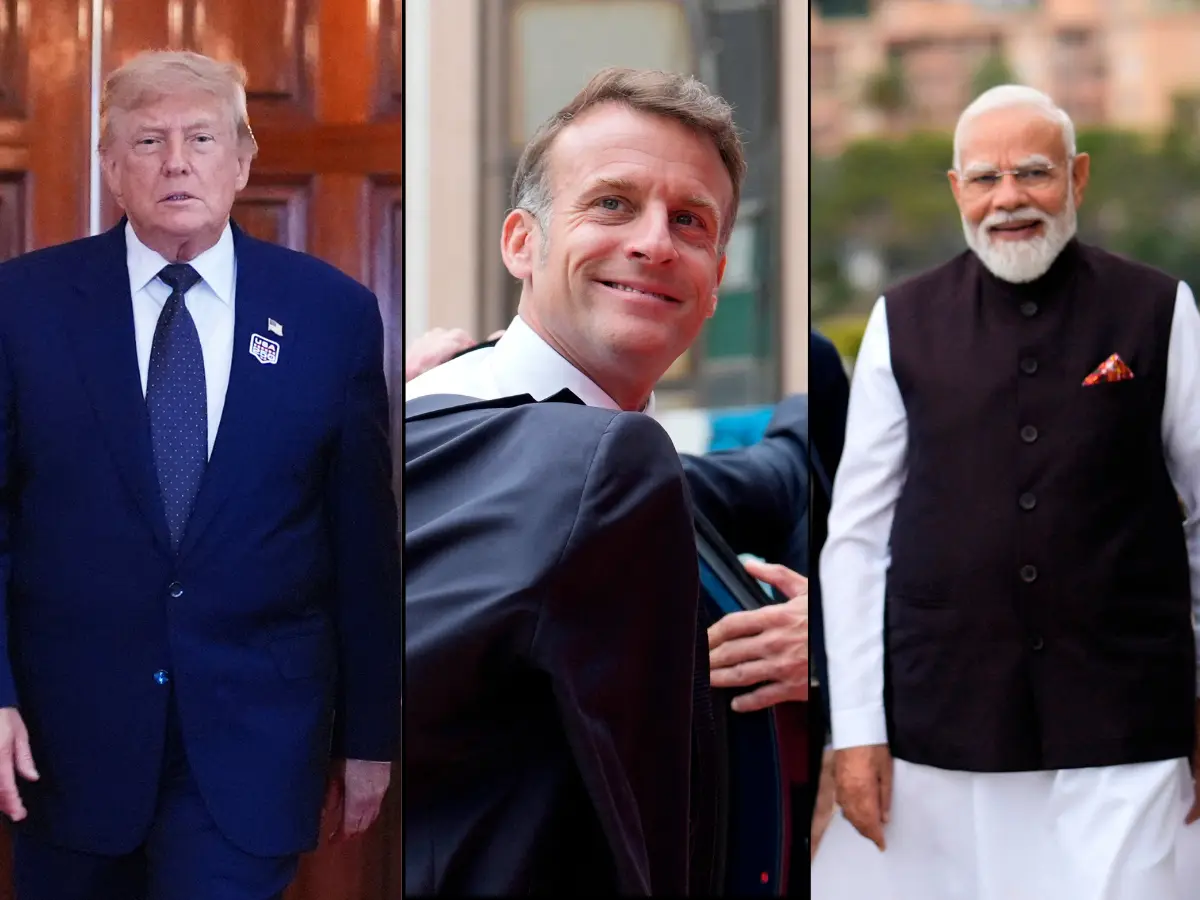
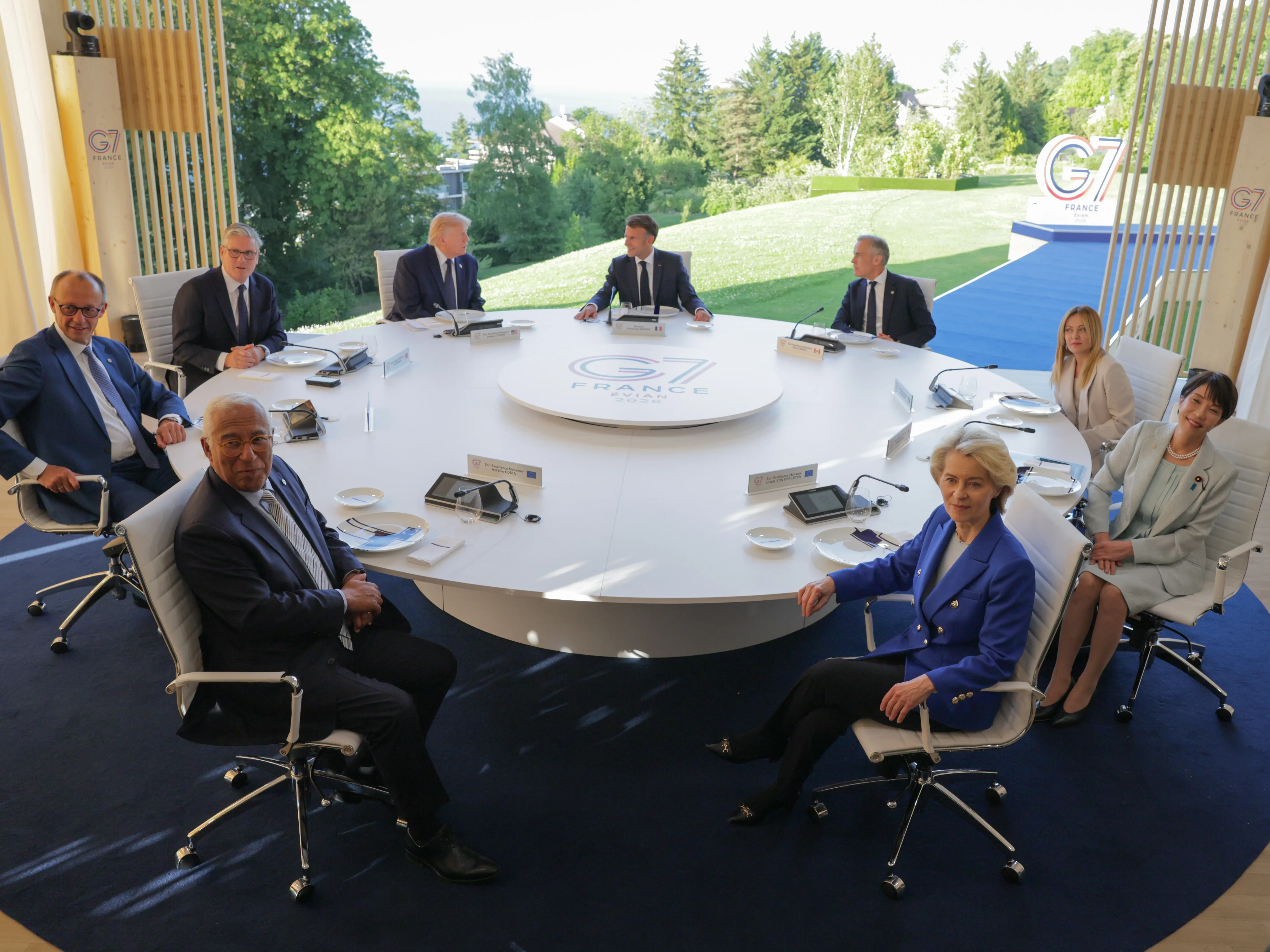
Indian Prime Minister Narendra Modi has joined other Global South leaders at the 52nd G7 summit currently underway in Évian-les-Bains, France. Besides India, France's presidency invited Brazil, Kenya, Egypt, and South Korea as G7's outreach partners. Modi framed his attendance at the gathering of the richest democracies as speaking "for the aspirations of the Global South". Over the past few years, India has positioned itself as a voice bridging developmental gaps and raising the concerns of developing nations at various fora such as the G20, the UN, and the Voice of the Global South Summit. But the real question is, will G7 listen to Global South?
A sour note on South Africa
South Africa was reportedly excluded from Évian under pressure from US President Donald Trump over alleged anti-white racism in the country. The absence is notable because South Africa has been a regular participant in G7 outreach engagements including at the summits in Japan (2023) and Italy (2024). This is being seen as a signal that the G7 outreach is selective and politically gated.

What are the Global South economies demanding?
India is at the forefront of a long-running campaign for permanent UN Security Council seats for nations in the Global South. It is also seeking reforms of international monetary institutions so that global governance reflects today's realities. Modi's agenda at the G7 centres around a more inclusive international order.
Trending Stories
Development financing: Global South demands, but who will deliver?
Developing nations want the G7 to support debt restructuring, improve coordination among public and private creditors, and expand debt-for-climate swaps. They are seeking cheaper capital, as interest rates on loans are far higher for emerging economies than for advanced ones. This has to be seen against the backdrop of UN estimates that trillions of dollars are needed annually to meet the Sustainable Development Goals or SDGs. Climate commitments are another issue, with developing countries arguing that wealthy nations have not provided sufficient funding for the clean energy transition and climate adaptation.
Trump vs the rest: A transatlantic fracture looms large
The G7 is not cohesive, with most members having issues with the Trump-led US on trade, security, and people-to-people relations. Trump has been trigger-happy in berating traditional allies, including those in the G7, particularly on issues of trade and conflicts involving Iran and the Russia–Ukraine war. This leaves seven divergent partners on global issues. As chair, France appears to have avoided naming climate change as a priority issue, possibly to avoid clashing with the Trump administration. If commitments are diluted like this to keep the US happy, it would leave emerging economies dissatisfied, with no concrete outcomes for them.
Note that the US holds the 2026 G20 presidency. The American focus is on growth, energy supply chains, and technology, not necessarily the development-and-equity framing that the Global South seeks.
Also read: G7's new reality: India, Brazil and other middle powers are becoming impossible to ignore
At best, the G7 would deliver only incremental gains for the Global South
There may be some guarantees and easier access to existing finance from multilateral development lenders. However, global governance reforms, large-scale concessional capital, and robust climate finance may prove difficult to achieve through consensus.
This G7 summit is best described as "Trump-constrained". While there will be rhetoric about partnerships with the Global South, there may not be any definitive binding commitments. The talks might still keep the Global South engaged, but not win it over.