
&imwidth=800&imheight=600&format=webp&quality=medium "G7's new reality: India, Brazil and other middle powers are becoming impossible to ignore")
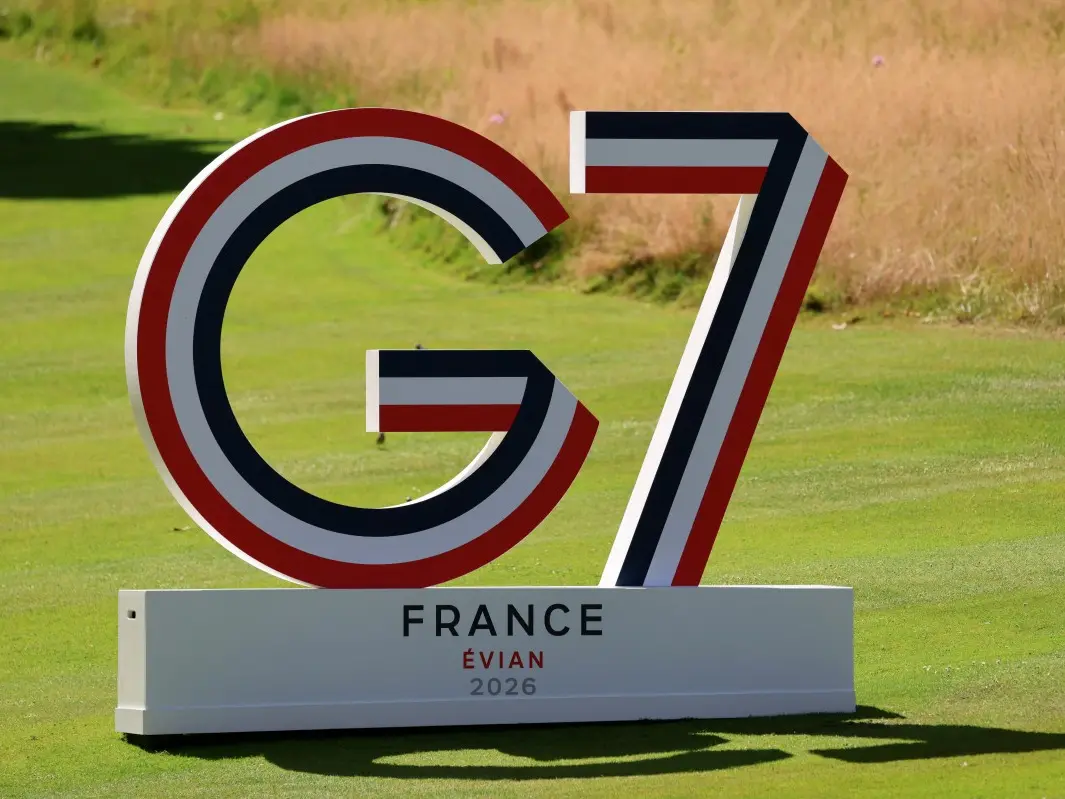
When leaders gather for the G7 summit in Paris from June 15-17, the focus is expected to inevitably be on familiar flashpoints like the wars in Ukraine and the Middle East, tensions with China, global trade, energy security and artificial intelligence. However, beyond the official agenda lies a larger shift that has been quietly reshaping international diplomacy.
The world's most important conversations are no longer being driven solely by the traditional Western powers. Increasingly, countries such as India, Brazil, South Africa, Australia and Mexico are emerging as the key players whose support, cooperation and influence can determine whether global initiatives succeed or fail.
For decades, the G7 functioned as the political and economic centre of gravity of the international system. Together, its members represented the world's richest economies and often set the direction for trade, finance and security policy.

That landscape looks very different today.
The rise of China, the expansion of BRICS, disruptions to global supply chains and growing dissatisfaction across the developing world have created space for a new group of influential states often described as "middle powers".
The label can be misleading. These are not minor players.
Trending Stories
)
Why asking questions could be more important than memorising answers
&im=FitAndFill=(700,400))
Shahid Kapoor to Rajkummar Rao: Actors who rule both theatres and OTT
&im=FitAndFill=(700,400))
How 2nm technology improves iPhone performance
)
BRICS Summit 2026: Trump wants to weaken BRICS, but maybe doing the opposite
&im=FitAndFill=(700,400))
Meet top 5 batters fastest to 3000 runs in T20Is
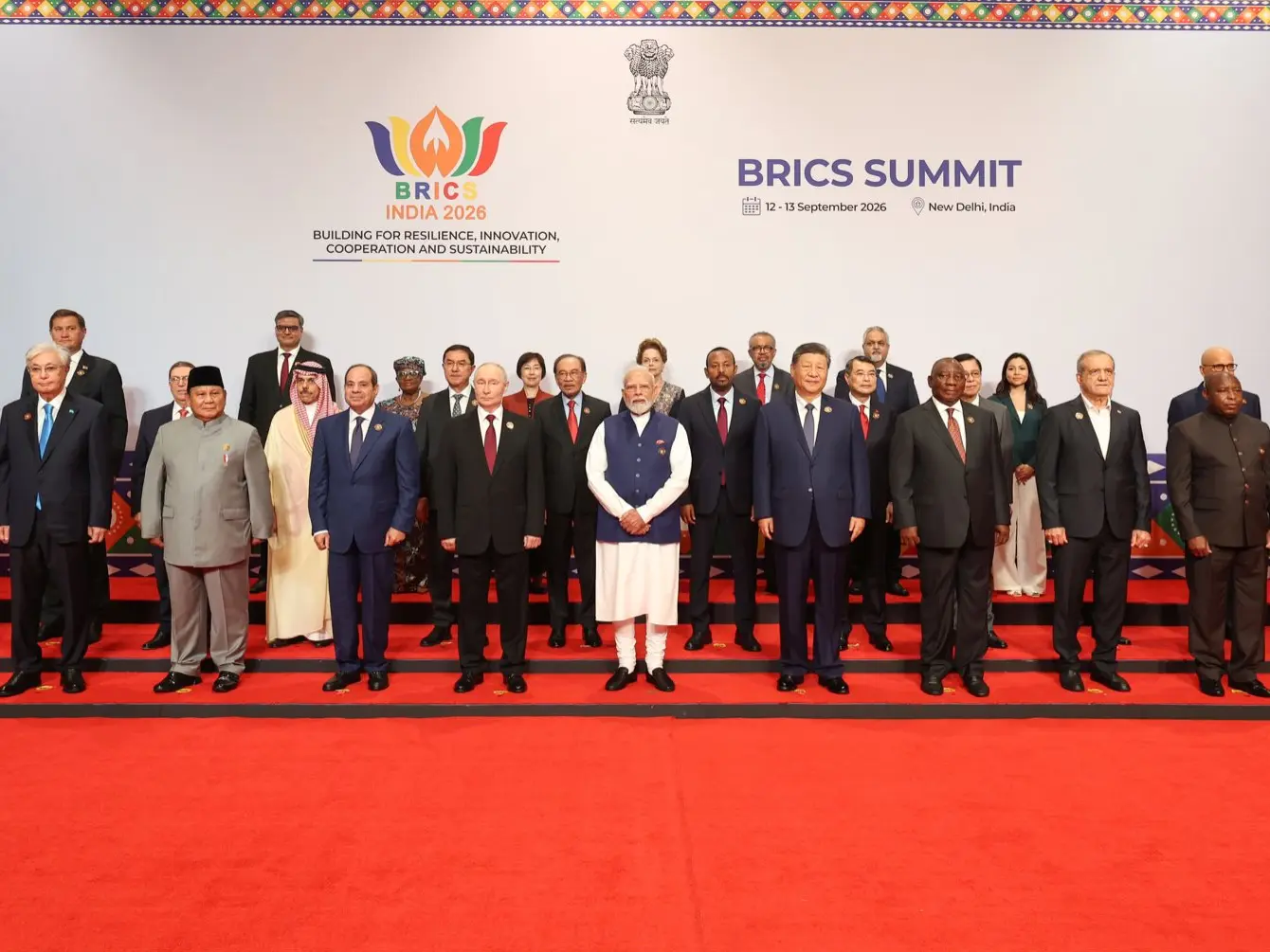)
Did BRICS Summit 2026 prove that an 11-member bloc with India and China in it can still agree on key issues?
)
Top 5 places to visit in Goa beyond its famous beaches
&im=FitAndFill=(700,400))
Why European Meteor missiles use ramjet engines compared to standard US solid rockets
)
'He is popular...': Malaysian PM Anwar Ibrahim's praise for PM Modi during bilateral meeting | WATCH
)
BRICS Summit 2026: PM Modi, Xi reach key consensus on ties, China to assume BRICS chairmanship in 2027
)
Russia-Ukraine-US talks in October? Kremlin says not ruling out possibility of trilateral
)
UK breakup on the cards? Scotland, Wales and Northern Ireland push for independence
)
‘Want to reset ties with India, have engagement based on mutual interests,’ says Bangladesh minister
)
Trump says Canada eager to reach a deal, it could come ‘fairly soon’ if Ottawa treats US farmers better
)
The Verdict | Africa is too big to remain a guest at the BRICS table
)
‘Partners, not rivals’: Xi outlines four point plan for stronger India-China ties
&im=FitAndFill=(700,400))
Why Chinese PL-15 air-to-air missiles use dual-pulse motors compared to European interceptors
)
'It’s going to be a war': Ben Shelton on facing Zverev in US Open title clash
)
NATO under Russian threat? Drone strikes just 2 km from Poland, narrow escape for former UK PM, CIA chief
)
Trump defends Lincoln Memorial pool amid NYT report blaming renovation flaws, not vandalism
)
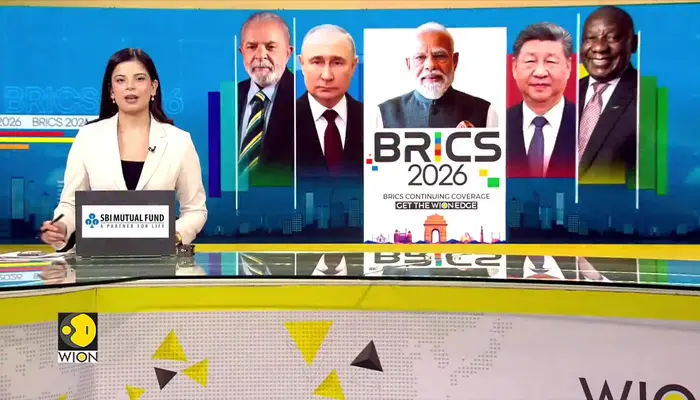
'80% of Indians are non-vegetarian': Rahul Gandhi slams BRICS Summit dinner menu, BJP calls it 'politics on food menu'
)
BRICS Summit: New Delhi declaration adopted with full consensus, big diplomatic win for India
)
800 million years old - Scientists discover 'fingerprints' of supercontinent Gondwana in ancient rocks
)
Russian drone hits Warsaw-bound train near Polish border, Zelensky accuses Moscow of ‘deliberate’ targeting
)
War is making Russia stronger? How Ukraine is shaping Moscow’s next generation of weapons
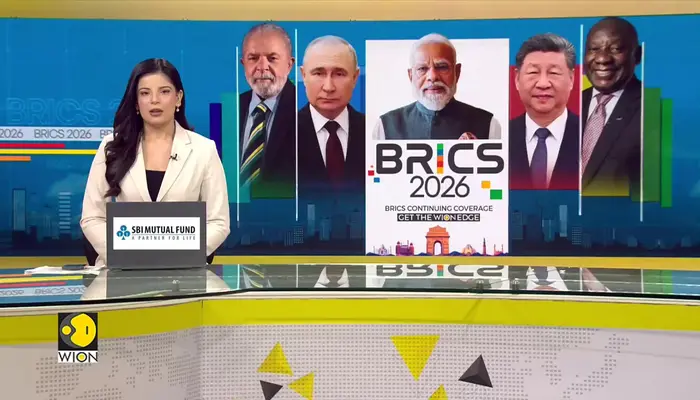)
BRICS Summit 2026: Russia-India-China grouping never formalised
)
From severe mobility problems to recovery: Madhuri the elephant’s journey of wildlife care
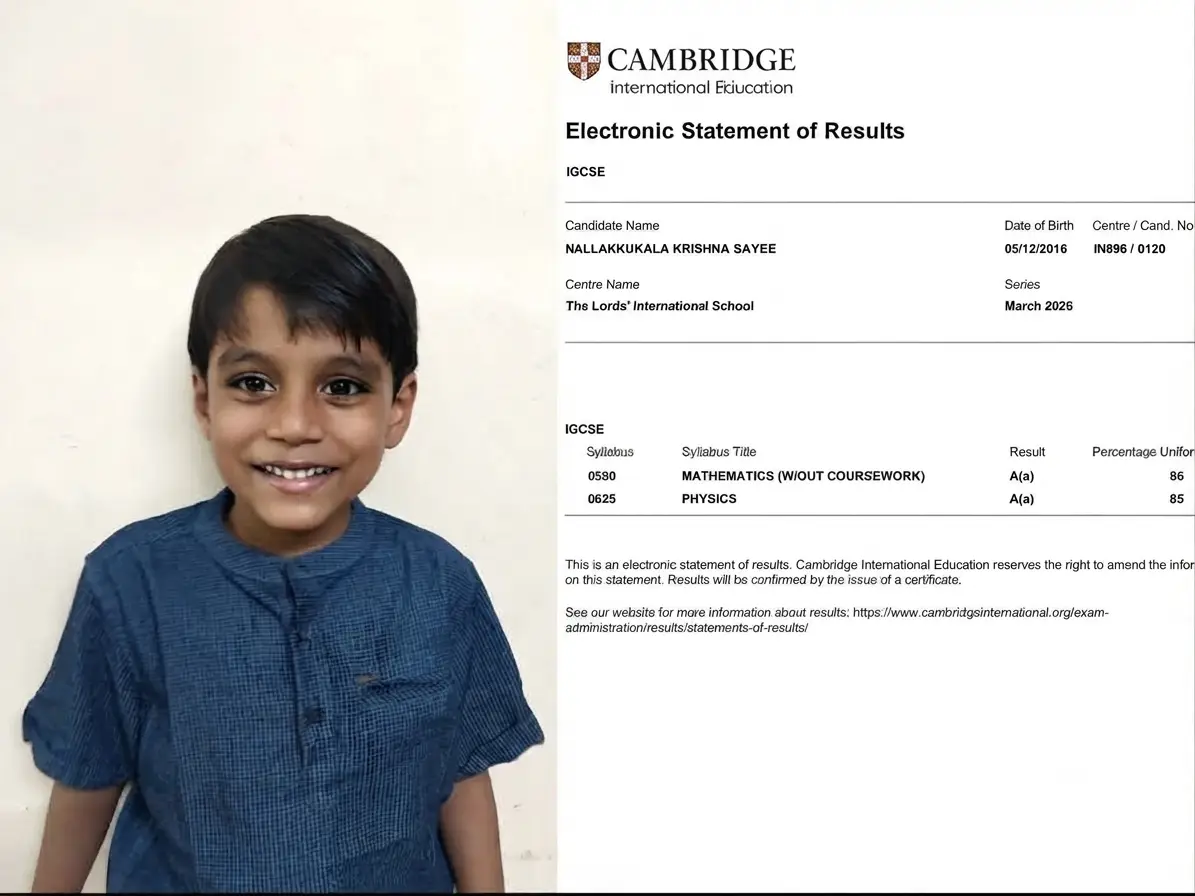)
9-year-old Chennai prodigy clears Cambridge IGCSE grade 10 exams
)
Indian importers urge Bangladesh to lift export ban on 'Hilsa' fish ahead of Durga Puja
)
Humans may lose control of AI: Anthropic CEO calls for slowdown, Altman, Musk back him
)
BRICS Summit 2026: Modi-Xi moment highlights India-China thaw at BRICS
)
US diplomat accused of possessing child abuse images secretly flown out of UK by US Marines
)
Why does your skin need protection from UV rays?
)
PM Modi and China's Xi offered to help resolve Russia-Ukraine war: Kremlin
)
Akram, Afridi, Mushtaq tear into PCB after Pakistan’s Test series collapse in UK
No more minor league play for India, Brazil and more
India is now the world's fastest-growing major economy and a crucial voice on technology, manufacturing and supply chains. Brazil onthe other hand carries significant influence across Latin America and remains central to debates over climate change and food security. South Africa meanwhile has become an important bridge between Western capitals and the broader Global South. Australia plays an outsized role in Indo-Pacific security, while Mexico's growing manufacturing base has made it increasingly important to North American economic strategy.
What sets these countries apart is their refusal to choose sides.
What sets these countries apart
Unlike during the Cold War, many of today's middle powers are pursuing policies of strategic autonomy. For example, despite US pressure, India continues to buy Russian oil, prioritising it's citizens energy needs, even as it continues to deepen ties with Washington. Brazil too, successfully carries out the balancing trick, maintains relations with both China and the United States. South Africa engages with Western economies even as it strengthens its role within BRICS. This flexibility gives them leverage that larger powers increasingly cannot ignore.
That reality is expected to be visible at the G7 summit. Whether the issue is securing critical minerals, reforming global financial institutions, managing energy transitions or building resilient supply chains, Western leaders need partners beyond their traditional alliance network.
The result is a diplomatic shift that would have been difficult to imagine two decades ago. Countries once invited to global summits largely as observers are now helping shape the agenda itself. An example of that is India's Prime Minister taking part in not one or two but six consecutive G7 meetings; the French summit is his seventh.
As the G7 meets this year, one thing is becoming clear: the future of global governance will not be decided by the West alone. It will depend just as much on how effectively it works with a rising group of middle powers that increasingly sit at the centre of the world's biggest decisions.

