&imwidth=800&imheight=600&format=webp&quality=medium "G7 Summit 2026: What is PM Modi’s G7 agenda, priorities for India at Évian")
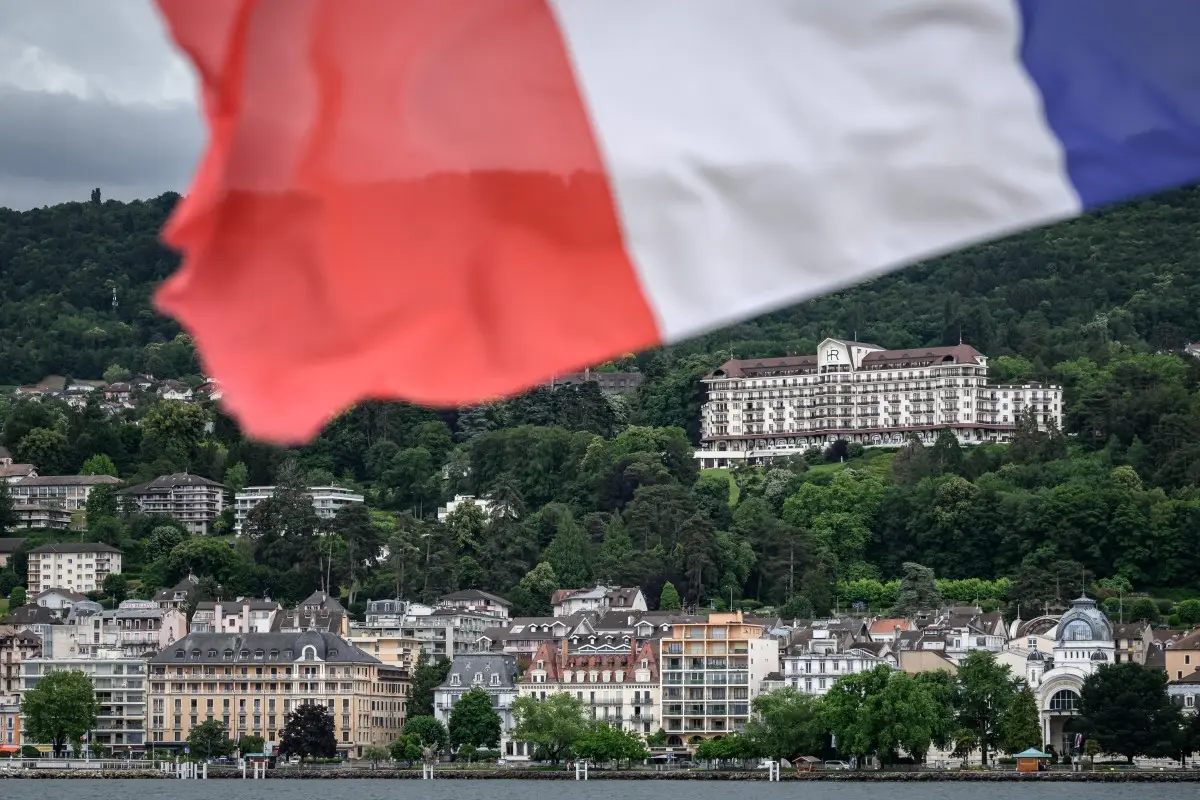
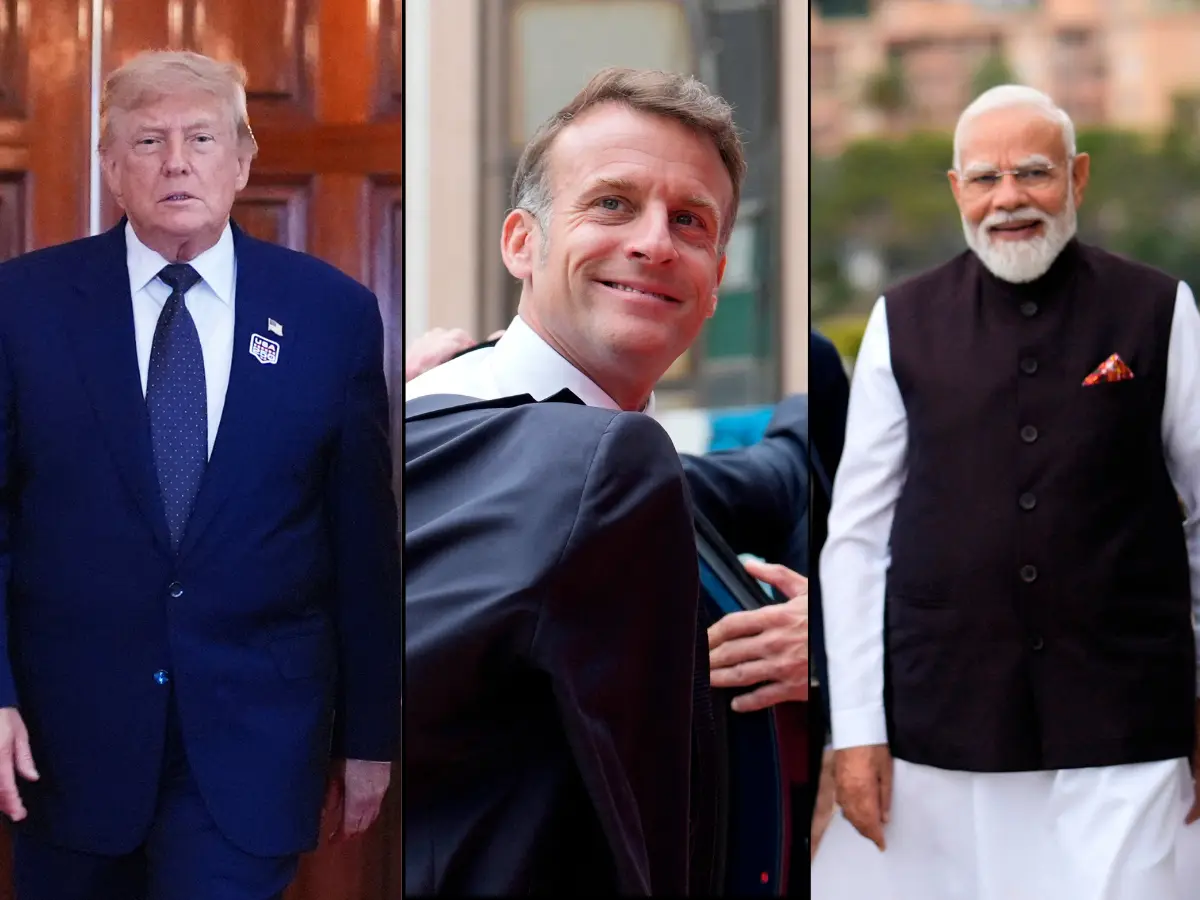
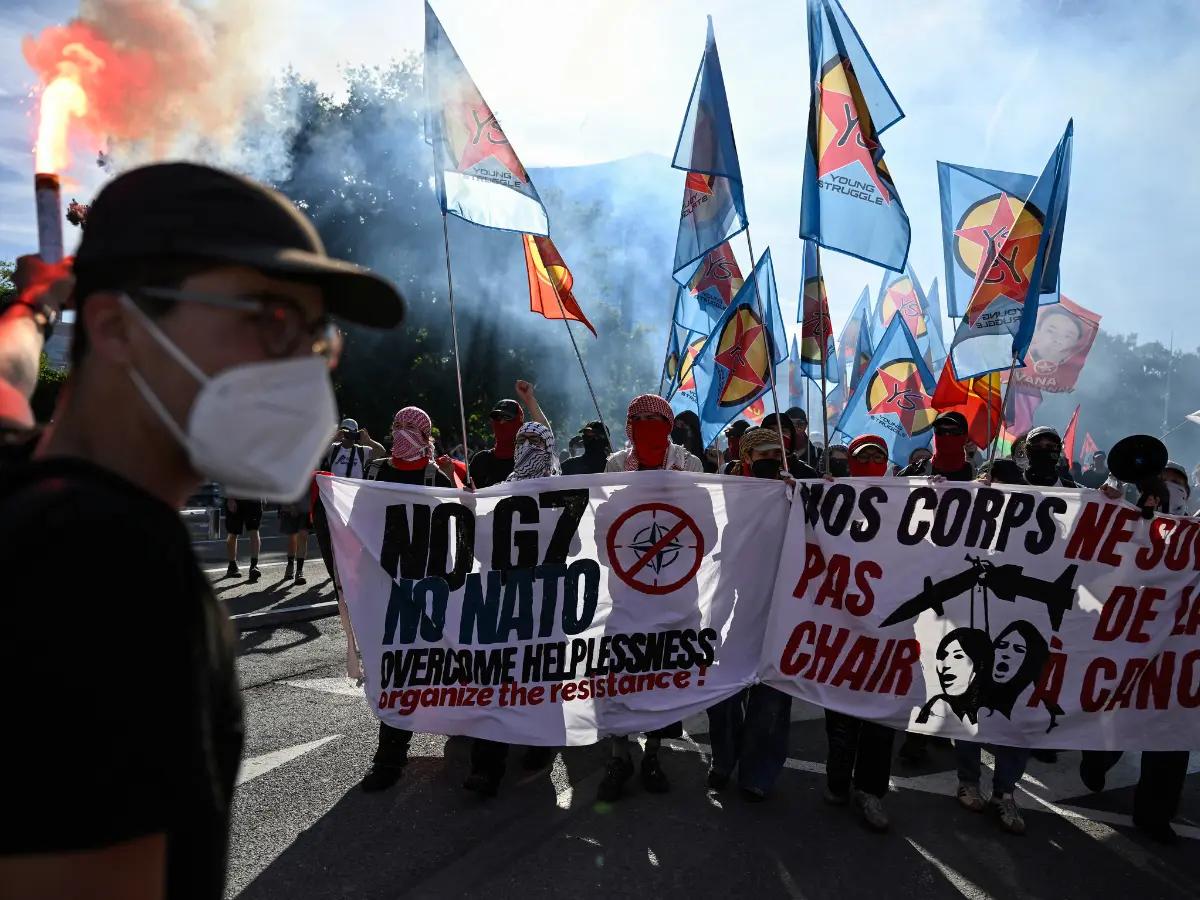
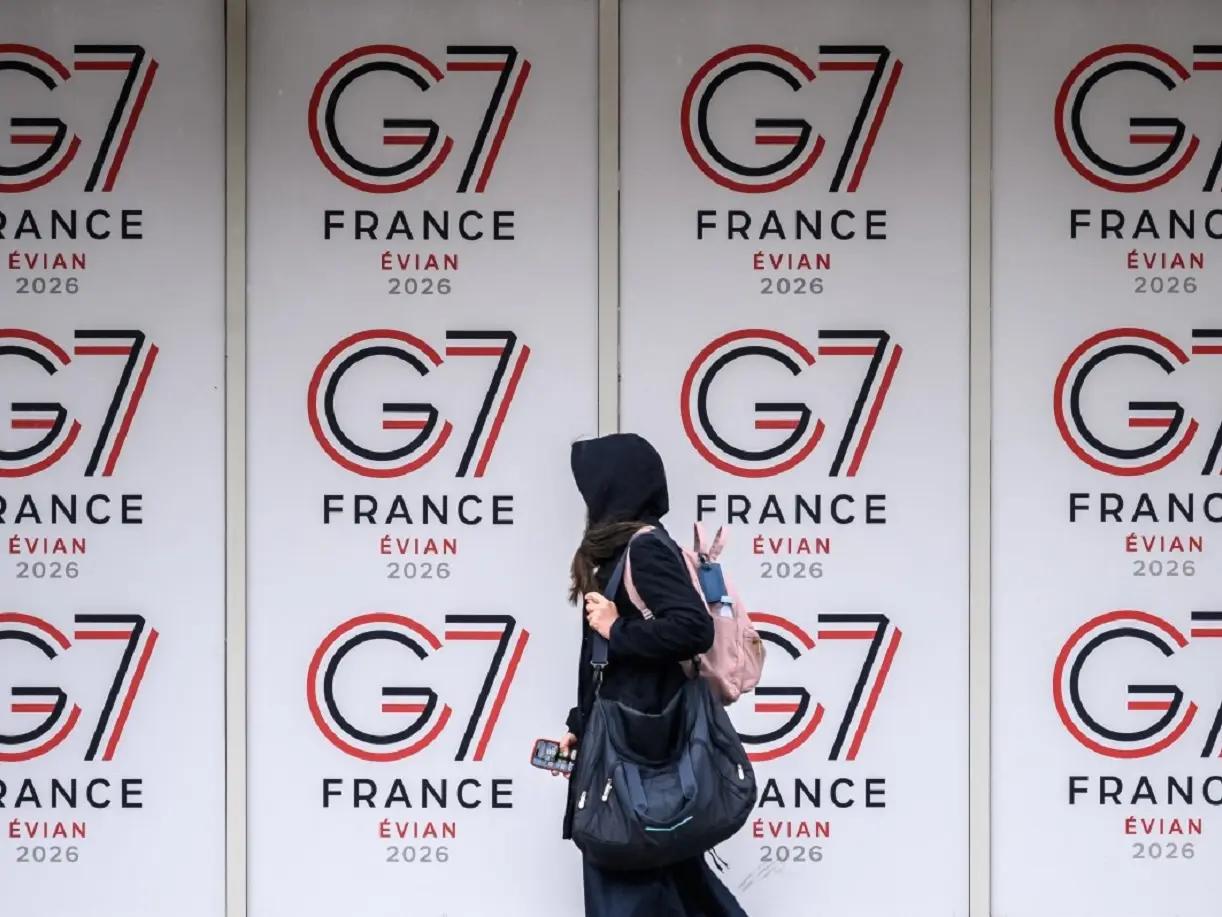
Prime Minister Narendra Modi will be returning from Slovakia to France to attend the G7 Summit 2026 atÉvian-les-Bains, Haute-Savoie.The G7 comprises Canada, France, Germany, Italy, Japan, the United Kingdom, the United States and the European Union. India’s association with the G-7 has increased manifold under Narendra Modi’s leadership. India’s steadily growing engagement with the G-7 reflects its rising influence in international affairs.
The G-7, comprising the world’s most industrialised nations, continues to value India as a stable democracy and a rapidly growing economy.
Along with India, representatives from China, South Korea, Brazil, and Kenya will also be attending the G7 Summit.

G7 Summit 2026 agenda
As per the Council of the European Union, the Evian summit will also focus on the future of artificial intelligence and balanced economic growth. However, geopolitical challenges; the conflict in West Asia and free navigation; as well as the ongoing war in Ukraine will also be discussed.
PM Modi’s agenda at Évian will be most likely focused on economic cooperation, technology partnerships, energy security, and reform of global institutions.
Trending Stories
)
Did India risk its US trade deal despite softer stance at BRICS?
)
Trump rejects AI guardrails, says he stopped AI firms from doing ‘bad things’
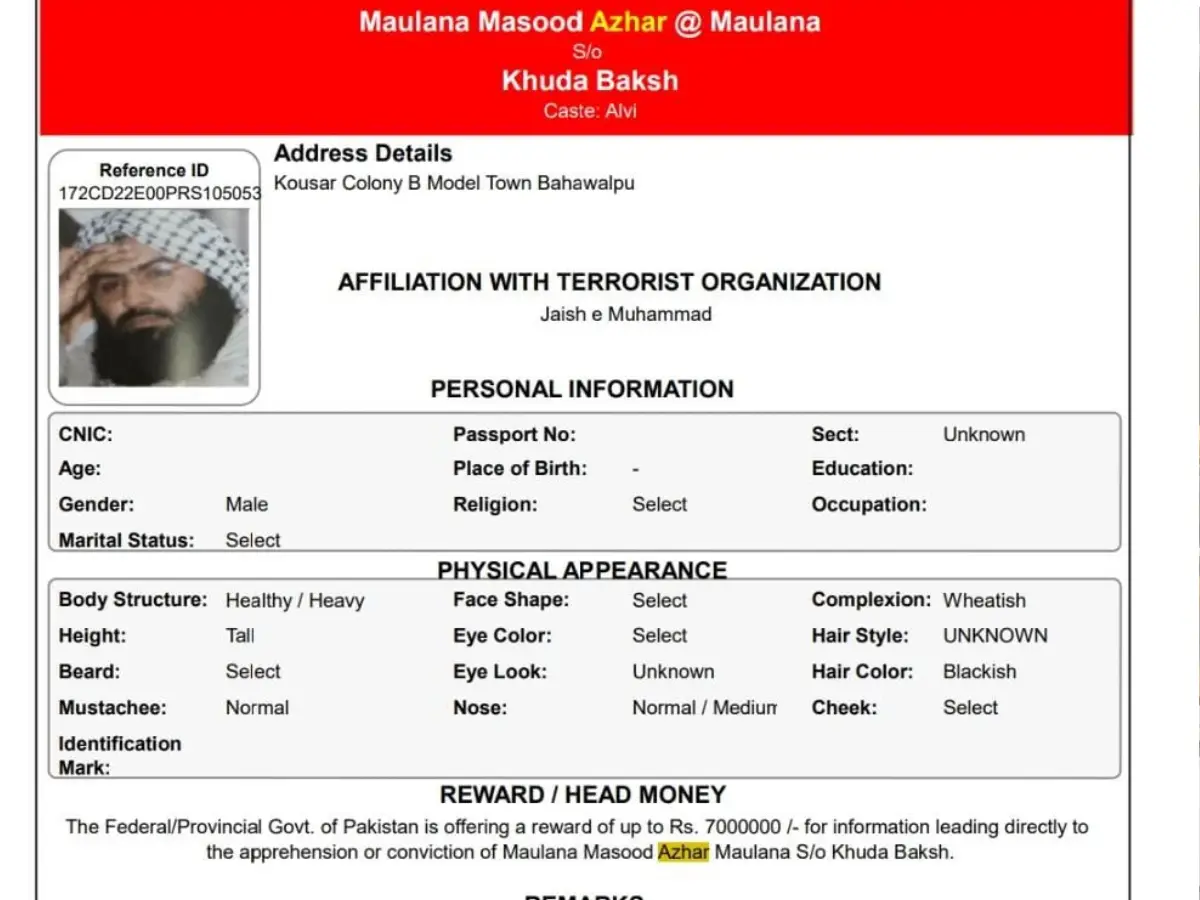)
Pakistan puts Pak Rs 70 lakh bounty on UN terrorist Masood Azhar; move draws skepticism in Delhi
)
‘US ensuring global energy supplies’: Trump demands reimbursement for securing Strait of Hormuz
)
'Huge destructive power': North Korea calls its latest missile launches 'live-fire drill' even as US dismisses 'immediate threat'
)
‘Let’s go’: Newly declassified videos show dramatic rescue of US Air Force officers downed in Iran
)
Historic first: ‘Ganga aarti’ performed on River Thames in London
&im=FitAndFill=(700,400))
Why European Meteor missiles use ramjet engines compared to standard US solid rockets
)
Iran, India agree to deepen humanitarian and political ties, President Pezeshkian says
)
‘Want to reset ties with India, have engagement based on mutual interests,’ says Bangladesh minister
)
Turkish Airlines plane flies through a storm three times, triggering severe turbulence
&im=FitAndFill=(700,400))
Why Chinese PL-15 air-to-air missiles use dual-pulse motors compared to European interceptors
)
BRICS set of guidelines for disaster management
)
800 million years old - Scientists discover 'fingerprints' of supercontinent Gondwana in ancient rocks
)
Russia proposes to build 360 kmph Ivolga FG trains in India: What happened on sidelines of BRICS
)
China discovers vast gold and silver 'mine' in the Pacific with unheard-of deposits
)
Who really benefits from the BRICS bank? Inside the New Development Bank's $43 billion portfolio
)
Plane carrying prominent figure crashes at Libya’s Misrata airport: Report
)
Woman removes all her clothes on American Airlines flight, performs 'indecent acts'; arrested
&im=FitAndFill=(700,400))
New OTT releases this week (September 14-20, 2026): Lust Stories 3, Waiting Hai, Irumudi- 5 new titles coming on Netflix, Prime Video and more
)
Liam Neeson sparks romance rumours after holding hands with Stella Stocker at TIFF 2026
)
Sent home midway from UK tour, Pakistan's Salman Agha hits 300* in domestic return
)
Saudi Arabia discovers 110 million tonnes of Uranium-rich ore in Madinah region
)
Video of Pakistani lawmaker struggling to read English tribute to Jinnah goes viral - WATCH
)
Meghan Markle shares first glimpse of family life with Prince Harry and children in UK
)
Baba Vanga's first prophecy for 2027 is out, and straight out of science fiction
)
Did China give Iran intel before US base strike that killed 3 troops? Trump says, 'You’re right...'
)
Kenya protests: Kenya to head for presidential polls in 2027
)
Photographs, LeT labels vanish from two 2008 Mumbai attack entries in Pakistan’s most wanted list
)
US court blocks Trump administration move ending automatic H-4 EAD extensions for seven spouses
)
Indian Americans, fellow Republicans react sharply to Bo French’s post targeting 'foreigner' students in Texas
)
UK man admits drugging, raping wife for 20 years in shocking abuse case
)
Extreme warming in Indian Ocean added 695 billion tons of ice to Antarctica ice sheet
)
Scotland, Wales & Northern Ireland push for exit from UK | Race To Power
)
Women's Asia Cup 2026: India denied trophy once again despite winning the title
Voice of the Global South
Before his departure from India, PM Modi said he will be using the G7 Summit platform to raise the aspirations of the Global South.
“India’s presence at the G7 reflects the trust our partners place in us and our growing global profile. This is the 8th consecutive G7 Summit to which India has been invited. At the G7, India will not only speak for itself, but it will also give voice to the aspirations of the Global South,” the PM wrote in a post on X.
Also Read: IMD warns of El Niño onset: How will it impact India’s weather, rainfall, economy and public health
Over the past few years, India has emerged as a voice of the Global South by bridging developmental gaps and raising concerns of these nations at the G20, the United Nations and the Voice of the Global South summit.
This push also leads to advancing the demand for urgent reforms in the United Nations to include the Global South countries in the UNSC by increasing permanent seats.
India has been highlighting the concerns of developing nations like debt, healthcare, and equitable economic growth, and by raising these issues at the G7, it will seek to bridge the gap between advanced and developing economies and advocate a more inclusive international order.
Trade, partnerships and investments
As India seeks to become a major manufacturing hub, it aims to attract foreign investment, expand trade opportunities, and integrate more deeply into global supply chains.
Discussions at G7 will provide India an opportunity to promote its economic reforms and encourage businesses to invest in sectors such as infrastructure, semiconductors, renewable energy, and digital technology.
India has emerged as a global leader in digital public infrastructure through initiatives such as digital payments, online identity systems, and e-governance platforms.
At Évian, India will be eagerly seeking partnerships in artificial intelligence, cybersecurity, semiconductor manufacturing, and emerging technologies.
Also Read: US govt funded foreign biolabs, many of them worked on dangerous pathogens, reveals Tulsi Gabbard
Energy security, renewables and climate change
India will raise the issue of energy security as geopolitical tensions and disruptions in energy markets highlight the need for stable and diversified energy supplies. PM Modi will bat for balanced energy policies that support both traditional and renewable sources while ensuring affordable access for developing economies.
Climate change, renewable energy and sustainable development are also likely to feature in Modi’s discussions.
India has made significant progress in expanding solar and renewable energy capacity, and it seeks affordable climate finance, green technology transfers, and international cooperation to meet ambitious sustainability goals without compromising economic growth.
Cooperation on clean hydrogen, electric mobility, and energy infrastructure could be key areas of engagement.
Modi to advocate inclusive AI governance
Days ahead of the G7 Summit, India and France emphasised the need for collaborative and inclusive development of artificial intelligence after the US government told AI firm Anthropic to stop all foreigners from accessing its latest models.
Modi said every technological revolution presents a new opportunity, which in turn brings with it a new responsibility.
He underlined the transformative potential of AI and satellite technology for rural development.
PM Modi has been stressing that AI should be democratised and warned that humans must not be reduced to “mere raw material” in the race to develop advanced systems.
AI must be democratised and made a medium for inclusion and empowerment, especially in the Global South, PM Modi had said in his inaugural session at the India AI Impact Summit 2026 in New Delhi.
“AI is a transformative power. If directionless, it becomes a disruption; if the right direction is found, it becomes a solution,” he cautioned.