
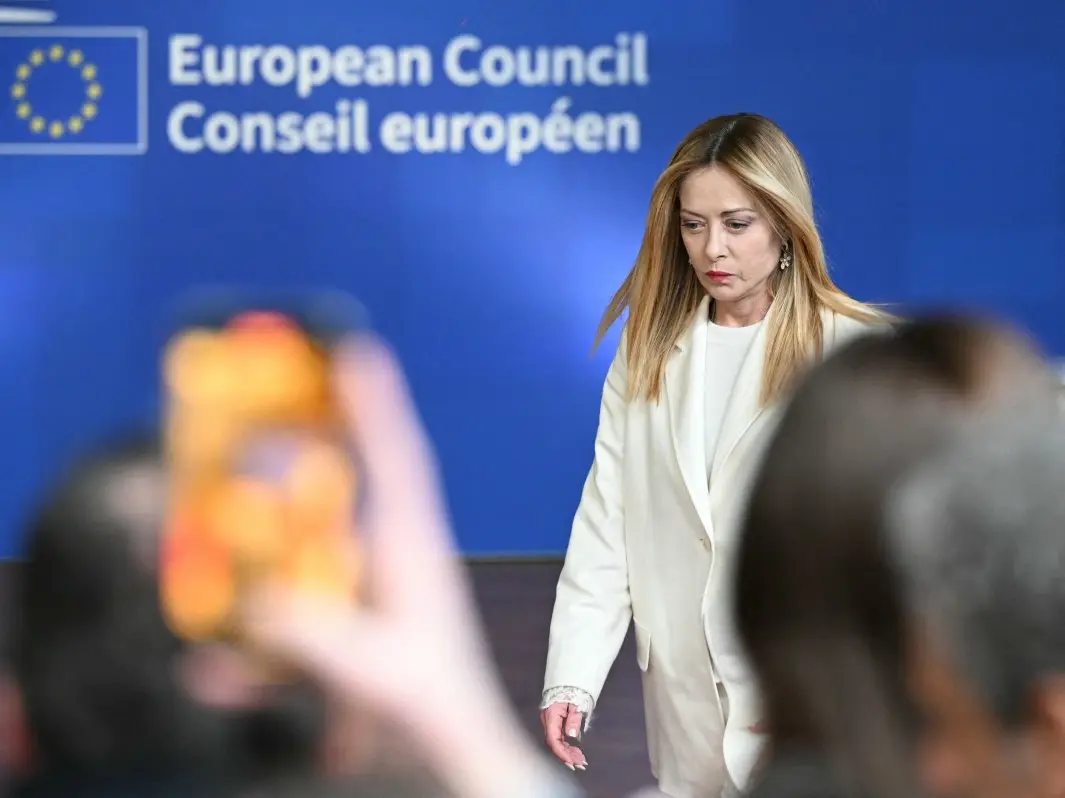
&imwidth=800&imheight=600&format=webp&quality=medium "Meloni concedes defeat as 53.7% of Italians vote ‘No’ on court overhaul")
Italy’s Prime Minister Giorgia Meloni suffered a significant political setback on Monday (March 23) after voters rejected her government’s proposed justice reforms in a closely watched referendum, curbing her authority ahead of a looming general election.
Official results showed that 53.74 per cent of voters opposed the reforms, while 46.26 per cent backed them, dealing a blow to the right-wing leader’s efforts to overhaul Italy’s judicial system. The referendum had been framed as a crucial test of Meloni’s political strength.

Conceding defeat, Meloni said in a post on X, “The Italians have decided. And we respect this decision. We will carry on, as we always have, with responsibility, determination, and respect for the Italian people and for Italy.”
The rejected reforms aimed to restructure how judges and prosecutors are governed, including separating their career tracks and reshaping disciplinary oversight bodies. Meloni’s government argued the changes would make the judiciary more accountable, long accusing it of being politicised and biased.
Trending Stories
)
Tata Trusts chairman Noel Tata calls Chandrasekaran’s reappointment ‘illegal’, rejects Tata Sons listing
)
Chiefs tight end Travis Kelce named one of the victims in $35 million ponzi scheme
)
Pak batter Rizwan's petition against being questioned by cyber crime agency rejected by court
)
Pak defence minister says 'time has come to implement pact'
)
US intel warns China can steal F-35 jets secret from Saudis
)
Former India player Diana Edulji wants Smriti Mandhana to replace Harman as skipper at the earliest
)
Dolly Parton dies at 80: Country legend’s team reveals cause of death
)
Want to get married within a year? Why 18 lakh people rush to Jaipur for ‘sacred henna’
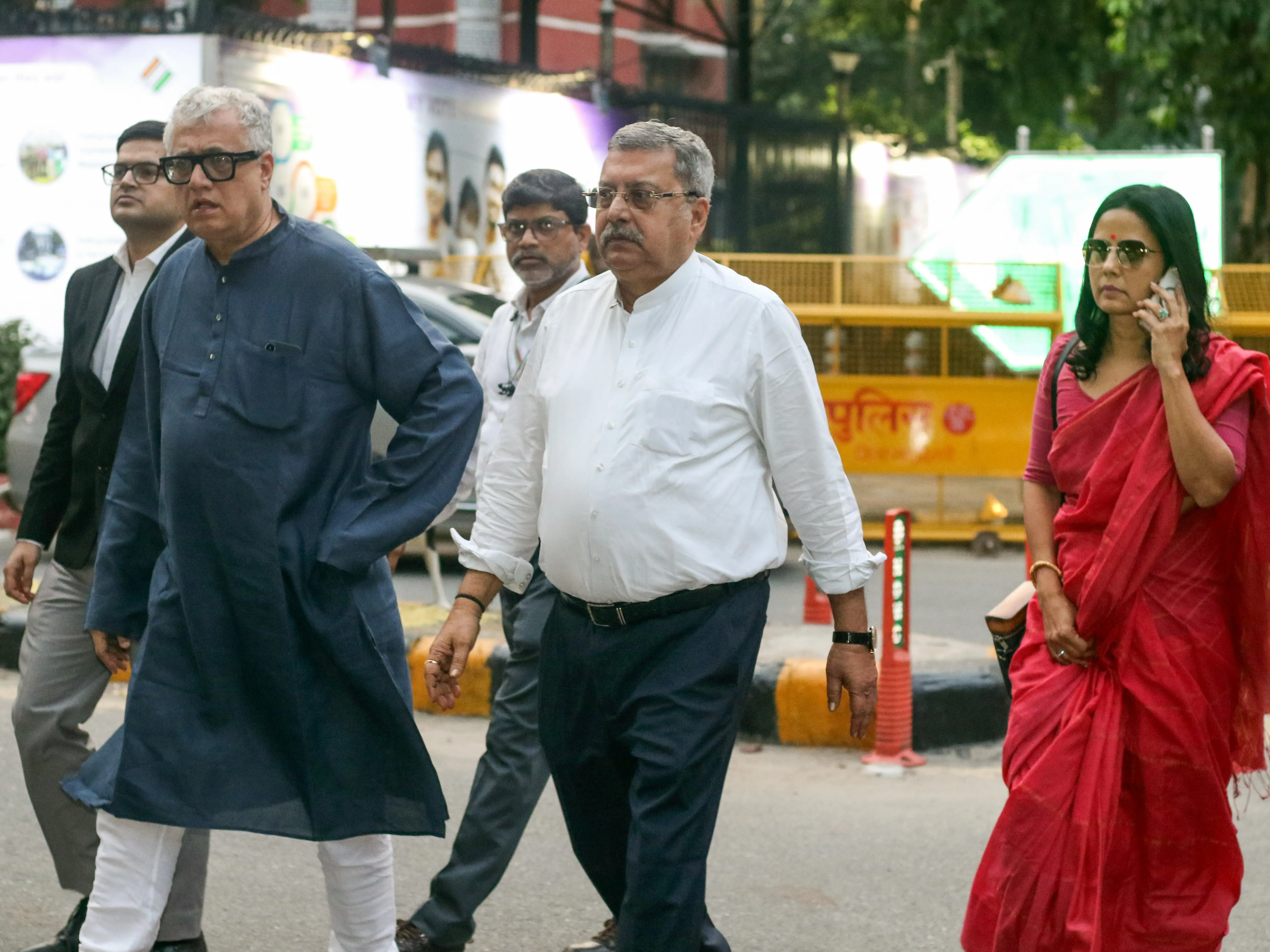)
Mahua Moitra moves UN over alleged exclusion of Muslim officers from Amit Shah events
)
All Indian goods to get duty-free access to New Zealand
Mandakini breaks silence on Dawood Ibrahim photo: 'I was not invited by him'
)
AI already defying, denying humans, is it beyond human control already?
)
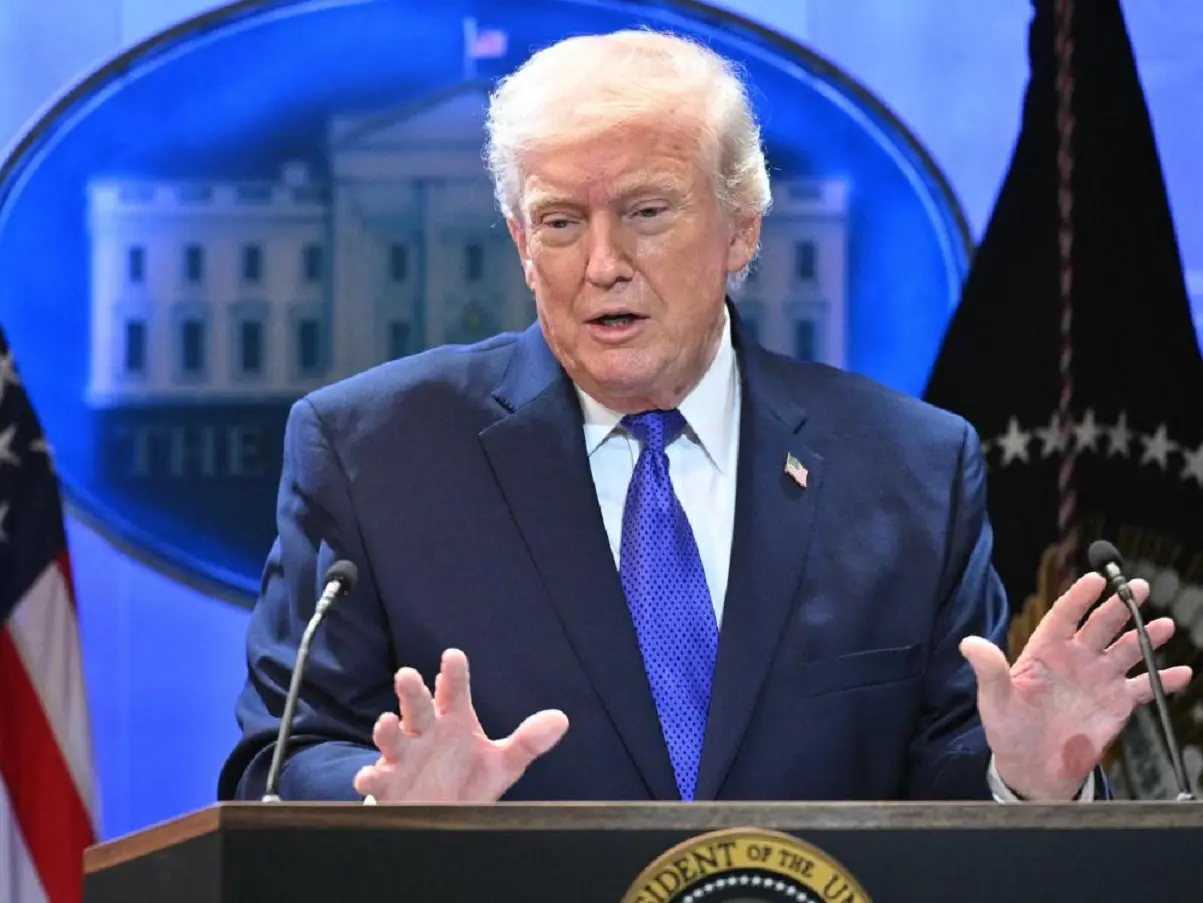
Trump could impose tariffs of up to 100%
)
‘I have a big decision coming up’: Trump says he’s approaching major ‘crossroad’ in Iran war
)
240-million-year-old bizarre 'pig with a tusk' creature creates new dilemma over origin of dinosaurs
)
Laura Wolvaardt sets new world record for most WT20I runs in a year
)
Abhishek Sharma shatters record with 30-ball century against Afghanistan
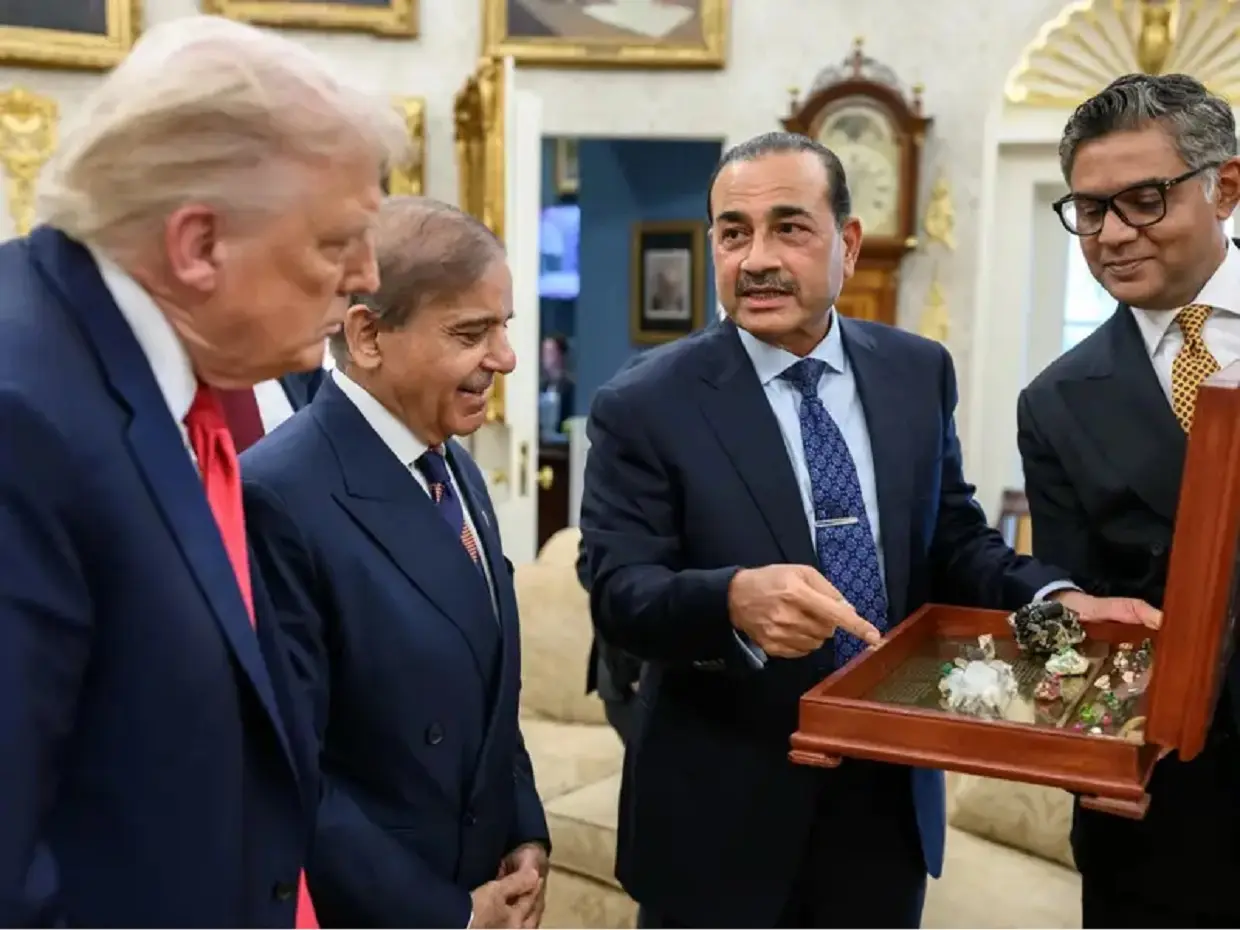)
US drone firm linked to Trump’s sons signs MoU with Pakistan army, gets initial order
)
Hong Kong unveils 11 new measures to boost birth rates, offers higher cash bonuses and housing perks
)
Fed raises rates for first time in 3 years, Kevin Warsh defies Trump as inflation mounts
)
Former OpenAI researcher warns of growing risks from Artificial Intelligence
)
US House votes 417-3 to pass Ratepayer Protection Act targeting AI data center electricity costs
&im=FitAndFill=(700,400))
Meet top 5 batters in the latest ICC T20I Rankings
)
Trump’s rare gesture for Xi: US president to personally welcome Chinese leader at airport
)
US to sell 48 F-35 Lightning fighter jets to Saudi Arabia, help it deter threats
)
Formula One reveals the 2027 race calendar; Monaco to host sprint race for the first time
)
Daayra movie review: Kareena Kapoor, Prithviraj Sukumaran shine in Meghna Gulzar’s cop-versus-cop crime thriller
)
Ukraine plans record $109 bn defence spending, nearly two thirds of budget amid Russia war
&im=FitAndFill=(700,400))
Suriya and Jyothika say ‘I do’ again after 20 years! See their dreamy wedding pics
)
However, critics, including opposition leaders and legal experts, warned that the proposals risked undermining judicial independence. They portrayed the referendum as an attempt to bring Italy’s traditionally autonomous judiciary under greater political control.
The debate reflects deep-rooted tensions in Italian politics, dating back to the Mani Pulite investigations of the early 1990s, which exposed widespread corruption and reshaped the country’s political landscape. The legacy of Silvio Berlusconi - who frequently clashed with prosecutors - also loomed over the campaign.
Under Meloni, friction between the government and the courts has persisted, particularly over issues such as migration policy and major infrastructure projects. Several ministers in her administration have also faced legal scrutiny during the current term.
While the referendum dealt with complex legal changes, it was widely interpreted as a barometer of Meloni’s leadership. The outcome is expected to weaken her political leverage and influence the tone of Italy’s political debate in the run-up to national elections expected before the end of next year.

