Japanese journalist wins damages in high-profile lawsuit over alleged rape


Japanese journalist Shiori
AJapanesecourt on Wednesday ordered prominent reporter Noriyuki Yamaguchi to pay 3.3 million yen ($30,375) indamagestojournalistShiori Ito in a civillawsuitoverher allegations he hadraped her.
Ito, 30, had sought 11 million yen indamagesfor her suffering after prosecutors declined to indict Yamaguchi following her complaint to police that he hadraped her while she was unconscious.
Yamaguchi, who has repeatedly denied the allegations, had filed a counter-suit in thehigh-profilecase, seeking 130 million yen indamagesfrom Ito. The court on Wednesday ruled against his suit.

Ito made waves in 2017 when she took the rare step of going public with allegations that Yamaguchi, a senior television reporter known for his reporting on Prime Minister Shinzo Abe, hadraped her in 2015 after she met him for drinks to discuss an offer to help her find a job.
The court said in a summary of the verdict that the credibility of Ito's account, in which she said she was forced to have sex while unconscious and despite resisting after she regained consciousness, was relativelyhigh.
It also said there were grave doubts about the credibility of Yamaguchi's statements, in which he said the sex was consensual.
)
Three labourers killed as DU student loses control of his car, rams into them on Dwarka Expressway
)
Pentagon revives mandatory testosterone testing for male troops aged 30 and above
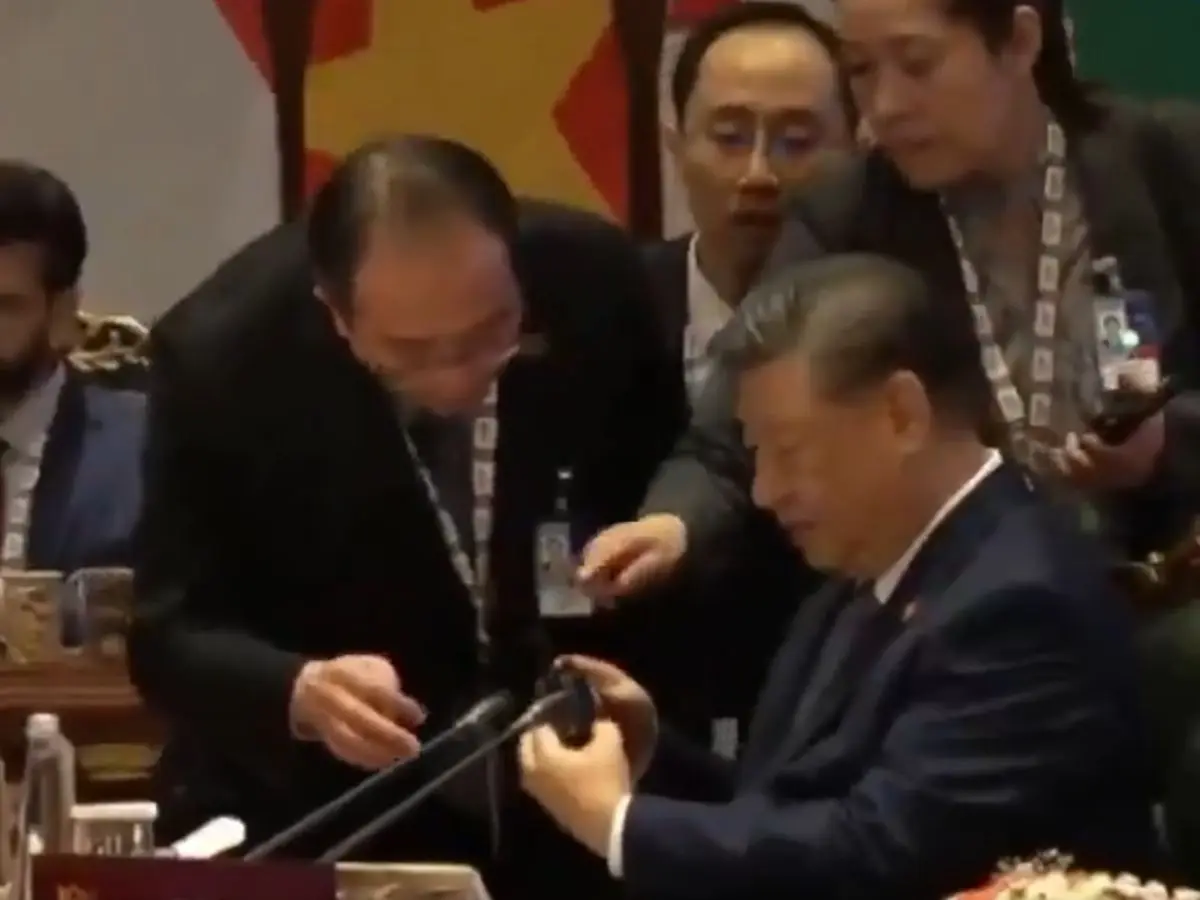)
FACT CHECK: Why did PM Modi ask Xi ‘is it okay’ at BRICS Summit? New video reveals...
)
India seeks to build a full semiconductor supply chain
&im=FitAndFill=(700,400))
From Abhishek Sharma to Sahil Chauhan, 5 batters with fastest T20I hundreds
)
Indian activist-lawyer Prashant Bhushan's post brings focus on ‘conflict of interest’ appointments of ex-govt officials at Reliance, Adani groups
)
US And Denmark reach Greenland deal, Trump announces expanded military presence
)
Former India player Diana Edulji wants Smriti Mandhana to replace Harman as skipper at the earliest
)
China may have gained access to US's classified F-35 jets; parts meant for repairs diverted to Hong Kong, sparking Pentagon inquiry
&im=FitAndFill=(700,400))
Meet top 5 batters in the latest ICC T20I Rankings
)
Godfather of AI Geoffrey Hinton gives US lawmakers a one-year warning on AI
)
US F-16 fighter jet crashes in Michigan during training mission, pilot ejects safely
)
Shivakumar attends 79th Kalyana Karnataka Utsav in Kalaburagi
)
Trump signs Russia sanctions law: India faces fresh 100% tariff threat over Russian oil
)
Why Ranveer Singh’s Dhurandhar missed India’s Oscar entry; FFI jury member reveals what happened
)
Hong Kong extends newborn cash support scheme by three years
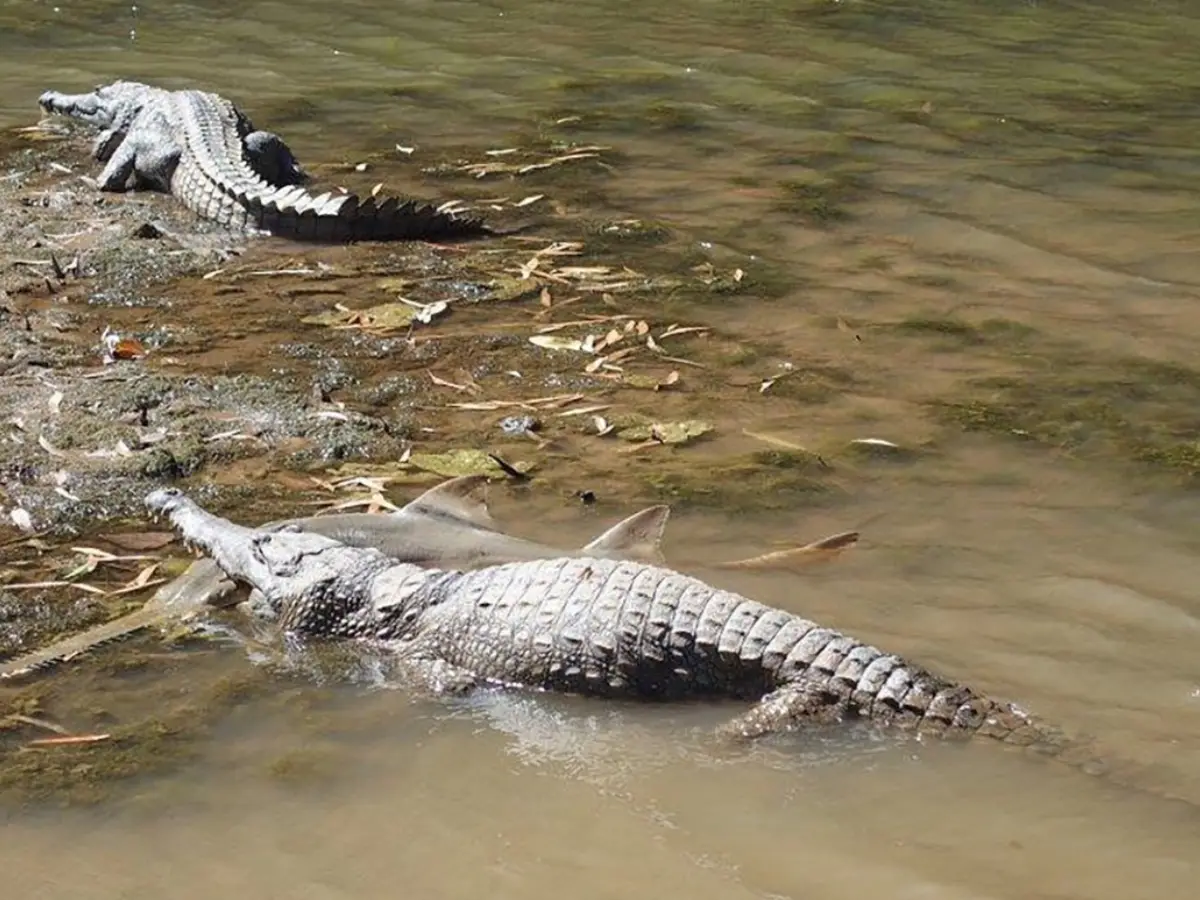)
How did an Australian river with 500 crocodiles pass the Olympic test? Here's how
)
‘Will go to any extent’: Pakistan vows to defend Saudi Arabia amid Houthi attacks
)
'He will always be ahead': India coach Gambhir says Sooryavanshi won't walk into team ahead of Samson
)
The Verdict | When precision fails: US commits war crime in Minab school strike, UN finds
)
Trump signs Russia sanctions bill into law, targets Moscow’s energy sector
&im=FitAndFill=(700,400))
New Friday OTT releases (September 18, 2026): Lust Stories 3, You+Me, Best of the Best- 8 new titles coming on Netflix, Prime Video and more
)
Fast bowler Brydon Carse faces no charges over Derby nightclub incident
)
Africa is splitting, and a lot sooner than estimated, giving way to a new ocean
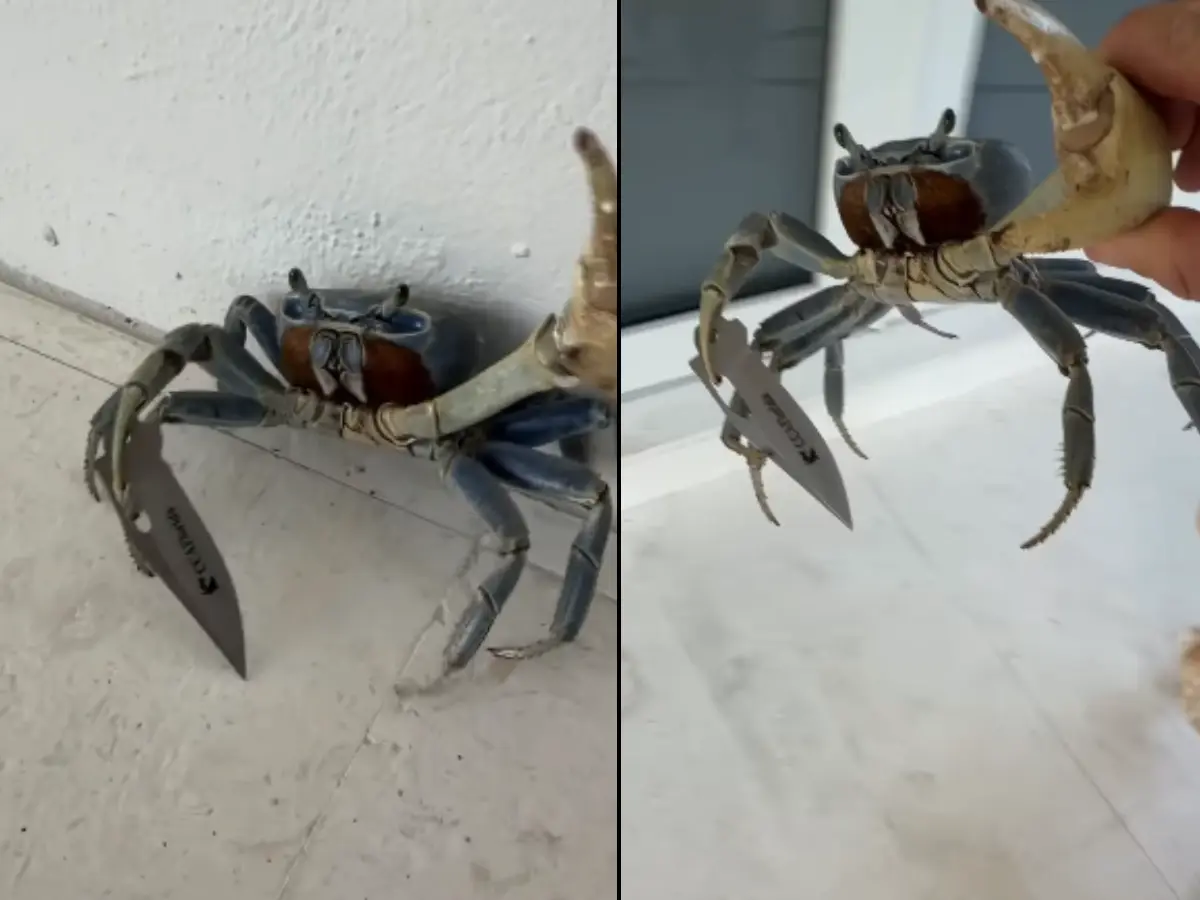)
'Gangsta' crab shoves knife blade at man and his dog in Florida - Watch
)
Trump bans CNN, MS NOW and Politico from White House over ‘FAKE NEWS’
)
Trump 2.0: Dark days ahead for America’s ‘imperial presidency’
)
Trump's Greenland dream comes true? POTUS announces 'Infinite Life' deal with Denmark, claims permanent US control
)
Laura Wolvaardt sets new world record for most WT20I runs in a year
)
Drone strikes cooling tower at Russia's Kursk Nuclear Plant, IAEA confirms
)
Who is Khalilur Rahman? All you need to know about 81st UN General Assembly President
&im=FitAndFill=(700,400))
Meet top 5 bowlers in latest ICC T20I rankings
)
Ukraine plans record $109 bn defence spending, nearly two thirds of budget amid Russia war
&im=FitAndFill=(700,400))
Meet top 5 Indian batters with fastest T20I centuries
Ito, who has become a prominent face of the #MeToo movement in Japan, fought back tears as she spoke through a megaphone to reporters and supporters outside the court, saying she felt "full of gratitude."
"I'm so happy," she said, her voice breaking at times with emotion. "It's notover. Now, I have to deal with how I live with my scars."
In awarding thedamages, the court said that Ito still suffered flashbacks and panic attacks as a result.
The court also said Ito's decision to go public was intended to be in the public interest and did not violate Yamaguchi's privacy.
Ito suggested in her book "Black Box" that she might have been given a “daterape” drug but that she had no way to know.
Yamaguchi wrote in a magazine article in 2017 that he had "neither seen nor heard of the daterapedrugs" Ito mentioned and that she had been "overconfident about the amount of alcohol and drank too much".
Ito also wrote in her book that she was forced to re-enact theallegedrapewith a life-sized doll while male police watched. She did not identify the policemen.
Reuters could not confirm this incident, which was not touched upon in the summary of the court ruling. A spokesman for the Tokyo Metropolitan Police said the department could not immediately comment.
Ito has said she was also trolled on social media by critics.
The events formed the subject of a BBC documentary, "Japan's Secret Shame".
Ito wrote in her book that police had obtained an arrest warrant against Yamaguchi but it was not implemented.
She also wrote that the arrest was called off at the last minute by a senior police official, whom she did not identify.
Ito was an intern at Reuters during the time she said therapeoccurred. She left Reuters in June 2015.
Prosecutors later decided not to bring charges. They do not give reasons for such decisions.
A civil judicial panel later rejected Ito's appeal to force a prosecution, saying it had found no grounds tooverturn the prosecutors’ decision.
At the time, opposition lawmakers questioned whether Yamaguchi had received special treatment because of his close ties to Abe.
Chief Cabinet Secretary Yoshihide Suga has denied there were any irregularities regarding the case.
The head of the National Public Safety Commission, whichoversees the police, also denied in parliament that there were any problems with the investigation, media reported at the time.
Legislators revised Japan’s century-oldrapelaw in 2017 to include harsher penalties, including raising the minimum punishment for rapists to five years in prison from three.
The reforms, however, left intact controversial requirements that prosecutors must prove violence or intimidation was involved or that the victim was “incapable of resistance,” prompting calls from academics, activists, and psychiatrists for further changes to the law.