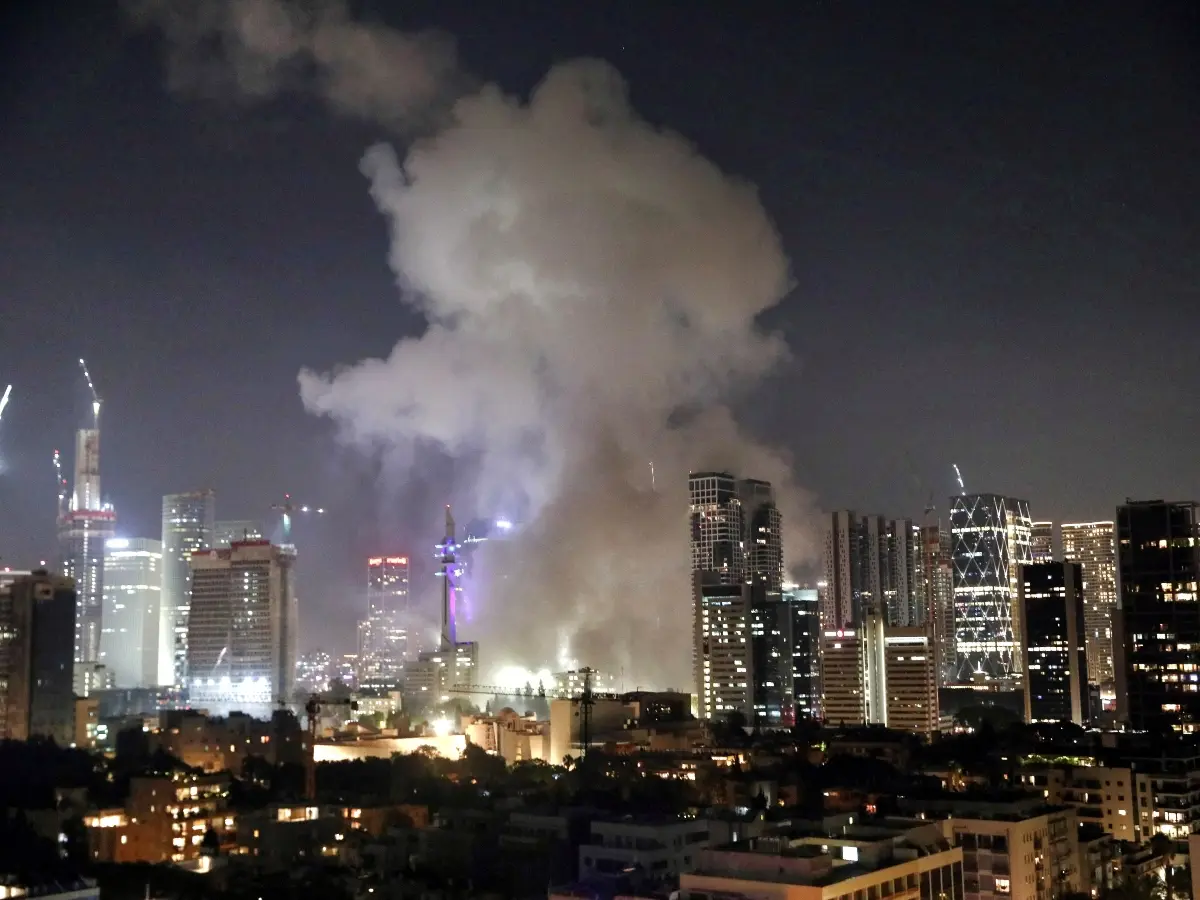
Iran says its new air defence system helped down US jets. Was it Majid, Verba or HQ-9B?

&imwidth=600&imheight=450&format=webp&quality=medium "Iran says its new air defence system helped down US jets. Was it Majid, Verba or HQ-9B?")
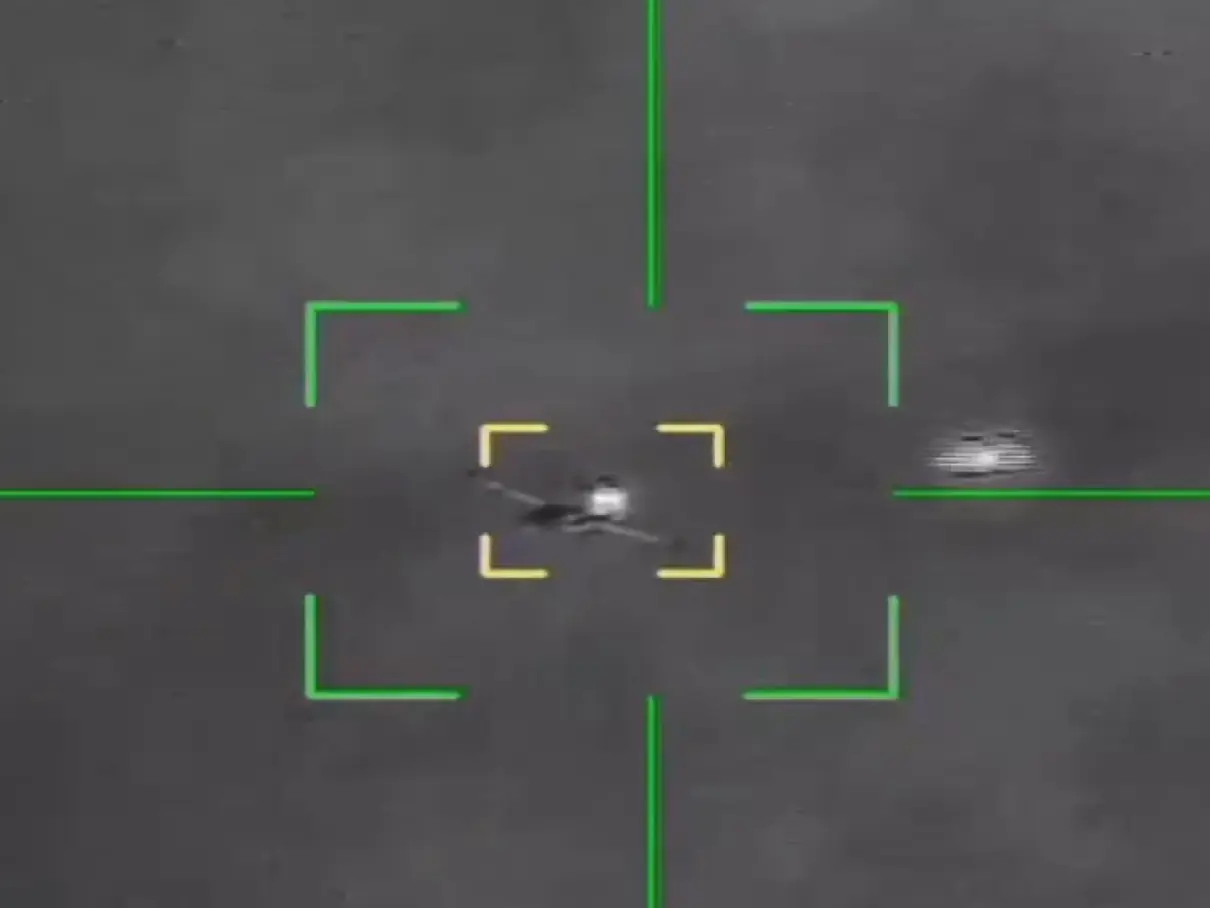
Iran showcased its ability to hit back despite Trump asserting it has been completely decimated Photograph: (Screengrab from video on X)
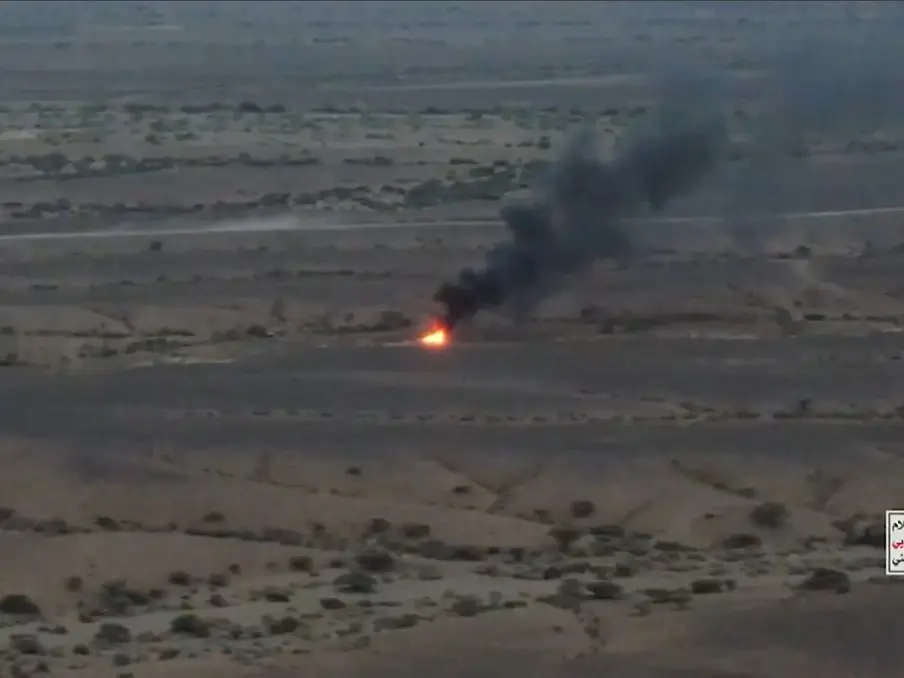
Footage released by Iran’s Islamic Revolutionary Guard Corps (IRGC) showed US fighter jets being hit by surface-to-air missiles and appears to have been captured by optical and infrared (IR) sensors rather than a traditional radar-based tracking system.
Iran’s top joint military command claimed on Saturday that it had used a new air defence system on Friday to target a US fighter jet and vowed it would “achieve full control” over the country’s skies again. A spokesperson for the Khatam al-Anbiya joint military command said the country would definitely achieve full control over its airspace, according to Iranian state media. Iran claimed to have shot down two US military aircraft and two Black Hawk helicopters on Friday, puncturing Donald Trump’s claims of complete US dominance over Iran’s skies.
It is for the first time in more than 20 years that American fighter jets have been shot down by enemy fire.
Iran showcased its ability to hit back despite Trump asserting it has been “completely decimated” and its air defences “obliterated”.
Iran shot down a US F15-E Strike Eagle fighter jet, after which US officials said a pilot was rescued while a search is still underway for a second service member.
Iranian state media also said that Iranian defence forces also hit an A-10 Warthog attack aircraft of US that crashed in the Persian Gulf region.
Footage released by Iran’s Islamic Revolutionary Guard Corps (IRGC) showed US fighter jets being hit by surface-to-air missiles and appears to have been captured by optical and infrared (IR) sensors rather than a traditional radar-based tracking system.
The footage has high-contrast thermal images, which are typical of an Electro-Optical/Infrared (EO/IR) tracking system.
Trending Stories
&imwidth=280&imheight=210&format=webp&quality=medium)
&im=FitAndFill=(700,400)&imwidth=280&imheight=210&format=webp&quality=medium)
&imwidth=280&imheight=210&format=webp&quality=medium)
&imwidth=280&imheight=210&format=webp&quality=medium)
&imwidth=280&imheight=210&format=webp&quality=medium)
&imwidth=280&imheight=210&format=webp&quality=medium)
&imwidth=280&imheight=210&format=webp&quality=medium)
&imwidth=280&imheight=210&format=webp&quality=medium)
&imwidth=280&imheight=210&format=webp&quality=medium)
&imwidth=280&imheight=210&format=webp&quality=medium)
&imwidth=280&imheight=210&format=webp&quality=medium)
&imwidth=280&imheight=210&format=webp&quality=medium)
&imwidth=280&imheight=210&format=webp&quality=medium)
&imwidth=280&imheight=210&format=webp&quality=medium)
&imwidth=280&imheight=210&format=webp&quality=medium)
&imwidth=280&imheight=210&format=webp&quality=medium)
&imwidth=280&imheight=210&format=webp&quality=medium)
&imwidth=280&imheight=210&format=webp&quality=medium)
&imwidth=280&imheight=210&format=webp&quality=medium)
&imwidth=280&imheight=210&format=webp&quality=medium)
&imwidth=280&imheight=210&format=webp&quality=medium)
&imwidth=280&imheight=210&format=webp&quality=medium)
&imwidth=280&imheight=210&format=webp&quality=medium)
&imwidth=280&imheight=210&format=webp&quality=medium)
&im=FitAndFill=(700,400)&imwidth=280&imheight=210&format=webp&quality=medium)
&imwidth=280&imheight=210&format=webp&quality=medium)
&imwidth=280&imheight=210&format=webp&quality=medium)
&imwidth=280&imheight=210&format=webp&quality=medium)
&imwidth=280&imheight=210&format=webp&quality=medium)
&imwidth=280&imheight=210&format=webp&quality=medium)
&imwidth=280&imheight=210&format=webp&quality=medium)
&imwidth=280&imheight=210&format=webp&quality=medium)
&imwidth=280&imheight=210&format=webp&quality=medium)
&imwidth=280&imheight=210&format=webp&quality=medium)
Is Iran relying heavily on passive sensors?
After US and Israeli precision airstrikes destroyed most of its radar-guided surface-to-air missile systems, Iran now seems to be relying heavily on passive sensors, which detect the heat signature from the aircraft’s engines and airframe friction.
An infrared system locks onto an aircraft by detecting the heat radiated from the jet’s engines by using a cooled thermal seeker, with no radar being involved. The system operator aims the launcher until the seeker scans and acquires the strongest heat signature against the cooler sky background. Once locked, it tracks the moving heat source to guide the missile accurately.
Also Read: ‘Capture US pilot alive, get reward,’ says Iranian media after Tehran claims it downed F-15E
Did indigenous Majid system down F-15E and A-10?
Iran’s indigenous Majid (AD-08) short-range, low-altitude surface-to-air missile system, developed by its Defense Industries Organisation, may have been involved in the attacks.
The Majid missile system, unveiled in April 2021, is mounted on mobile Aras-2 4×4 tactical vehicles and provides point defence against low-flying aircraft, helicopters, cruise missiles, and drones.
It ensures stealth and survivability by using passive imaging infrared homing and electro-optical tracking to detect targets up to 15 km without radar emissions. Each 75kg AD-08 missile can engage threats from 700 metres to 8 km in range and up to 6 km in altitude at Mach 2 speeds. The system can simultaneously track and strike four targets, strengthening Iran’s layered air defence network.
Extremely difficult to track F-15E, or A-10 with infrared or electro-optical sensors
However, it is extremely difficult to track fighter jets like the F-15E or A-10 with infrared/electro-optical sensors due to the aircraft’s high speed, extreme manoeuvrability, and advanced countermeasures. IR seekers must lock onto engine heat plumes or friction around the airframe.
Besides, modern fighters have signature reduction-cooled nozzles, low-observability coatings, and high-altitude flight profiles that reduce their detectable thermal footprint.
Moreover, fighter jets can launch flares and decoys to overwhelm seeker heads of missiles; hence, the success is highly situational and rare.
Earlier this year, leaked Russian government documents indicated that Iran had signed a deal to procure 500 Verba man-portable short-range surface-to-air missile launchers capable of detecting targets amid background heat sources.
Iran could also be using the Chinese HQ-9B, a highly advanced long-range missile system that has both radar and infrared guidance, making it better equipped to counter stealth aircraft like the F-35 and resist electronic jamming.