Indonesia seals contract for India's supersonic BrahMos missile

&imwidth=600&imheight=450&format=webp&quality=medium "Indonesia seals contract for India's supersonic BrahMos missile")
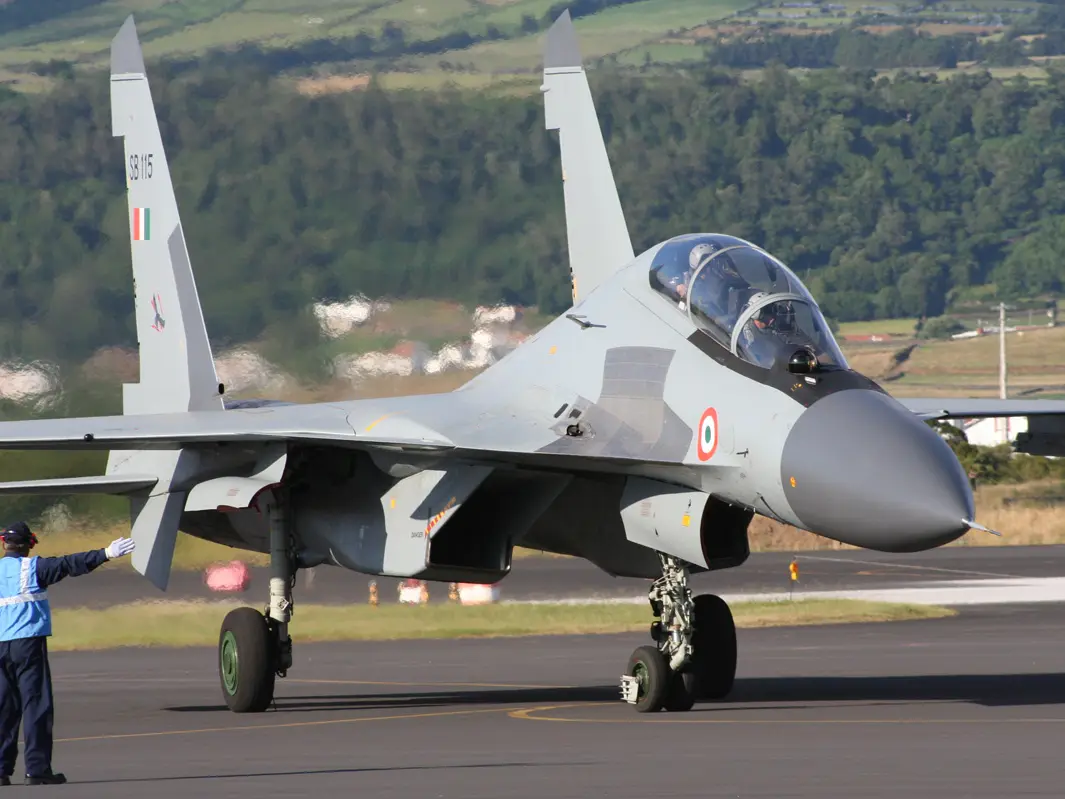
File image for representation Photograph: (AFP)
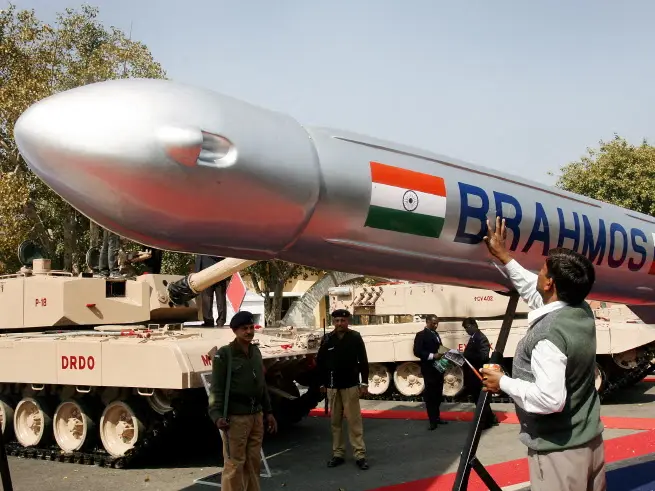
India and Indonesia signed a defence deal for BrahMos coastal missile batteries, strengthening maritime security and defence ties. Indonesia becomes the second Southeast Asian country after the Philippines to acquire the supersonic system.
Indonesia and India have signed a contract for the supply of coastal batteries of the BrahMos supersonic cruise missile, marking a significant step in deepening defence ties between the two nations and bolstering Jakarta's maritime capabilities. The agreement, confirmed by sources, involves the procurement of coastal variants of the BrahMos system.
Sources said that deal is worth $300 million, and was signed in December 2025. The delivery time for 3 batteries is 36 month, and the version has been the same as the one delivered to Philippines. The BrahMos, jointly developed by India's Defence Research and Development Organisation and Russia's NPO Mashinostroyenia, is the world's fastest supersonic cruise missile, capable of speeds up to Mach 3 (three times the speed of sound) with a range capped at 290 km for export versions to comply with international guidelines.
Indonesia's interest in sea-launched versions for its warships aligns with its ongoing military modernisation efforts. The pact follows prolonged negotiations that gained momentum during high-level visits, including discussions at the India-Indonesia Defence Ministers' Dialogue in late 2025. This deal positions Indonesia as the second Southeast Asian nation to acquire the BrahMos after the Philippines.
In January 2022, Manila signed a $375 million contract for three shore-based anti-ship BrahMos batteries, with deliveries commencing in 2024 and proving successful in enhancing coastal defence. Philippine military leaders have since described the system as a game-changer and expressed interest in additional procurements. The Philippines deal was India's first major BrahMos export, paving the way for broader interest in the region.
Trending Stories
&im=FitAndFill=(700,400))
)
)
)
)
&im=FitAndFill=(700,400))
)
)
)
)
)
)
)
)
)
)
)
&im=FitAndFill=(700,400))
)
)
)
)
)
&im=FitAndFill=(700,400))
)
)
)
)
)
&im=FitAndFill=(700,400))
)
)
)
These agreements are part of India's push to expand its defence industry footprint in the Indo-Pacific, offering an alternative to traditional suppliers amid geopolitical shifts. For Jakarta, diversifying procurement sources reduces reliance on single partners while addressing maritime security needs in a vast archipelago.
