

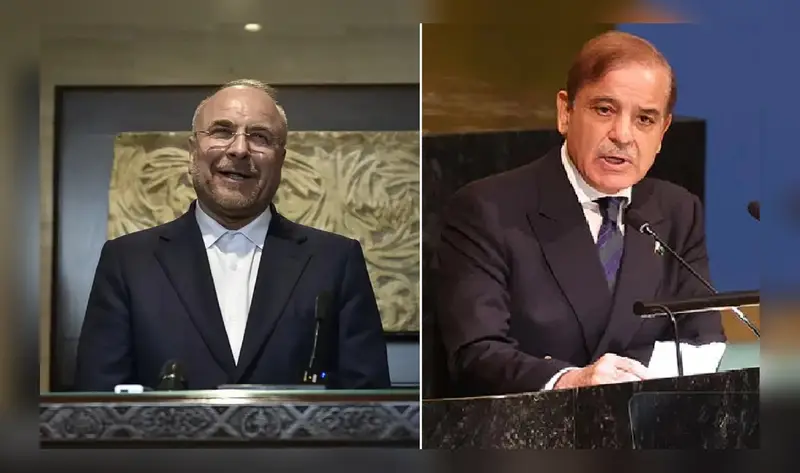
Ever since the two-week ceasefire was announced between the US, Israel, and Iran, the two sides have been busy contradicting each other, especially over Lebanon, putting the mediator Pakistan at the centre of the storm. Just a day after Pakistan secured its biggest diplomatic win, the ceasefire came under strain as Israel carried out its largest, devastating strike across Lebanon. While Iran claimed that the Israeli attack was a violation of ceasefire terms, the US and Israel said Lebanon was never a part of it.
Pakistan is now under the clouds as it was responsible for interpreting the agreement to both sides.
When Pakistani Prime Minister Shehbaz Sharif announced the ceasefire between the US and Iran on Wednesday, he explicitly mentioned that it applied “everywhere”, including Lebanon.
“Iran and the United States, along with their allies, have agreed to an immediate ceasefire everywhere, including Lebanon and elsewhere, EFFECTIVE IMMEDIATELY,” Sharif tweeted.
Israel asserted that Lebanon was not part of the ceasefire and unleashed a barrage of strikes on Lebanon.
Trending Stories
&im=FitAndFill=(700,400)&imwidth=180&imheight=135&format=webp&quality=medium)
What is the real meaning behind Pete Hegseth's tattoos?
&imwidth=180&imheight=135&format=webp&quality=medium)
UK navy hit by espionage scandal: Sailor accused of spying for Russia | Gravitas
&imwidth=180&imheight=135&format=webp&quality=medium)
Katie Zacharia likely to succeed Karoline Leavitt as Trump's White House press secretary
&imwidth=180&imheight=135&format=webp&quality=medium)
‘Never-ending flow of cheap labour’: JD Vance hits back at Indian-origin Congresswoman over US green card curbs for major tech companies
&imwidth=180&imheight=135&format=webp&quality=medium)
Trump's naked 23-karat gold statue unveiled near European Parliament
&imwidth=180&imheight=135&format=webp&quality=medium)
‘Ruh Roh’: Top US official mocks ‘Indian market collapse’ claim after Trump’s IT curbs. But did it? | FACT CHECK
&imwidth=180&imheight=135&format=webp&quality=medium)
Nigeria govt rolls out 30-day NNPC petrol discount, insists it is not a subsidy
&imwidth=180&imheight=135&format=webp&quality=medium)
JK Rowling announces two new 'Harry Potter' books
&im=FitAndFill=(700,400)&imwidth=180&imheight=135&format=webp&quality=medium)
Fastest-growing Asian economies in 2026: Who tops the chart? Where does India rank?
&imwidth=180&imheight=135&format=webp&quality=medium)
Houthis continue direct hits on Saudi targets, Türkiye and Pakistan missing in action | Gravitas
&imwidth=180&imheight=135&format=webp&quality=medium)
'Do not stop it altogether': SC asks Centre to review Delhi Metro curbs ahead of Oct 10 protests
&imwidth=180&imheight=135&format=webp&quality=medium)
Prince Harry opens up about loss, depression, and recovery: 'I felt guilty being happy'
&imwidth=180&imheight=135&format=webp&quality=medium)
Jewar airport in Noida to be renamed Narendra Modi International Airport: CM Yogi
&imwidth=180&imheight=135&format=webp&quality=medium)
Russia president Putin promises to 'do everything' to help settle Middle East conflict as US-Iran negotiations stall
&imwidth=180&imheight=135&format=webp&quality=medium)
Powerful 7.7 magnitude earthquake strikes Panama, tsunami warning issued
&imwidth=180&imheight=135&format=webp&quality=medium)
BTS agency HYBE announces first-ever Weverse Con Festival in India
&imwidth=180&imheight=135&format=webp&quality=medium)
South Africa High Commissioner Anil Sooklal speaks to WION, calls Pillay an inspiration
&imwidth=180&imheight=135&format=webp&quality=medium)
Trump has a new 'enemy': Anyone who calls it 'artificial intelligence'. Here's what we wants instead
&im=FitAndFill=(700,400)&imwidth=180&imheight=135&format=webp&quality=medium)
New Friday OTT releases (October 9, 2026): Reporting Live, Animals, Take Charge of My Heart- 6 new titles coming on Netflix, JioHotstar and more
&imwidth=180&imheight=135&format=webp&quality=medium)
BTS' RM urges Peru fans not to gather outside hotel: 'We can't sleep', It's becoming a nuisance'
&imwidth=180&imheight=135&format=webp&quality=medium)
Is Trump playing a double game with Iran?
&imwidth=180&imheight=135&format=webp&quality=medium)
Pakistan denies reports of PAF jets being used in attacks against Iran-backed Houthis in Yemen
&imwidth=180&imheight=135&format=webp&quality=medium)
New York ICE shooting sparks protests as Mamdani to call on Trump to halt ICE operations
&imwidth=180&imheight=135&format=webp&quality=medium)
IND vs WI: West Indies set record for highest successful run chase in T20Is against India
&imwidth=180&imheight=135&format=webp&quality=medium)
French students light European bonfire, protests erupt in Belgium, Italy & Greece | Gravitas
&im=FitAndFill=(700,400)&imwidth=180&imheight=135&format=webp&quality=medium)
Food shortages, suicide attempts and more: USS Abraham Lincoln returns to US after 321 day deployment supporting war on Iran — The whole row explained
&imwidth=180&imheight=135&format=webp&quality=medium)
OpenAI shuts down Russian, Iranian influence operations using ChatGPT to spread propaganda
&imwidth=180&imheight=135&format=webp&quality=medium)
SC questions closure of 57 Delhi Metro stations, asks Centre to resume services in regulated manner
&im=FitAndFill=(700,400)&imwidth=180&imheight=135&format=webp&quality=medium)
435 House seats, 35 Senate races: The numbers behind US midterms 2026
&imwidth=180&imheight=135&format=webp&quality=medium)
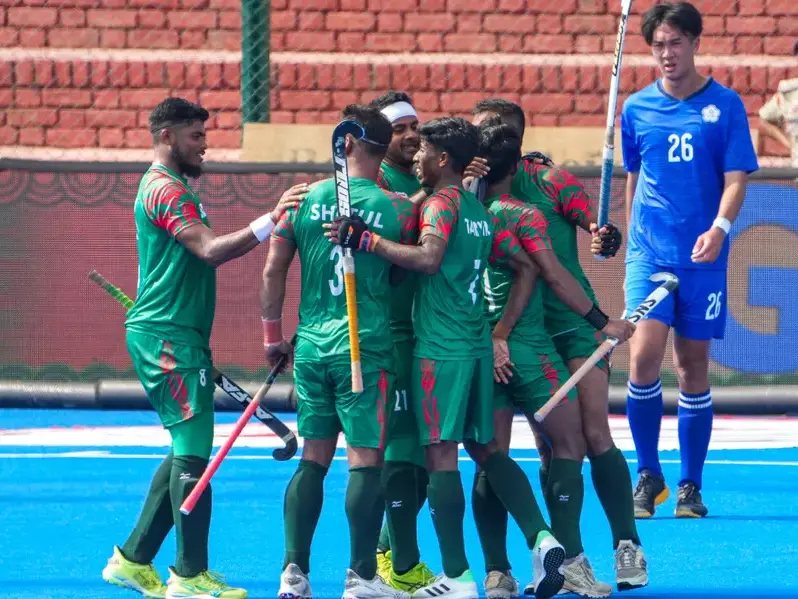
Bangladesh named as Pakistan’s replacement for Asian Hockey Champions Trophy
&imwidth=180&imheight=135&format=webp&quality=medium)
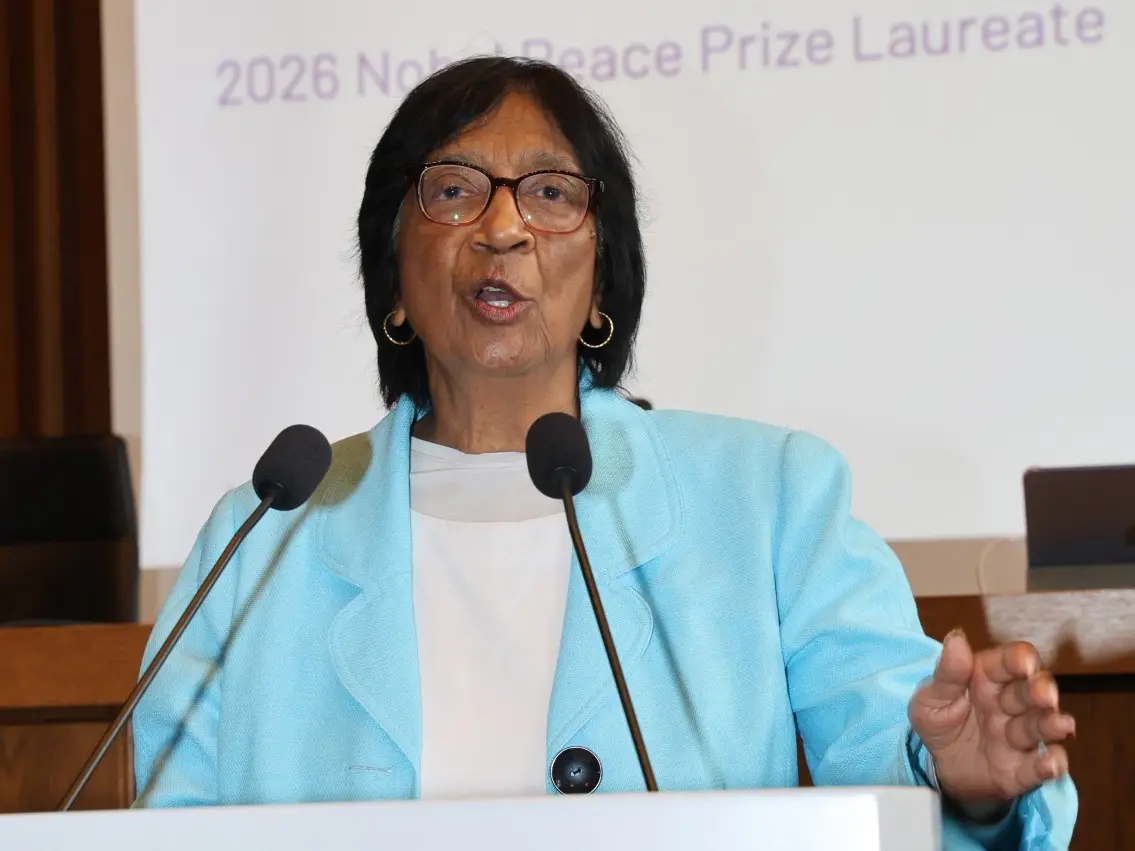
‘We will end ICC’: US sanctions International court, threatens to cripple hours after Navi Pillay wins Nobel Peace Prize
&imwidth=180&imheight=135&format=webp&quality=medium)
US midterm elections 2026: What a blue wave or blue tsunami could mean for Trump
&imwidth=180&imheight=135&format=webp&quality=medium)
SC asks Centre to frame mechanism against unethical pharma marketing practices
&imwidth=180&imheight=135&format=webp&quality=medium)
Man prays to Satan at an Iowa city council, pastor rushes to 'reverse the curse'
&imwidth=180&imheight=135&format=webp&quality=medium)
Trump honours Microsoft CEO Satya Nadella with top technology honour amid immigration scrutiny
&imwidth=180&imheight=135&format=webp&quality=medium)
Sri Lankan Tamil worker gets death sentence in Saudi Arabia over blasphemy, calls for pardon intensify
&imwidth=180&imheight=135&format=webp&quality=medium)
‘Real boss of India’: Elon Musk escalates attack over Starlink’s India entry
On Thursday, Iran’s parliament speaker Mohammad Bagher Ghalibaf said that Lebanon and the entire Resistance Axis, as Iran’s allies, form an inseparable part of the ceasefire and cited Pakistan’s PM Shehbaz Sharif as saying that Lebanon was part of the ceasefire.
In a post on X, Ghalibaf said, “Lebanon and the entire Resistance Axis, as Iran’s allies, form an inseparable part of the ceasefire. (Point 1, 10-point proposal).”
“PM Shehbaz Sharif publicly and clearly stressed the Lebanon issue; there is no room for denial and backtracking,” he added.
Pakistan’s ambassador to the US, Rizwan Saeed Sheikh, also told CNN in an interview that Lebanon was included in the ceasefire framework and the announcement by Sharif “could not have been more authentic,” but cautioned that ceasefires in the region have historically been fragile.
However, Israeli Prime Minister Benjamin Netanyahu denied Pakistan’s assertion that the ceasefire covered the conflict in Lebanon.
Lebanon got embroiled in the war after Hezbollah, a proxy of Iran, attacked Israel. Israel retaliated by pounding Beirut and key Lebanese cities, killing over 1,500 people since March 2.
In retaliation, Iran and stopped the movement of oil tankers in the Strait of Hormuz which it had opened briefly after the ceasefire.
Did Pakistan really mess up things?
Iranian media reported that Pakistan might have handed the US a version different from the one it received from Iran. Similarly, Pakistan might have provided a different version from what it received from Washington to Iran, said a report in The Middle East.
Also Read: Israel launches largest wave of strikes against Hezbollah in Lebanon; high casualties reported
Moreover, even US Vice President JD Vance suggested that Iran’s negotiators were made to believe that the two-week ceasefire deal included Lebanon, though he did not name Pakistan.
“This comes from a legitimate misunderstanding. I think the Iranians thought that the ceasefire included Lebanon, and it just didn’t. We never made that promise,” said Vance, who will lead the US delegation for talks in Islamabad.
The developments have led to Pakistan’s scrutiny. Experts blame Pakistan for not properly communicating the terms of the ceasefire.
The confusion has exposed gaping holes in Islamabad’s mediation.

