

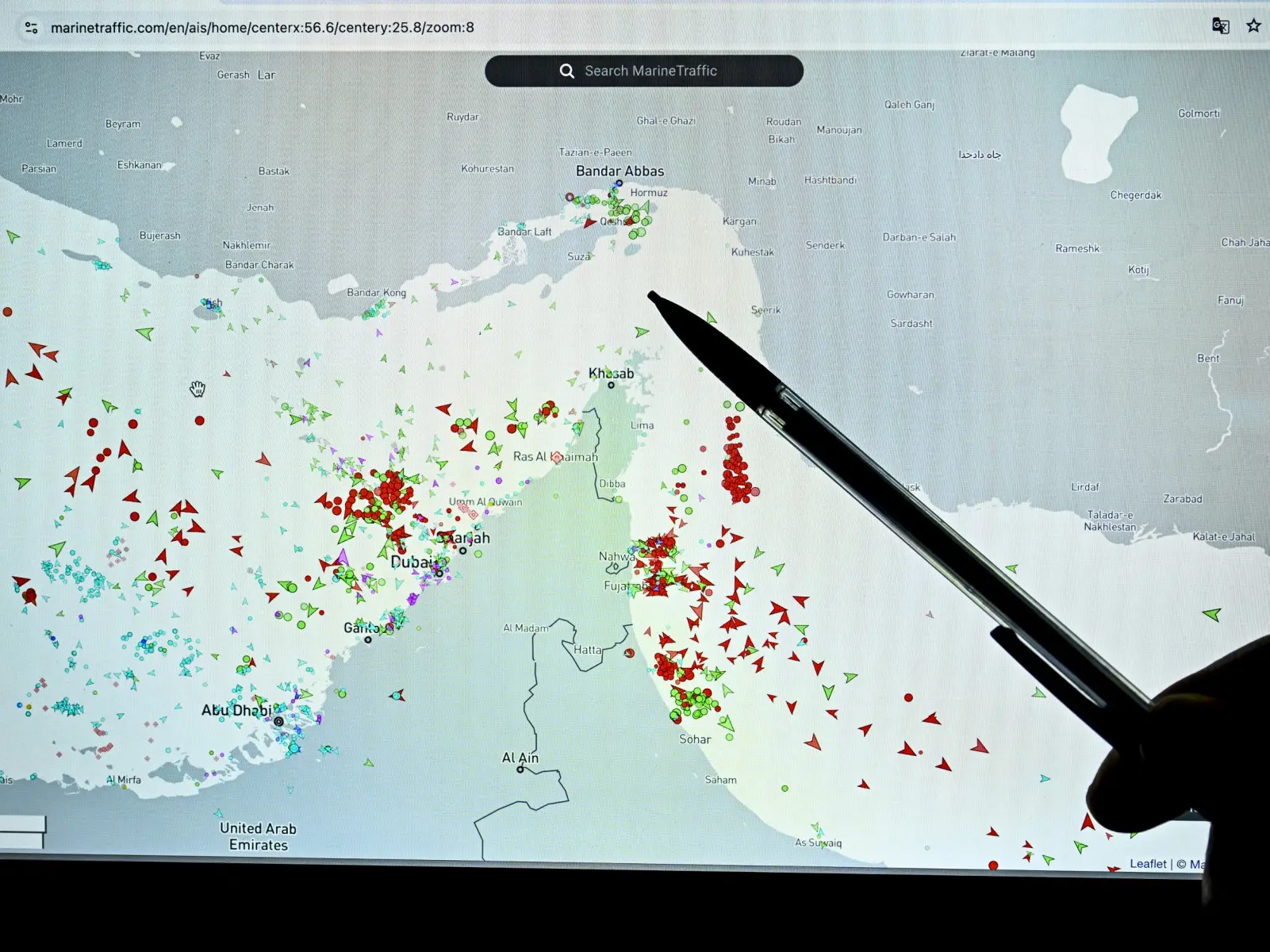
&imwidth=800&imheight=600&format=webp&quality=medium "Only 12 ships allowed daily: Iran’s restrictive gatekeeping in Hormuz")
Following a fragile ceasefire agreement with the US, Iran is reportedly implementing a highly restrictive "gatekeeping" strategy, for the Strait of Hormuz and imposing toll charges, according to a report by the Wall Street Journal. Only 12 ships will be allowed to pass through the Hormuz every day, decreasing from the usual traffic of 100 every day. Ships will be required to coordinate with the Iranian military and pay a toll fee, which will be collected in either crypto or Chinese Yuan.
The proposed system will require tankers to pay approximately $2million per transit, approximately $1 per barrel. Iran has also proposed sharing revenue with Oman. However, Oman has categorically denied any such arrangement. Oman's Transport Minister, Saeed bin Hamoud bin Saeed Al Maawali, said that the strait is a "natural waterway". Muscat maintains that the strait is governed by the International Maritime agreement, such as UNCLOS, which prohibits the collection of toll or passage fee from any waterway.
Is charging a transit fee illegal?
According to the United Nations Convention on the Law of the Sea, passage through the seas in international straits can be governed under either “transit passage” or “innocent passage”. Under transit passage, the movement has to be unimpeded in the international waters. However, under innocent passage, the movement is restricted if it is prejudicial to the peace and security of the coastal state. There are legal prohibitions against charging a transit fee unless it is a service-based fee. Both Iran and the US have signed the UNCLOS but never ratified it, so they are not bound by the UNCLOS. Iran intends to impose the “innocent passage” under which the transit fee is framed as a "service fee" for the damages and war reparations. However, this sets a dangerous precedent where other countries could impose a similar transit fee at other vital choke points like the Strait of Malacca and Gibraltar.

