&imwidth=800&imheight=600&format=webp&quality=medium "‘Hostile’ powers sending spies to West’s universities: Canada’s former intel chief")
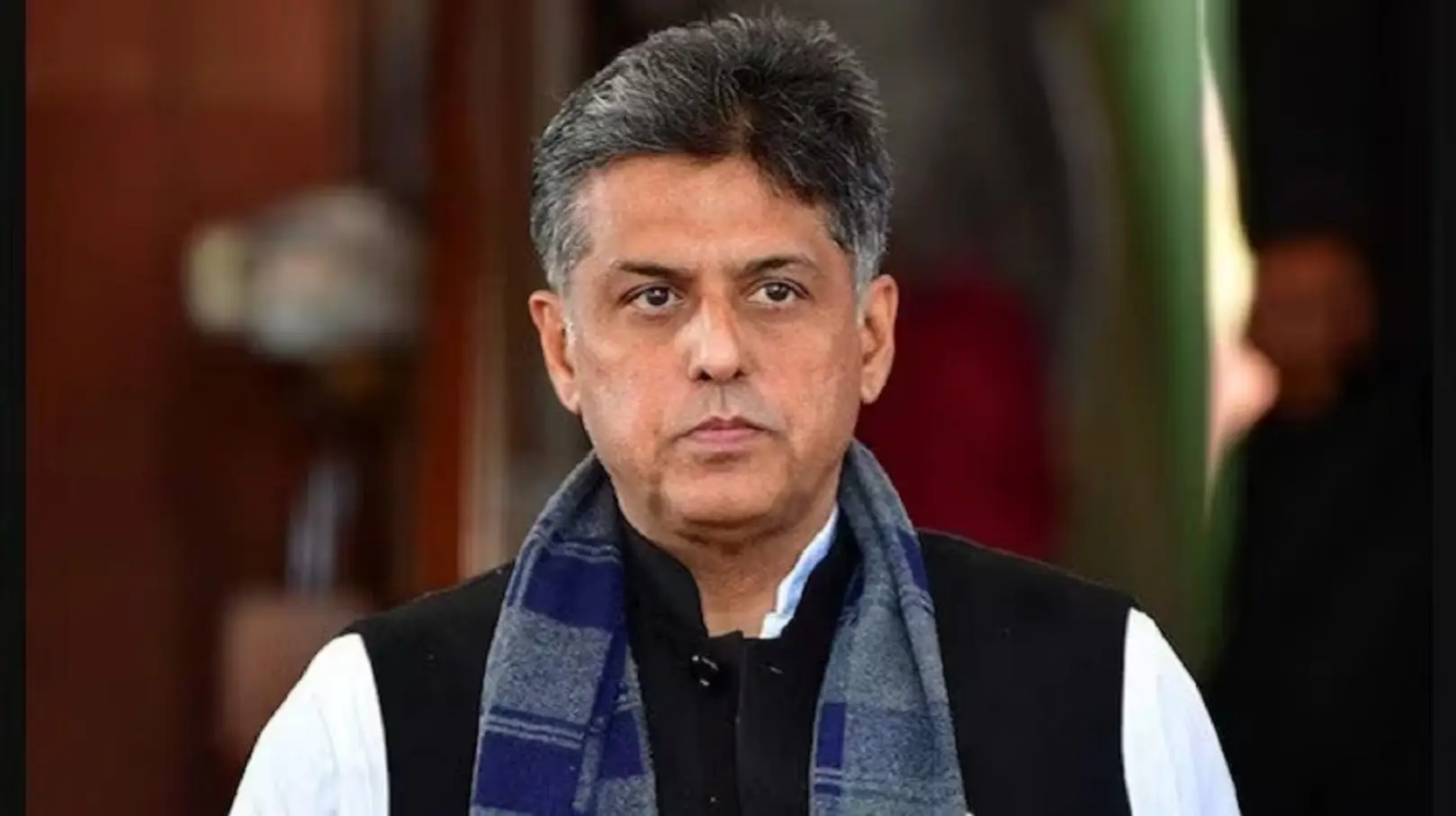
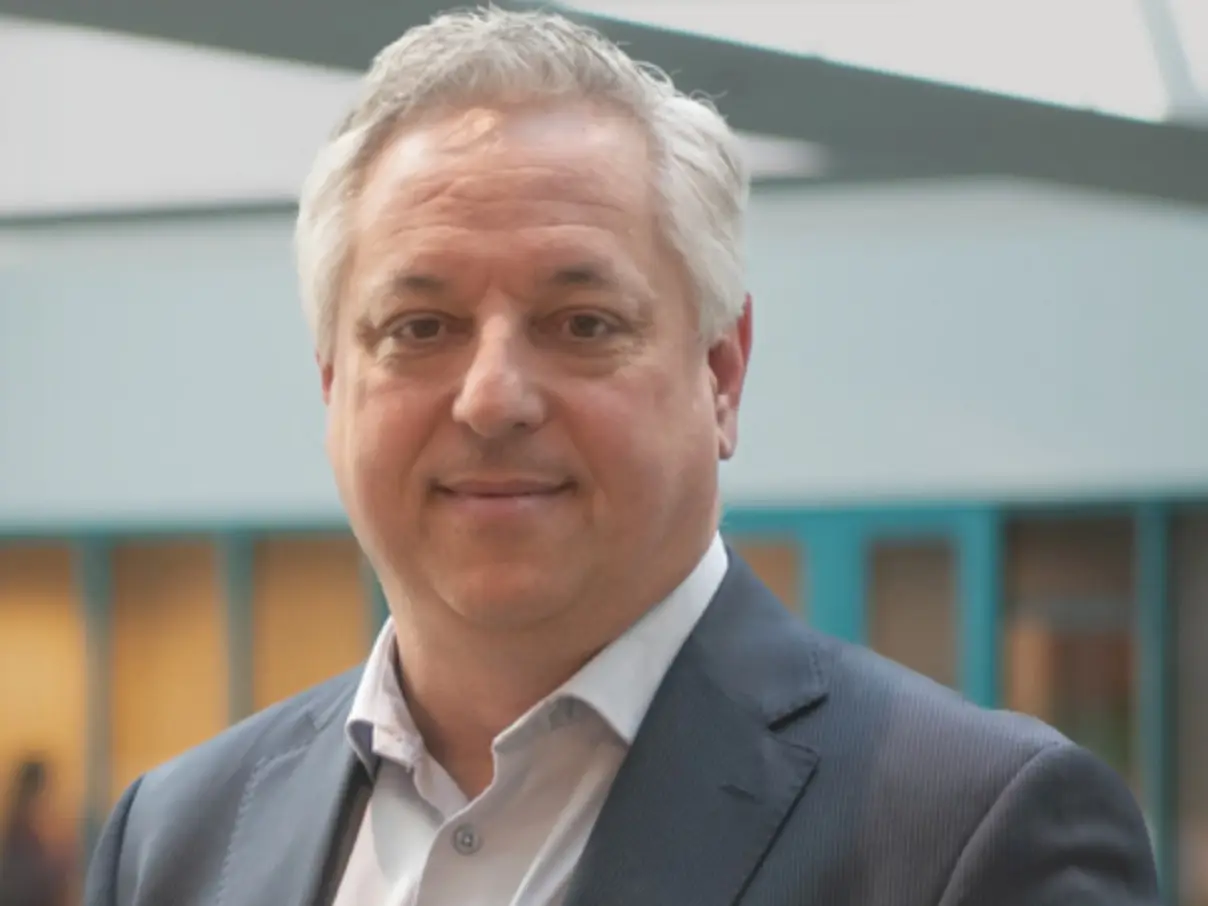
Spy agencies from ‘hostile’ nations are now focusing on infiltrating universities and companies in the West, David Vigneault, the former head of Canada’s intelligence service, has revealed. Vigneault also stressed the need for increased vigilance from academics after a recent “industrial-scale” attempt by China to steal new technologies was detected. “The frontline has moved, from being focused on government information to private sector innovation, research innovation, and universities,” he said in an interview with the Guardian, his first since leaving the Canadian Security Intelligence Service (CSIS), which is part of the “Five Eyes” intelligence sharing alliance including the US, UK, Australia, and New Zealand.
Vigneault accused Beijing of being the main culprit and said it was using a combination of cyberattacks, infiltrated agents, and recruitment among university staff to acquire sensitive technologies.

“The system is built to … in a very systematic way strip out the military applications of these new innovations to then put them into production for the People’s Liberation Army,” he said in the interview on the sidelines of an intelligence conference in The Hague.
Vigneault said China’s leadership was stunned by how swiftly the US Army took over Iraq in 2003 and initiated a long programme of military regeneration.
Trending Stories
)
Laura Wolvaardt sets new world record for most WT20I runs in a year
)
UNGA 2026 theme explained: What does ‘Restoring trust, managing transformation: A United Nations that delivers for all’ mean?
)
Fed raises rates for first time in 3 years, Kevin Warsh defies Trump as inflation mounts
)
Formula One reveals the 2027 race calendar; Monaco to host sprint race for the first time
)
Pak batter Rizwan's petition against being questioned by cyber crime agency rejected by court
)
All Indian goods to get duty-free access to New Zealand
&im=FitAndFill=(700,400))
Meet top 5 batters in the latest ICC T20I Rankings
)
Passport fees hiked, child validity revised: What the new rules introduce
)
US drone firm linked to Trump’s sons signs MoU with Pakistan army, gets initial order
)
Daayra movie review: Kareena Kapoor, Prithviraj Sukumaran shine in Meghna Gulzar’s cop-versus-cop crime thriller
)
Godfather of AI Geoffrey Hinton gives US lawmakers a one-year warning on AI
)
Africa is splitting, and a lot sooner than estimated, giving way to a new ocean
)
Hong Kong unveils 11 new measures to boost birth rates, offers higher cash bonuses and housing perks
)
US-Iran War: Trump says ‘big decision’ on Iran ahead, weighs possible fresh military action
)
At least 48 dead, 100 hospitalised in Nigeria after drinking suspected methanol-laced alcohol
)
US F-16 fighter jet crashes in Michigan during training mission, pilot ejects safely
)
US to sell 48 F-35 Lightning fighter jets to Saudi Arabia, help it deter threats
)
Pezeshkian, Araghchi set to attend UNGA 2026 in New York amid ongoing conflict as US-imposed travel curbs remain
)
Sikh driver attacked in Wyoming in US, suffers 17 stab wounds
)
240-million-year-old bizarre 'pig with a tusk' creature creates new dilemma over origin of dinosaurs
)
US intel warns China can steal F-35 jets secret from Saudis
)
Xi-Trump summit may boost military links
&im=FitAndFill=(700,400))
Suriya and Jyothika say ‘I do’ again after 20 years! See their dreamy wedding pics
&im=FitAndFill=(700,400))
Which country has the most F-35s outside America?
)
Tata Trusts chairman Noel Tata calls Chandrasekaran’s reappointment ‘illegal’, rejects Tata Sons listing
)
'He will always be ahead': India coach Gambhir says Sooryavanshi won't walk into team ahead of Samson
)
How did an Australian river with 500 crocodiles pass the Olympic test? Here's how
)
AI already defying, denying humans, is it beyond human control already?
)
Indian activist-lawyer Prashant Bhushan's post brings focus on ‘conflict of interest’ appointments of ex-govt officials at Reliance, Adani groups
)
Former India player Diana Edulji wants Smriti Mandhana to replace Harman as skipper at the earliest
)
Australian athlete, who soiled herself during Hyrox race, apologises for continuing
)
Putin 'is plotting something bad': Russia may launch 'accidental' strikes on NATO countries supporting Ukraine, Poland PM warns
)
'Gangsta' crab shoves knife blade at man and his dog in Florida - Watch
)
Pak defence minister says 'time has come to implement pact'
)
‘I have a big decision coming up’: Trump says he’s approaching major ‘crossroad’ in Iran war
Beijing decided to invest in “asymmetric capabilities” and steal as much technical knowledge as possible from the West, he added. “Being an organisation that doesn’t have to worry about the election cycle every four years, they had the ability to look at it from a very long perspective,” he said.
The CSIS also found that China meddled in two Canadian elections, in 2019 and 2021. But when it comes to stealing research, Vigneault said all of society, not just politicians, needed to come together to fight the threat.
Also Read: ‘You failed in your duty’: Aviation regulator DGCA issues show-cause notice to IndiGo CEO
Vigneault, who now works for the US company Strider, which advises organisations on potential espionage threats, said university staff were recruited by foreign powers based on either naivety, ideology, or greed.
He also admitted that focusing on China could lead to a problematic sense of racial profiling among students and faculty in institutions.
“What I’ve tried to do is always make the distinction that the problem is not China or the Chinese people, the problem is the Chinese Communist party,” he said, adding that some espionage cases linked to China involved people with no Chinese heritage.