&imwidth=800&imheight=600&format=webp&quality=medium "Cong’s Manish Tewari moves bill to free MPs from fear of ‘whip’, for good law-making")
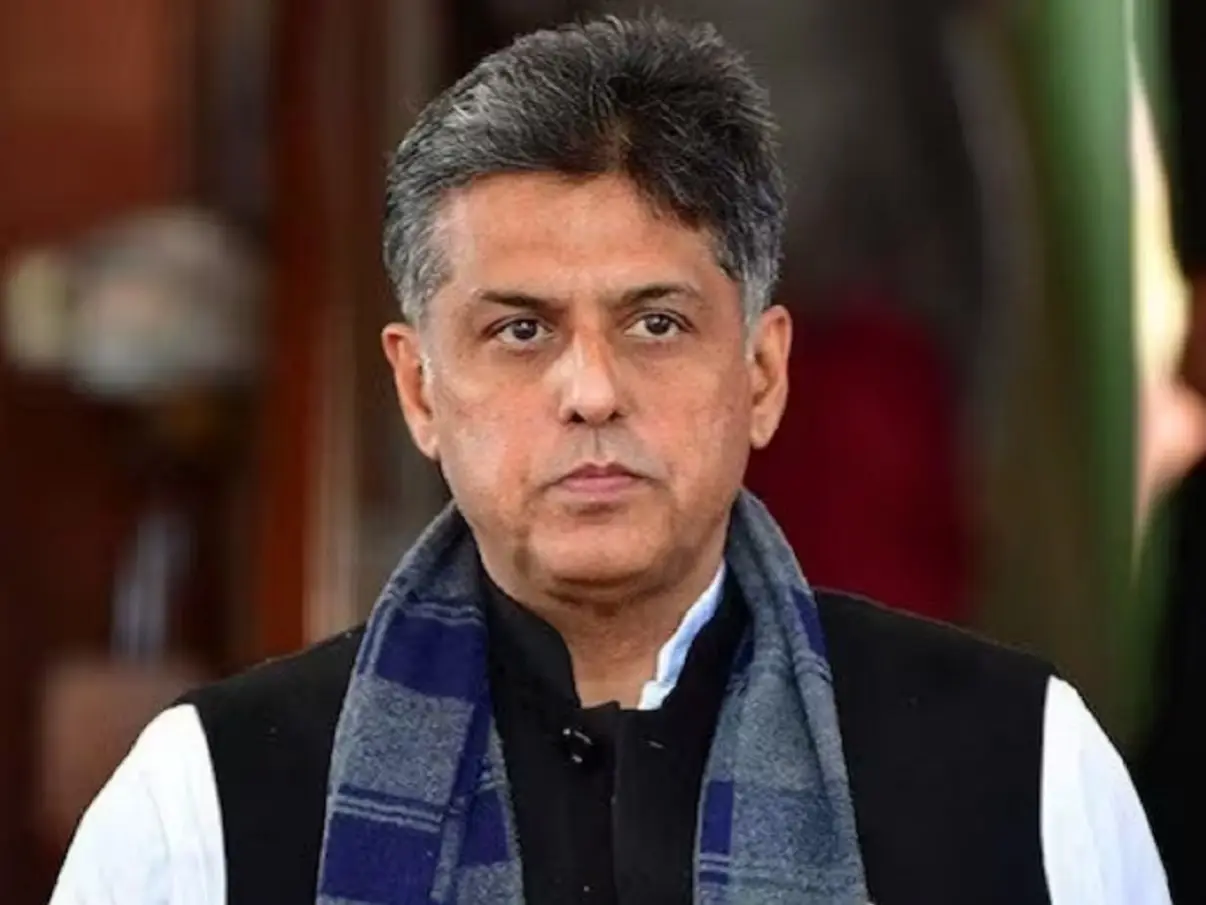
Senior Congress leader and Lok Sabha member Manish Tewari wants freedom for the members of Parliament and legislatures in voting on bills and motions instead of the compulsion of toeing the party line. Tewari moved a private member’s bill with the proposition in the House during the ongoing winter session. As of now, members of the parliament who get elected after contesting on party ticket have to vote as directed by their party through a formal note—called the “whip”. The private bill proposes legislation for amending the anti-defection law to remove the compulsion. Tewari said the bill is his attempt to free lawmakers from “whip-driven tyranny”, and promote “good lawmaking”, while the exceptions would include trust votes, adjournment motions, money bills and other such matters “affecting the government’s stability”.
The Lok Sabha MP from Chandigarh said the bill seeks to stress who has primacy in a democracy: “The elector who stands in the sun for hours… or the political party whose whip the representative becomes the helot of?”

Private member’s bills generally do not get passed, and Tewari has introduced this for the third time after 2010 and 2021, but his independent line is crucial at a time when the Congress has faced a string of electoral losses and there are noises of some internal rumblings in the party.
Also Read: ‘You failed in your duty’: Aviation regulator DGCA issues show-cause notice to IndiGo CEO
Over the years, Tewari has often taken a different stance from his own party on many issues and had also participated in the Narendra Modi government’s global outreach after Operation Sindoor against Pakistan.
Trending Stories
)
Historic first: ‘Ganga aarti’ performed on River Thames in London
)
China discovers vast gold and silver 'mine' in the Pacific with unheard-of deposits
)
China thinned Himalayan troop presence in 2025, India defence report says; terms border situation 'stable'
)
Who really benefits from the BRICS bank? Inside the New Development Bank's $43 billion portfolio
)
Turkish Airlines plane flies through a storm three times, triggering severe turbulence
)
‘Want to reset ties with India, have engagement based on mutual interests,’ says Bangladesh minister
)
Did India risk its US trade deal despite softer stance at BRICS?
)
Baba Vanga's first prophecy for 2027 is out, and straight out of science fiction
)
Nigerian Navy seizes 10,000 litres of suspected illegal fuel in Rivers State crackdown
)
Plane carrying prominent figure crashes at Libya’s Misrata airport: Report
)
Russia proposes to build 360 kmph Ivolga FG trains in India: What happened on sidelines of BRICS
)
Indian importers urge Bangladesh to lift export ban on 'Hilsa' fish ahead of Durga Puja
)
Scotland, Wales & Northern Ireland push for exit from UK | Race To Power
)
Saudi Arabia discovers 110 million tonnes of Uranium-rich ore in Madinah region
)
Extreme warming in Indian Ocean added 695 billion tons of ice to Antarctica ice sheet
)
US court blocks Trump administration move ending automatic H-4 EAD extensions for seven spouses
)
Liam Neeson sparks romance rumours after holding hands with Stella Stocker at TIFF 2026
)
Trump downplays China's alleged 'help' to Iran in strike on Jordan base | Gravitas
)
Photographs, LeT labels vanish from two 2008 Mumbai attack entries in Pakistan’s most wanted list
)
Meghan Markle shares first glimpse of family life with Prince Harry and children in UK
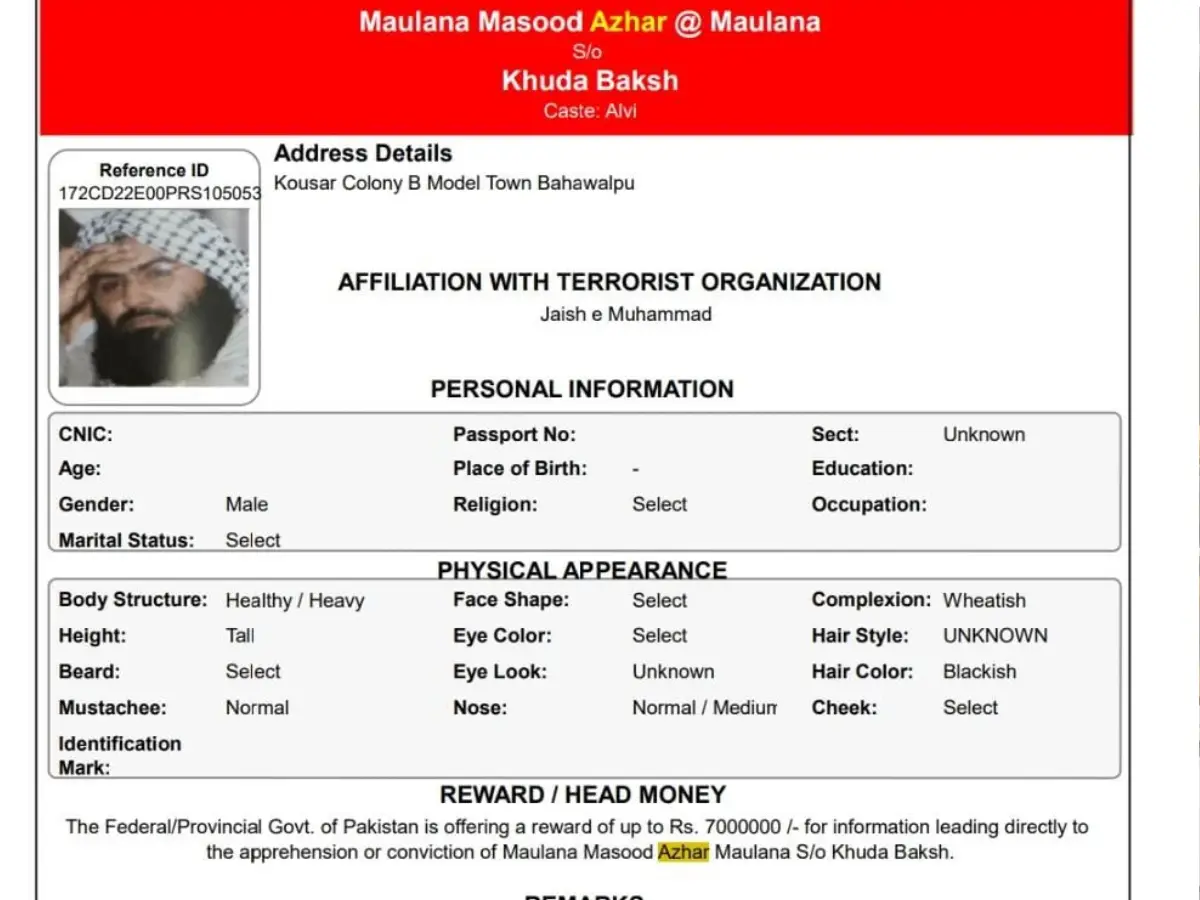)
Pakistan puts Pak Rs 70 lakh bounty on UN terrorist Masood Azhar; move draws skepticism in Delhi
)
Woman removes all her clothes on American Airlines flight, performs 'indecent acts'; arrested
)
Ecstasy tablets are rage in 'drug haven' Libya | Gravitas
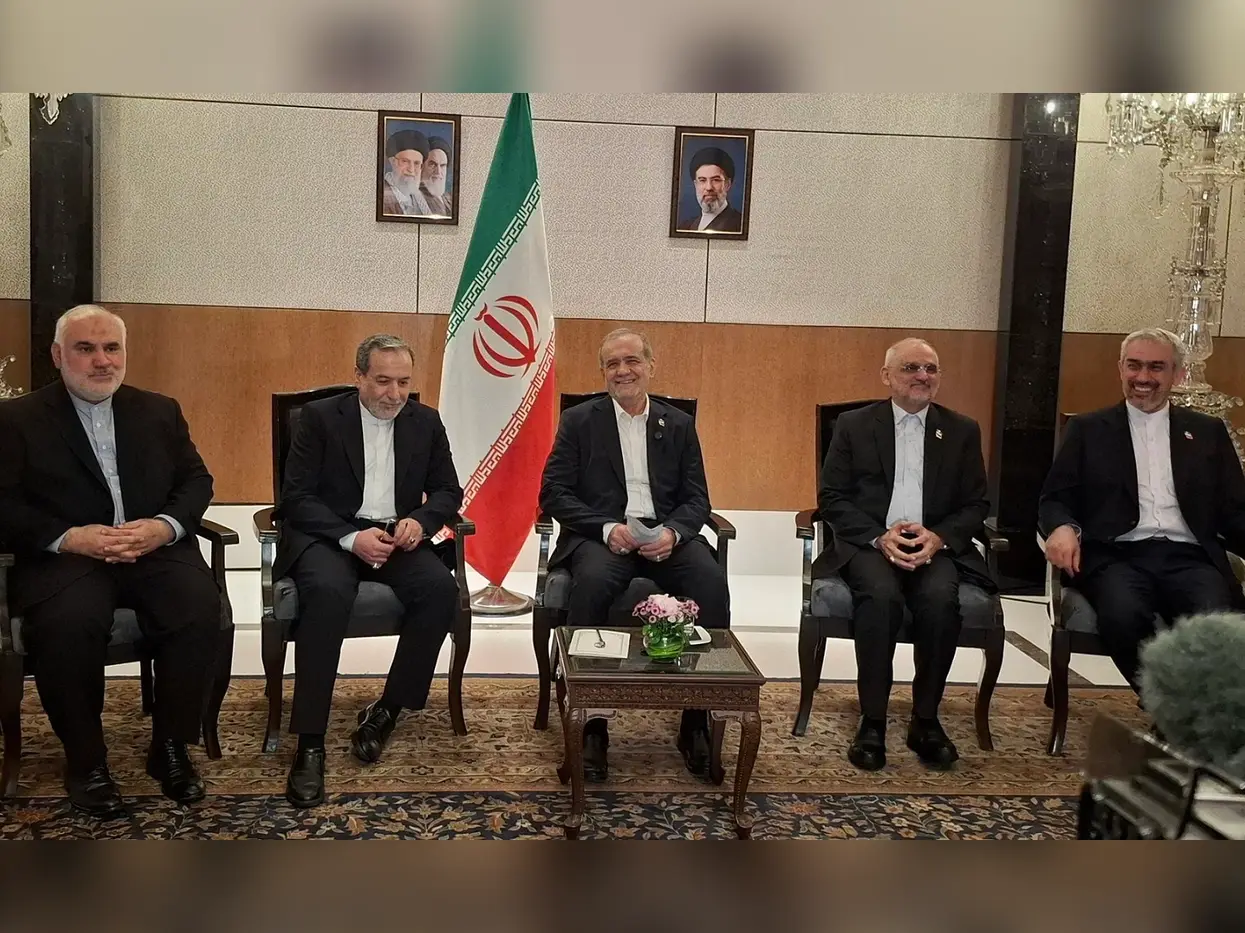)
Iran, India agree to deepen humanitarian and political ties, President Pezeshkian says
)
‘Let’s go’: Newly declassified videos show dramatic rescue of US Air Force officers downed in Iran
&im=FitAndFill=(700,400))
New OTT releases this week (September 14-20, 2026): Lust Stories 3, Waiting Hai, Irumudi- 5 new titles coming on Netflix, Prime Video and more
)
'Huge destructive power': North Korea calls its latest missile launches 'live-fire drill' even as US dismisses 'immediate threat'
&im=FitAndFill=(700,400))
Why Chinese PL-15 air-to-air missiles use dual-pulse motors compared to European interceptors
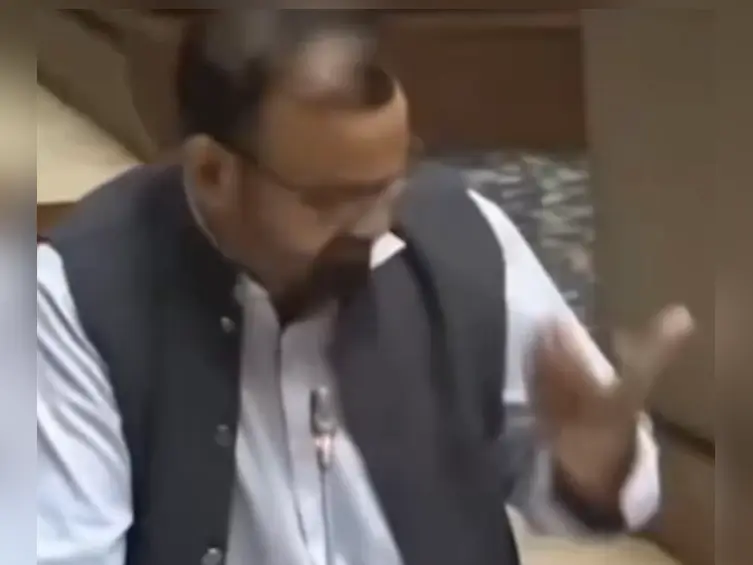)
Video of Pakistani lawmaker struggling to read English tribute to Jinnah goes viral - WATCH
)
‘US ensuring global energy supplies’: Trump demands reimbursement for securing Strait of Hormuz
)
Sent home midway from UK tour, Pakistan's Salman Agha hits 300* in domestic return
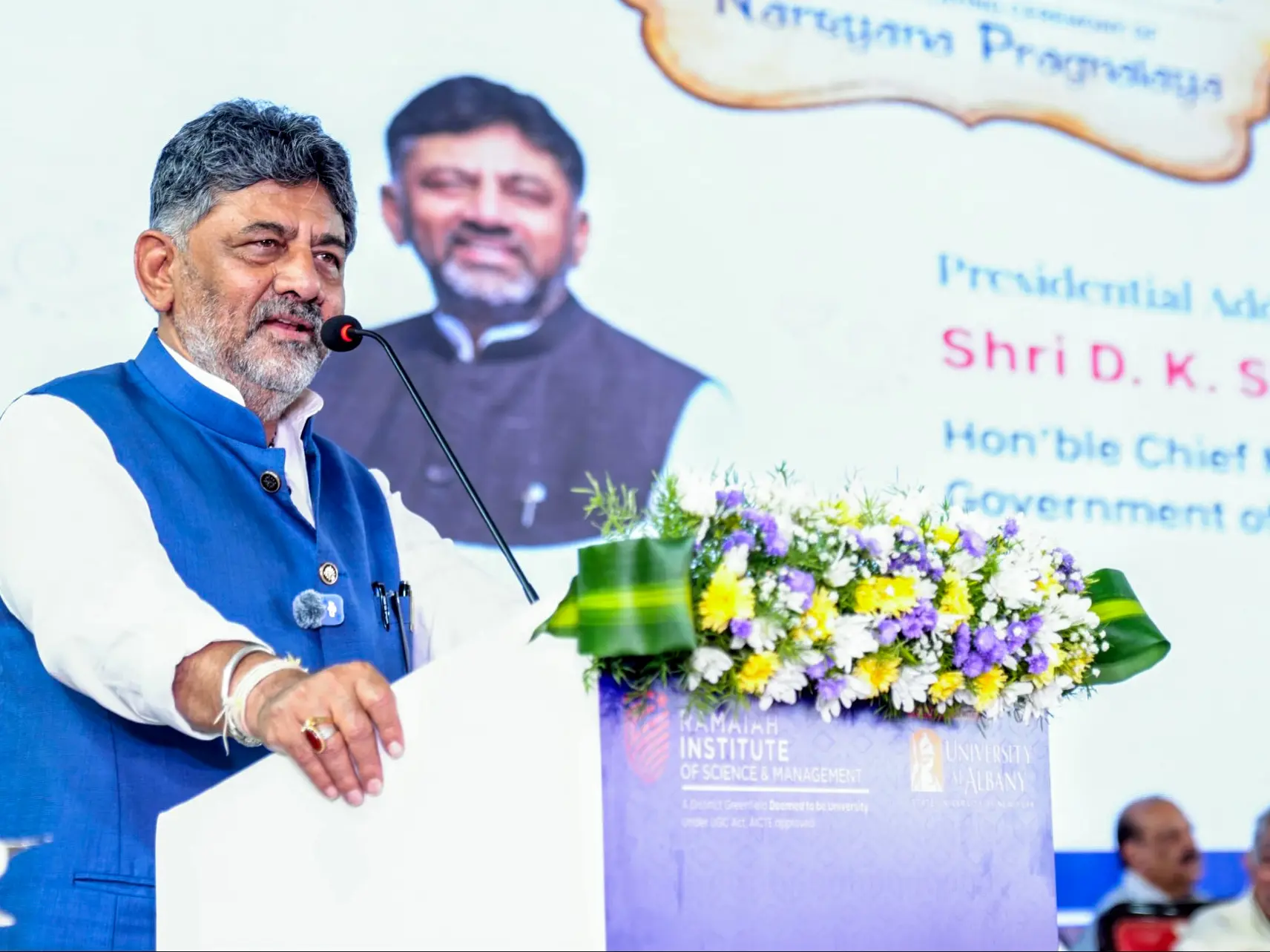)
'Now Trump is copying us': Shivakumar links US $5,000 plan to Congress guarantees
&im=FitAndFill=(700,400))
Why European Meteor missiles use ramjet engines compared to standard US solid rockets
)
UK man admits drugging, raping wife for 20 years in shocking abuse case
)
800 million years old - Scientists discover 'fingerprints' of supercontinent Gondwana in ancient rocks
“This bill seeks to return conscience, constituency and common sense to the echelons of the legislature,” Tewari said while speaking to the news agency PTI.
‘Party whips turn lawmakers into lobotomised numbers’
Whips turn lawmakers into “lobotomised numbers” and “dogmatic ciphers”, he said.
“Laws are often pushed through without discussion. The reason for this, is that parliamentarians do not see a role for themselves in lawmaking,” he said.
“So, the law is made by some joint secretary in some ministry; it is brought to Parliament, where a minister reads out a prepared statement explaining what it is; then it is put to a pro forma discussion,” the MP said.
“And then, as a consequence of a whip-driven tyranny, those on the treasury benches invariably vote for it, and those on the Opposition benches vote against it,” he remarked.
‘Defections have become a mega mall activity after 2014’
“From 1950 to 1985, MPs and MLAs, whips carried no coercive consequences,” he added. The whip tyranny started after the start of the trend of defections in 1967, called “Aaya Ram Gaya Ram” when one legislator in Haryana switched sides “eight times in one day”.
“Almost 18 years later, then prime minister Rajiv Gandhi brought the anti-defection law as the 10th Schedule to the Constitution of India,” he said.
“It has been 30 years, the anti-defection law, however well intended it may be, has not been able to check the menace of defection.”
He said defections became “a retail activity in the 1960s, a wholesale activity by the 1990s; and by the 2000s, especially after 2014, a mega mall activity”.