
&imwidth=800&imheight=600&format=webp&quality=medium "Scientists say Canadian fault line dormant for 40 million years is stewing, warn of major earthquake")
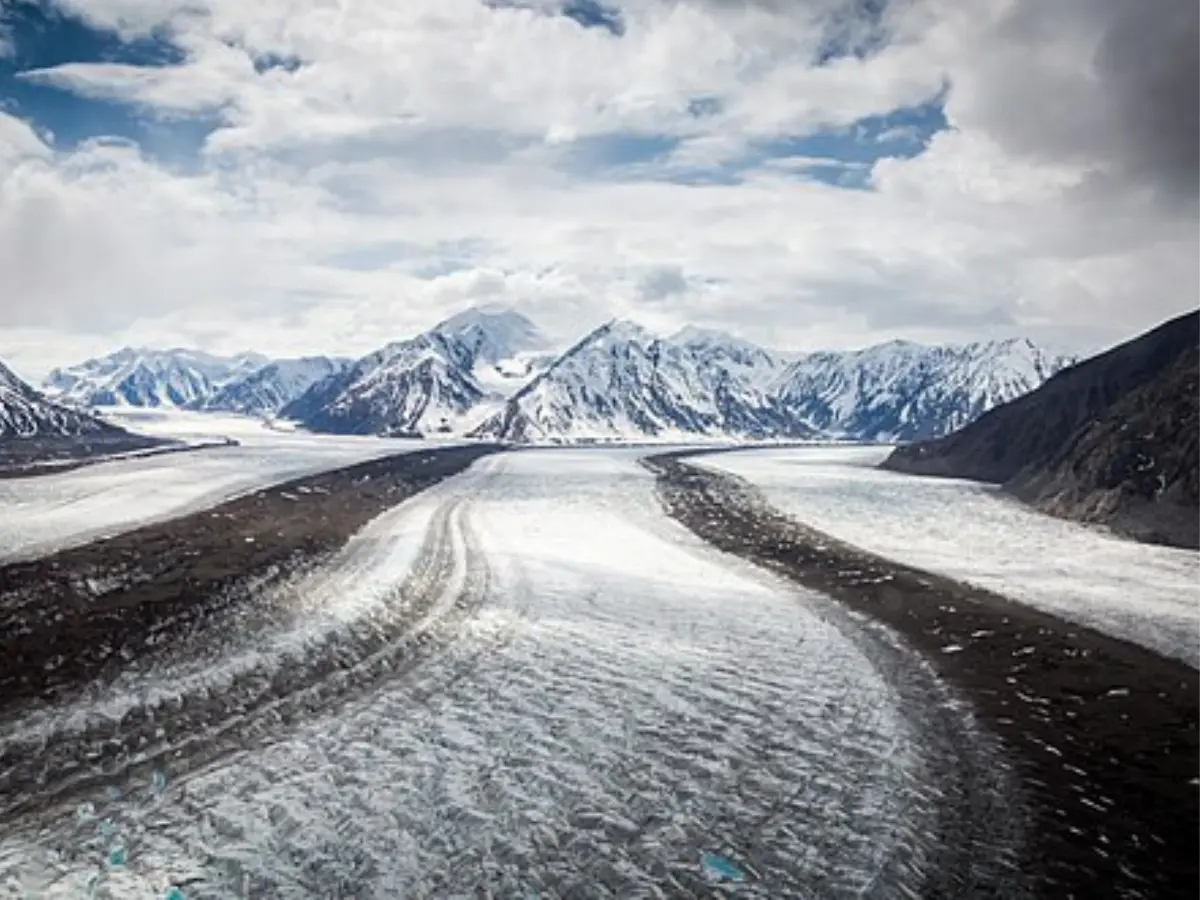
Scientists have warned that a fault line in Canada that has been lying dormant for years is showing signs of seismic activity and can trigger a massive earthquake. A study conducted by the University of Victoria (UVic) states that this threat lies in northwestern Canada’s Yukon Territory. The Tintina fault stretches around 1,000 kilometres and cuts northwest. It has been believed to be quiet for over 40 million years. But researchers from the university say that a 130-kilometre portion of the fault near Dawson City likely witnessed a huge earthquake during the Quaternary Period, SciTech Daily reported. This spans from 2.6 million years ago to the present. They added that the fault line has also shifted sideways by a total of 450 kilometres during its entire lifetime. This was deduced after studying imagery taken by satellites, aircraft, and drones. Scientists believe that the fault line has been deceiving humans till now and holds the potential to trigger big earthquakes in the future. The study was published in Geophysical Research Letters. Also Read: Hawaii tsunami warning: Cruise ships sail off leaving 600 passengers behind following 8.7 magnitude Russia earthquake
Also Read: ‘Jumped out of a window’: Many in need of medical aid after Russia’s massive 8.8 earthquake
Tintina fault in Canada could be building pressure

Theron Finley, recent UVic PhD graduate and lead author of the article, says that they knew a few small earthquakes of magnitude 3 to 4 were detected along the Tintina fault in the past decades. However, there was nothing to suggest that it could cause major earthquakes. They decided to reexamine the fault line to see if that was still possible. "The expanding availability of high-resolution data prompted us to re-examine the fault, looking for evidence of prehistoric earthquakes in the landscape," he said. The way scientists learn about the chances of earthquakes in Canada is by looking at historical earthquake records, including Indigenous oral histories, archived documents, and readings from modern seismic networks. But these records are only a few hundred years old, while most faultlines can remain quiet for thousands of years. This meant that the Tintina fault could also be deceiving us. Also Read: Kamchatka, Russia earthquake today: The real reason this remote Russian region shakes so often
Clues that show Canada is due for a major earthquake
A feature called "fault scarps" passing within 20 km of Dawson City gave away the secret of Tintina. Fault scarps are linear features that are formed due to either large or shallow earthquakes because of the rupturing of the Earth’s surface. The researchers examined these scarps, which can stay in place for thousands of years. They run hundreds of kilometres long but are only a few metres wide. The study authors used "high-resolution topographic data from the ArcticDEM dataset from satellite images, as well as from light detection and ranging (lidar) surveys conducted with aeroplanes and drones" in the forested regions of Canada and detected a series of fault scarps in the area. Also Read: 'Ryo Tatsuki was right': 8.7 earthquake in Russia sets social media abuzz with Japan's Baba Vanga's prophecy
Trending Stories
)
IND vs JPN one-off T20I: India survive scare from Japan to win five-over a side match by 2 runs
)
Putin's United Russia party wins 355 seats in Duma election; 4 other parties cross threshold to enter parliament
)
AI models chose to harm humans to stop ‘pain,’ alarming study raises fresh safety questions
)
‘0% chance’: Nvidia CEO Jensen Huang dismisses AI extinction fears by 2030
)
Samay Raina-Mukesh Chhabra controversy explained: What happened over girlfriend joke on India's Got Latent?
)
Trump's helipad event overshadowed by audio failure as major TV networks suspend pool coverage
)
'Needs time away from the international scene': England white-ball captain Brook on pacer Brydon Carse's future
)
New Zealand farms shift to carbon forests: Carbon credits fuel a land rush reshaping rural life
)
Anti-AI activists storm summit, say 'incompetent' leaders are leading us into a disaster - 'We need a vote'
)
Samsung raises Galaxy S26 prices by Rs 20,000: Here’s what each model now costs
)
J&K Assembly Session begins amid chaos: BJP, ruling alliance clash as statehood demand dominates
)
Asian Games 2026: India women's cricket team beats Sri Lanka by 147 runs for first gold
)
Key accused in Bihar's Jamui molestation case, arrested after police shoot him in leg
)
Randeep Hooda arrives in Gujarat for his first National Film Award: ‘Very grateful’
)
US and China vie for AI dominance as calls grow for regulation | Gravitas
&im=FitAndFill=(700,400))
Anant Nag to recieve Dadasaheb Phalke Award: From Ankur to Nishant- Revisit his best films and iconic performances on OTT
)
FIFA chief Infantino wants to reform governing body with consultation from federations
)
The Verdict | The Mecca Agreement is under scrutiny as Houthis attack Saudis
)
India at UNGA81: Jaishankar warns global order under 'growing stress', pushes for ‘reformed multilateralism’
)
Raaka creates history! Allu Arjun’s film secures Guinness World Record ahead of release
)
Saudi Arabia exits China-led mBridge digital currency platform amid Saudi-Houthi conflict
)
'Lot of things to learn from experienced players': Jayasuriya backs Rohit, Virat for 2027 ODI World Cup
)
$110 billion Warner Bros merger: Paramount reaches settlement with 12 US states
&im=FitAndFill=(700,400))
New OTT releases this week (September 21-27, 2026): Shaque: Trust No One, Hunkkaar, Don’t Be Shy- 5 new titles coming to Netflix, Prime Video and more
)
From ‘communist’ to ‘great mayor’: Trump praises Mamdani after New York meeting, discusses immigration and housing
)
Report: Zelensky meets CIA chief Ratcliffe at Shannon airport, weeks after his secret Moscow trip
)
How Zaheer Khan came to be CSK's head coach of IPL 2027
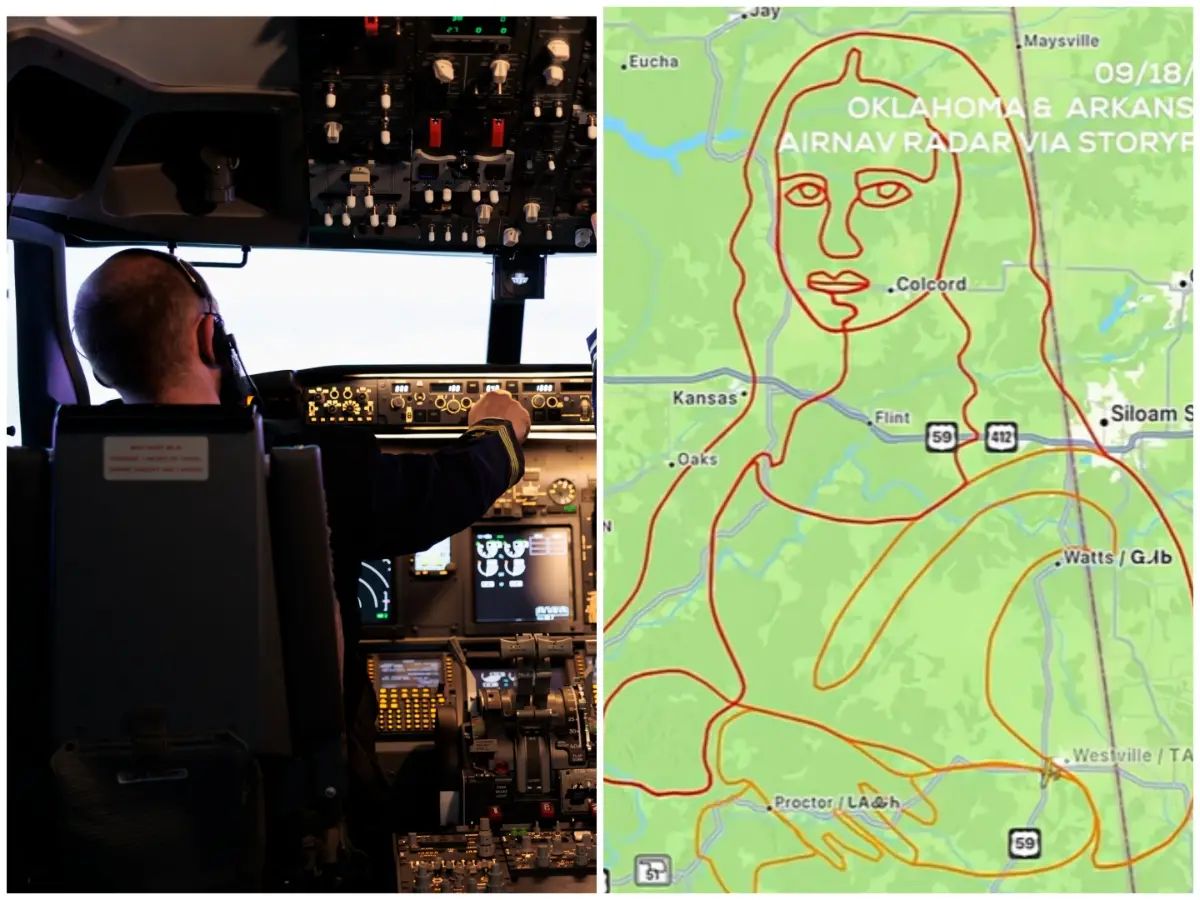)
Pilot recreates Mona Lisa in sky over Oklahoma and Arkansas in four-hour flight: VIDEO
)
UK PM Burnham agrees to 'defensive' military support for Saudi Arabia against Houthis
)
Jailer 2: Vidya Balan joins Rajinikanth's upcoming film as Kantha | Watch
)
Microsoft executive called AI training the ‘largest theft of labour in human history’
)
40-foot waves crash into cruise ship in dangerous stretch near Antarctica. Watch
)
US-Iran war, peace deals and more: What to expect from Trump's UNGA 2026 speech
)
Explainer: Why rare-earth export licences and Board of Trade are US priorities ahead of Trump-Xi summit
)
BTS fans mock iHeartRadio’s day 2 turnout after short set controversy
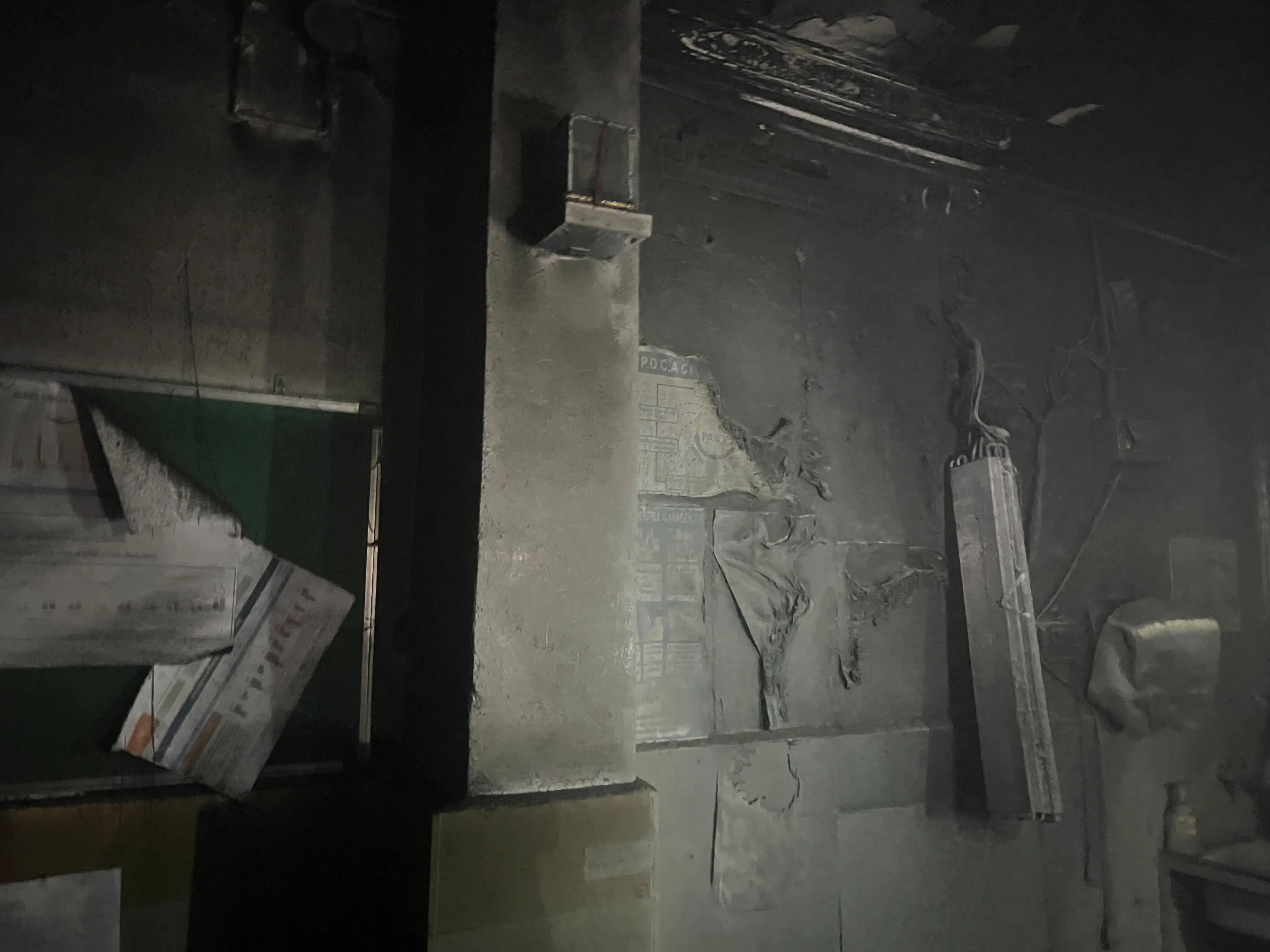)
Two infants die after fire breaks out at RIMS newborn care unit in Telangana's Adilabad
The glacial landforms, 2.6 million years in age, were observed to be laterally offset across the fault scarp by 1000 metres. The rest, which were 132,000 years old, were laterally offset by 75 metres. Scientists say that this finding confirms multiple earthquakes were triggered by the Tintina fault throughout the Quaternary period. Their findings also revealed that 12,000-year-old landforms have not changed because of the fault, which meant no major earthquake has occurred since then. “We determined that future earthquakes on the Tintina fault could exceed magnitude 7.5,” says Finley. He feels that the fault may be at "a relatively late stage of a seismic cycle," and considerable "build-up of strain, of six meters in the last 12,000 years" has likely happened. "If this were to be released, it would cause a significant earthquake."

