&imwidth=800&imheight=600&format=webp&quality=medium "Explainer: Why rare-earth export licences and Board of Trade are US priorities ahead of Trump-Xi summit")
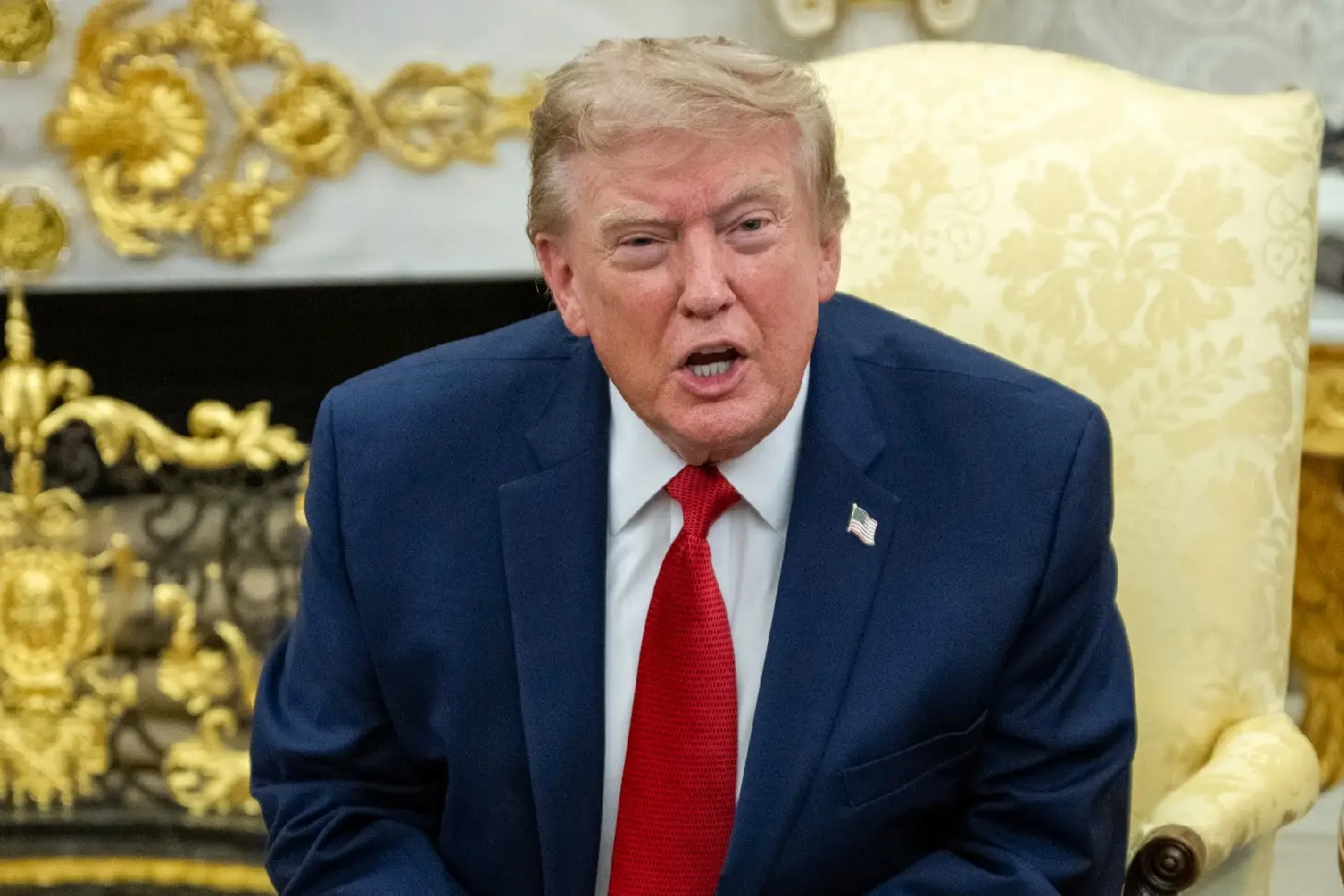
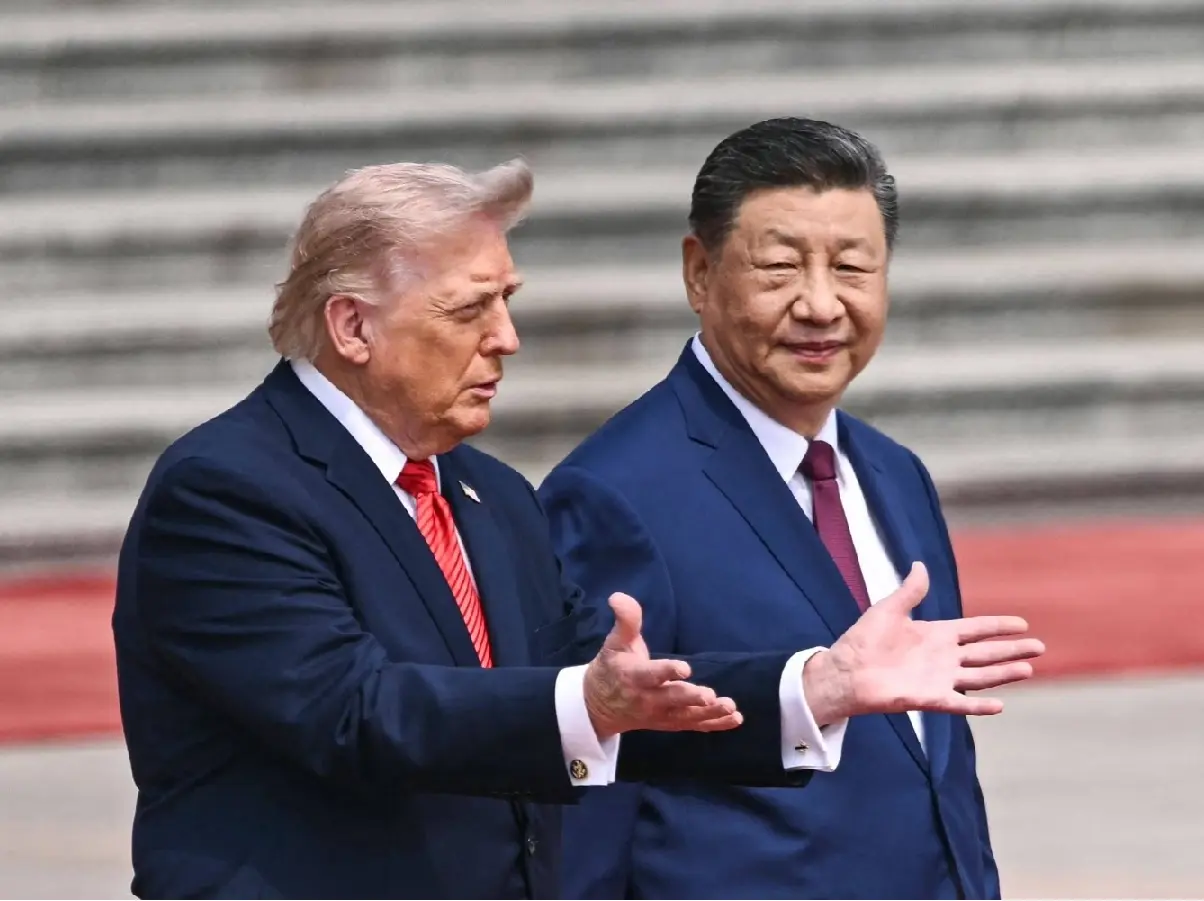
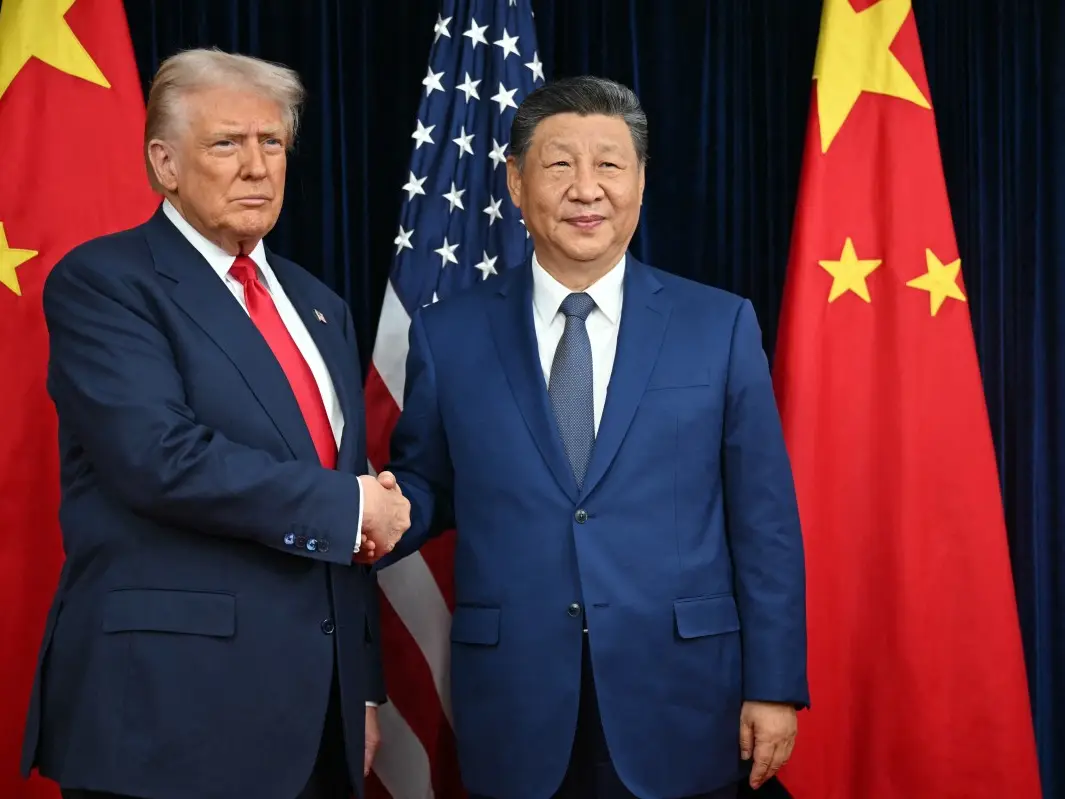
As US President Donald Trump prepares to meet Chinese President Xi Jinping, securing more reliable Chinese export licences for rare-earth materials and finalising an agreement to establish a bilateral Board of Trade have emerged as vital American priorities.
Both objectives are linked to a broader US goal of making trade with China more predictable while protecting American industries from supply disruptions.
Rare earths are particularly important because China controls approximately 90 per cent of global rare earth refining and nearly all processing of the heavy rare earths critical to the manufacturing of advanced technologies. Since April 2025, Beijing has used export licensing on elements like dysprosium, gadolinium, and yttrium as leverage in the broader tariff dispute.

Even after the May 2026 Beijing summit, China’s rare earth export regime remains largely unchanged.
While the US government is investing in domestic processing capacity, consequential diversification away from Chinese supply is expected to take years.
Trending Stories
)
AI kill switch explained: Why shutting down a dangerous AI may not be as simple as pressing a button
)
Putin's United Russia party wins 355 seats in Duma election; 4 other parties cross threshold to enter parliament
)
US ships in Indian Ocean ‘will be attacked’ if war resumes, warns Iran
)
Delhi Air pollution: Strict crackdown on waste burning
)
SNL UK takes aim at Ed Sheeran with AI Princess Diana sketch
)
‘0% chance’: Nvidia CEO Jensen Huang dismisses AI extinction fears by 2030
)
Samay Raina-Mukesh Chhabra controversy explained: What happened over girlfriend joke on India's Got Latent?
&im=FitAndFill=(700,400))
What TSMC's 2nm technology means for Apple
)
Trump says he'll build an 'AI Force' and appoint a czar, for 'high IQ' people only
)
'Were you here to sell chickpeas?': Wasim Akram criticises Babar Azam's captaincy
)
Apple reportedly building AI server with M8 Ultra chips, may use Nvidia technology
)
TIFF 2026: Theja Rio’s Angh wins Platform Prize, puts Nagaland story on global stage
)
Glitch in the matrix caught on camera: Woman vanishes after talking to reporter
)
Samsung raises Galaxy S26 prices by Rs 20,000: Here’s what each model now costs
)
Fleming's aspirations as England Test coach include WTC, top ranking and Ashes
)
J&K Assembly Session begins amid chaos: BJP, ruling alliance clash as statehood demand dominates
)
Trump-Xi summit: US Treasury Secretary holds meeting with Chinese Vice Premier
)
Bessent meets China’s He Lifeng to prepare for Trump-Xi summit
)
S Jaishankar, former Army chief among high-profile names issued Delhi SIR notices
)
CDU suffers historic defeat in eastern Germany as AfD surges, Merz vows to stay on
)
Iran sets 7 conditions to end war with US: What are Tehran’s demands?
)
Arvind Kejriwal, family members, Delhi CM Rekha Gupta get SIR notices
)
AI actress Tilly Norwood glitches mid-interview, switches from English to Chinese | Watch
)
Saudi vs Houthis: Houthis claim missiles & drones used in attack on key Saudi sites
)
Punjab man consumes poison outside DC office; Congress, BJP target AAP government
)
Saudi Arabia exits China-led mBridge digital currency platform amid Saudi-Houthi conflict
)
'Lot of things to learn from experienced players': Jayasuriya backs Rohit, Virat for 2027 ODI World Cup
)
Chancellor Friedrich Merz vows to stay on as exit polls signal major poll setback
)
Taylor Swift has a 'proud wife' moment as Travis Kelce scores first touchdown of season: 'That’s my husband!'
)
Several petrol pumps, other businesses to refuse UPI payments above Rs 2,000 from Oct 16: Is it legal?
)
Mahabharat actor Saurav Gurjar arrested in Hyderabad, sent to 14-day judicial custody in sexual exploitation case
&im=FitAndFill=(700,400))
New OTT releases this week (September 21-27, 2026): Shaque: Trust No One, Hunkkaar, Don’t Be Shy- 5 new titles coming to Netflix, Prime Video and more
)
Noel Tata challenges Chandrasekaran’s reappointment as Tata Sons chairman. What happened at the board meeting
&im=FitAndFill=(700,400))
Kareena Kapoor birthday special: Inside her net worth, best movies, luxurious lifestyle and love story with Saif Ali Khan
)
Pilot recreates Mona Lisa in sky over Oklahoma and Arkansas in four-hour flight: VIDEO
)
Delhi: Flagged voters remain on the draft roll but face hearings
)
China now makes advanced memory chips without the machines it was banned from buying
)
Maharashtra TET paper leak: All 18 accused arrested. How alleged Agra-to-Maharashtra racket unfolded
)
Jailer 2: Vidya Balan joins Rajinikanth's upcoming film as Kantha | Watch
)
Microsoft executive called AI training the ‘largest theft of labour in human history’
)
40-foot waves crash into cruise ship in dangerous stretch near Antarctica. Watch
)
Italy moves to ban face veils in schools as Meloni pushes new integration measures
Securing timely and dependable licensing is a make-or-break deliverable for US manufacturers in autos, aerospace, medical devices, and defence.
These materials are used in products ranging from electronics and electric vehicles to advanced manufacturing and defence equipment.
Rare earths have become a strategic leverage point for Beijing
Hence, these minerals have become a strategic leverage point for Beijing, especially after it restricted exports following previous trade tensions.
China introduced tighter export controls on several critical minerals during the recent US-China trade tensions. While some shipments subsequently resumed, delays and restrictions have continued to bother American and other foreign buyers.
As per reports, several Chinese rare earth suppliers have halted shipments to the US amid geopolitical tensions and fears of reprisals from Beijing, just weeks ahead of Xi Jinping’s visit to Washington.
The US has raised concerns over China’s compliance, particularly as the availability of critical materials like yttrium, indium phosphide, and tungsten used across military, aerospace, semiconductor, and medical industries remains tightly constrained.
Chinese rare earth shipments to Japan have dropped significantly, with terbium, gallium, and yttrium exports plummeting.
Industry bodies pushing for more transparent export framework
Industry bodies are pushing for a more transparent and predictable export framework to ensure stable access to these essential materials.
China also reduced exports to Japan and Germany, citing geopolitical tensions. Besides, China’s export control licensing system is reportedly being used to collect intelligence on Western supply chain dependencies, raising security concerns.
Also Read: Ram Temple donation theft caught on CCTV 105 times, charge sheet to be filed before Sept 25
Washington is also urging Beijing to relax rare earth export restrictions to Japan, which have disrupted global supply chains.
The two sides are also finalising the framework for a bilateral Board of Trade to identify non-sensitive goods for potential tariff reductions.
The US conceived the Board of Trade following broken promises of the past as Washington recognised China’s failure to follow through on previous purchase commitments and hence wanted a body of senior officials from both sides to oversee implementation and not trust verbal assurances alone.