United Airlines unveils plan to revive supersonic jet travel

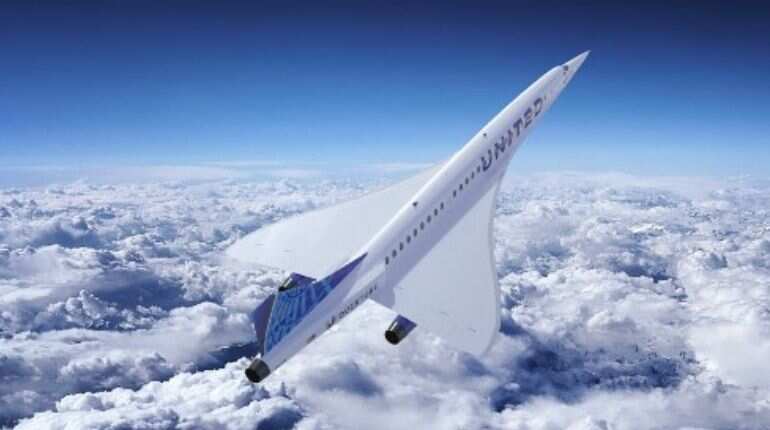
This undated artist rendering released by Boom Supersonic shows the company's supersonic airplane with the United Airlines logo.
UnitedAirlinesannounced plans to buy 15 planes from airline startup Boom Supersonic in a move that could revive the high-speed form of air travel after the Concorde was wound down in 2003.
Under the deal,Unitedwould purchase Boom's "Overture" aircraft once the planes meet "United's demanding safety, operating and sustainability requirements", with an aim to start passenger travel in 2029, the companies said in a joint press release on Thursday.
Also Read |United Airlines wants to bring back supersonic air travel

The announcement represents a potential comeback to a once heavily-touted method of travel, although some analysts expressed scepticism, particularly over the relatively speedy timeframe.
The agreement covers 15 planes and includes an option forUnitedto obtain another 35 aircraft. The companies did not disclose financial terms.
"It's an interesting idea, but there are a lot of questions," said Michel Merluzeau, an expert at consultancy AIR, who estimates that developing a new commercial jet that passes muster with regulators could cost $10 to $15 billion.
&imwidth=180&imheight=135&format=webp&quality=medium)
'I ended 8 wars': Trump slams Nobel Peace prize decision, claims award was his due
&imwidth=180&imheight=135&format=webp&quality=medium)
Adéla gives KATSEYE’s Lara Raj and Megan Skendiel a shout-out at Fonda Theatre in LA
&imwidth=180&imheight=135&format=webp&quality=medium)
SC questions closure of 57 Delhi Metro stations, asks Centre to resume services in regulated manner
&imwidth=180&imheight=135&format=webp&quality=medium)
Why was CJP founder Abhijeet Dipke detained? What Delhi Police said
&im=FitAndFill=(700,400)&imwidth=180&imheight=135&format=webp&quality=medium)
Rakul Preet Singh birthday special: 7 times the Ramayana actress served glamorous looks
&imwidth=180&imheight=135&format=webp&quality=medium)
Flydubai co-pilot developed extremist views while studying in Australia: UAE prosecutors
&imwidth=180&imheight=135&format=webp&quality=medium)
'I am not going to be watching it': JD Vance on livestream of Nidal Hasan's firing squad execution
&imwidth=180&imheight=135&format=webp&quality=medium)
'Ouch!!! That must hurt': Kangana Ranaut hails Kamal Haasan's sharp reply to Elon Musk over Starlink row
&im=FitAndFill=(700,400)&imwidth=180&imheight=135&format=webp&quality=medium)
Happy Birthday Rekha: Watch these 7 evergreen Bollywood hits on Netflix, Prime Video and more
&imwidth=180&imheight=135&format=webp&quality=medium)
Delhi on high alert for CJP protest: Delhi police to use body cams to 'prove whether we did anything’; Pink Force, RAF, 35,000 personnel deployed
&imwidth=180&imheight=135&format=webp&quality=medium)
TCS leads tech gains, lifts market sentiment
&imwidth=180&imheight=135&format=webp&quality=medium)
All 22 Indian seafarers safe in attack on Panama-flagged tanker off UAE coast
&imwidth=180&imheight=135&format=webp&quality=medium)
Dhurandhar: The Revenge album submitted for Grammy consideration; But what does it mean?
&imwidth=180&imheight=135&format=webp&quality=medium)
'Modi is a dictator': Abhijeet Dipke claims govt 'scared' of youth, slams stringent measures ahead of CJP Jantar Mantar protest
&imwidth=180&imheight=135&format=webp&quality=medium)
Thai queen becomes first reigning monarch to fly jet solothailand #queen #wion
&imwidth=180&imheight=135&format=webp&quality=medium)
J&K Government orders major police reshuffle, transfers 100 officers across UT
&imwidth=180&imheight=135&format=webp&quality=medium)
Ryan Reynolds’ private messages reveal his blunt views on Justin Baldoni from Blake Lively’s legal case
&imwidth=180&imheight=135&format=webp&quality=medium)
‘Right to protest must be protected, but...’: Delhi Police reveals why it denied CJP permission for October 10 Jantar Mantar protest
&imwidth=180&imheight=135&format=webp&quality=medium)
Delhi protest: Metro curbs, train cancellations, traffic diversions as protesters seek CEC Gyanesh Kumar’s resignation

Kamal Haasan slams Elon Musk over Starlink delay row: 'Indian people, will decide our own future - not Western'
&imwidth=180&imheight=135&format=webp&quality=medium)
Trump honours Microsoft CEO Satya Nadella with top technology honour amid immigration scrutiny
&imwidth=180&imheight=135&format=webp&quality=medium)
Trump announces Russian diesel deal as Zelensky criticises move
&imwidth=180&imheight=135&format=webp&quality=medium)
New York protests erupt as Trump administration defends ICE shooting
&imwidth=180&imheight=135&format=webp&quality=medium)
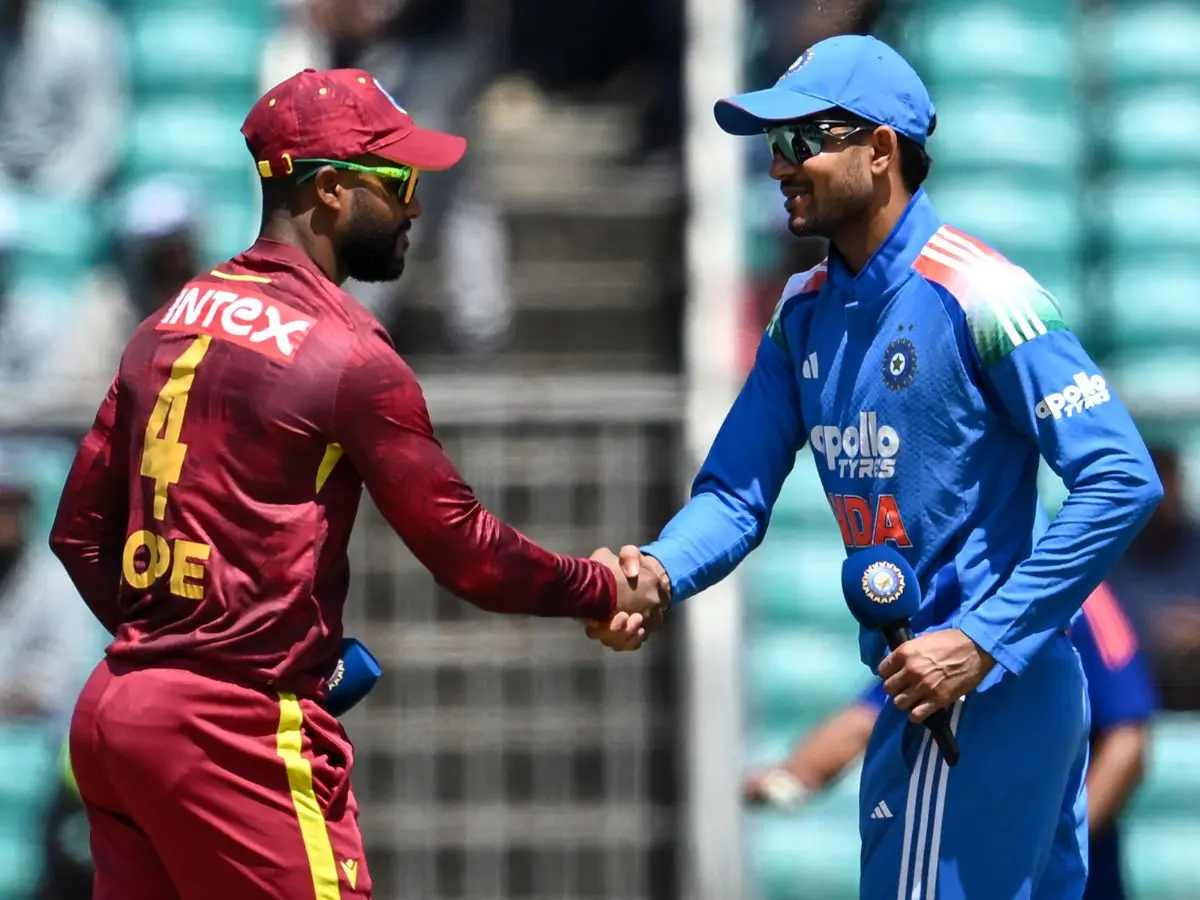
‘250? Cool.’: Shai Hope takes swipe at Shubman Gill’s Instagram caption after Ranchi T20I masterclass
&imwidth=180&imheight=135&format=webp&quality=medium)
Two-thirds of competitive GOP candidates split with trump ahead of November midterms
&im=FitAndFill=(700,400)&imwidth=180&imheight=135&format=webp&quality=medium)
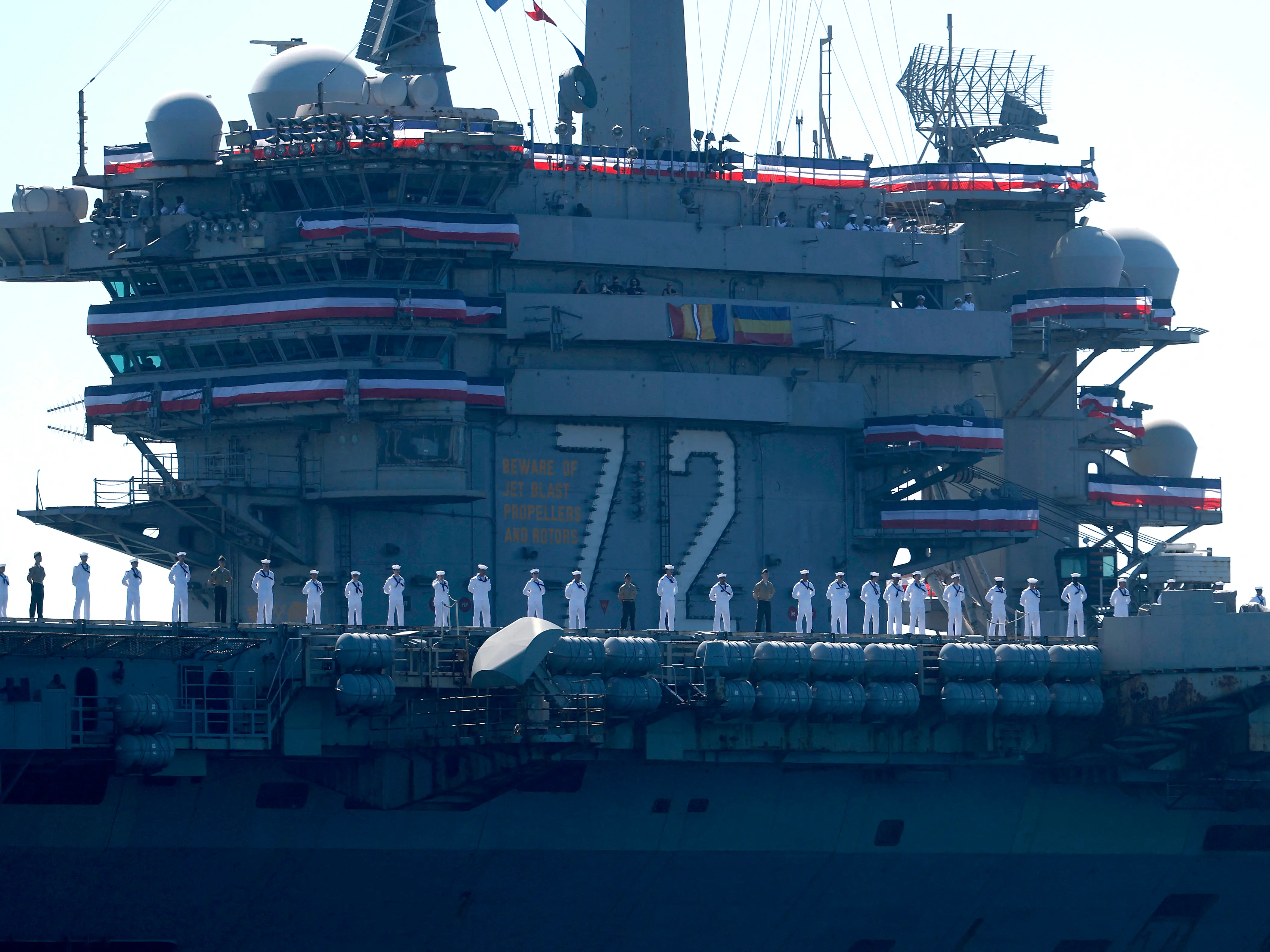
Food shortages, suicide attempts and more: USS Abraham Lincoln returns to US after 321 day deployment — What happened aboard the US carrier?
&imwidth=180&imheight=135&format=webp&quality=medium)
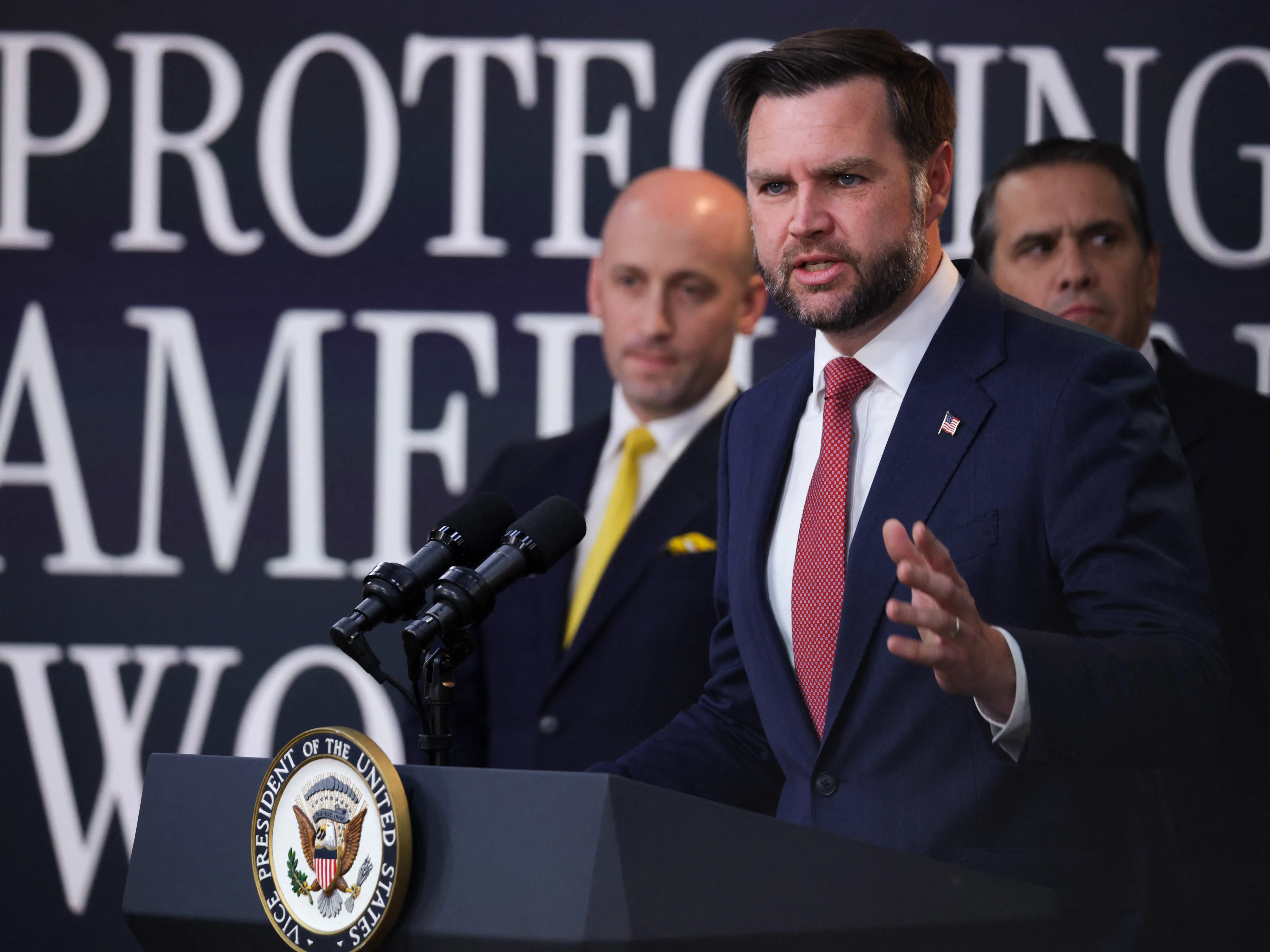
‘Never-ending flow of cheap labour’: JD Vance hits back at Indian-origin Congresswoman over US green card curbs for major tech companies
&imwidth=180&imheight=135&format=webp&quality=medium)
'Spent Rs 2,000 cr to elect Trump': Elon Musk bought US President's loyalty by writing the biggest political cheque in human history
&imwidth=180&imheight=135&format=webp&quality=medium)
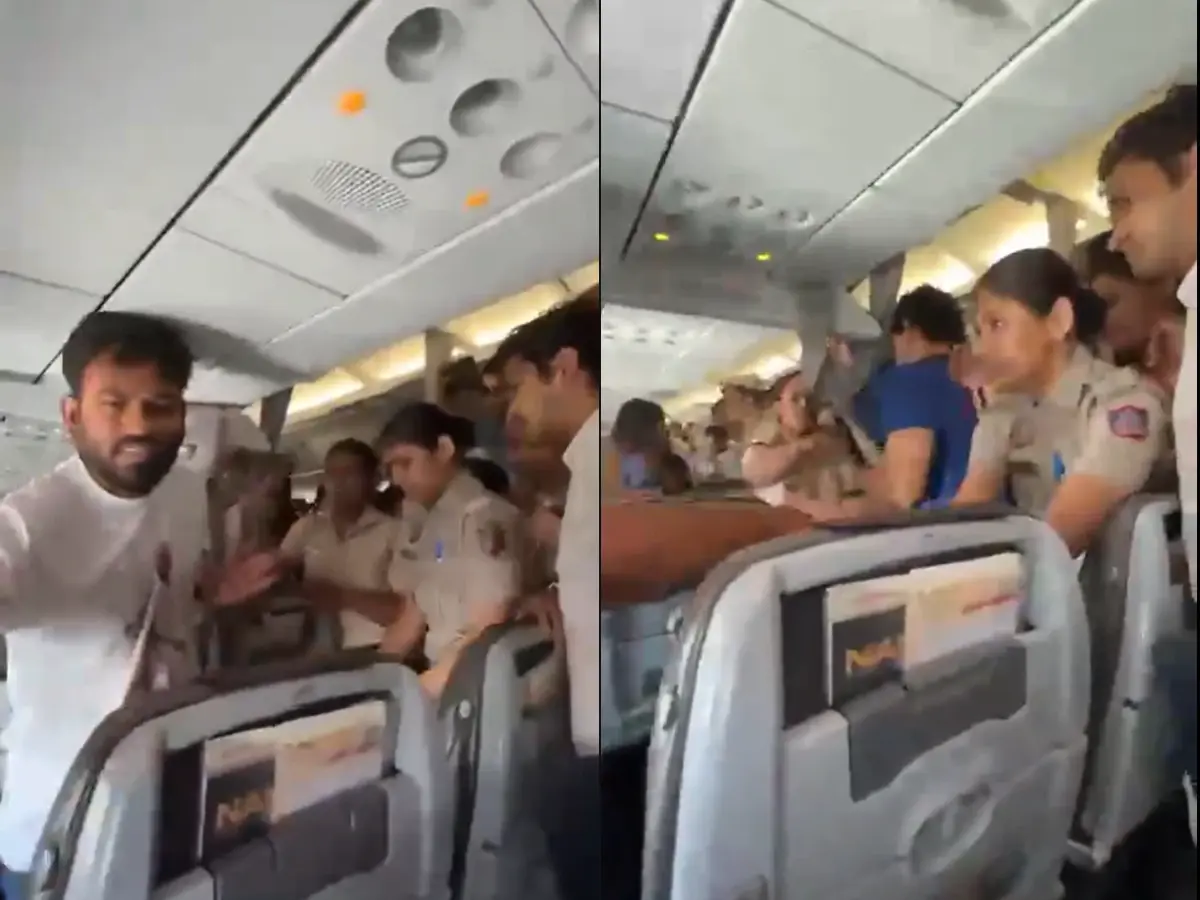
'Even Indira Gandhi didn't do this': Abhijeet Dipke, Saurav Das and Ashutosh Ranka detained from inside their flight | Watch video
&imwidth=180&imheight=135&format=webp&quality=medium)
Shreyas Iyer blames dew for West Indies' record run chase in 2nd T20I in Ranchi
&imwidth=180&imheight=135&format=webp&quality=medium)
Powerful 7.7 magnitude earthquake strikes Panama, tsunami warning issued
&imwidth=180&imheight=135&format=webp&quality=medium)
Ella Langley’s Oklahoma show abruptly cancelled over safety concerns after threat report
&imwidth=180&imheight=135&format=webp&quality=medium)
UK navy hit by espionage scandal: Sailor accused of spying for Russia | Gravitas
&im=FitAndFill=(700,400)&imwidth=180&imheight=135&format=webp&quality=medium)
New Friday OTT releases (October 9, 2026): Reporting Live, Animals, Take Charge of My Heart- 6 new titles coming on Netflix, JioHotstar and more
&imwidth=180&imheight=135&format=webp&quality=medium)
'Jantar Mantar not the story of India': BJP's Sambit Patra claims 'anarchists' tried to hold Delhi captive
&imwidth=180&imheight=135&format=webp&quality=medium)
Rahul Gandhi calls Modi, Shah ‘cowards’ amid CJP protest crackdown in Delhi
&imwidth=180&imheight=135&format=webp&quality=medium)
100,000 strikes in 3 years: How October 7 redefined Israel's war
&imwidth=180&imheight=135&format=webp&quality=medium)
Katie Zacharia likely to succeed Karoline Leavitt as Trump's White House press secretary
&imwidth=180&imheight=135&format=webp&quality=medium)
Pakistan denies reports of PAF jets being used in attacks against Iran-backed Houthis in Yemen
&imwidth=180&imheight=135&format=webp&quality=medium)
Panama president declares ‘major disaster’ after powerful 7.7-magnitude earthquake; over 80 aftershocks recorded
Also Read |Boom Supersonic jet Overture to begin test flights in 2021
"We need to be realistic about this," added Merluzeau, who sees 2035 or 2040 as a more likely target date for commercial service.
Merluzeau said it also was not clear whetherUnitedhad agreed to any payments or if the announcement represented an intention to purchase.
Boom's plane is capable of flying at twice the speed of leading aircraft now on the market, with the potential to fly from Newark to London in three and a half hours and San Francisco to Tokyo in six hours, the companies said.
The jets will also be "net-zero" in carbon use because they will use renewable fuel.
Comeback?
Commercial supersonic jet travel was introduced in the 1970s with the Concorde, but the jets were retired in 2003 due in part to the high cost of meeting environmental restrictions on sonic booms.
The Concorde's demise also followed a 2000 Air France accident that killed 113 people.
Also Read |Supersonic travel to return for first time since Concorde retired
The aircraft could fly at over twice the speed of sound, creating its famous "sonic boom" when it burst through the sound barrier.
Only the wealthiest passengers were able to afford the exorbitant ticket prices for the 100-144 seats on the aircraft, which was only ever used by Air France and British Airways.
Still, the technology is getting another look today as companies in theUnitedStates and abroad develop planes with lighter and more efficient composite materialsand new engine designs, according to a fact sheet from the Federal Aviation Administration.
Also Read |World's first pilotless supersonic combat drone on sale for $16 million
"Our mission has always been about connecting people and now working with Boom, we'll be able to do that on an even greater scale," saidUnitedChief Executive Scott Kirby.
Peter McNally, an analyst at Third Bridge, said faster flights could be appealing to business customers, adding "the key forUnited, American and Delta is business and long-distance travel."
Founded in 2014, Denver-based Boom Supersonic said it is also working with theUnitedStates Air Force on a military version of the Overture.
Also Read |India successfully tests Supersonic Missile assisted release of Torpedo
The company has thus far raised $270 million from investors, a spokeswoman for Boom said. Boom Supersonic's supporters include venture capital investors such as Bessemer Venture Partners and American Express Ventures, a unit of the credit card company.
Boom's chief executive and co-founder, Blake Scholl, a former Amazon staffer, has touted the venture as a way to meet consumer interest in an increasingly interconnected world.
"The story of Concorde is the story of a journey started but not completed and we want to pick up on it," Scholl said in July 2018 at an event held in parallel to the Farnborough Airshow.
Also Read |NASA's QueSST: The second generation supersonic planes
Jon Ostrower, the editor of the aviation publication The Air Current, said on Twitter thatUnited's order marked a shift in a long-term industry trend.
"The last timeUnitedordered supersonic aircraft, humans had yet to walk on the Moon," Ostrower said. "More than a half century later,Unitedis again focusing on speed, bucking the most consistent airline trend over the past 50 years: a desire to fly cheaper, not faster."
A competing startup for supersonic travel, Aerion, shut down in May after Boeing pulled the plug on its investment.
"We couldn't get there with respect to the market and with respect to the needed investment," Boeing Chief Executive dave Calhoun said at a conference Thursday, adding that the company reached a point "where we didn't believe in it quite as much as we thought we could."
Major new investments must have meaningful upside to work at Boeing, and "we don't have to be big on every form of air travel," Calhoun added.
(With inputs from agencies)