The growing importance of electronic warfare in the drone age: WION Exclusive

&imwidth=600&imheight=450&format=webp&quality=medium "The growing importance of electronic warfare in the drone age: WION Exclusive")
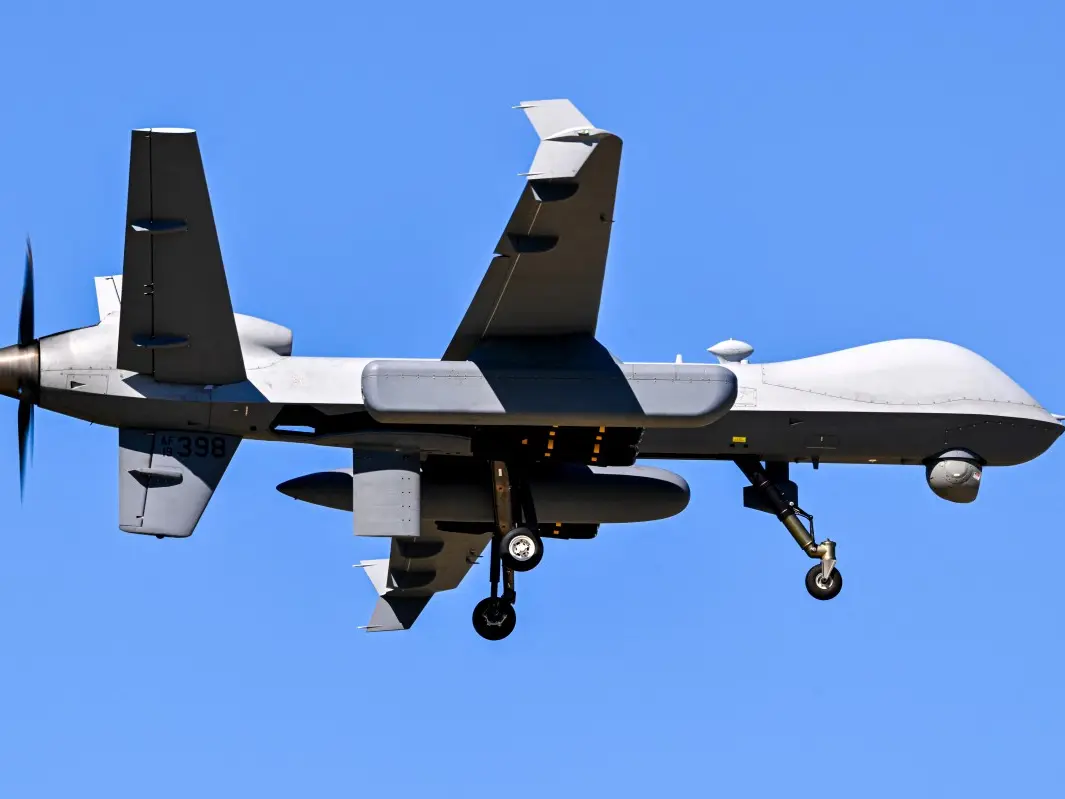
Representative image. Photograph: (AFP)
The rise of cheap, commercially available drone technology has fundamentally altered the calculus of conflict. Capabilities that once demanded expensive missile systems or manned aircraft can now be replicated with a few thousand dollars of off-the-shelf hardware.
With the advent of time in the drone age, electronic warfare has become considerably more capable than public commentary typically acknowledges. Along with electronic warfare, armour, fortifications, missile defences, electronic warfare and deception have preserved combat power by preserving the force’s freedom to act. This has not only prepared soldiers for potential war, but has also given the military a purpose: to preserve freedom of action through manoeuvrability and to fight in a way that imposes their will.
For over a hundred years, different nation always planned and built their militaries with quantity, equipping foot soldiers with body armour so that they could keep fighting even under direct engagement. Later, after armour got technically advanced, equipment to launch in the air or on land was fitted with heavier plating and active defence systems to keep moving while taking fire. In addition, Naval vessels were designed with multiple layers of missile defence so they could function in hostile waters.
Now, all the war from face-to-face or without human presence in the armour's launcher, it has shifted to drone technology, reshaping the modern battlefield. Defence industry leaders noted that electronic warfare has moved from a supporting function to a core pillar of national security.
In India, the push for indigenous technology has become central to staying ahead of the threat. The rise of cheap, commercially available drone technology has fundamentally altered the calculus of conflict. Capabilities that once demanded expensive missile systems or manned aircraft can now be replicated with a few thousand dollars of off-the-shelf hardware, giving smaller forces and non-state actors access to surveillance, precision-strike, and electronic-warfare capabilities once reserved for major militaries. Industry estimates peg the global military drone market to reach $80–90 billion in annual revenue by 2030.
Also read: WION Exclusive: How can energy productivity power India’s next phase of industrial growth
Experts on the rise of drone technology
Trending Stories
)
)
)
)
)
)
)
)
)
)
)
)
)
)
)
)
)
)
)
)
)
)
)
)
)
)
)
)
)
)
)
)
)
)
&im=FitAndFill=(700,400))
)
)
)
)
Reacting to the drone capabilities, "Amardeep Singh, Founder & CEO, Armory," The nature of modern conflict has changed, and the proliferation of drones is at the centre of that shift. What used to require expensive missiles or manned aircraft can now be achieved with a few thousand dollars’ worth of commercial hardware. Today's battlefield is defined by intelligent, low-cost, and highly adaptable unmanned systems capable of surveillance, targeting, precision strikes, and electronic warfare. The global military drone market is projected to generate annual revenues of USD 80-90 billion by 2030. As drones become more sophisticated through frequency-hopping communication, encrypted data links, GPS-denied navigation, and increasingly autonomous flight modes that do not rely on a live signal to the operator at all, counter-drone technologies must evolve even faster to catch up with it all. A hostile drone can go from being detected to causing damage in under a minute. Electronic Warfare systems have to detect, classify, and respond within that same narrow window, putting enormous pressure on the speed of decision-making architecture."
"Addressing these evolving threats requires complete ownership of the technology stack rather than dependence on imported subsystems. By designing, developing, and manufacturing our counter-drone systems entirely in Bharat, we, at Armoury, have built the agility to rapidly prototype, test, and deploy new capabilities based on real-time operational feedback. Our flagship system, SURGE, progressed from concept to a fully operational counter-drone platform in just six months, while our AI-driven operating architecture, Samaritan OS, enables autonomous threat detection, analysis, and precision response.
As India strengthens its defence capabilities, building sovereign electronic warfare technologies will be essential not only for safeguarding military assets and critical infrastructure but also for positioning the country as a global leader in next-generation defence systems. The future of drone defence will belong to nations that can innovate faster than the threats they face," Singh added.
Venkatesh Sai, Founder & CTO of ZUPPA Geo Navigation Technologies, echoed the sentiment about the drones, considering them more valuable and more dangerous after they grow more autonomous and widely accessible. He stated that modern defence forces can no longer rely on simply detecting an incoming drone; they need the ability to identify, track, analyse, and respond in real time. He noted that electronic warfare allows forces to monitor the electromagnetic spectrum and disrupt hostile signals without depending solely on conventional weapons, allowing them to skip unnecessary escalation.
Venkatesh Sai said, "The advanced evolution of drone technology has transformed the way nations approach security and modern warfare. Drones have become more intelligent, autonomous, and widely available, making them valuable assets on one hand and potential threats on the other. As this landscape continues to evolve, electronic warfare has become one of the most critical capabilities for ensuring mission success and national security.
In today's operational environment, it is no longer enough to simply detect an incoming drone. Defence forces must be able to identify, track, analyse, and respond to threats quickly and accurately. Electronic warfare provides that capability by enabling forces to monitor the electromagnetic spectrum, disrupt hostile communications, and counter drone threats without relying solely on conventional weapons. This not only improves operational efficiency but also reduces the risk of unnecessary escalation."
"At Zuppa, we believe that the future of defence lies in building intelligent, secure, and resilient technologies that can adapt to changing battlefield conditions. As drone systems become more advanced, it is equally important to develop electronic warfare solutions that are agile, reliable, and capable of protecting critical assets in real time. Innovation in this space will play a defining role in strengthening defence preparedness.
India has made significant progress in developing indigenous defence technologies, and electronic warfare will remain a key focus area as the country advances towards greater self-reliance. Building homegrown capabilities in this domain will not only strengthen national security but also position India as a global technology leader in next-generation defence solutions. The future battlefield will be shaped by information, speed, and technological superiority. Electronic warfare is no longer a supporting capability; now it has become a strategic necessity. By investing in innovation and indigenous technologies today, we can build a safer, stronger, and more secure tomorrow," he added.

