Scientists harness food by-products to fight antimicrobial resistance

Microbes
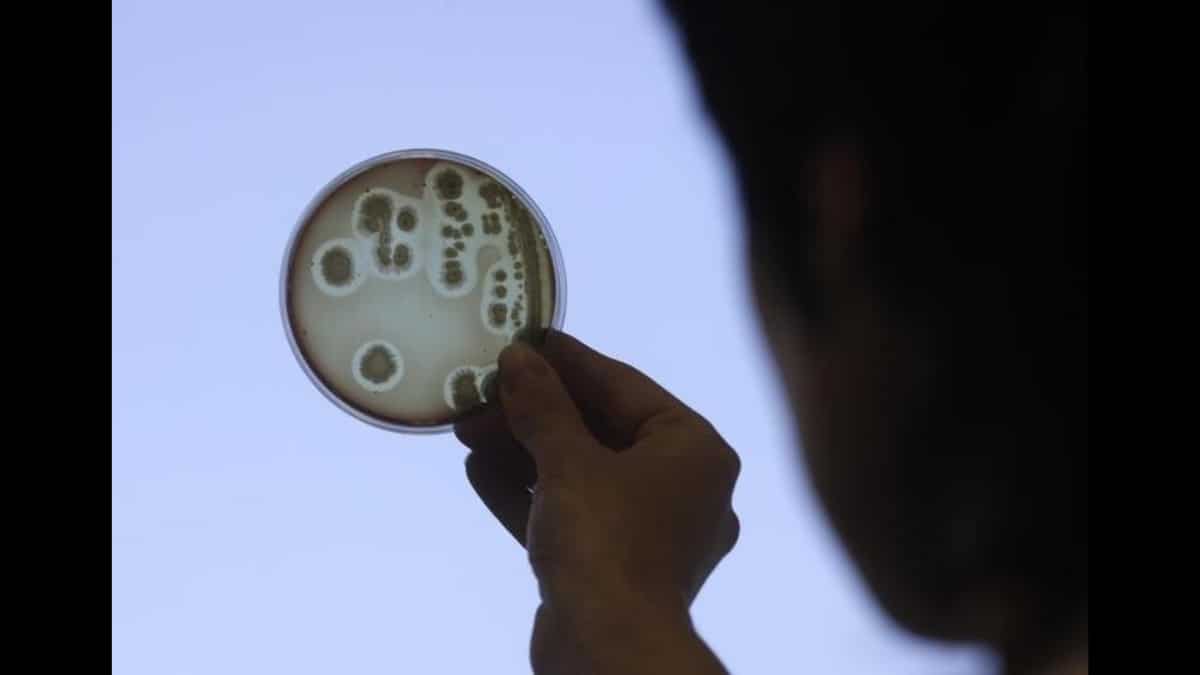
Scientists are embarking on a £1.1 million project aimed at revolutionising drug production by using food by-products to develop new antimicrobial drugs.
Led by the University of Strathclyde in collaboration with the University of Surrey and GSK, the research endeavours to make antimicrobial production more cost-effective and sustainable, thereby addressing the pressing global challenge of antimicrobial resistance.
The project seeks to leverage bacteria, particularly Streptomyces, known for their potential to produce various drugs including antimicrobials. By harnessing food by-products, the team is aiming to device a less carbon-intensive process for biomanufacturing, which could pave the way for a range of medications including anti-parasitic, anti-cancer, anti-fungal, and immunosuppressant drugs.

Also Read |‘It gives me chills’: Voyager mission’s first images of Io reveal volcanic fury
Prof. Paul Hoskisson, the lead researcher at Strathclyde Institute of Pharmacy and Biomedical Sciences, underscored the urgency of this, stating, "a major challenge in industrial biotechnology is the use and exploitation of sustainable industrial feedstocks for fermentation bioprocesses which deliver greener manufacturing, less carbon intensive processes and cleaner growth, and do not compete with the food chain"
Also Read |Subduction zone stirring beneath Gibraltar Strait, research warns it may ‘invade’ Atlantic ocean
)
No Pandya as Auqib Nabi earns maiden ODI call-up; Mayank returns for WI T20Is| check full squads
)
Trump praises India’s Opium crackdown, hails anti-drug efforts
Mandakini breaks silence on Dawood Ibrahim photo: 'I was not invited by him'
)
Former India player Diana Edulji wants Smriti Mandhana to replace Harman as skipper at the earliest
)
Trump calls Canada-EU associate membership plan ‘laughable’ and threatens 'very serious tariffs'
)
Protests erupt over migrant housing plan in Piddington
)
Shahzad Bhatti Network declared terrorist organisation under UAPA: Govt order
)
Europe wants a common playbook for security threats, seeks security beyond NATO
)
240-million-year-old bizarre 'pig with a tusk' creature creates new dilemma over origin of dinosaurs
)
Formula One reveals the 2027 race calendar; Monaco to host sprint race for the first time
)
All Indian goods to get duty-free access to New Zealand
)
Bigg Boss 20: Mahhi Vij reveals she lost Yuva role to Kareena Kapoor; 'didn’t work out in my favour'
)
Lionel Messi for 2026 Ballon d’Or over Mbappe and Yamal, says Diego Simeone
)
US House votes 417-3 to pass Ratepayer Protection Act targeting AI data center electricity costs
)
Hong Kong unveils 11 new measures to boost birth rates, offers higher cash bonuses and housing perks
)
Former OpenAI researcher warns of growing risks from Artificial Intelligence
)
Veteran actor Anant Nag honoured with Indian cinema’s highest award
)
Wildfire tears through forests in Spain's Valencia
)
AUS vs SA: Steve Smith still gets 'little flashbacks' from sandpaper gate
)
PM Modi’s 76th birthday: From Akshay Kumar to Shilpa Shetty, Bollywood celebs extend warm wishes
)
Pakistan naval vessel returns to harbour with 'severe damage' after collision with Indian warship in Arabian Sea
)
Fed raises rates for first time in 3 years, Kevin Warsh defies Trump as inflation mounts
)
Katrina Kaif’s postpartum weight is not the problem; your gaze is
)
Taiwan seeks deeper India ties as direct flights restart soon and chip projects advance
)
Daayra movie review: Kareena Kapoor, Prithviraj Sukumaran shine in Meghna Gulzar’s cop-versus-cop crime thriller
)
Saudi Vs Houthis: Yemeni military rebels clash with Houthis
)
Pak batter Rizwan's petition against being questioned by cyber crime agency rejected by court
)
US trade tariff: 100% tariff targets Russian buyers amid trade tensions
)
Pakistan: Imran Khan's sons Kasim & Sulaiman claim their father is 'tortured' in jail
&im=FitAndFill=(700,400))
New OTT releases this week (September 14-20, 2026): Lust Stories 3, Waiting Hai, Irumudi- 5 new titles coming on Netflix, Prime Video and more
)
Ebola outbreak: WHO sees encouraging signs in fight against Ebola outbreak
)
Trump gets new power to hit India, China with up to 100% tariffs as US Senate clears Russia sanctions bill
)
‘Imagine 50 AI fighters cornering one manned jet’: India’s mobbing doctrine eyes a new era of air warm
)
Saudi vs Houthis: Riyadh claims to have shot Houthi drone targeting Mecca
)
US Treasury rallies global financial institutions for Op Economic Outcast to isolate Iran
)
Want to get married within a year? Why 18 lakh people rush to Jaipur for ‘sacred henna’
)
Pakistan boycotts chess match against Israel at Olympiad
)
UN General Assembly 2026: What is veto power. Which countries have it and how does it work?
&im=FitAndFill=(700,400))
Suriya and Jyothika say ‘I do’ again after 20 years! See their dreamy wedding pics
)
Abhishek Sharma rises to No. 2 in T20Is; ENG’s Robinson 3rd after record Pakistan Tests
)
Laura Wolvaardt sets new world record for most WT20I runs in a year
)
The Early Spring season 2 is happening, but fans have one request - 'don't change the actors'
)
The project will employ engineering biology approaches to steer antimicrobial-producing bacteria towards using food by-products, thereby circumventing the need for expensive, food-grade feedstocks. This will aim to ensure that high-value drugs are still produced while making use of food by-products.
Watch | Sounds from healthy reefs may boost coral regeneration: Study
Prof. Claudio Avignone Rossa from the University of Surrey pointed out the global threat posed by antimicrobial resistance, highlighting the importance of innovative approaches to drug development and production. Rossa stated, "Pathogens that have become resistant to antibiotics can limit our ability to treat common infections and deliver other lifesaving treatments such as chemotherapy. Antimicrobial drugs are available; however, their development and production are costly, it is important that we think innovatively and use our knowledge of bacterial metabolism to overcome this problem.”
(With inputs from agencies)