Averting nuclear war : India and Pakistan have several pacts to avoid atomic disaster | Know about them

Averting nuclear war after Pahalgam: India and Pakistan have several pacts to avoid atomic disaster | Know about them. India News | South Asia
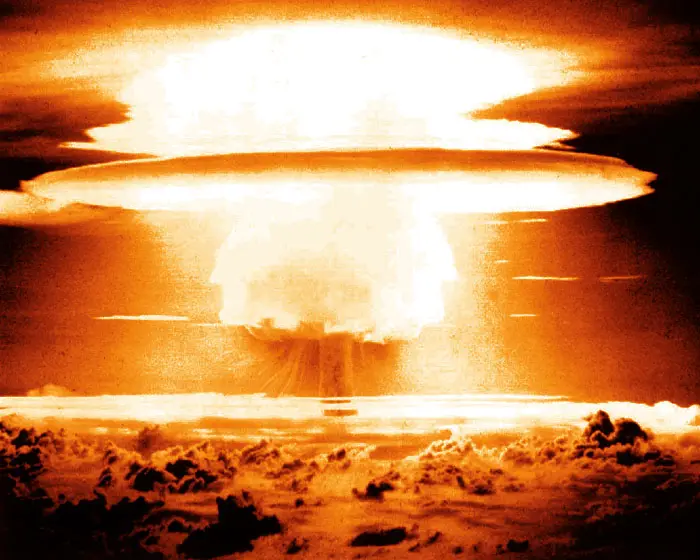
Operation Sindoor: How India and Pakistan avoid nuclear war: In the days following Operation Sindoor, India's military response to the Pahalgam terror attacks, there were fears that the confrontation could spiral into a nuclear war. Speculation was rife that India hit near Pakistan's nuclear installations, but all that talk was debunked by the government. In this context, it would be interesting to understand how India and Pakistan have established mechanisms to avoid hitting each other's nuclear installations.
India and Pakistan: Two nuclear-armed states at striking distance of each other
Since they declared their status as nuclear-weapons states, India and Pakistan have been described as two nuclear powers within striking distance of each other. To avert any disastrous consequences, the two countries have set up mechanisms to inform each other about their nuclear installations.
Two bilateral agreements are key to reducing nuclear risks in India and Pakistan. The main focus is on ensuring transparency about each other's nuclear installations.
Agreement on the Prohibition of Attack against Nuclear Installations and Facilities (1988)
Trending Stories
)
)
)
)
)
)
)
)
)
)
)
)
)
)
)
)
)
)
)
)
)
)
)
)
)
)
)
)
)
)
)
)
&im=FitAndFill=(700,400))
)
)
)
)
)
)
This pact was signed on 31 December 1988 in Islamabad between then Indian prime minister Rajiv Gandhi and his Pakistani counterpart, Benazir Bhutto.
After the parliaments of both countries ratified it, the treaty came into effect on 27 January 1991.
The 1988 pact prohibits the two nations from attacking or assisting third countries to target each other's nuclear facilities. With the aim of reducing the risk of nuclear escalation, the agreement mandates the annual exchange of lists on nuclear facilities. This has been practised every January 1 since 1992, the last being in January this year. In other words, the exchange of nuclear Installation lists this January was the 34th consecutive one between the two countries.
The 1998 pact aims to enhance transparency and build confidence between the two countries.
'Could have been a bad nuclear war': Trump reacts to India-Pakistan ceasefire agreement
It established a framework for confidence-building measures or CBMs in order to prevent miscalculations that could lead to nuclear war.
The pact barred the two parties from carrying out surprise attacks or assisting foreign powers to attack each other's nuclear installations and facilities.
It prevents the two countries from "undertaking, encouraging, or participating in, directly or indirectly, any action aimed at causing destruction or damage to any nuclear installation or facility in each country".
Lahore Memorandum of Understanding (1999)
The Lahore Memorandum of Understanding was signed in the Pakistani city of Lahore on 21 February 1999 at a peace summit between then Indian prime minister Atal Bihari Vajpayee and his Pakistani counterpart Nawaz Sharif.
The pact became effective immediately upon signing.
US spokesperson weighs in on 'nuclear leaks' in Pakistan
The MoU recognised the need to address nuclear risks, particularly after the 1998 nuclear tests by the two South Asian nations. Stressing on CBMs and arms control, the MoU committed the two sides to notify each other of ballistic missile tests and establish communication channels to avoid misunderstandings during crises.
It aims to foster trust through open dialogue and information-sharing, so that accidental nuclear escalation can be avoided.
Lahore MoU set up the critical framework for nuclear dialogue between the two countries, in spite of challenges arising from tensions.
Nuclear station on moon will be constructed 'without human help', China-Russia sign deal
As per the Lahore agreement, the two sides decided that their foreign ministers would meet periodically to discuss issues of concern, including nuclear-related ones.
They pledged to “take immediate steps for reducing the risk of accidental or unauthorised use of nuclear weapons and discuss concepts and doctrines with a view to elaborating measures for confidence building in the nuclear and conventional fields, aimed at the prevention of conflict.”
It noted that recognising the nuclear dimension of the security environment of the two countries adds to their responsibility for conflict avoidance.
It commits them to the objectives of universal nuclear disarmament and nonproliferation.
Other nuclear pacts
Apart from these, the two countries have an agreement on pre-notification of flight testing of ballistic missiles, signed in 2005.
In 2007, India and Pakistan entered into an agreement on reducing the risk from accidents relating to nuclear weapons.

