
&imwidth=800&imheight=600&format=webp&quality=medium "Salt air to sound waves: HAL’s homegrown trio takes wing")
Somewhere off India's western coast, oil workers ending a long shift on a steel platform will soon see a helicopter built in their own country arriving to take them home. That moment captures what Hindustan Aeronautics Limited (HAL) will mark on 18 September 2026, when it delivers three home-grown aircraft at its Aircraft Division in Vimanapura, Bengaluru. The ceremony runs from 5 to 6 pm, with entry through Gate 20 of the HAL Airport premises. Defence Minister Rajnath Singh and Civil Aviation Minister K. Rammohan Naidu will attend.
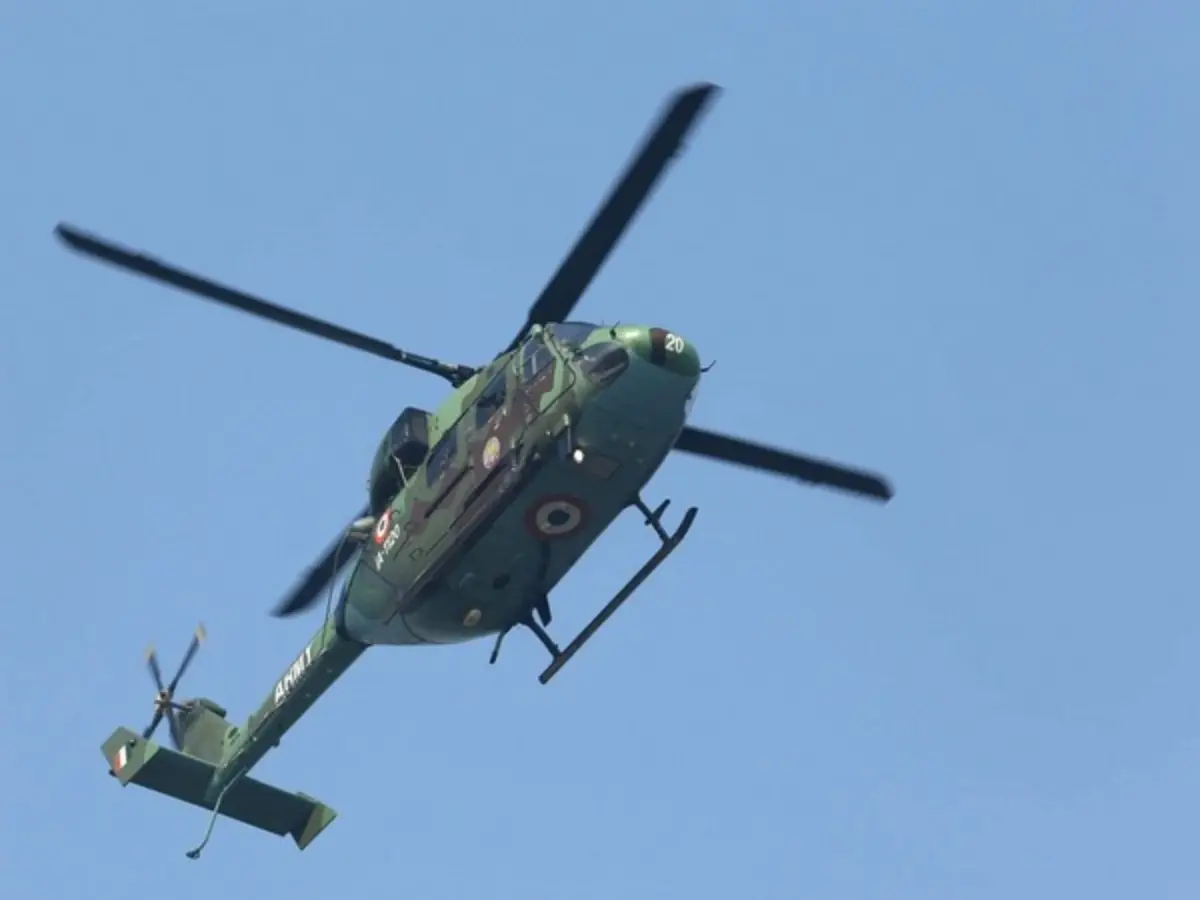
That helicopter is the Dhruv NG, the next-generation civilian version of HAL's Advanced Light Helicopter. Mr Naidu flagged off its first flight in Bengaluru on 30 December 2025. Now it moves from display to duty. Pawan Hans has ordered ten for more than ₹1,800 crore. Four arrive now, and the rest follow this financial year. The first is likely to ferry ONGC crews to and from offshore rigs.
The 5.5-tonne Dhruv NG runs on two Indian-made Shakti engines, so if one fails, the other keeps it flying. Its digital cockpit carries civil approval, its seats absorb the shock of a crash, and its fuel tanks seal small leaks on their own. It cruises at about 285 kmph, covers some 630 km with fuel in reserve, stays aloft for about three hours 40 minutes, and climbs to about 6,000 metres, enough for many Himalayan and plateau routes. The cabin can take four to six VIP seats, up to 14 passengers, or four stretchers with medical crew, which makes it a flying ambulance. Built largely from Indian material, it supports HAL's plan to grow civil work from a small share to nearly a quarter of turnover within ten years.

Leading this shift is Ravi Kota, HAL's 22nd Chairman and Managing Director since 1 May 2026, after D.K. Sunil retired. Defence circles still call him the "LCA man." He is a mechanical engineer from Malnad College of Engineering and an alumnus of IIM Ahmedabad and Toulouse. He headed the Tejas division, helped bring the fleet into service, and worked on contracts for 180 Tejas jets and 156 Prachand light combat helicopters. He wants a globally competitive HAL driven by innovation, Artificial Intelligence, operational excellence and its people.
That fighter background shows in the second delivery, the LCA FOC trainer. It is a two-seat Tejas Mk-1 built to Final Operational Clearance, cleared for real combat flying. The trainee sits in front and the instructor behind, under a lengthened canopy, so young pilots practise combat flying in a jet that handles just like the single-seat fighter. These twin-seaters complete the first 40-aircraft Tejas order. They came last because the single-seat fighters were built first. They arrive as the Indian Air Force expands its Tejas family with 83 Mk-1A jets and then 97 more, many of them two-seaters. A third line at Nashik is raising yearly output.
Trending Stories
)
Emmys 2026: Matthew Rhys wins Best Actor twice, sets historic 78-year record
)
3 Italians fly from Delhi to Munich without immigration clearance; Air India gets notice on major security lapse
)
Did India risk its US trade deal despite softer stance at BRICS?
)
Pakistan puts Pak Rs 70 lakh bounty on UN terrorist Masood Azhar; move draws skepticism in Delhi
)
‘US ensuring global energy supplies’: Trump demands reimbursement for securing Strait of Hormuz
)
'She married her brother': Ilhan Omar faces criminal probe over immigration fraud claims
)
'Huge destructive power': North Korea calls its latest missile launches 'live-fire drill' even as US dismisses 'immediate threat'
)
Ukraine strikes Syzran Oil Refinery deep inside Russia, fires erupt
)
‘Let’s go’: Newly declassified videos show dramatic rescue of US Air Force officers downed in Iran
)
Emmy Awards 2026: Widow's Bay and The Pitt win in lead categories- check out the complete list of winners
&im=FitAndFill=(700,400))
Why European Meteor missiles use ramjet engines compared to standard US solid rockets
)
Emmys 2026 In Memoriam: Catherine O’Hara honoured by on-screen children Macaulay Culkin, Annie Murphy, Dan Levy; Dolly Parton, Rob Reiner remembered
)
Iran, India agree to deepen humanitarian and political ties, President Pezeshkian says
)
‘Want to reset ties with India, have engagement based on mutual interests,’ says Bangladesh minister
&im=FitAndFill=(700,400))
Emmys 2026 Red Carpet: Zendaya, Nicole Kidman and Julia Garner lead the glamour peak
)
Turkish Airlines plane flies through a storm three times, triggering severe turbulence
&im=FitAndFill=(700,400))
Why Chinese PL-15 air-to-air missiles use dual-pulse motors compared to European interceptors
)
What is Hyrox, in news for athlete who soiled herself, but kept running and using common equipment?
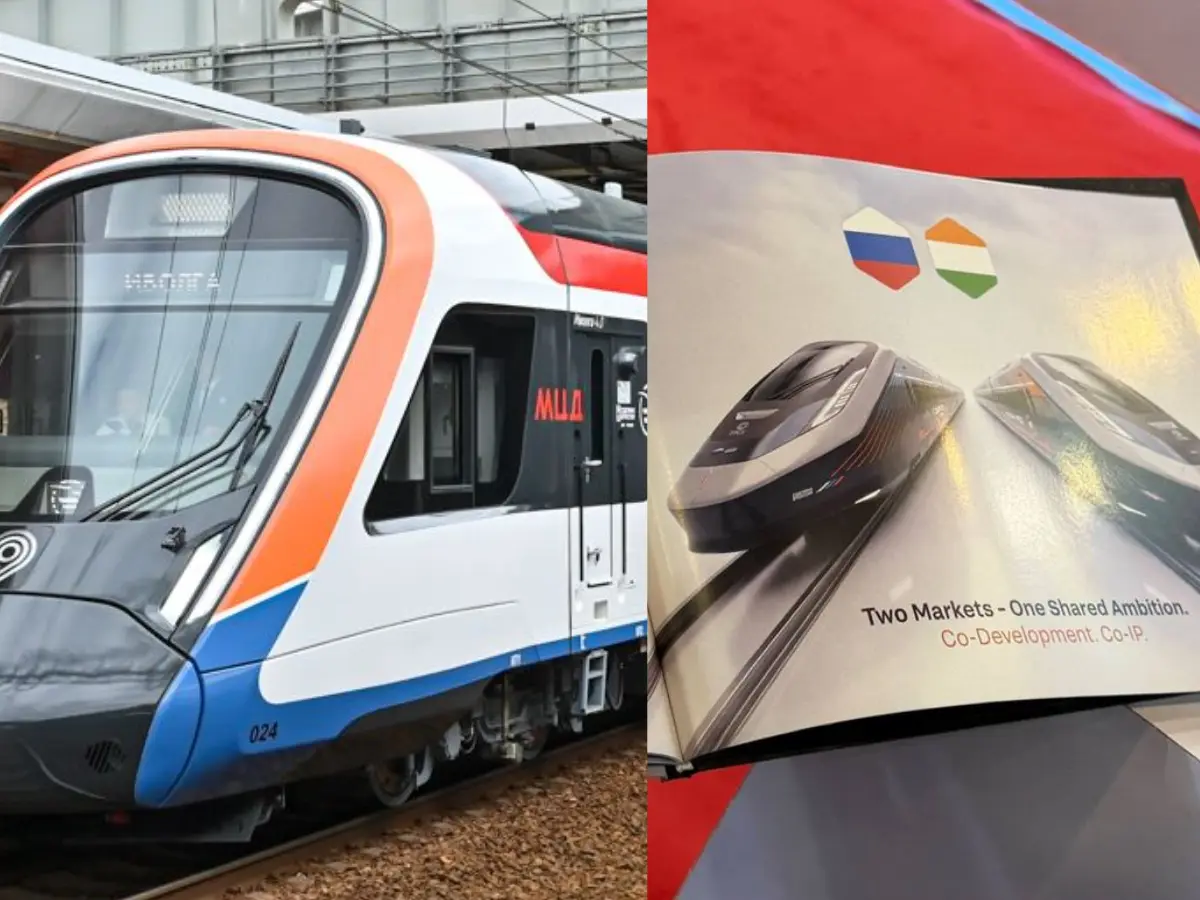)
Russia proposes to build 360 kmph Ivolga FG trains in India: What happened on sidelines of BRICS
)
800 million years old - Scientists discover 'fingerprints' of supercontinent Gondwana in ancient rocks
)
China discovers vast gold and silver 'mine' in the Pacific with unheard-of deposits
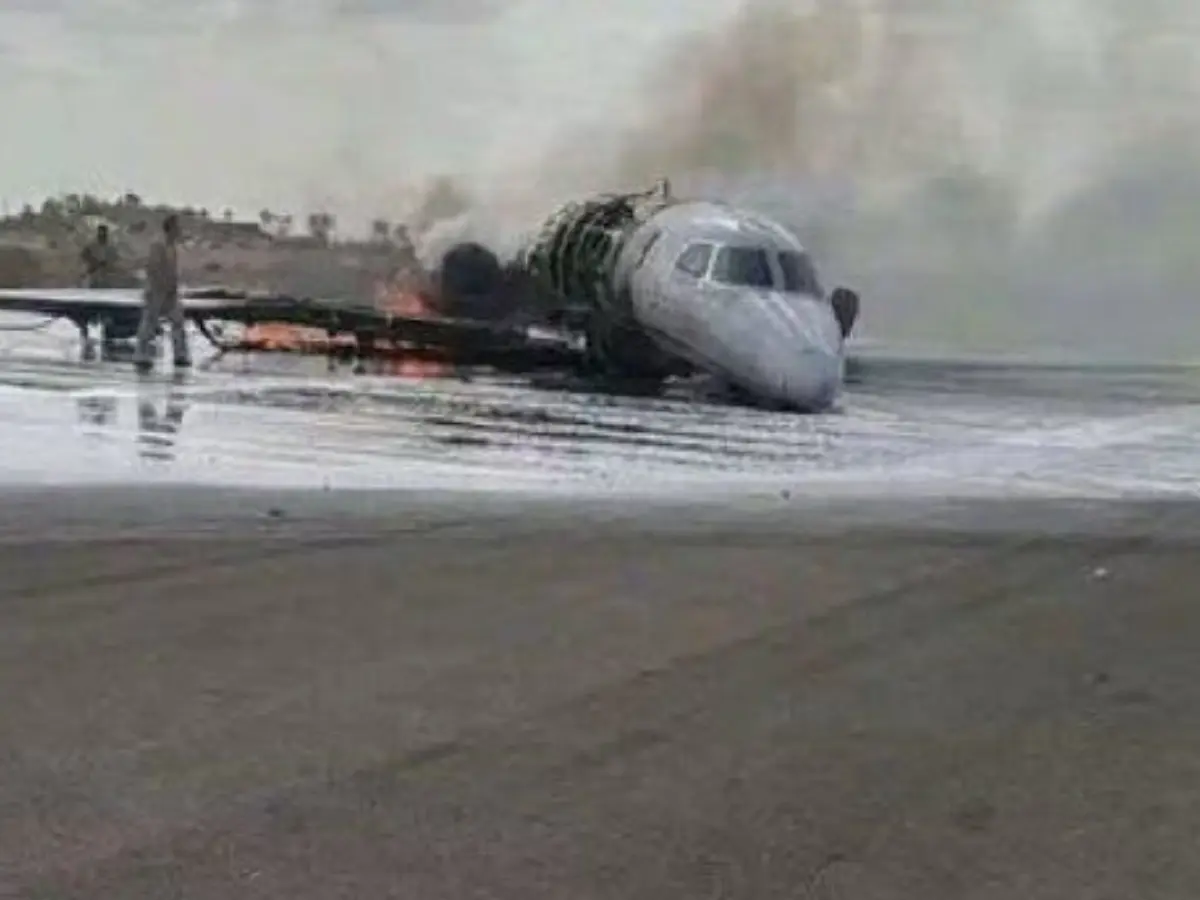)
Plane carrying prominent figure crashes at Libya’s Misrata airport: Report
&im=FitAndFill=(700,400))
New OTT releases this week (September 14-20, 2026): Lust Stories 3, Waiting Hai, Irumudi- 5 new titles coming on Netflix, Prime Video and more
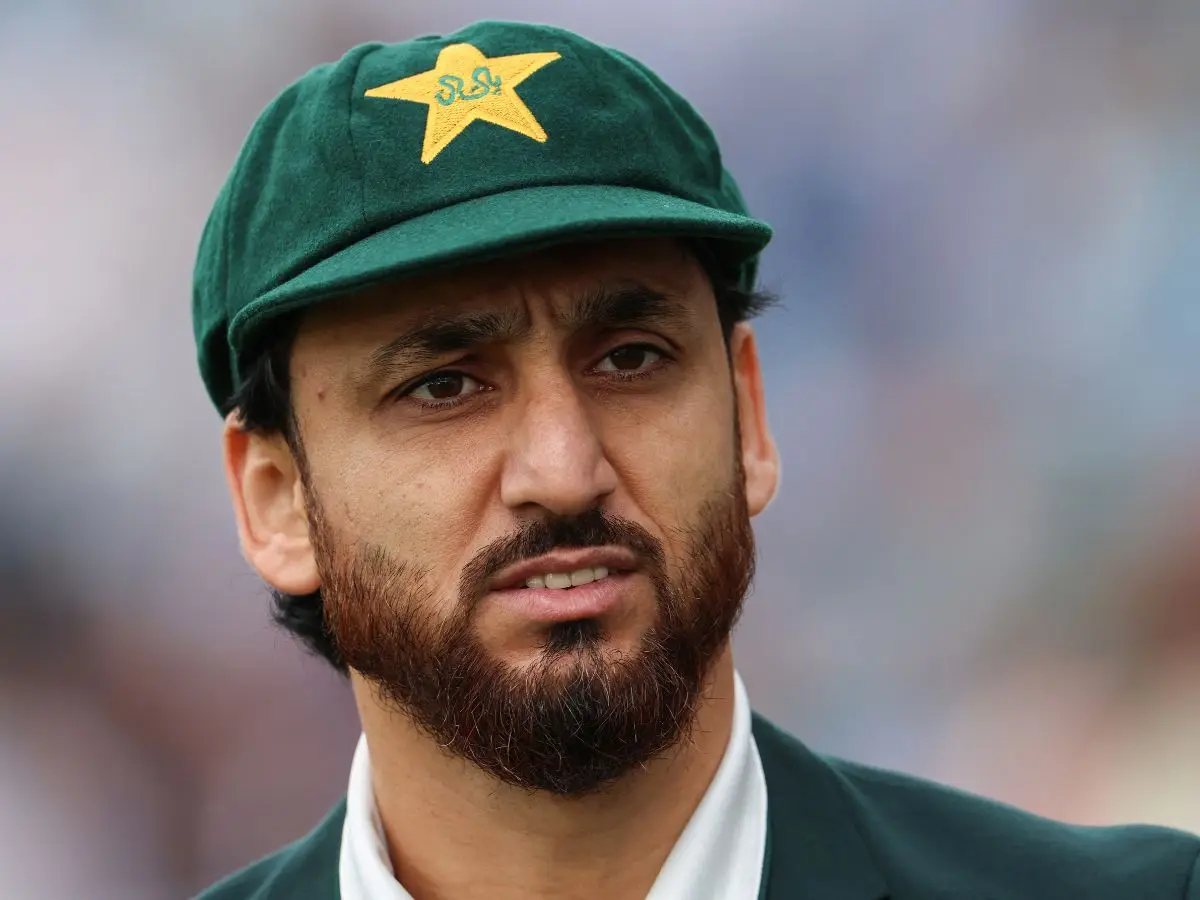)
Sent home midway from UK tour, Pakistan's Salman Agha hits 300* in domestic return
)
Who is Kalyan Bainsla, accused in the Gurugram hit-and-run case involving woman biker?
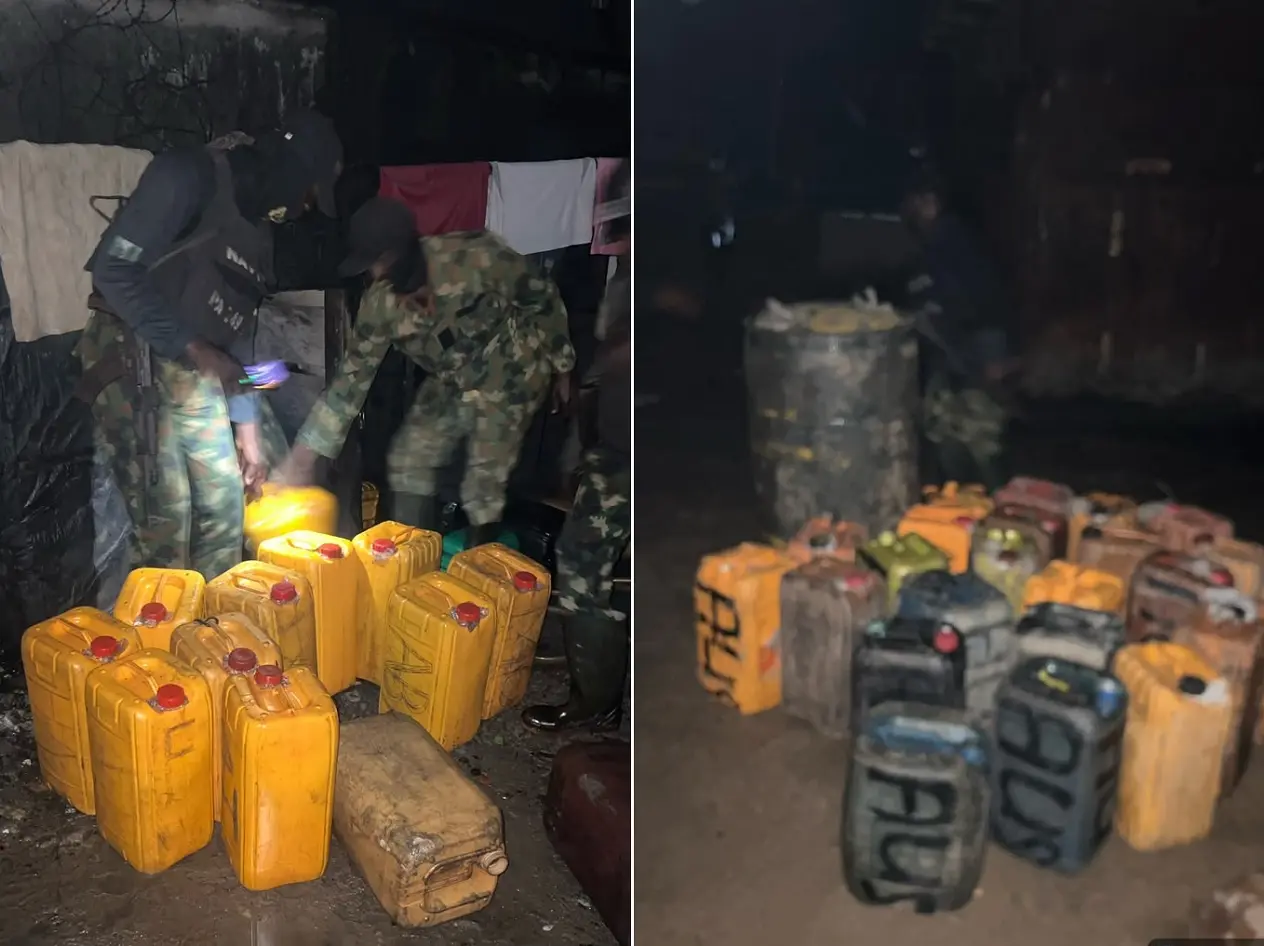)
Nigerian Navy seizes 10,000 litres of suspected illegal fuel in Rivers State crackdown
)
Saudi Arabia discovers 110 million tonnes of Uranium-rich ore in Madinah region
)
Dodgers beat Reds for playoff berth in bid for third consecutive World Series
)
Ecstasy tablets are rage in 'drug haven' Libya | Gravitas
)
'Now Trump is copying us': Shivakumar links US $5,000 plan to Congress guarantees
)
Video of Pakistani lawmaker struggling to read English tribute to Jinnah goes viral - WATCH
)
Trump downplays China's alleged 'help' to Iran in strike on Jordan base | Gravitas
)
Baba Vanga's first prophecy for 2027 is out, and straight out of science fiction
)
Trump loses Supreme Court battle over mail ballots ahead of US midterms: What happened?
)
BCCI VP Rajeev Shukla says Mohsin Naqvi 'did not object' India refusing trophy from ACC chief
)
Photographs, LeT labels vanish from two 2008 Mumbai attack entries in Pakistan’s most wanted list
)
Delhi govt to roll out ₹13,820 crore development projects under Seva Sankalp Abhiyan: CM Rekha Gupta
)
UK man admits drugging, raping wife for 20 years in shocking abuse case
)
Extreme warming in Indian Ocean added 695 billion tons of ice to Antarctica ice sheet
)
China thinned Himalayan troop presence in 2025, India defence report says; terms border situation 'stable'
HAL is also speeding up Tejas output on the factory floor, working with Bengaluru-based ADD Engineering Components on robotic drilling for the fighter's wings. A robot places each of the thousands of fastener holes in a wing the same way every time, cutting rework and freeing skilled technicians for tasks that need human judgement.
The third aircraft is where every fighter pilot's journey begins. For years, Indian cadets learned first take-offs, landings, instrument flying and recovery from sudden rolls on the Swiss-built Pilatus PC-7 Mk II. The Hindustan Turbo Trainer-40 (HTT-40) now takes over. The first three, two from Bengaluru and one from Nashik, belong to a March 2023 order for 70 aircraft worth about ₹6,838 crore.
The HTT-40 seats two, one behind the other, and is fully aerobatic. Its air-conditioned glass cockpit replaces old dials with digital screens, like a modern car dashboard. Its Martin-Baker "zero-zero" ejection seats can save both occupants even when the aircraft is standing still on the ground. A Honeywell TPE331-12B turboprop, a turbine engine that spins a propeller, gives it a top speed near 450 kmph, a range of about 1,000 km and a ceiling of about 6,000 metres.
The road tested everyone's patience. Engine shortages pushed deliveries past the original 2025–26 target until Honeywell supplies began in 2026. HAL's two lines can now build about 20 trainers a year between them. Indian content, close to 56 per cent today, is set to cross 60 per cent. A nation that cannot train its own pilots cannot grow its own air force.
Late engines and long waits are part of this story, but so is persistence. On 18 September, India hands over machines that will train its pilots, guard its skies and carry its people across sea and mountain.
