Desolation by Smog: Politics polluted Indian capital Delhi, and we're GRAPpling with our own mess, once again

&imwidth=600&imheight=450&format=webp&quality=medium "Desolation by Smog: Politics polluted Indian capital Delhi, and we're GRAPpling with our own mess, once again")
Once again, Delhi is GRAPpling with its own pollution mess Photograph: (Others)
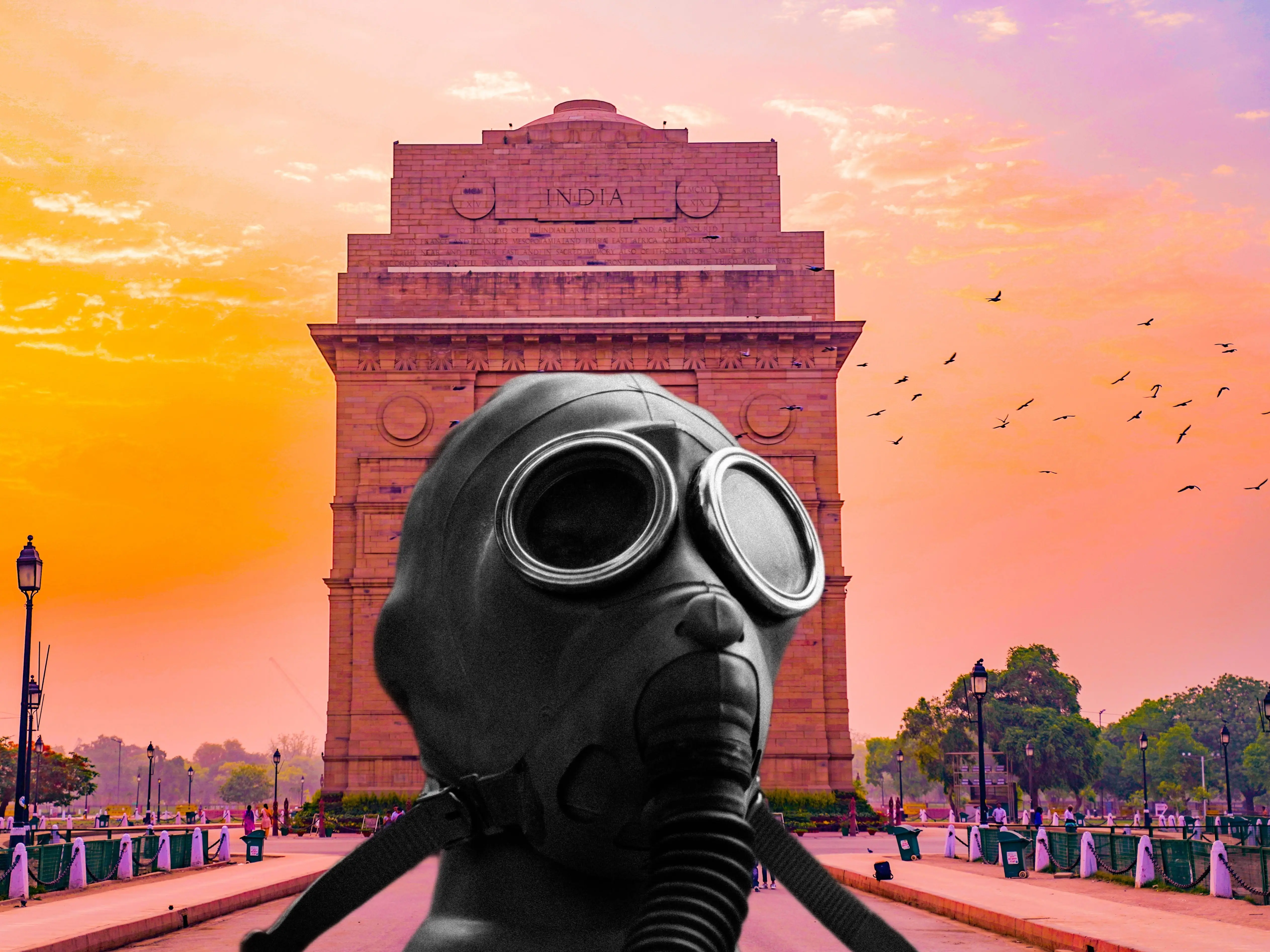
Delhi’s post-Diwali smog worsened due to stubble burning, fireworks, and weak winds, exposing political hypocrisy and failed climate action. People in India's capital struggle to breath in toxic air. How did we reach here, once again?
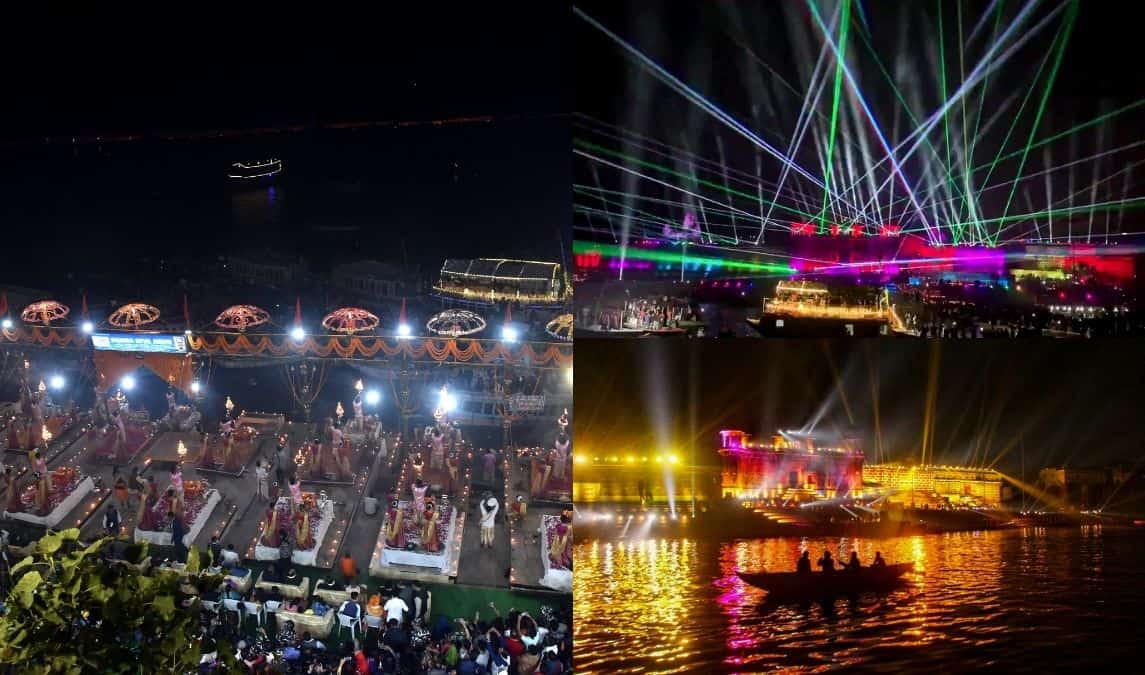
I went out of Delhi during Diwali and returned on October 29, hoping to have escaped the pollution. But as the flight hovered over the skies of Delhi and the National Capital Region (NCR), the air turned grey. It was a stark contrast to the skies of Chennai, where I had a layover, and Kerala, from where my journey began. Back on the ground, I was told that there had been no sunlight for the past few days. This time, the Deepawali celebrations were loud and smoky — with crackers, government-sanctioned and court-approved.
The stated aim was to reclaim the Indian tradition of a “true Diwali”, where fireworks were deemed an important part of the festivities, undoing earlier petitions and court rulings that had restricted their use because of their toxic emissions.
Already, the stubble burning in farms across Punjab, Haryana, and western Uttar Pradesh — an annual affair — had darkened the skies and stung the eyes. The celebration of Diwali with renewed vigour for fireworks added to the toxic mix. Western disturbances — the wind systems that usually clear Delhi’s air in the transition between summer and winter — stayed away for most of the last week of October this year. As a result of this deadly cocktail of factors, Delhi became the most polluted city in the world, the same gas chamber it is notorious for.
The Air Quality Index (AQI) — a measure of air pollution — dipped to dangerous levels, hovering in the “severe” category for most of the week. Doctors reported nearly a 50 per cent rise in eye infections in Delhi. Hospitals filled up with patients suffering from bronchitis, asthma, and lung infections, all at a time already known as the peak flu season.
Trending Stories
)
&im=FitAndFill=(700,400))
)
)
)
)
)
)
)
)
)
&im=FitAndFill=(700,400))
)
)
)
)
)
)
)
)
)
)
)
)
)
)
)
)
)
)
&im=FitAndFill=(700,400))
)
)
)
)
)
)
)
How did we reach here?
Delhi in October 2025 will likely be remembered as a textbook case of pollution caused by human actions. While India has repeatedly asserted that it should not be penalised for historic emissions caused by industrialised nations, a politically motivated decision to reintroduce toxic elements into the air runs counter to its own climate commitments.
Despite decades of debate, nothing substantive has been achieved to end stubble burning — the practice of clearing farmlands after the harvest to prepare for the next sowing. Though centuries old, the scale and mechanisation of modern farming have worsened its impact. Despite court interventions and punitive measures, no viable, large-scale alternative to stubble burning has been introduced. What could have been a technical or administrative challenge has instead become a political blame game between states, depending on who is in power and who is in opposition.
Firecrackers: A Chinese tradition adopted for an Indian festival
In spite of talk about so-called “green crackers”, much of the market this year was flooded with imported or locally manufactured fireworks containing similar levels of toxins as before. Few realise that firecrackers were never an original part of Diwali, which for centuries was celebrated by lighting diyas — earthen lamps — to mark the return of Lord Rama to Ayodhya after 14 years of vanvaas, or exile. Firecrackers, originating in China, reached the Indian subcontinent around the 16th or 17th century through trade routes and were gradually incorporated into celebrations. But in the past few years, whether to use them or not became a political flashpoint. The ruling Bharatiya Janata Party (BJP) has often portrayed restrictions on fireworks as an attack on Hindu traditions, arguing that Diwali is incomplete without them.
Artificial rain: Looking for a needle in a haystack
In an attempt to mitigate the impact of post-Diwali pollution, the Delhi government experimented with cloud seeding and artificial rain. But it was too little, too late. There was no sunlight or breeze for nearly a week, and the air still smelt of burnt paper. Once again, we found ourselves at the mercy of nature to clear the mess we had created.
GRAPpling with our own mess
There was a time when Delhi managed to address its pollution problem — with the introduction of CNG-run buses and private vehicles, curbs on industrial emissions, and the Graded Response Action Plan (GRAP), which imposed restrictions on construction, vehicular movement, and other activities based on pollution levels. But now, we are grappling with the same menace all over again, with the benefits of those earlier efforts slowly evaporating.
Measures like the “odd-even” scheme — which limits private vehicles on the road based on their registration numbers — can only go so far.
What we need is a separation of logic from superstitious fervour and political posturing.
At the end of the day, it will once again take nature to rescue us. To that extent, our only options seem to be either to pray for rain — or, to satisfy the zealots, to pray to Lord Indra himself.
Disclaimer: The views of the writer do not represent the views of WION or ZMCL. Nor does WION or ZMCL endorse the views of the writer.